


Some places leave you speechless and set you dreaming, and the kasbahs of the Moroccan High Atlas are exactly that.
About four hours’ drive from Marrakech, the trip to Ouarzazate is a great classic offered by every agency in the city, and it genuinely earns its reputation. My advice, though, is to hire a car and stay a night in one of the traditional kasbahs of the Vallée des Roses, and do it independently. This is how I did it, and what I found along the way.

The road south
Heading south, only a few kilometres out of Marrakech, you enter another world. The houses become rough, often half-ruined but still lived in; poverty grows tangible, and the beauty of the land astonishing. The landscape shifts again and again, dry and dusty to suddenly lush, roadside souvenir sellers appear at every bend, and shepherds with their flocks are a constant, colourful presence.
Another recurring sight is the women’s cooperatives set up under King Mohammed VI to give women in the Atlas a measure of economic independence. Some process argan nuts, others weave carpets, and it is genuinely hard to leave empty-handed. Beyond the income, these cooperatives have brought literacy classes to their members and, in rural areas, access to nurseries and to gynaecological and paediatric care. It is a good project, worth supporting, all the more so because the products are excellent.
After two hours of climbing hairpins you reach the Col du Tichka, at over 2,000 metres, with a spectacular 360-degree panorama and, if you come out of season as I did, a startling drop in temperature. I left Marrakech one late-November morning at 28 degrees, and by the time I stopped near the pass for a mint tea and a gazelle-horn pastry, it was 10. My clothes were entirely wrong for it, needless to say.

Kasbah Télouet, the Glaoui’s palace
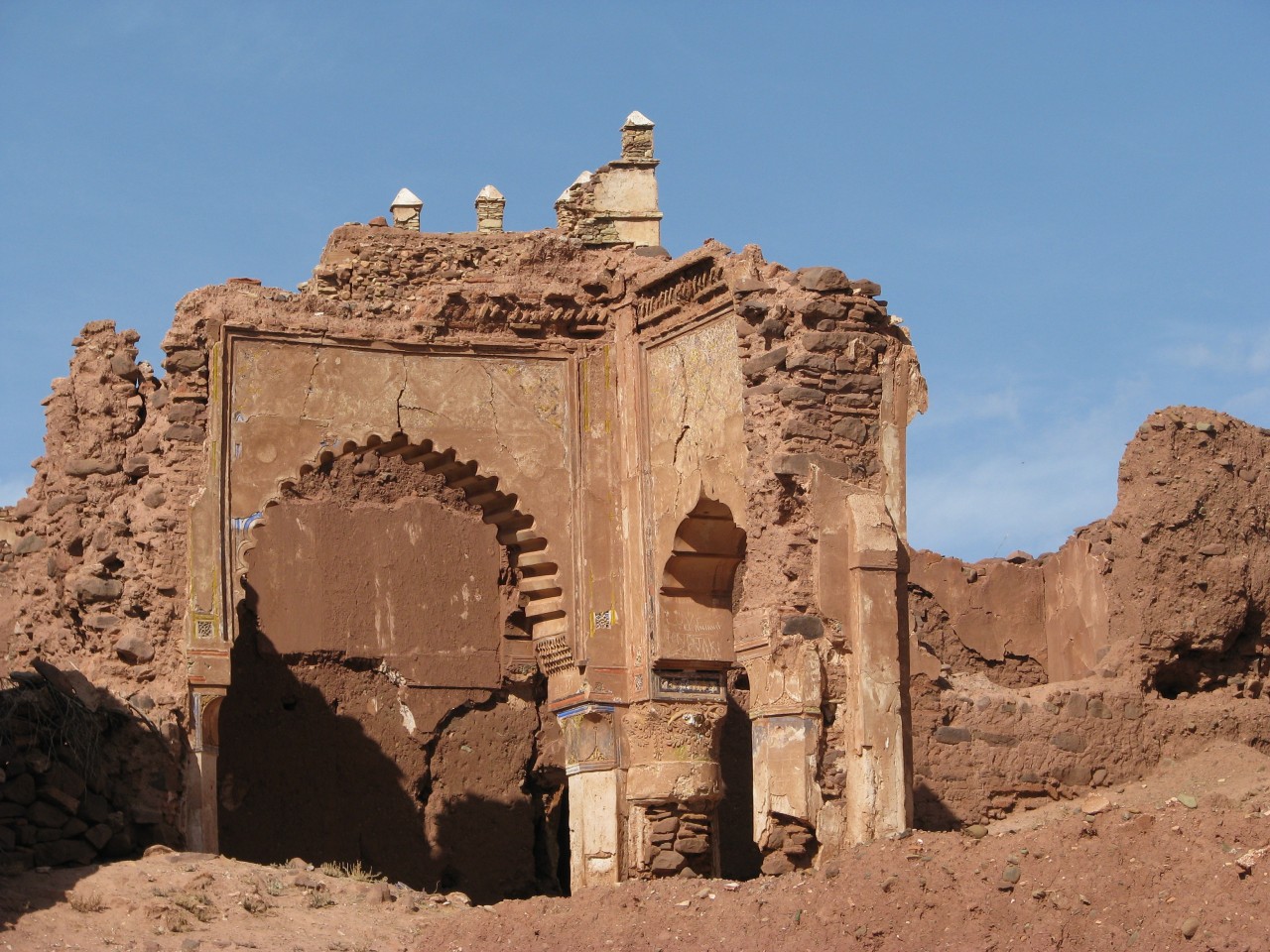
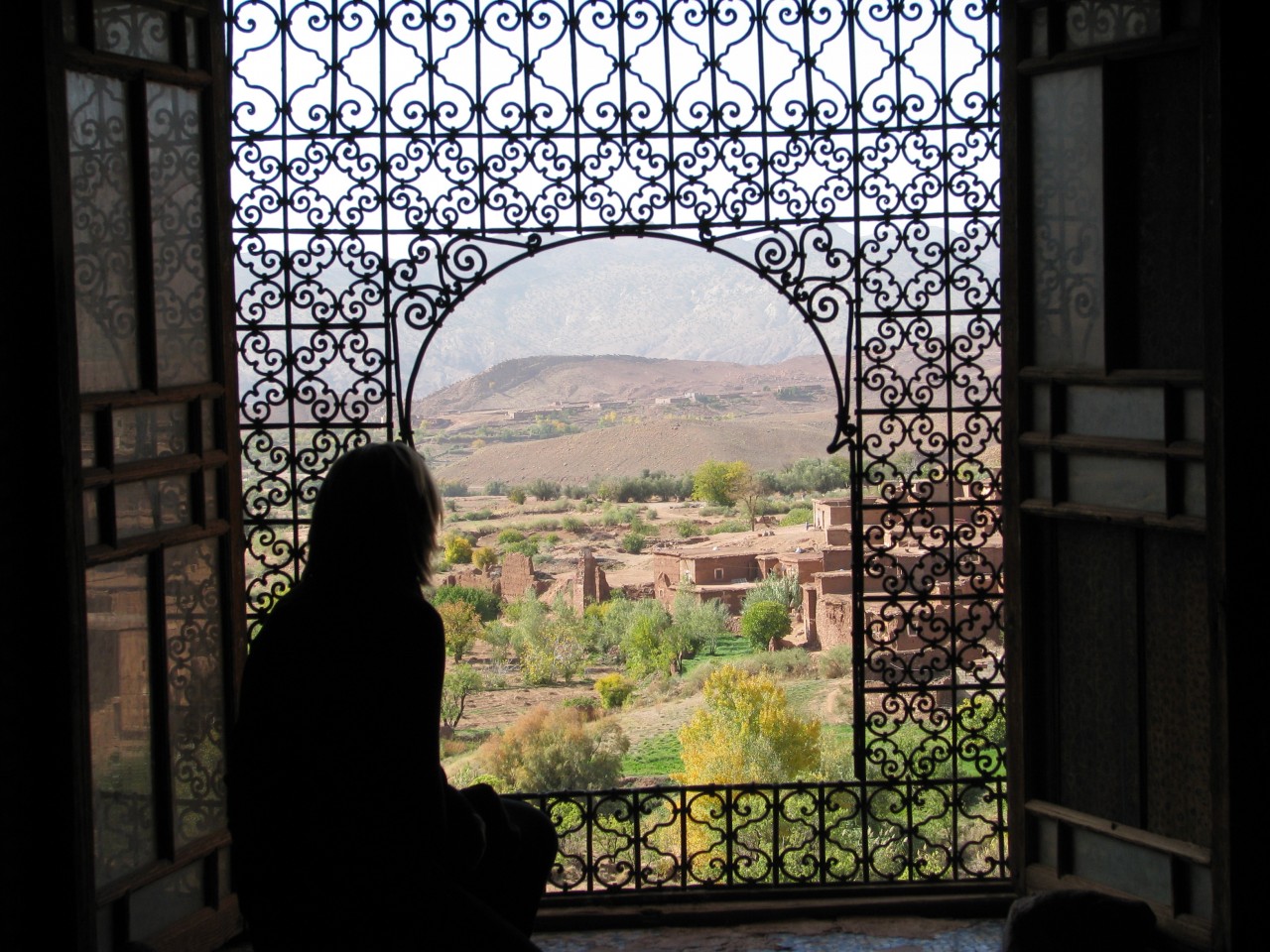
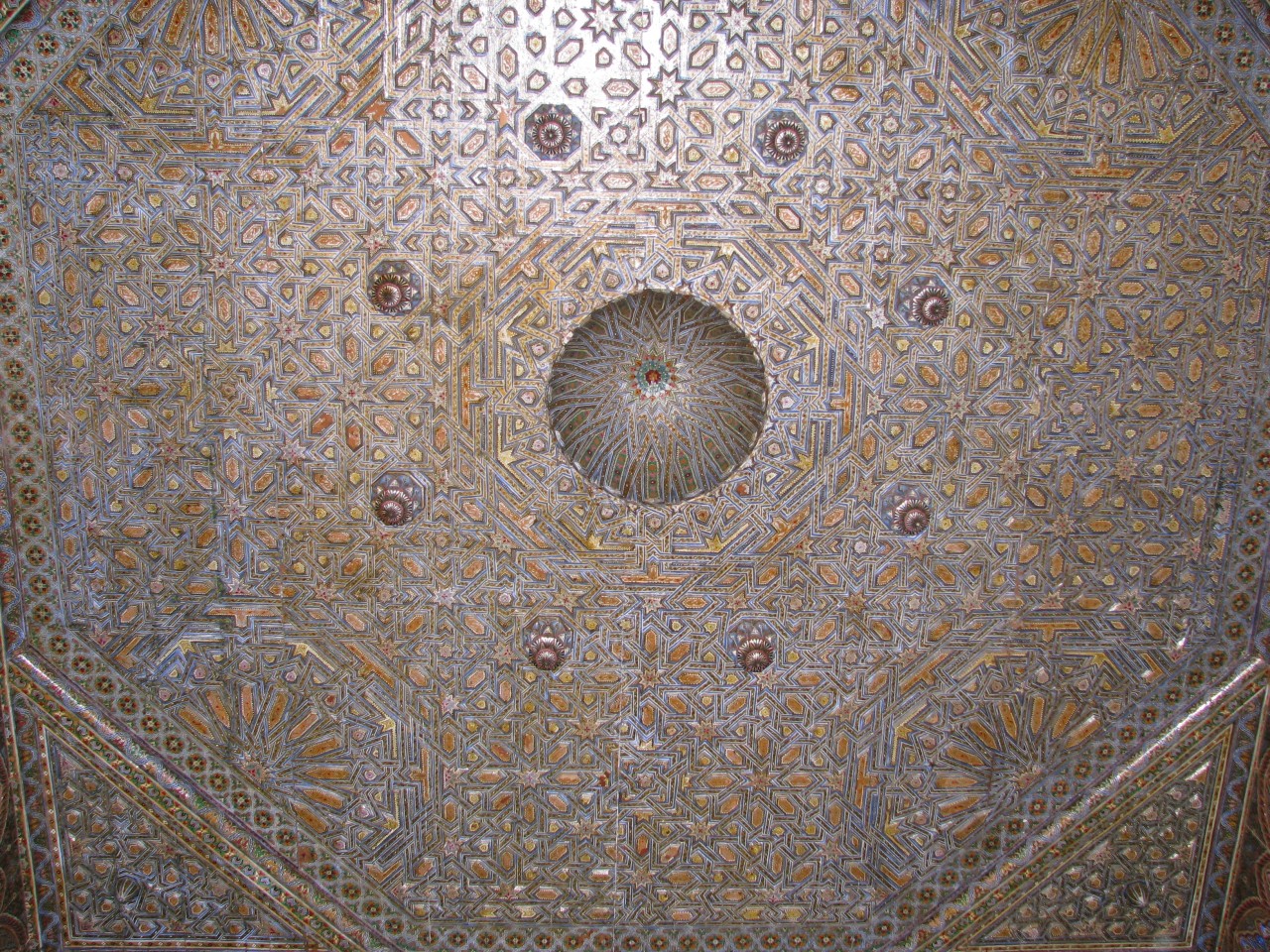
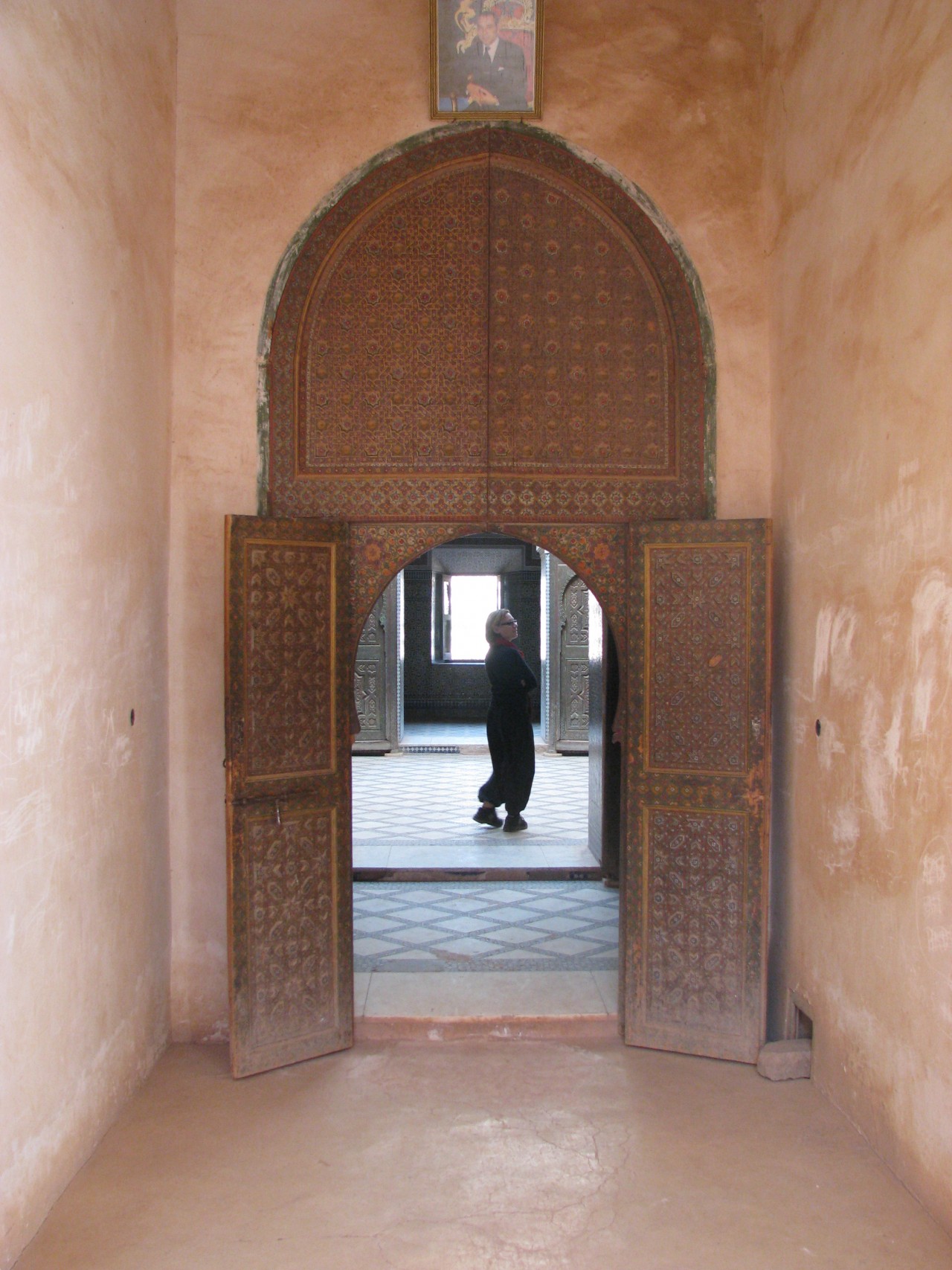
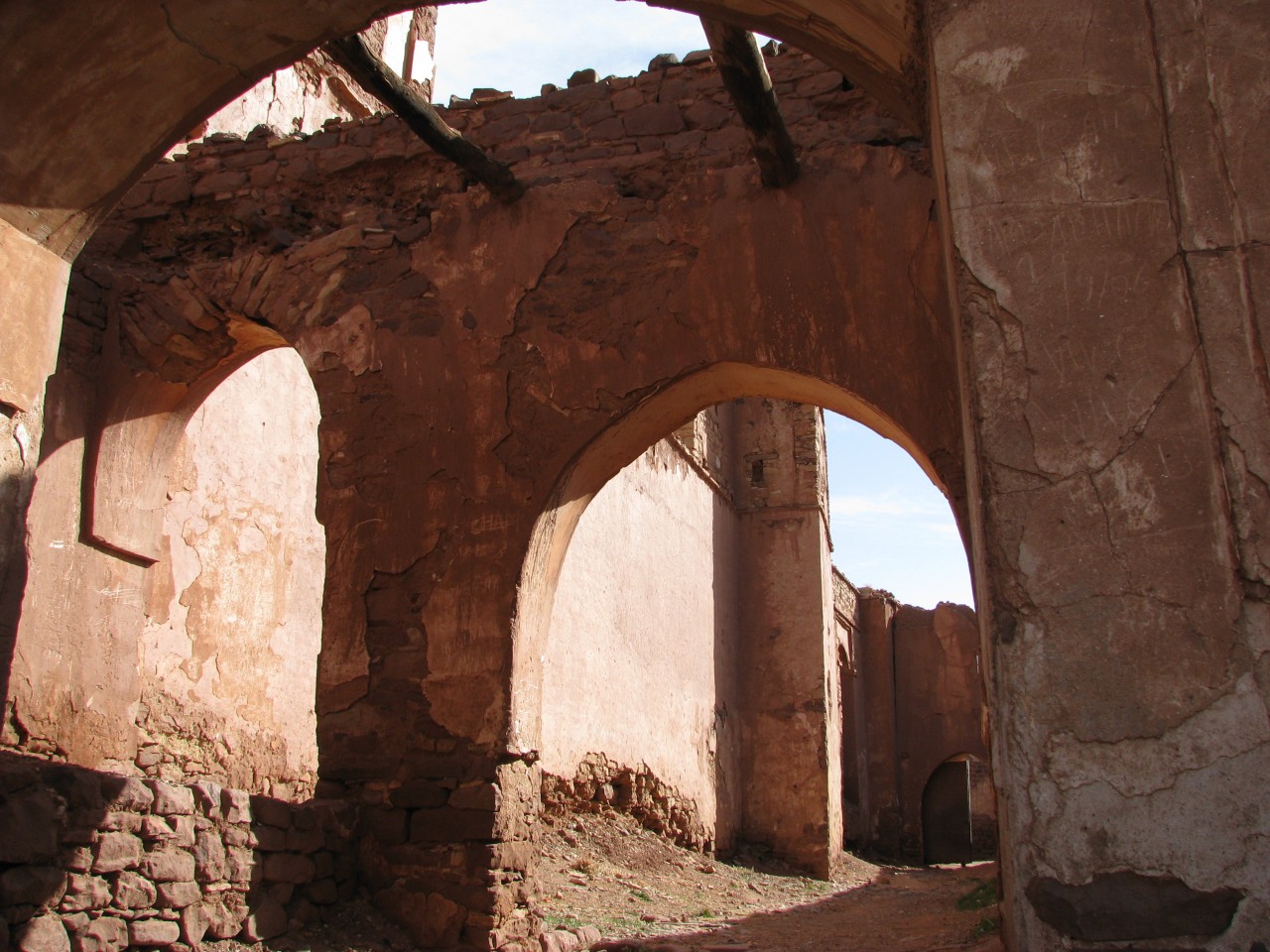
Halfway between the pass and Ouarzazate, I recommend stopping at Kasbah Télouet, the Palais du Glaoui, named for Pasha Thami El Glaoui, who enlarged it and made it extraordinary. To achieve what he considered decorative perfection, it is said he set 300 craftsmen to work for three years on the ceilings and walls.
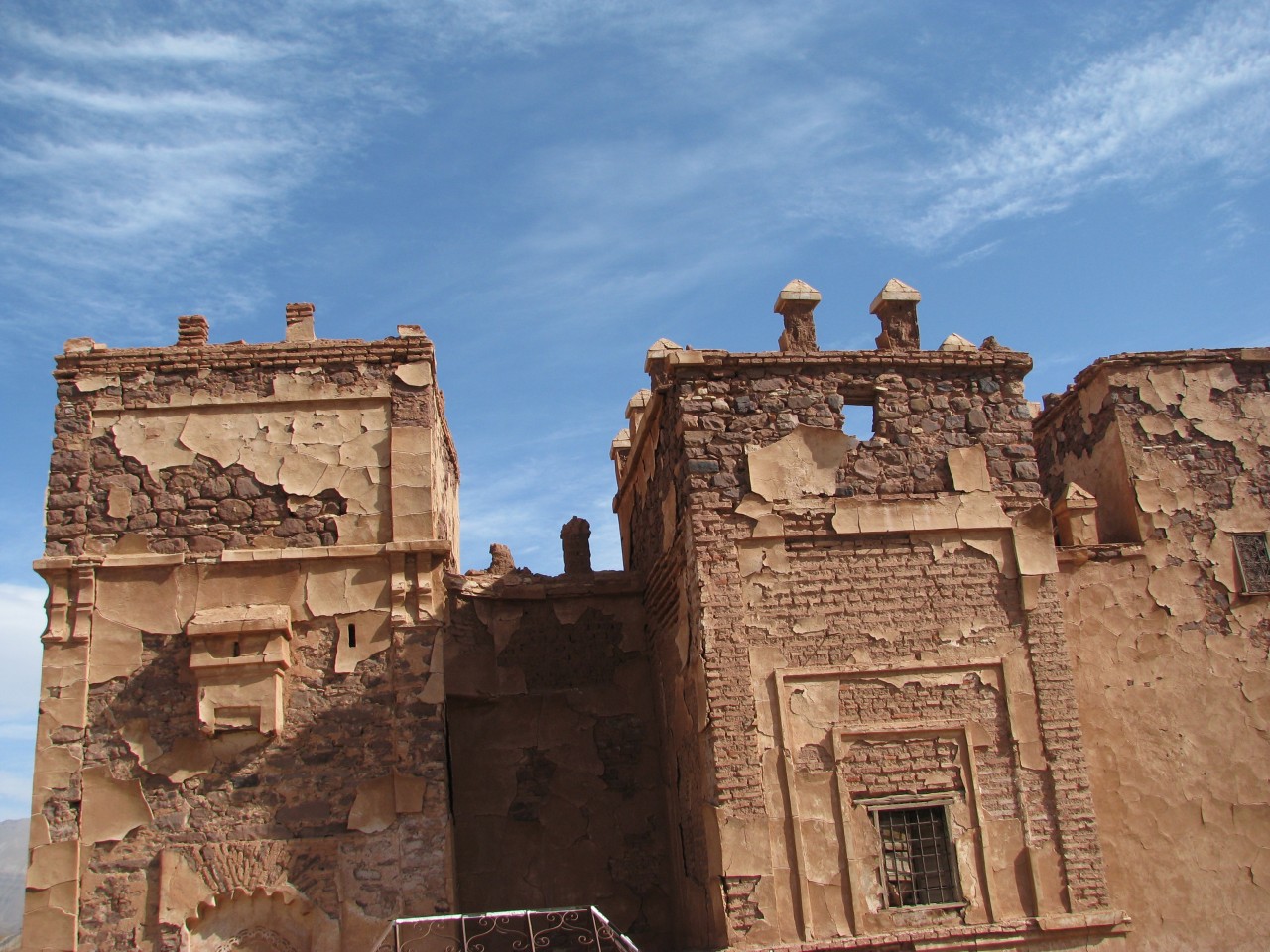
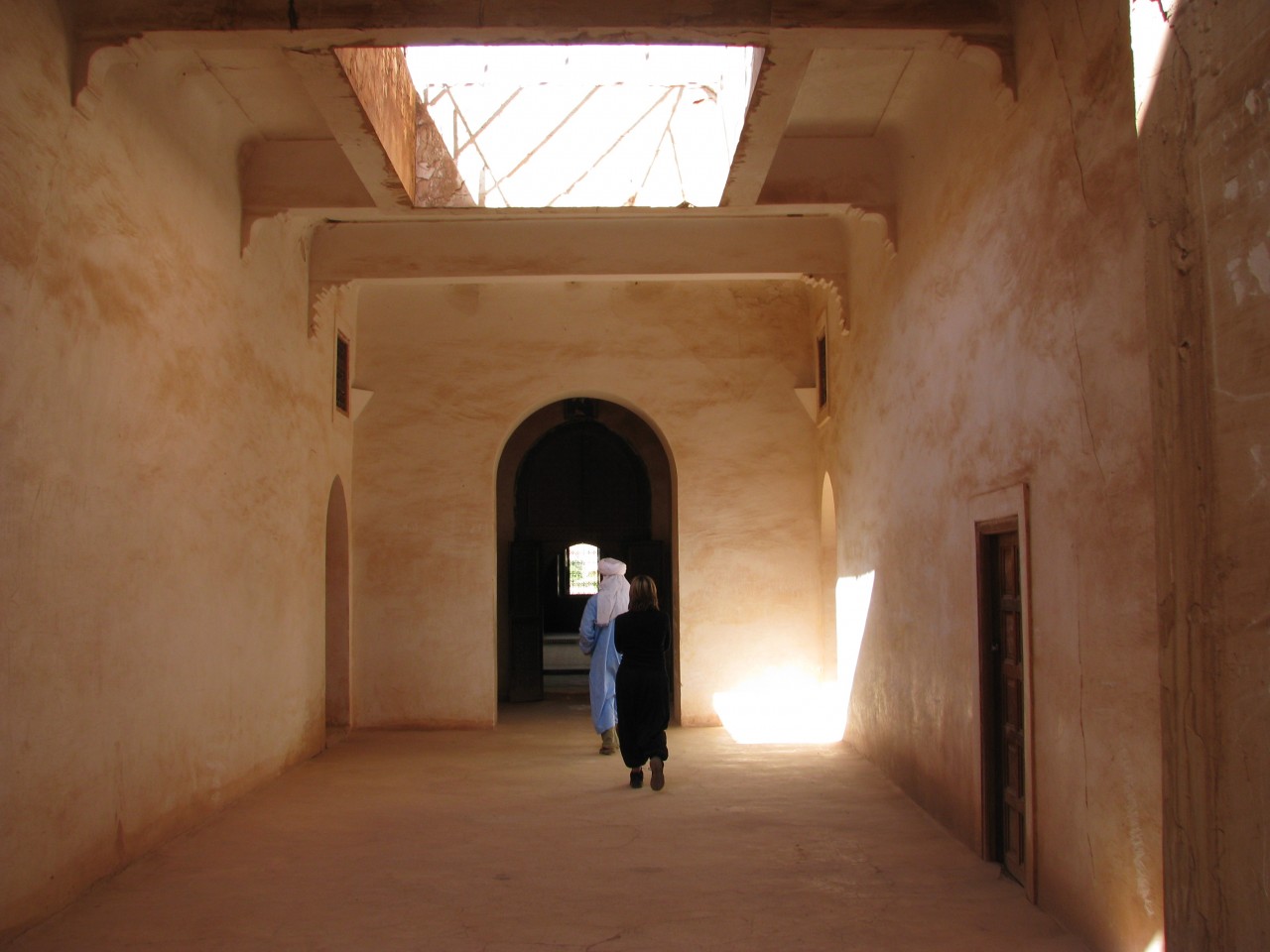
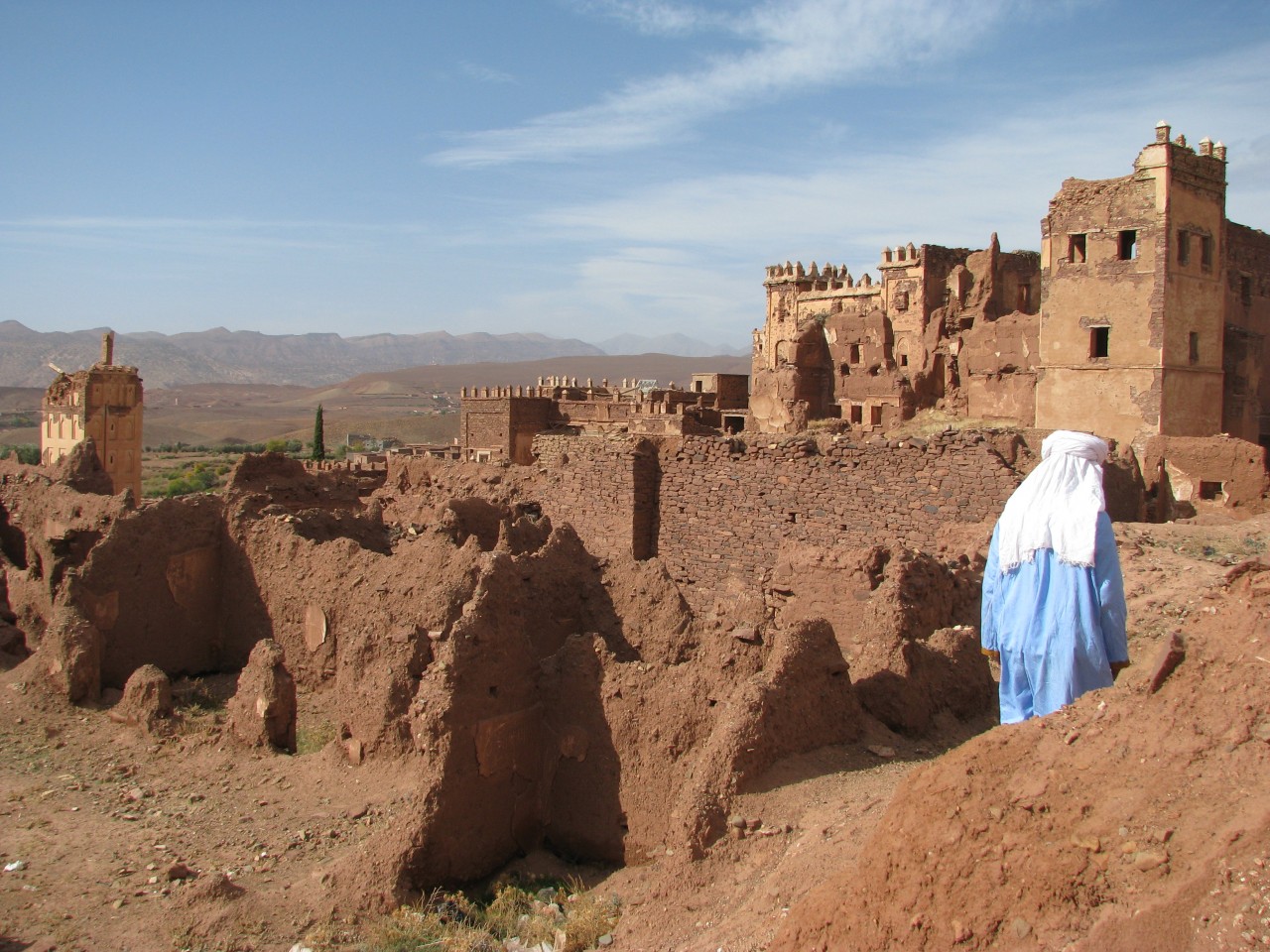
When he died in the 1950s the kasbah was abandoned, in part because he was seen as a traitor: El Glaoui had strongly backed the French during the occupation, and once Morocco won independence that made him persona non grata. The outer walls and towers are poorly preserved now, but the interior rooms, the terraces and courtyards still breathe an almost unimaginable luxury.
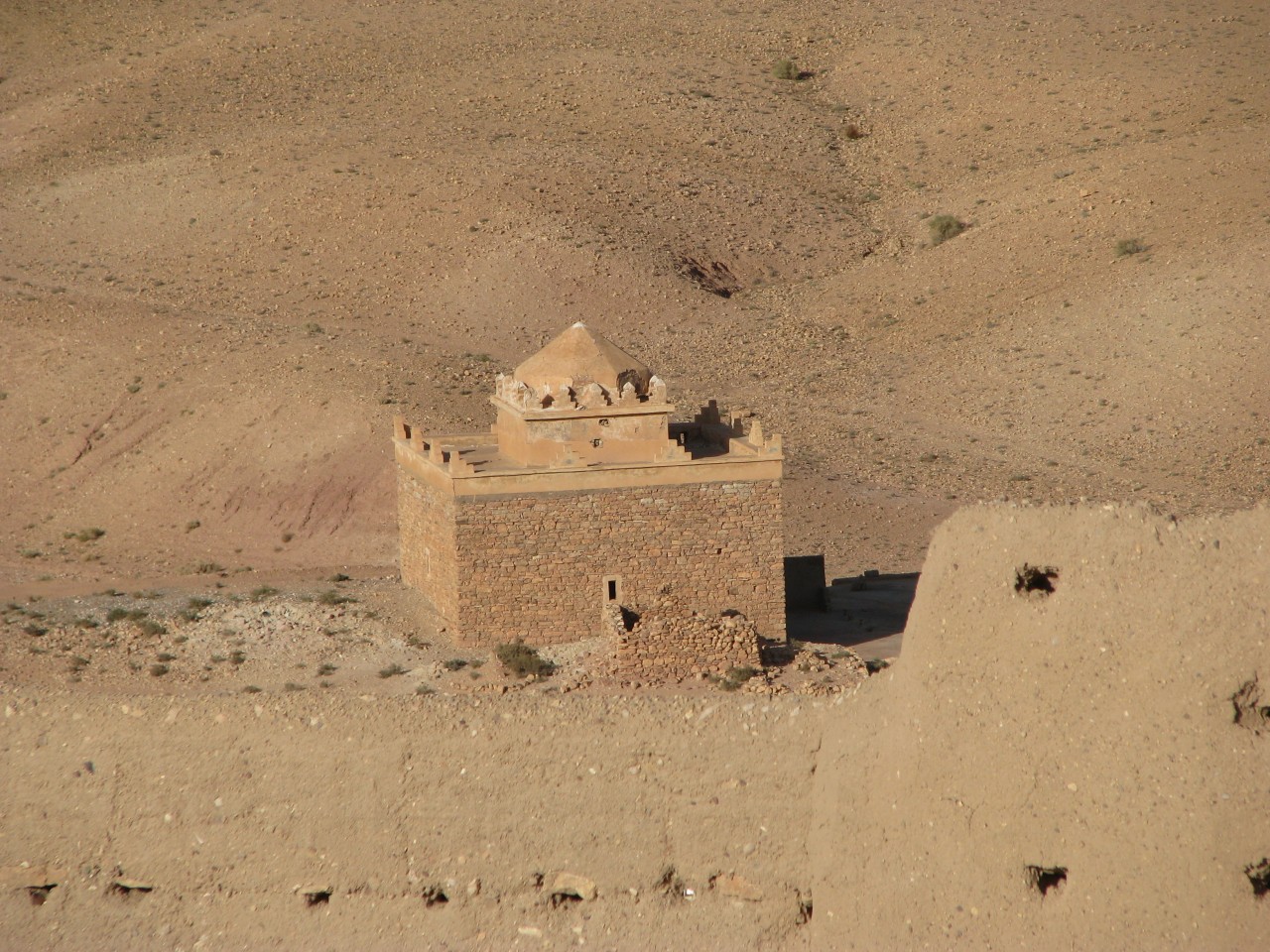
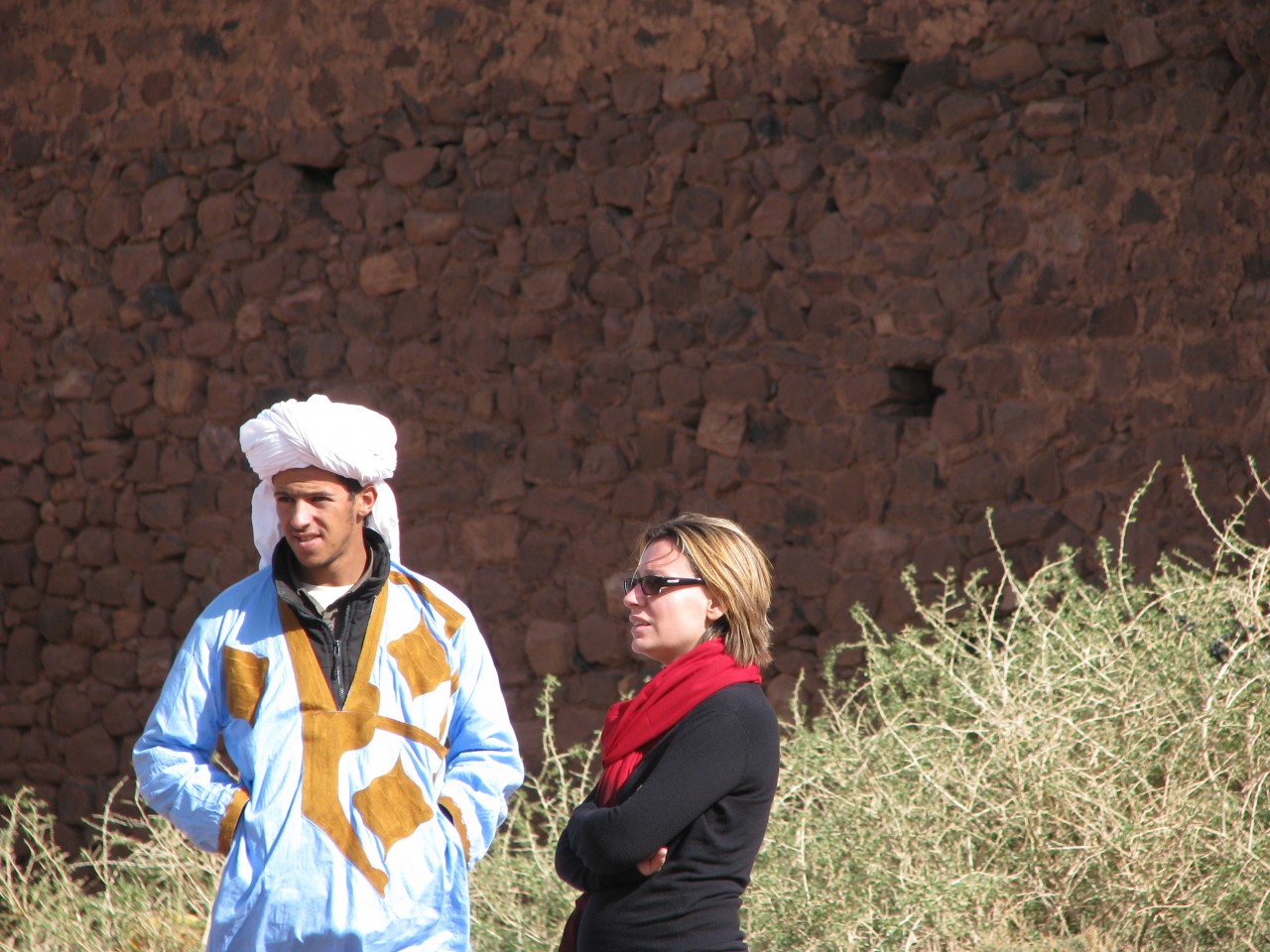
The palace stands just outside the small village of Télouet, where you can easily find a guide who, for a few dirhams, will unlock the doors and walk you through the village, telling its history. I met Malik by the communal oven, where his mother was baking batbout and other Moroccan breads. Télouet, he told me, was always a strategic village in the Atlas, on the old merchant-caravan route near the salt mines. What can I say of the palace itself? Without question the most beautiful fortress I have ever seen. It is built in the local pisé, the amalgam of mud, straw and pebbles, its exterior carved with Berber motifs, its interiors finished with stucco, zellige and gorgeous inlaid moucharabieh. Wandering the concubines’ apartments and the council chamber with its Moorish window-arches, it was impossible not to picture whole novels unfolding.
Aït Benhaddou and Taourirt
I left Télouet reluctantly. A few kilometres on lies the famous, outwardly flawless Kasbah Aït Benhaddou, a fairytale sandcastle among almond trees, streams and dunes. Breathtaking, rightly a UNESCO World Heritage Site, and chosen as a backdrop for many Hollywood productions.
Only a single Berber tribe, a few dozen people, now lives in the fortress, tending the flow of visitors who long ago replaced the caravans that once traded gold and ivory across the Sahara. I will admit to a certain unease in its historic heart, and it is an unease I have come to take seriously in my work: the honest question of how much genuine benefit reaches a community like this from the crowds who pass through, myself among them. It is not a reason to stay away, but it is a reason to travel thoughtfully, to buy from the cooperatives, hire the local guide, spend the night, and leave something real behind. Passing without stopping, in any case, is impossible: the beauty of the place stops you where you stand.
A little further is the kasbah of Taourirt. It was clearly once magnificent, but it has been turned into a tourist resort in a way that has stripped it of its charm and its soul, a sort of small theme park. That one genuinely saddened me.
The last stage of my little loop was Ouarzazate itself, in the Dadès valley, one of the gateways to the Moroccan desert, on the border between farmland and bare stone. Founded by the French in 1928, it found fame only recently, when the government made it the home of the Moroccan film industry, the “Ouallywood” of the Atlas.

Practical notes
- I hired a car in Marrakech, on Boulevard Zohra near the Koutoubia, and paid for car and fuel in the region of a few hundred dirhams for the trip; check current rates, as prices have moved on since. A car is what makes doing this independently possible.
- I stayed at Kasbah Itran, outside Ouarzazate in the Vallée des Roses, a genuinely magical place run by the Berber Taghda family, whose daily work and wider project deserve real admiration. As ever, check current details before relying on any one name, but their photo gallery alone is persuasive.
Bon voyage!
Further reading
- Where this trip began: a long weekend in Marrakech
- The ritual of Moroccan mint tea, drunk at every stop
- Essaouira, the white city on the Atlantic coast
Frequently asked questions
It is about a four-hour drive south from Marrakech over the High Atlas via the Col du Tichka pass (over 2,000 m). You can go on an organised day tour, but hiring a car and going independently, with a night in a kasbah, gives you far more freedom to stop at Télouet, Aït Benhaddou and the women’s cooperatives along the way. The mountain road is winding, so allow time.
The highlights are Kasbah Télouet (the lavishly decorated Glaoui palace), the UNESCO-listed Kasbah Aït Benhaddou, the kasbah of Taourirt, and Ouarzazate itself, home of Morocco’s film studios. The Vallée des Roses and the Dadès valley, gateway to the desert, are beautiful bases, and the mountain scenery over the Tichka pass is spectacular.
Yes. Aït Benhaddou is one of the most beautiful and best-preserved earthen kasbahs in Morocco, a UNESCO World Heritage Site and a famous film location. Only a few families still live within it. To make your visit count for the community, hire a local guide, buy from local cooperatives and, ideally, stay overnight nearby rather than just passing through.
Spring and autumn are ideal for comfortable temperatures. Be aware that the Tichka pass is high and can be far colder than Marrakech, dramatically so out of season, so bring warm layers even if the city is hot. Winter can bring snow to the pass; midsummer is very hot at lower elevations.
Yes, if you can. The women’s argan and weaving cooperatives established across the Atlas provide income, literacy classes and access to healthcare in rural areas, and the products (argan oil, carpets, cosmetics) are high quality. Buying directly from them is one of the most meaningful ways to make your visit benefit local communities.