
Italy is not a theme park with pasta props. It’s a country where food is identity, geography, and a mildly competitive sport. And yes, some places are designed to catch hungry visitors at their most vulnerable: right after a cathedral climb, when you would honestly eat a shoelace if it came with olive oil.
Here’s how to spot the classic tourist traps, how an Italian meal actually works, what to order where, how to think about fish, and what to do about tips, timings, and the mysterious “coperto”.
The “run if you see this” checklist
These signals don’t guarantee a bad meal, but if you spot several at once, you are probably paying for the view, the convenience, and the illusion.
1) A menu in 4+ languages
If the menu is in Italian, English, French, German, Spanish and possibly Klingon, the main customers are tourists. Real neighbourhood places might have an English version, especially in big cities, or a French or German one, according to the area you are visiting (German on the Garda Lake or French in Piedmont), but they will not be built around it.
What to do instead: look for a menu primarily in Italian, with maybe a small English insert or a QR code translation.
2) Photos of every dish
In Italy, food is not sold like fast fashion. Photo-heavy menus usually mean mass production and low expectations. In the last few years, bars have converted into “restaurants” serving frozen or pre-cooked dishes, and they usually catch your attention with photo menus… a bit cheaper than proper restaurants, but with no quality.
3) “Spaghetti Bolognese”
Bologna does not do “spaghetti bolognese” in the way the tourist imagination expects. The classic pairing is ragù with tagliatelle, and there is a whole cultural universe behind that. If you see spaghetti bolognese everywhere, you are in a place that is selling familiarity, not tradition.
4) “Chicken Parmesan” or “Fettuccine Alfredo”
These are Italian-American dishes. You might love them, and that is fine, but they are not the reason you came to Italy. If you find them on a menu, you are the target.
5) “Pepperoni pizza”
In Italian, peperoni means bell peppers. If you order a pepperoni pizza expecting spicy salami, you are setting yourself up for a minor existential crisis.
If the restaurant offers “pepperoni pizza” in the American sense, it’s actively catering to a foreign expectation.
6) Someone outside trying to bring you in
The “friendly guy with the menu” can be a nice person, but the system is often commission-based. If a place needs a recruiter at the door in a highly touristed area, it rarely screams quality.
7) It is exactly next to a major monument
High rent means tourist pricing. Sometimes you can still eat well near major sights, but you have to be more careful. The safest move is to walk 8–12 minutes away from the main monument zone and try again.
8) Antipasto over €15
This depends on the city and the context, but as a general rule: if a basic antipasto is wildly expensive, the place is pricing for tourists.
A fair range in many areas is €8–12 for a standard antipasto. If you are ordering something special (seafood antipasto, premium cured meats, a tasting board), it can go higher, but it should make sense.
9) Bread costs €3+ per person
This is where people get confused. In Italy, you often pay coperto, a small per-person cover charge that includes bread and table service. That is normal.
What is not normal is a “bread charge” that feels like a separate scam layered on top, especially when it is high and unexplained.
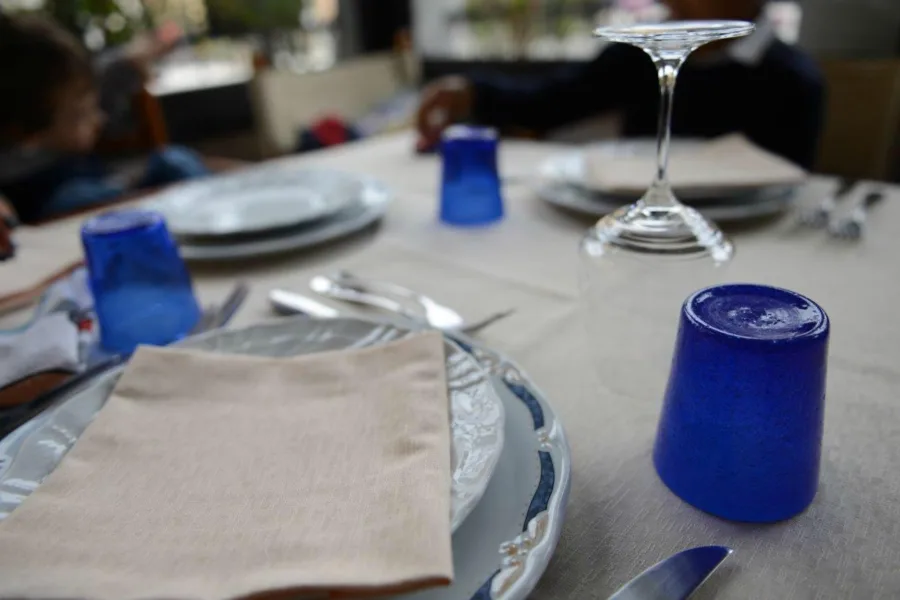
Reasonable ballpark for coperto: €1–2.50 per person in many places with no proper elegant tablecloth, napkins, or cutlery sets. A pizza place, for instance, usually has paper napkins, a standard pizza knife and a fork, and that’s their average coperto. Big tourist cities can be higher. If it feels aggressive, it probably is. €3–6 per person in fancy, elegant restaurants can be expected.
10) “Pizza Hawaii”
Just no. Italy is not emotionally prepared for pineapple on pizza, and neither are most Italian pizzaioli. If a menu leans heavily into gimmick pizzas, it is not a place that cares deeply about pizza.
How an Italian meal works
Italian dining is not designed for speed. It’s designed for pleasure, conversation, and the gentle art of “we could leave, but why would we?”
A traditional menu is structured like this:
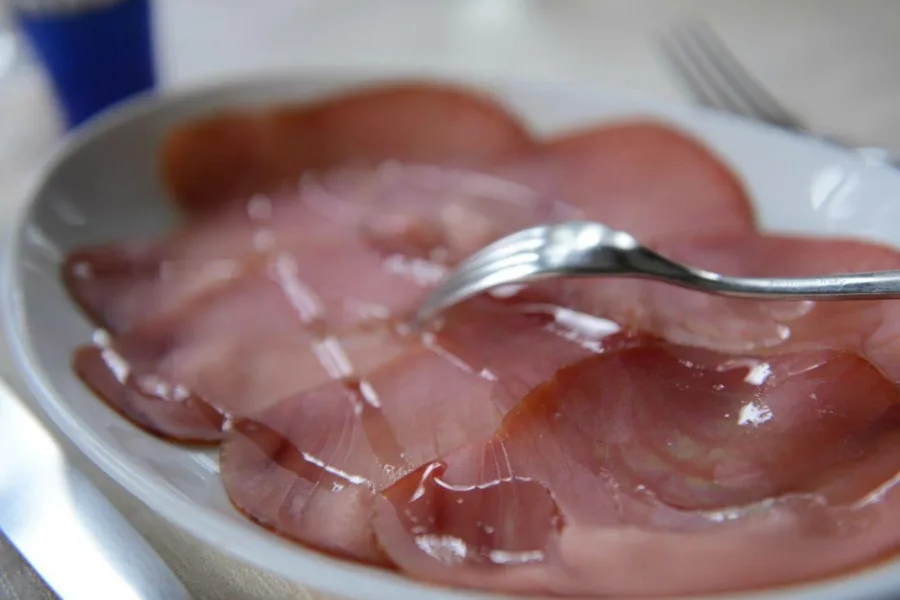
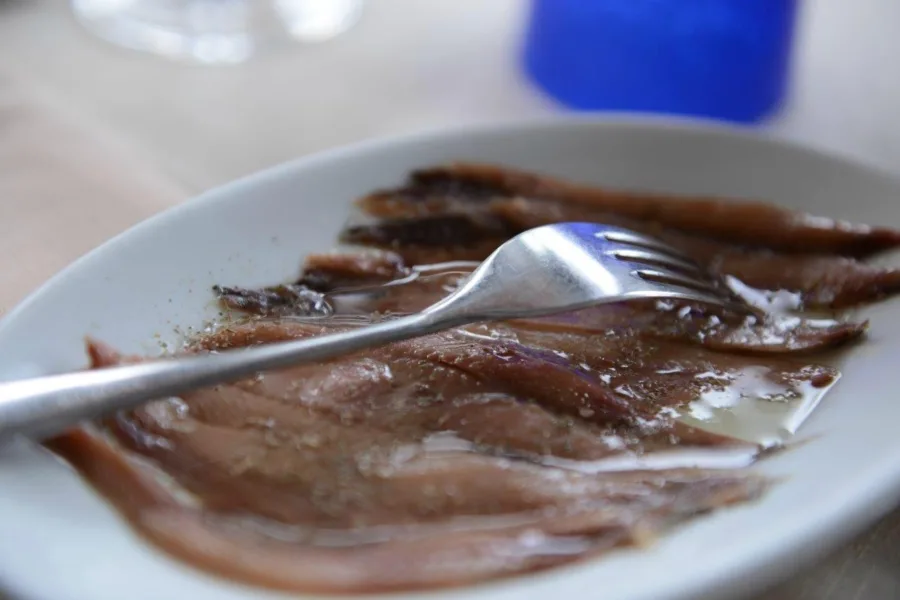
- Antipasto: starters, cold or warm, often regional (cured meats, vegetables, seafood, crostini).
- Primo: pasta, risotto, soup, gnocchi. This is a full course, not a side.
- Secondo: protein course, meat or fish.
- Contorno: side dish, usually vegetables, ordered separately.
- Dolce: dessert.
- Caffè: espresso, usually after dessert.
- Digestivo: optional, often offered (with a full meal or to loyal customers) or ordered at the end.
What you should order, practically
You do not need to order every course. Italians often do:
- antipasto + primo
or - primo + secondo
or - antipasto + secondo
If you want the most “Italian” rhythm without overdoing it: primo + a shared secondo or antipasto, then dessert if you feel like it.
Always choose regional dishes
This is the simplest rule that saves the most dinners.
Italy is a mosaic of regional cuisines. If you are in Rome, lean Roman. If you are in Naples, lean Campania. If you are in Bologna, lean Emilia-Romagna.
A restaurant with a menu that tries to do “everything Italian” is often doing nothing particularly well.
A quick example of how to think
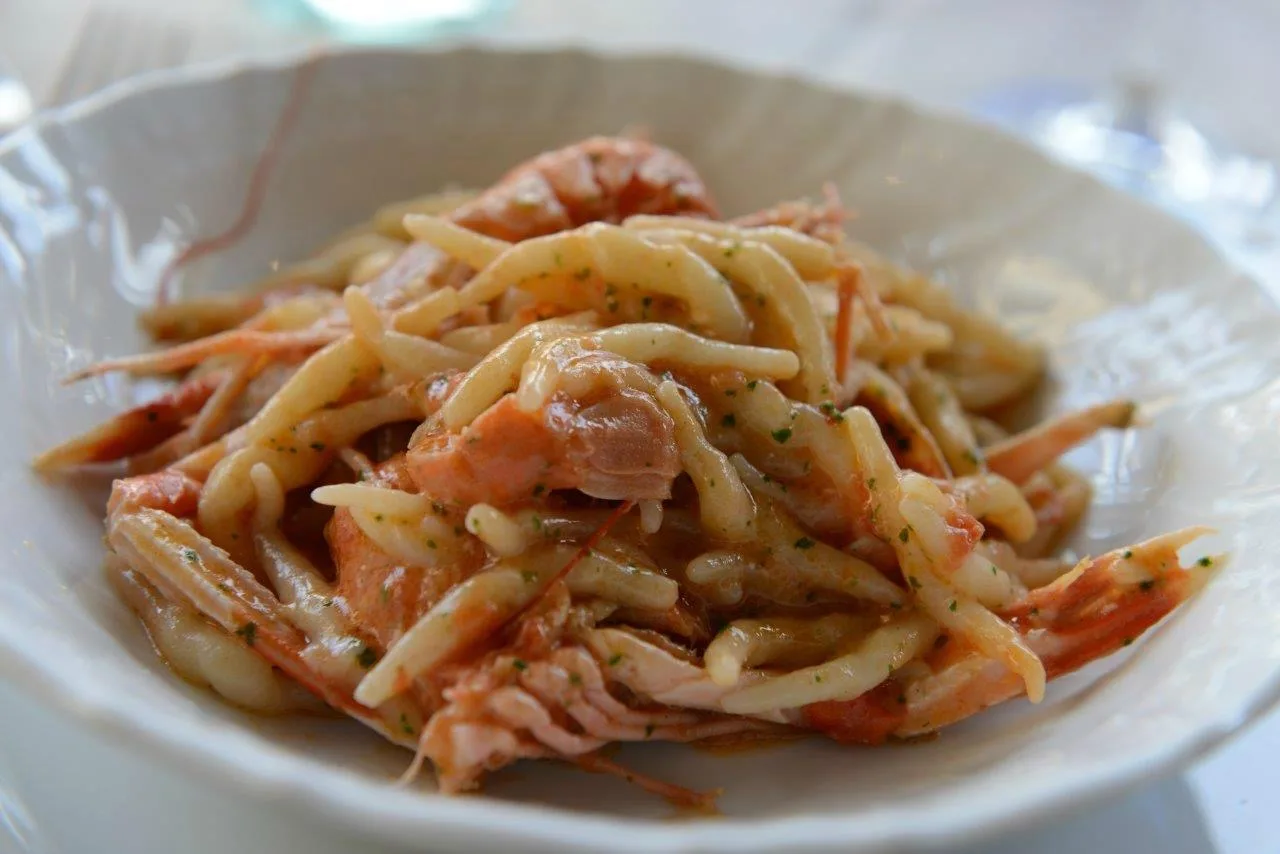
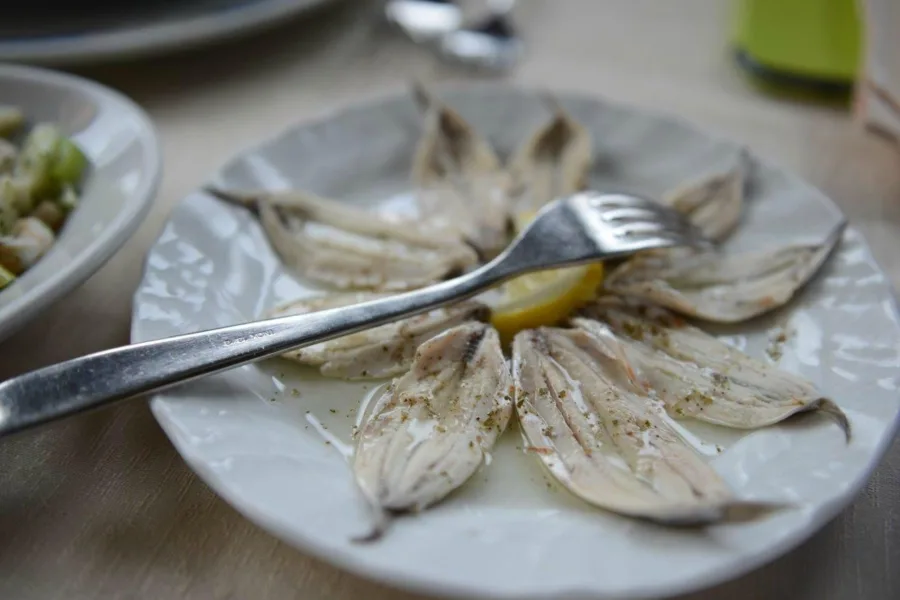
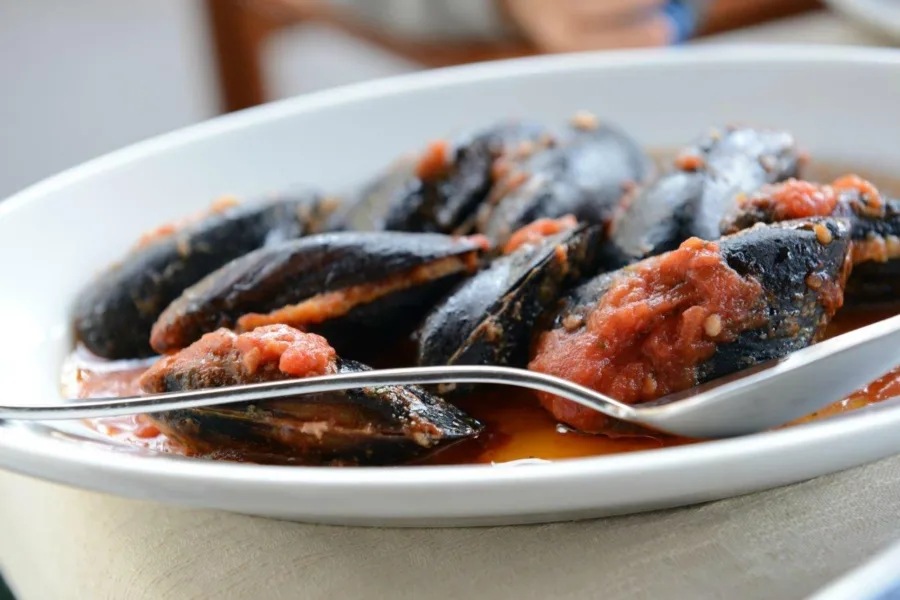
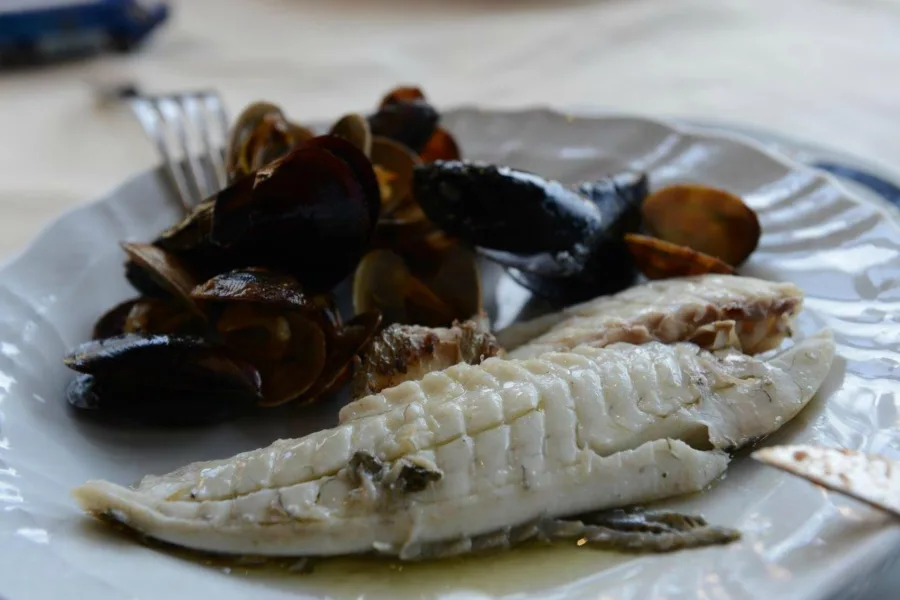
- Coastal town: seafood, anchovies, local pasta shapes, simple sauces
- Mountain areas: game, mushrooms, polenta, hearty soups
- Big cities: you can find everything, but the best places still have a regional core
Fish in Italy: fresh, frozen, farmed and how to spot the difference
This matters, especially in tourist zones where seafood can become an expensive illusion.
The honest truth
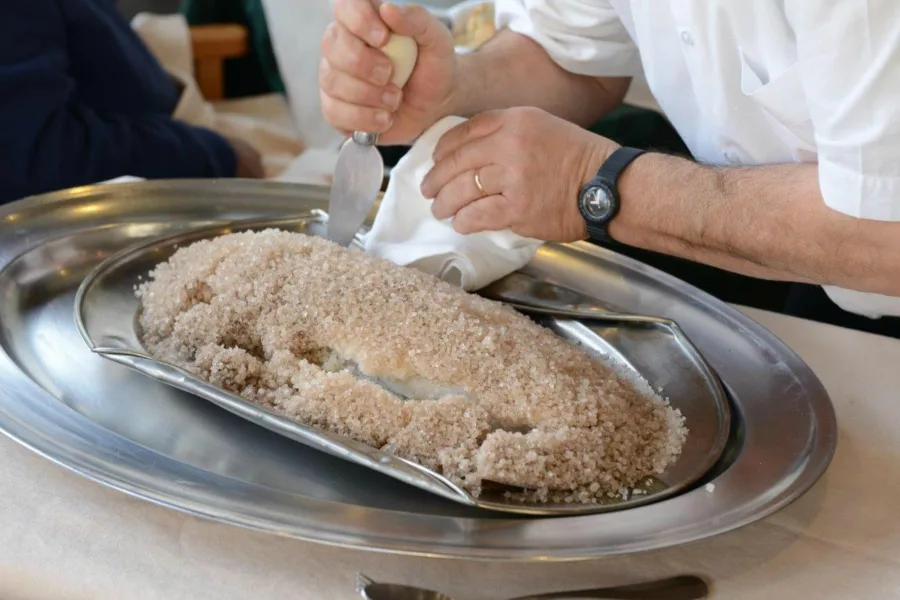
Even excellent restaurants sometimes use frozen fish for safety or availability. In the EU, restaurants are often required to disclose if fish has been previously frozen. You might see wording like “prodotto abbattuto” or notes about freezing, especially for raw preparations.
What you should look for
- A menu that specifies “pescato del giorno” (catch of the day)
- A short, changing seafood list, not 25 seafood options every day of the year
- Staff who can tell you what is fresh today without improvising theatre
My practical advice
If you care about seafood quality:
- choose places that focus on fish and do it properly
- avoid “mixed grill of frozen everything” places in ultra-touristy zones
- ask: “È pescato o allevato?” (wild-caught or farmed?) and “È fresco oggi?” (is it fresh today?)
A good place will answer calmly and clearly.
Meal times in Italy, and why you might be hungry at the “wrong” hour
Italy has patterns, and they change from north to south.
Typical meal times
- Lunch: roughly 12:30–14:30
- Dinner: roughly 19:30–22:30
North vs South
- In the north, dinner often starts earlier, especially in smaller towns: 19:00–21:00 is common.
- In the south and in hot months, dinner shifts later: 20:30–23:00 is normal, sometimes even later in summer.
Survival tip for travellers
If you eat early, aim for:
- an aperitivo before dinner time
- a merenda (snack) mid-afternoon
This is not cheating. This is adapting.
Tipping in Italy: the calm, sane version
Tipping in Italy is about appreciation, not salary compensation, and it is not mandatory.
In restaurants
- If the service was good: leaving a few euros is appreciated, especially in smaller places.
- You do not need to do 15–20%.
A very normal approach: round up, or leave €2-5 per person for a casual meal, a bit more for exceptional service or a long dinner.
When not to tip
If the service was rude, sloppy, or you were clearly treated as a walking wallet, it is absolutely acceptable to leave nothing.
Taxis and guides
- Taxis: rounding up is common
- Guides: tipping is appreciated for a great experience, but not obligatory
A few extra Italy food rules that will save your trip
- Cappuccino is a breakfast drink. After lunch, Italians usually switch to espresso. If you order a cappuccino after dinner, nobody will arrest you, but you will be quietly filed under “tourist behaviour”.
- “Parmesan on seafood pasta” is not a thing in most regions. If you ask for it, expect a small pause, then a diplomatic smile.
- If a place has locals, families, and people not dressed for Instagram, you are usually in the right direction.
The easiest strategy that works almost everywhere
- Walk 8–12 minutes away from the main monument.
- Look for a short Italian-first menu.
- Order something regional.
- Keep it simple.
- Eat slowly. Italy rewards patience.