


Massa Carrara often gets treated like a corridor between “more famous” places. Which is exactly why I like it. It still feels like a real slice of Tuscany, with the sea nearby, the Apuan Alps rising fast behind town, and marble everywhere in a way that is not decorative but deeply rooted.
If you are planning a trip to northern Tuscany and want somewhere that feels authentic, walkable, and surprisingly rich in stories, here is how I would do it.
Massa and Carrara: two towns, two moods, one identity
People say “Massa Carrara” as if it were a single destination, but it helps to think of it as two connected personalities.
Massa feels elegant and slightly aristocratic, with its squares, long perspectives and a hilltop castle that keeps an eye on everything. Carrara is more rugged and work-shaped, with a stronger industrial memory and a cultural identity centred on marble and the people who have extracted it for centuries.
My best advice is to give time to both, even if you only have one day.
How to get there and how to move around
Getting there
Massa and Carrara sit in a very convenient spot for travellers moving between Liguria, Pisa and Lucca, and the Cinque Terre area. If you are arriving by train, you can base yourself near the main stations and then use local transport or taxis to reach the historic centres, depending on where you stay. If you have a car, the whole experience becomes easier, especially if you want to explore viewpoints and marble-related stops outside town.
Getting around
In the centres, walk as much as you can. Massa’s historic heart is compact and satisfying on foot, and Carrara rewards slow wandering too, especially if you enjoy small architectural details, shopfronts, and local life rather than “big ticket” attractions every ten minutes.
Massa: what to see and why it is worth your time
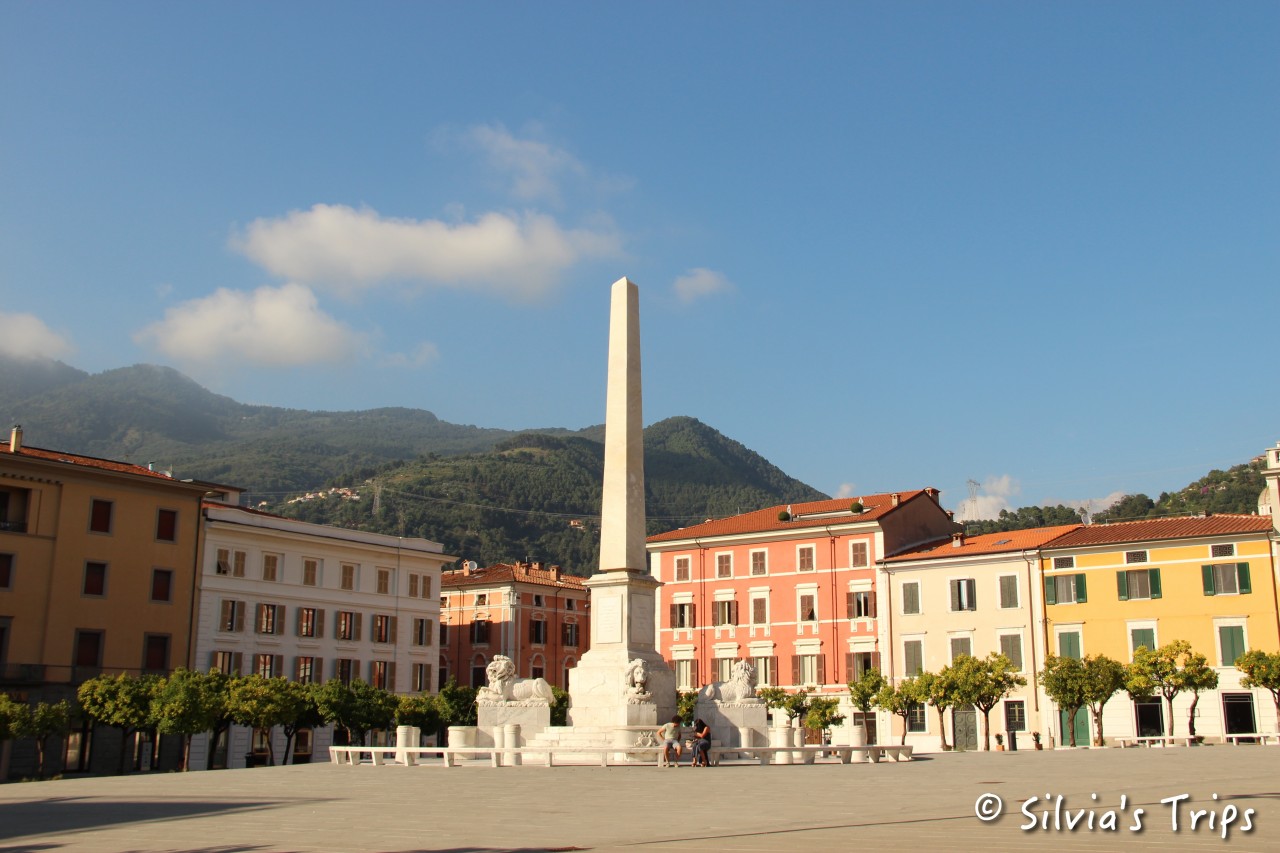
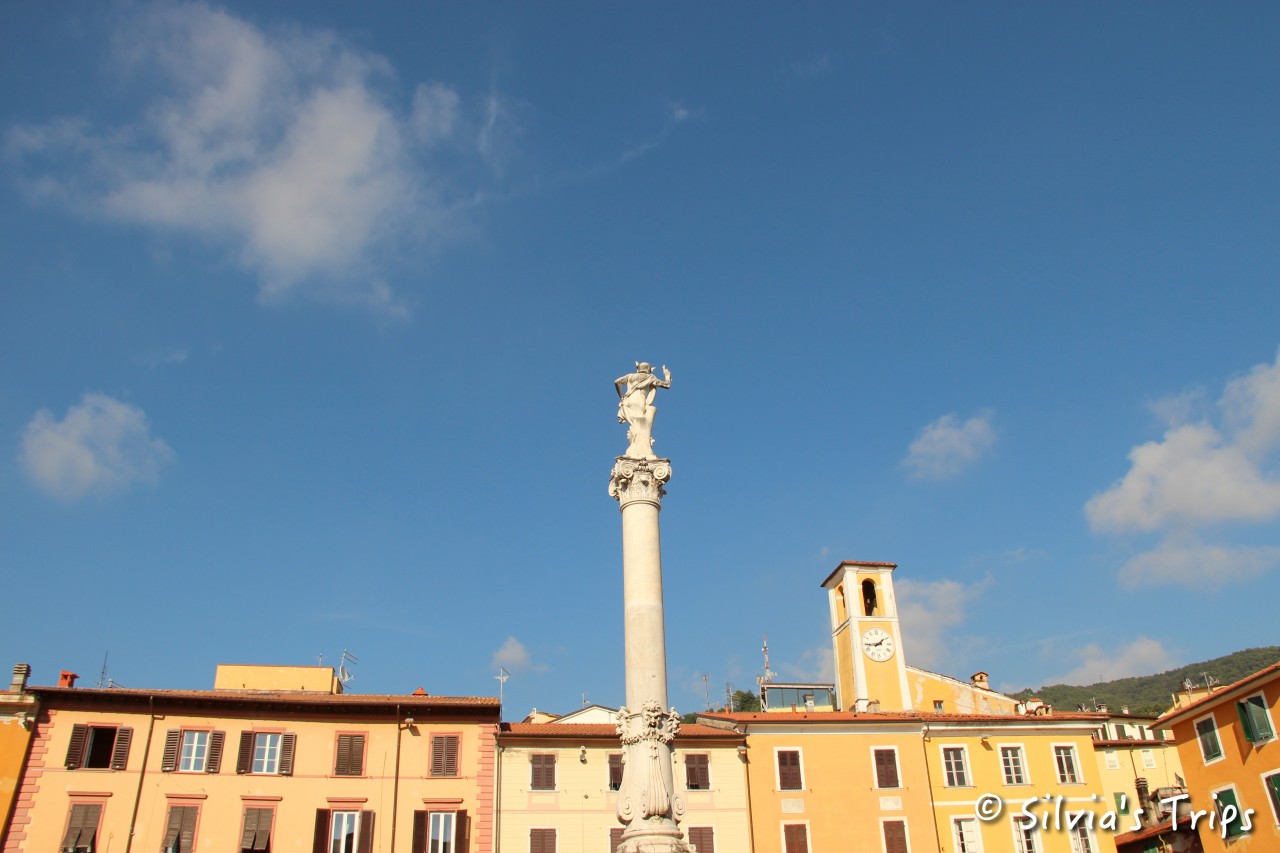
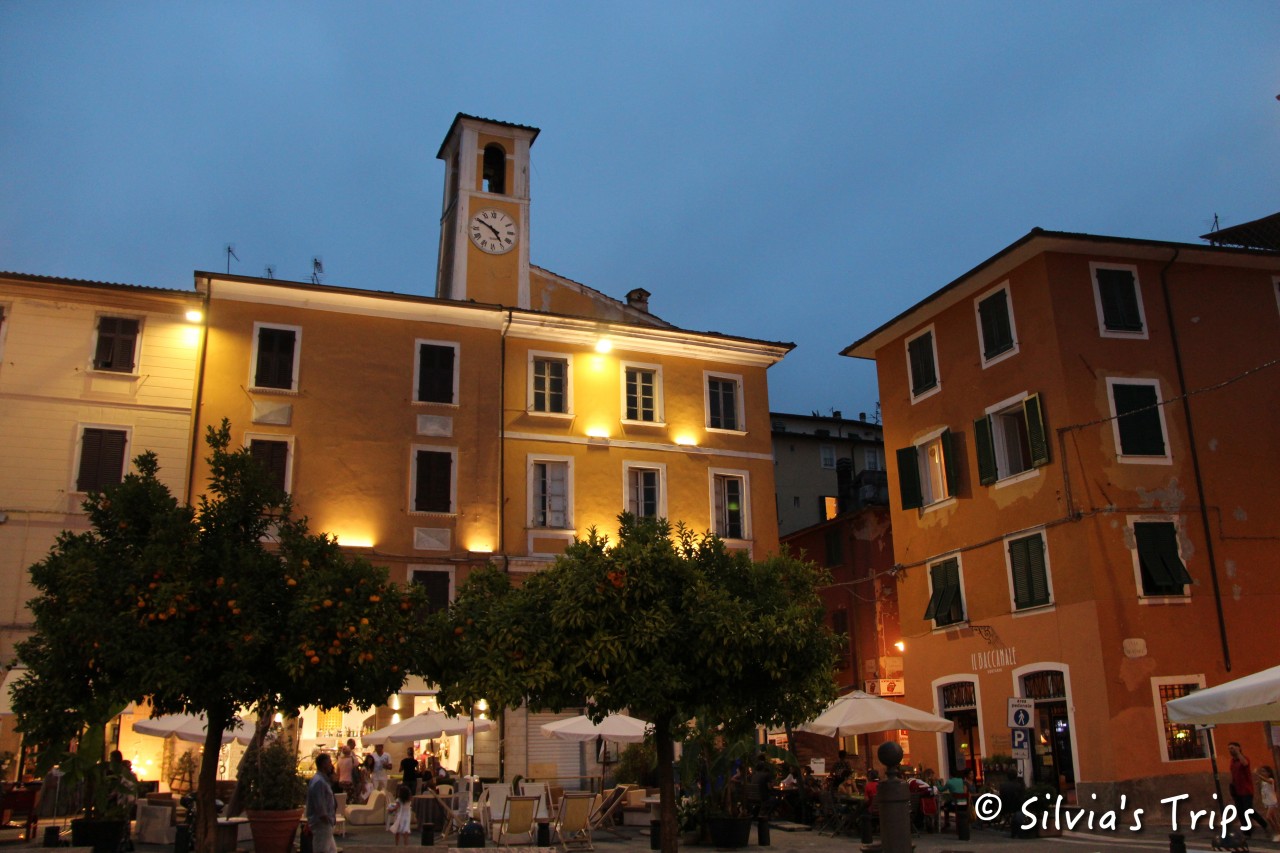
Piazza Aranci: the stage-set heart of the city
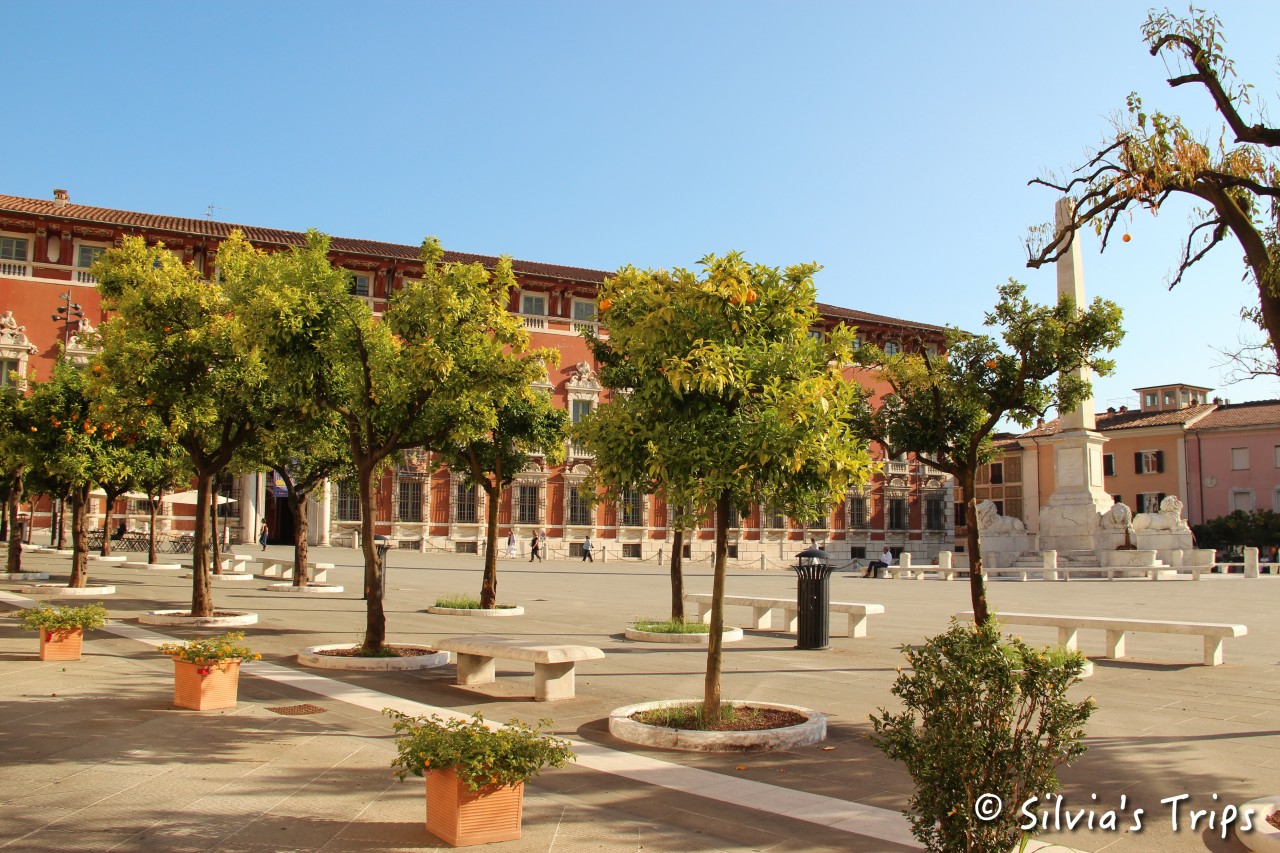
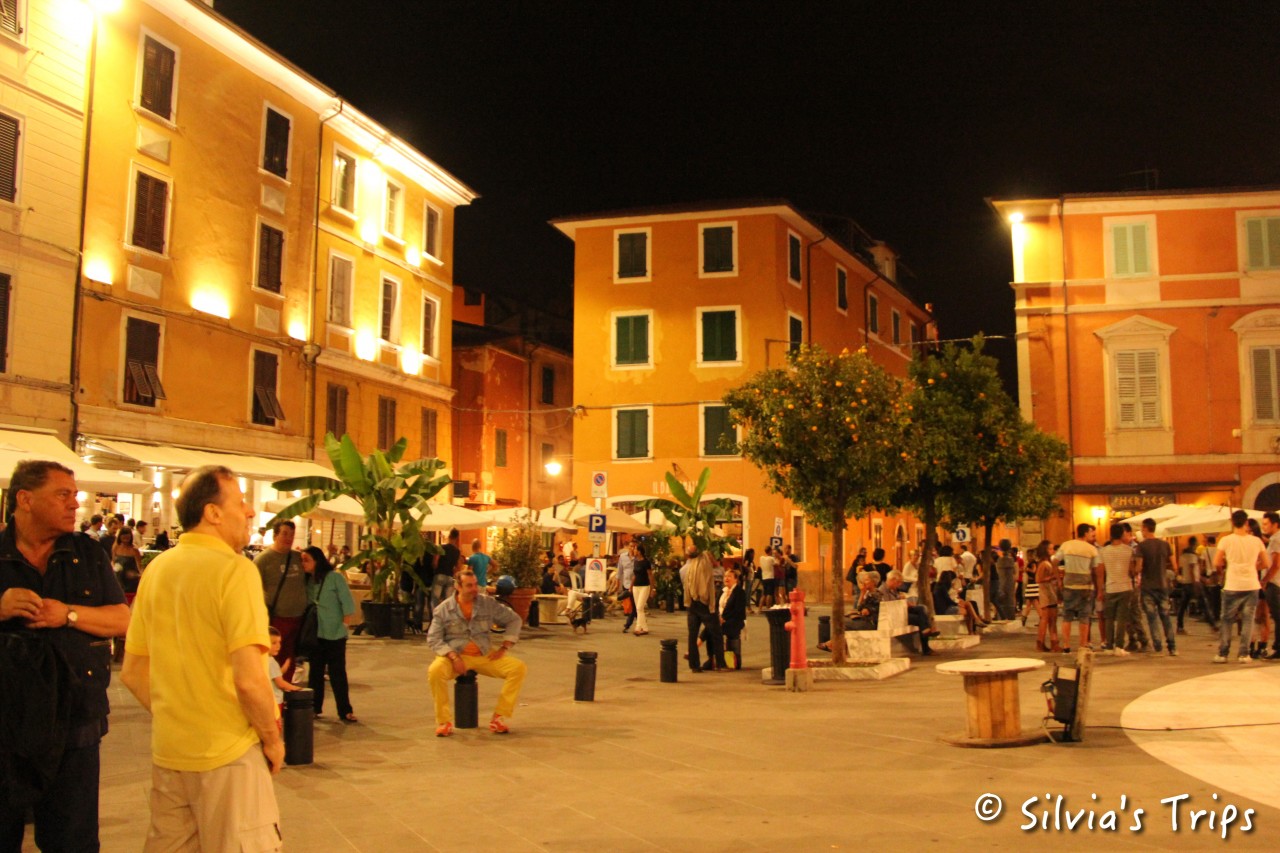
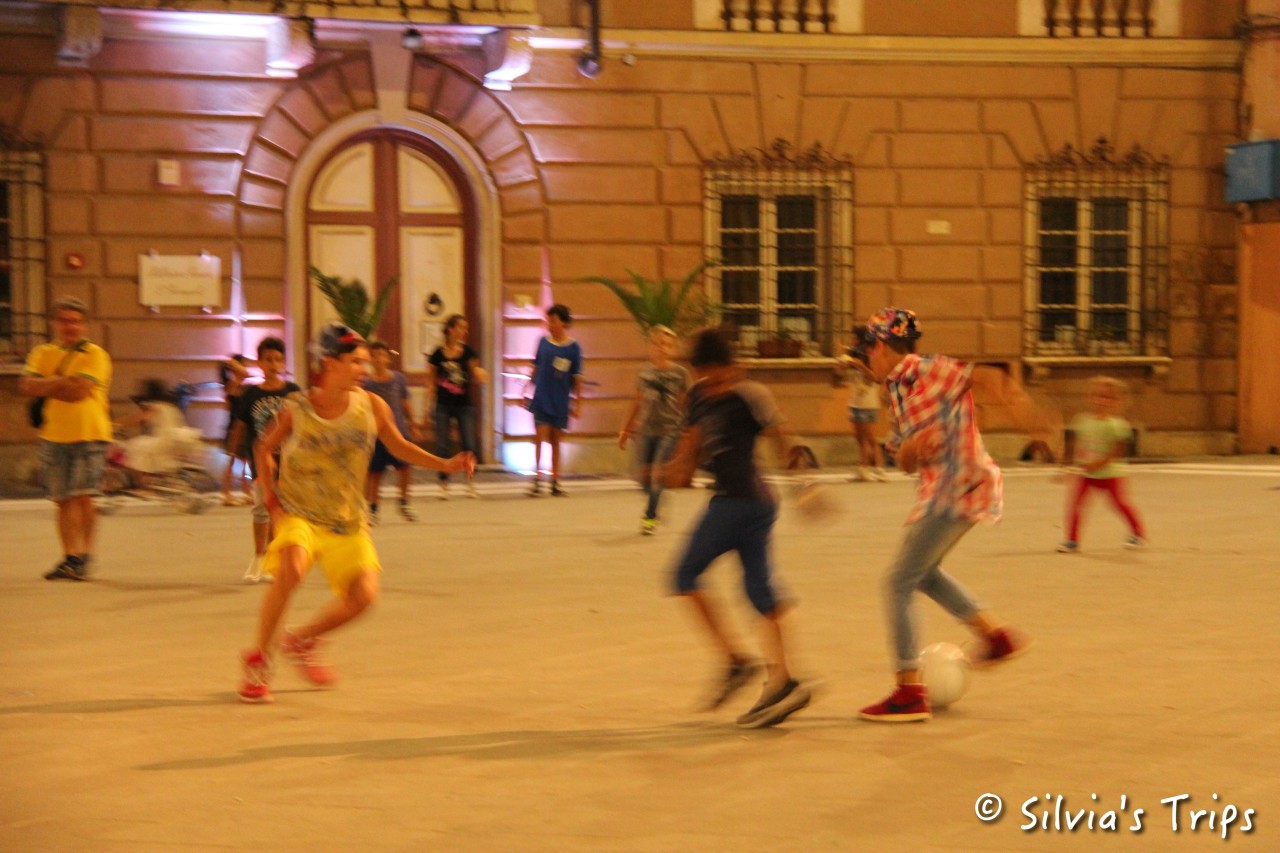
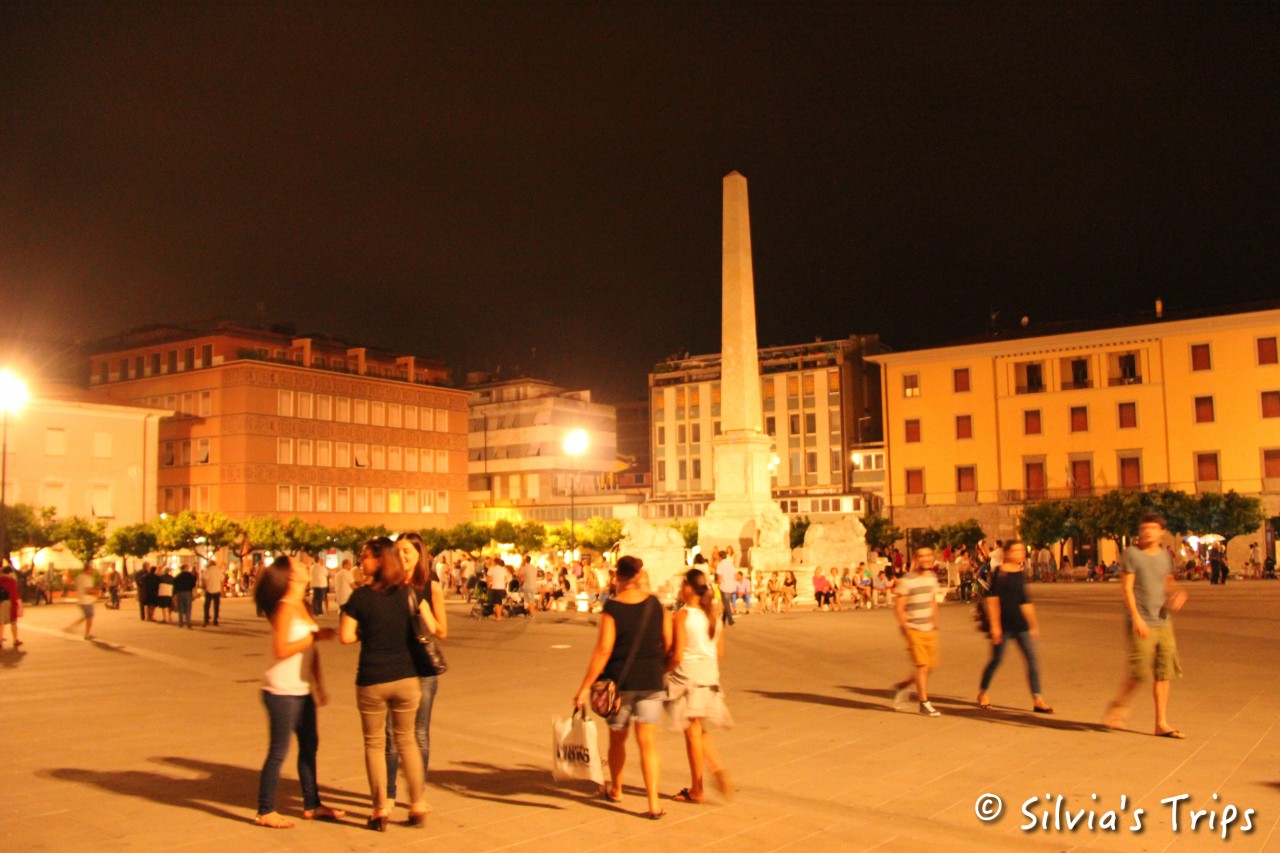
Start from Piazza Aranci. It is one of those Italian squares that feels designed for strolling, pausing, observing. The symmetry, the sense of space, the rhythm of façades, and the name itself, tied to the citrus trees, create a very specific atmosphere. I always think a city reveals itself in its main square, and here the mood is calm, proud, and slightly theatrical.
Palazzo Ducale and the city’s old power lines
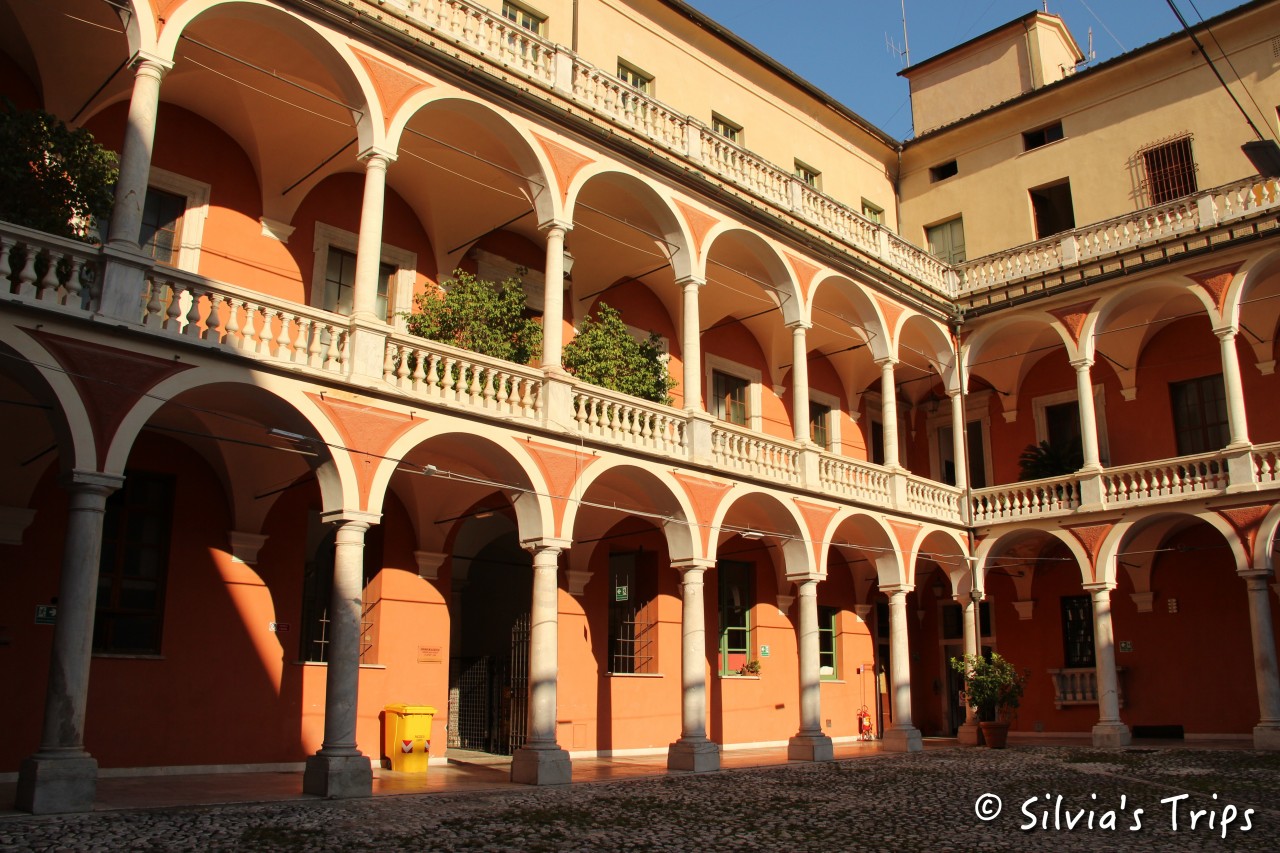
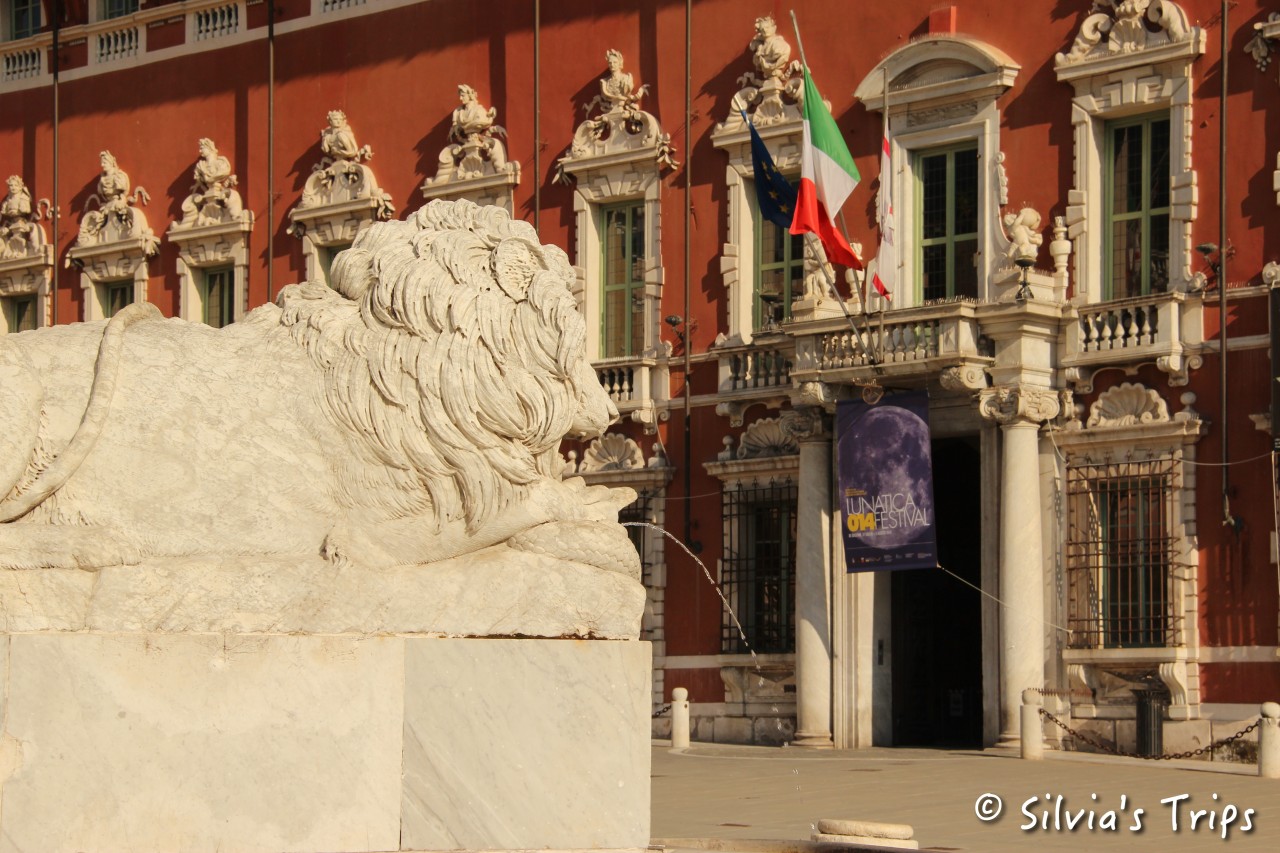
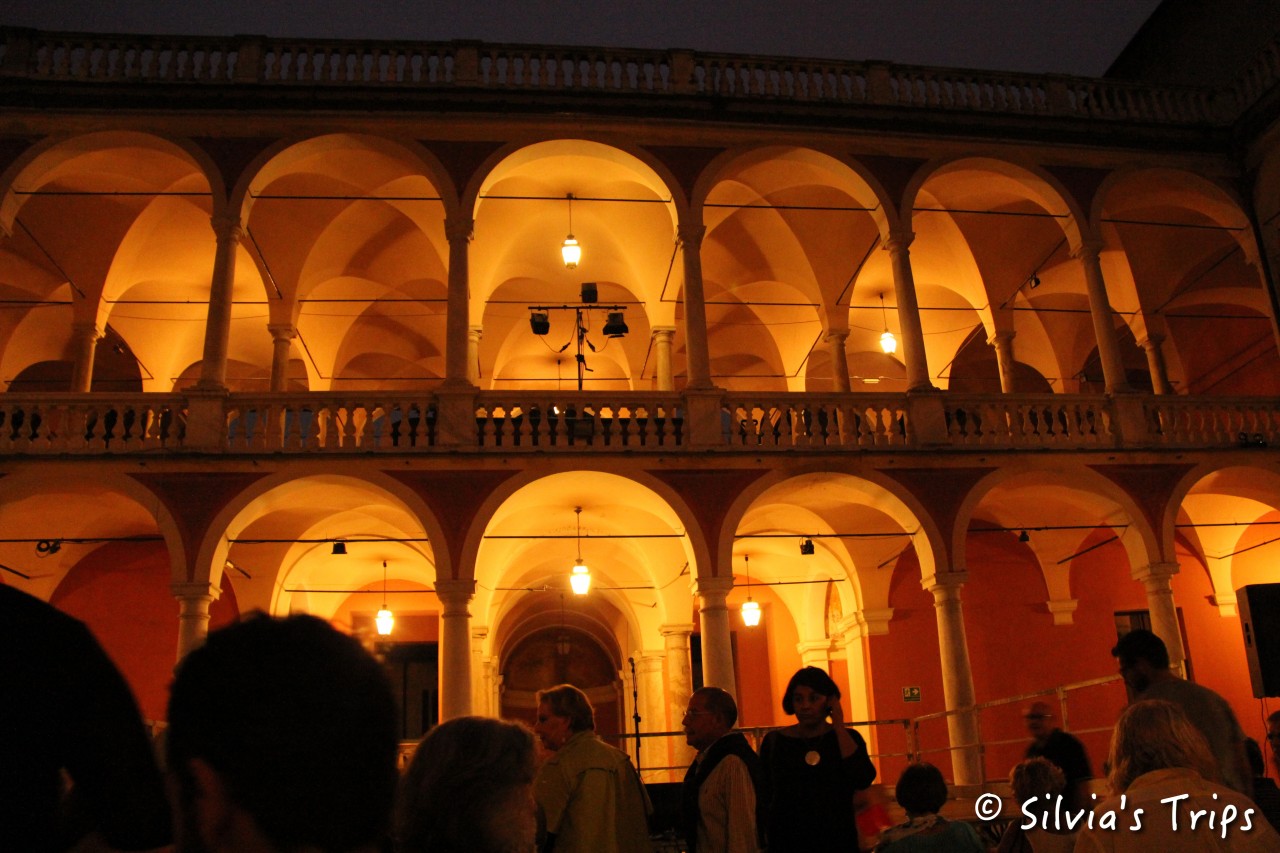
Facing the square, Palazzo Ducale anchors the historic story of Massa as a former ducal seat. Even if you do not go inside, it is worth taking a minute to connect the dots: this was a territory shaped by noble families, alliances, and centuries of strategic positioning between mountains and sea.
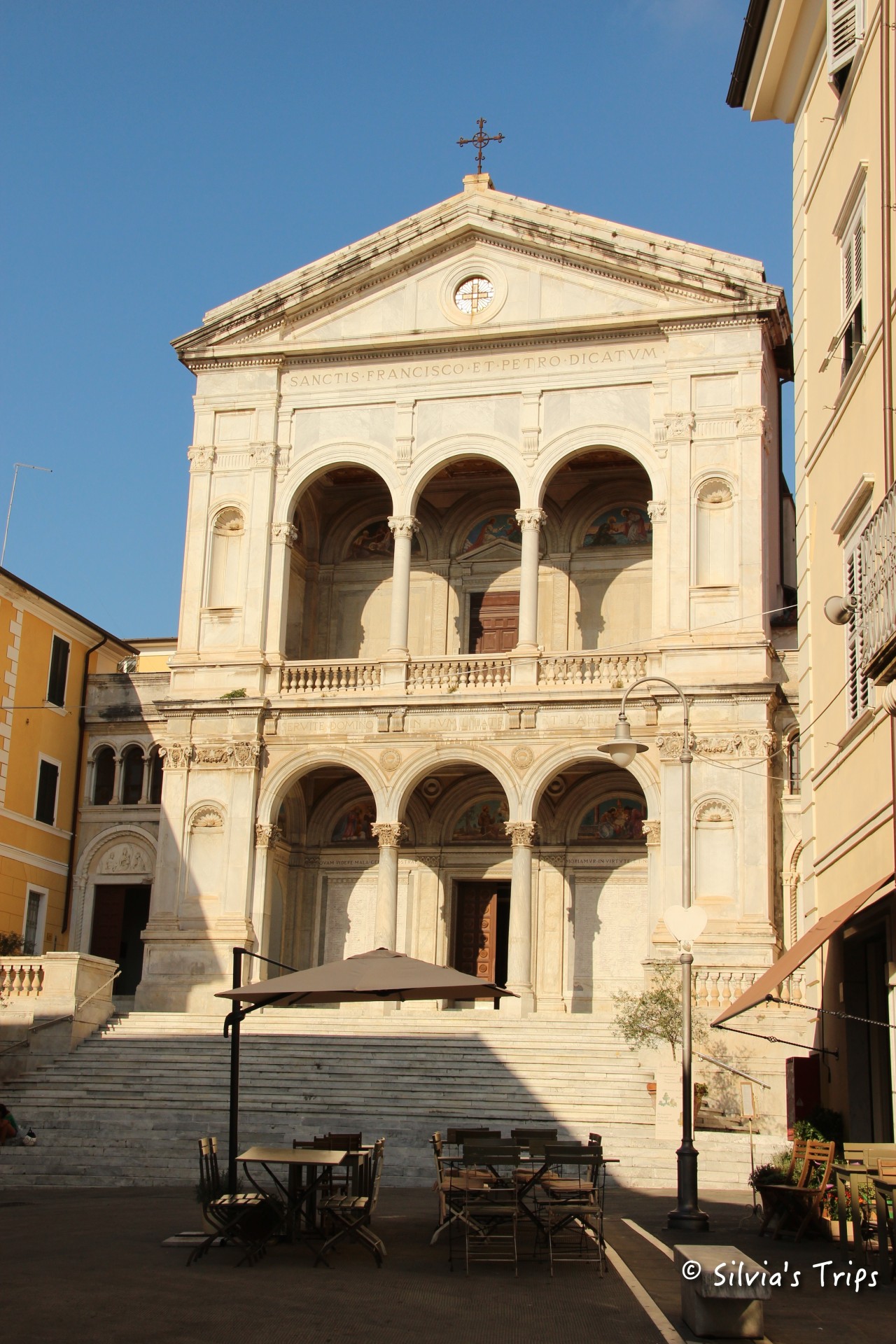
The cathedral and the quiet pleasure of stepping inside
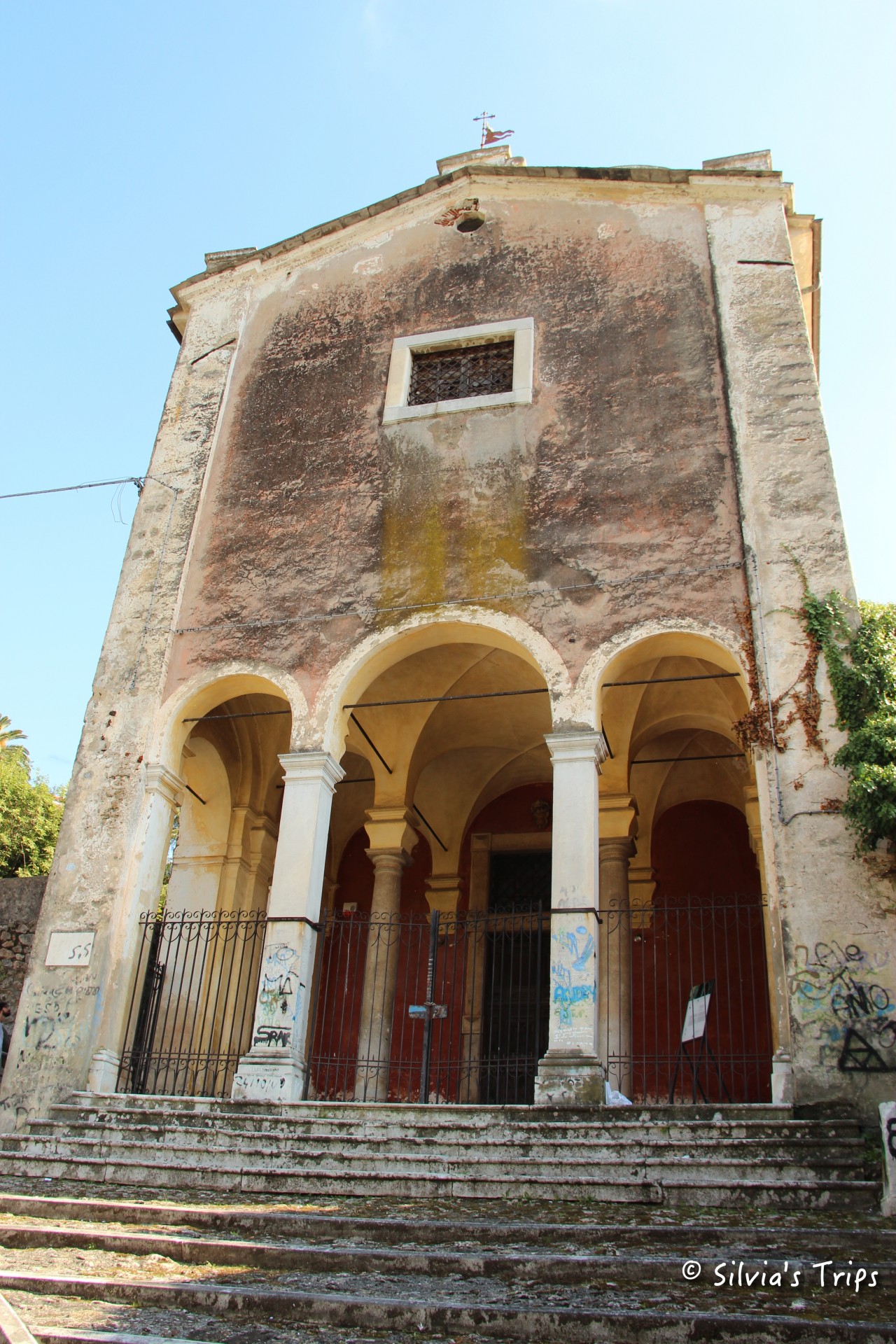
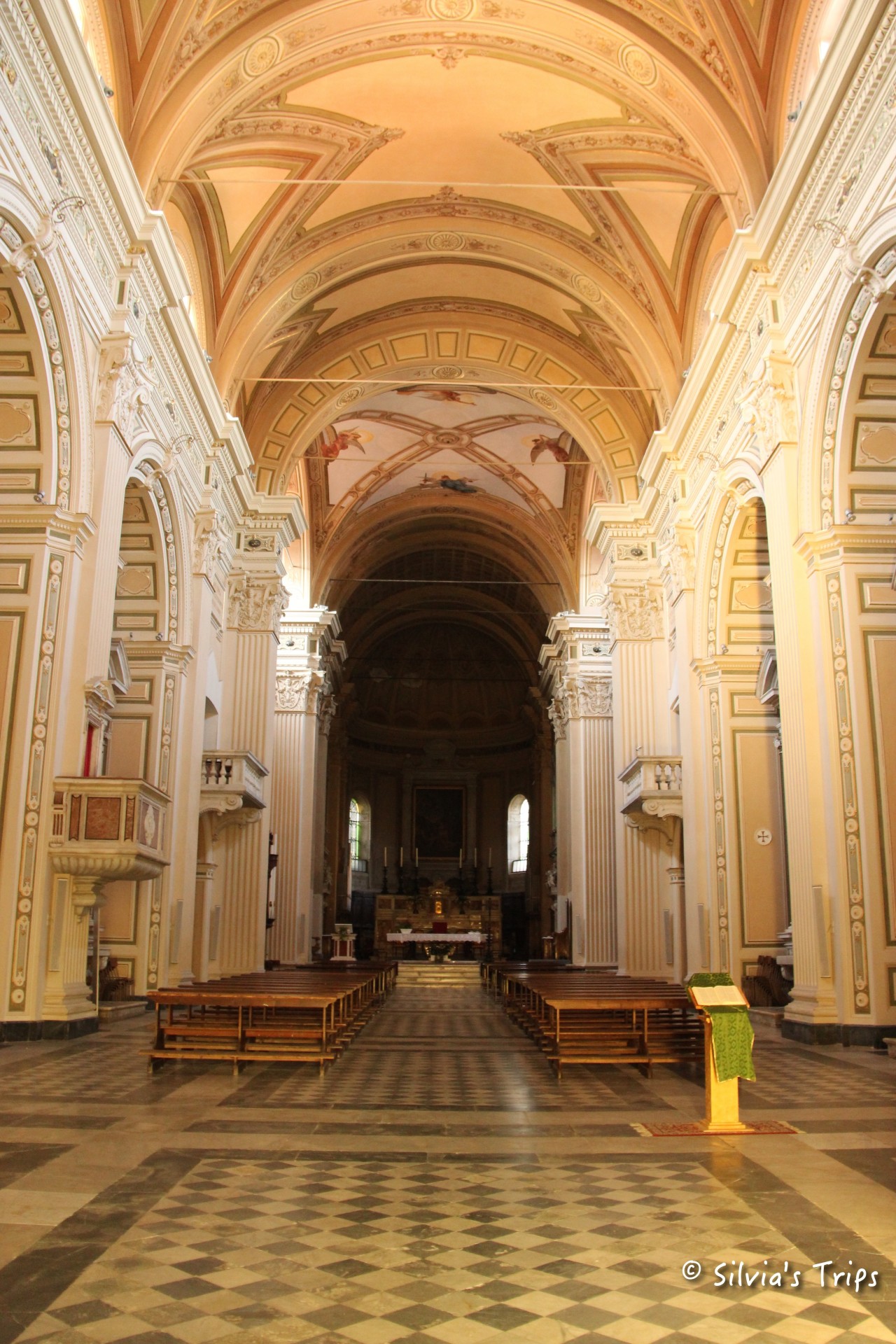
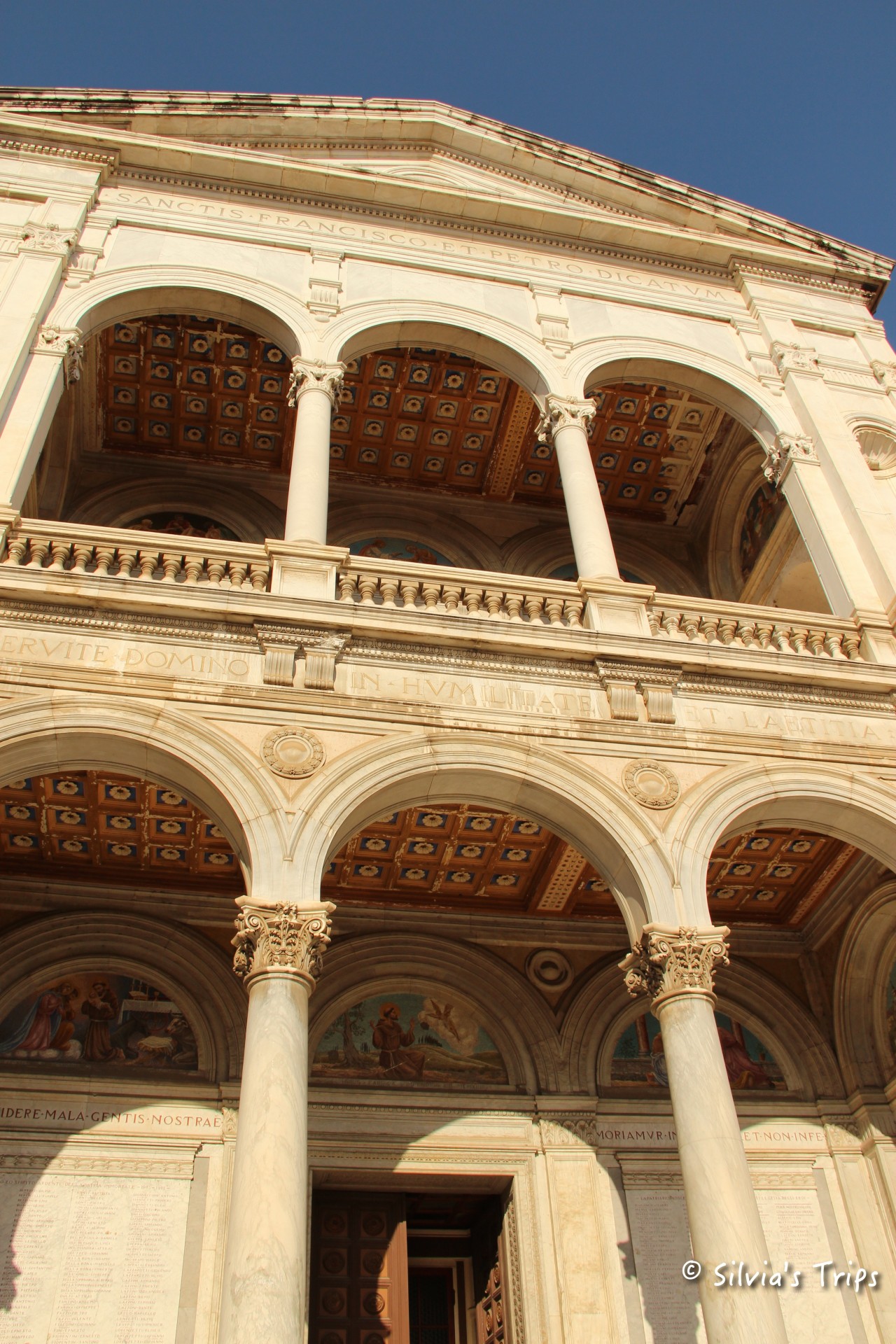
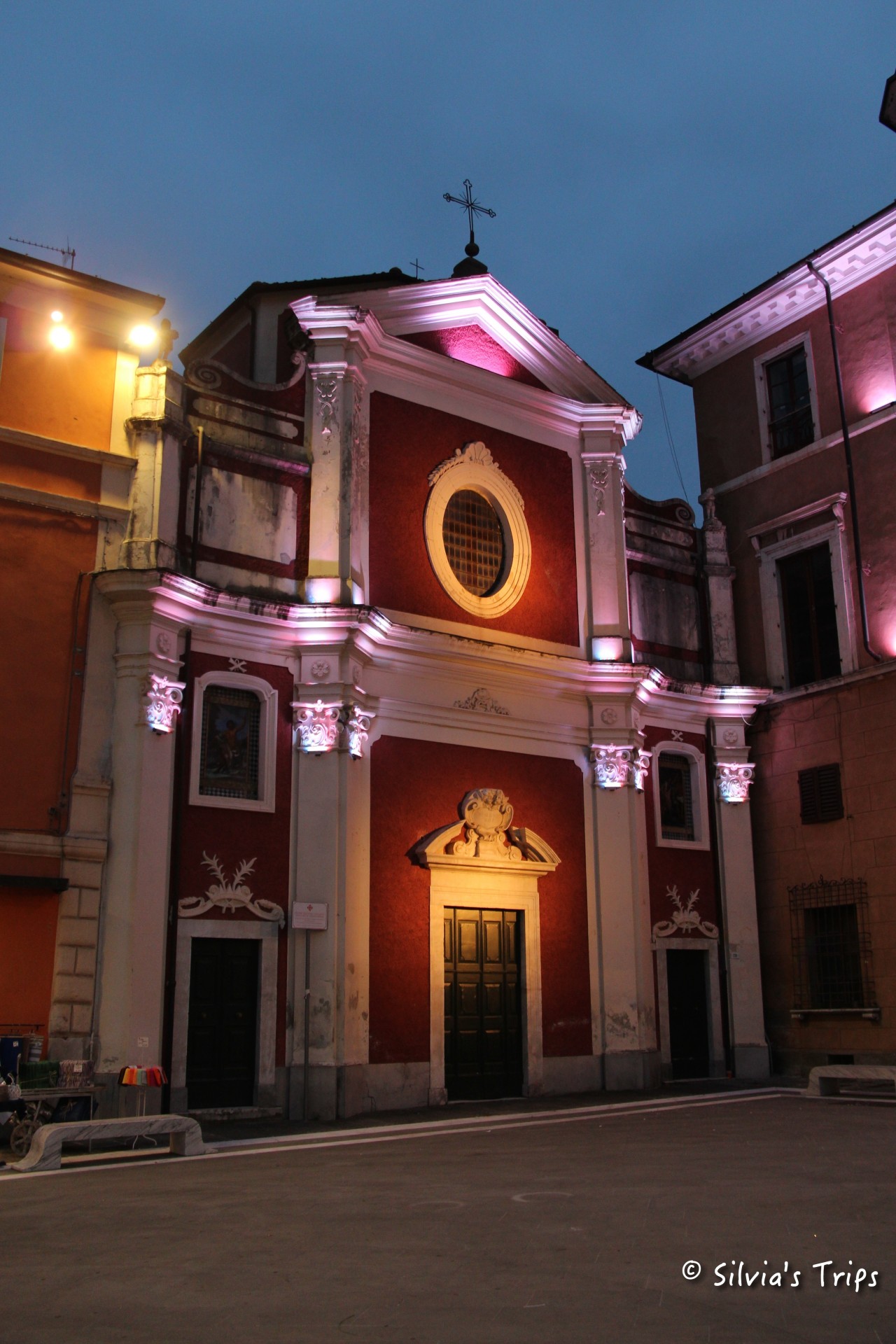
I am always a “go in, even for five minutes” kind of traveller when it comes to churches. Massa’s cathedral is not about shock and awe, it is about layers. You feel the passing of time in the way the building sits in the city, and you get a softer, more intimate reading of local identity.
Castello Malaspina: the climb that repays you
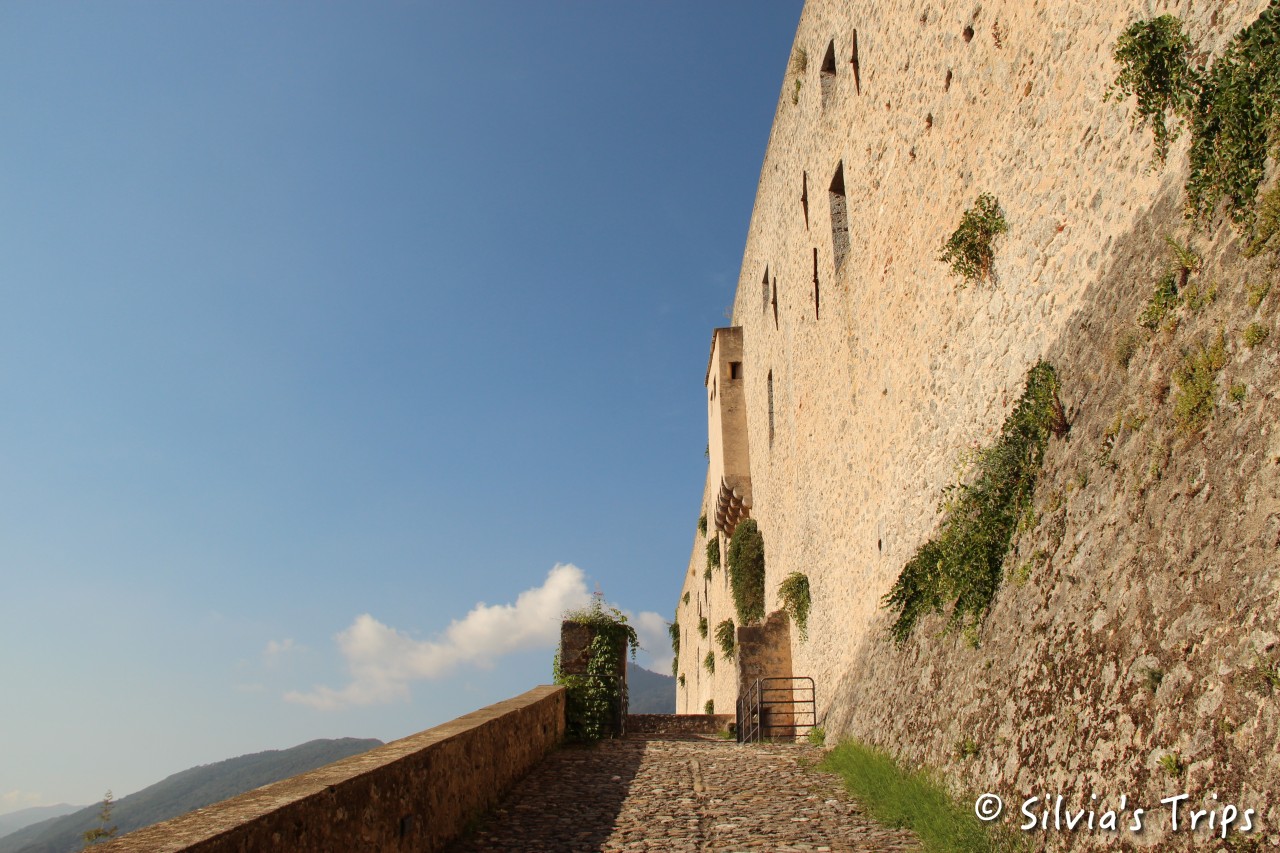
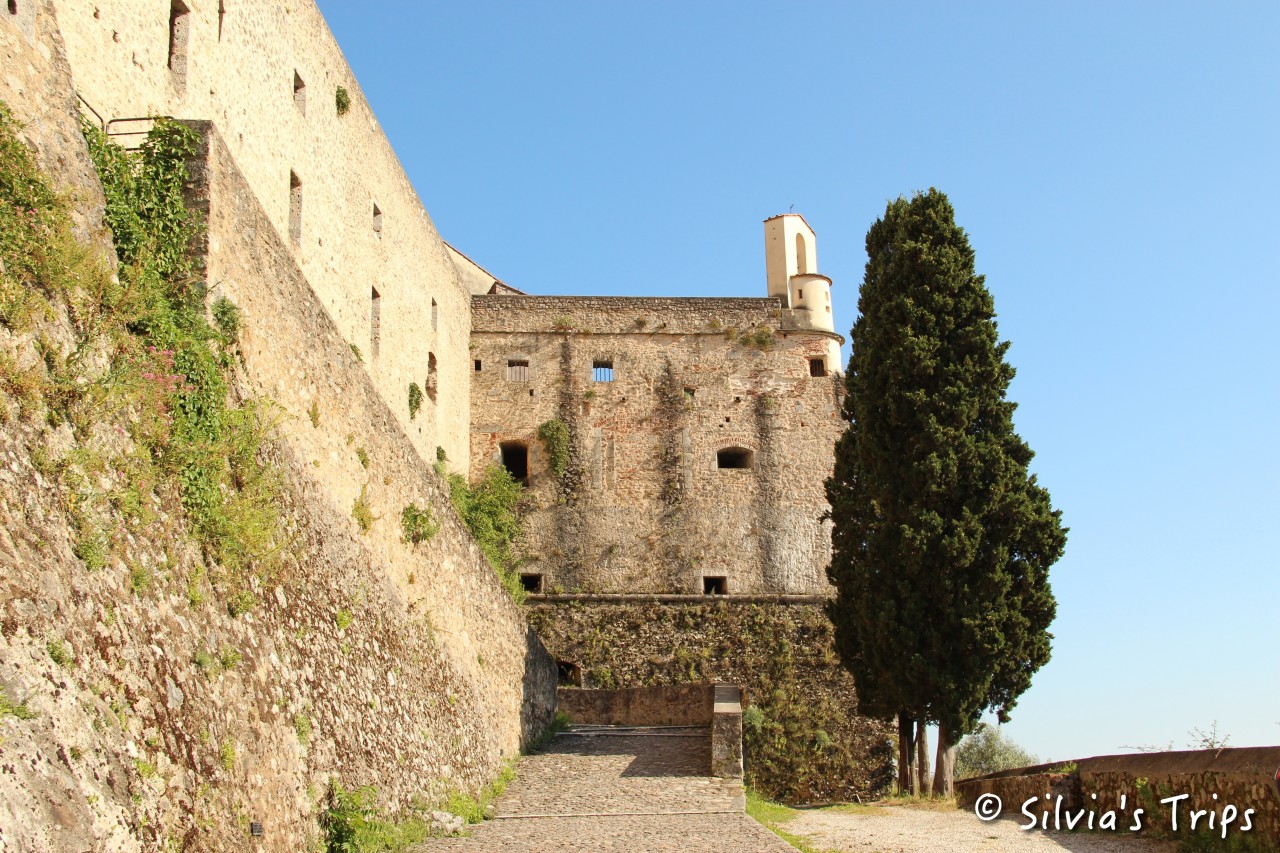
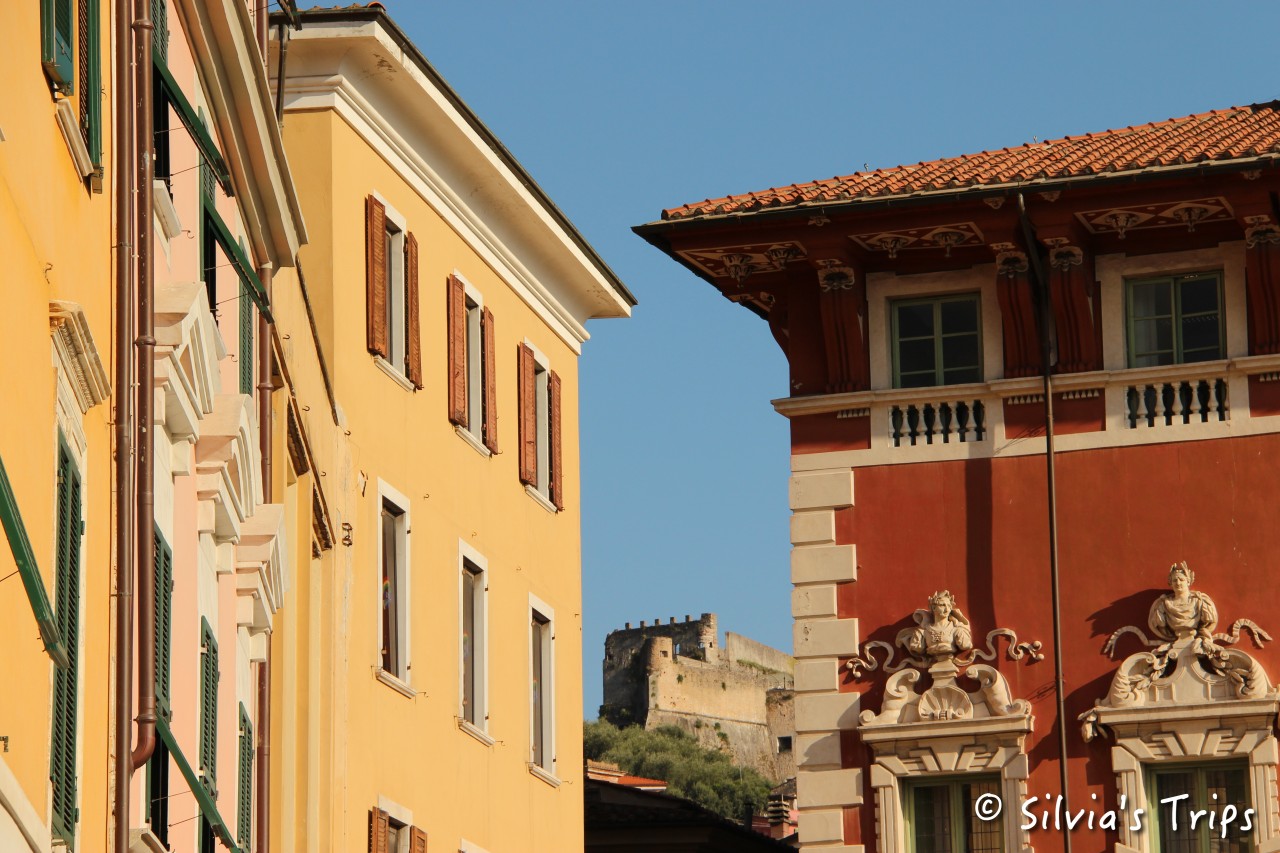
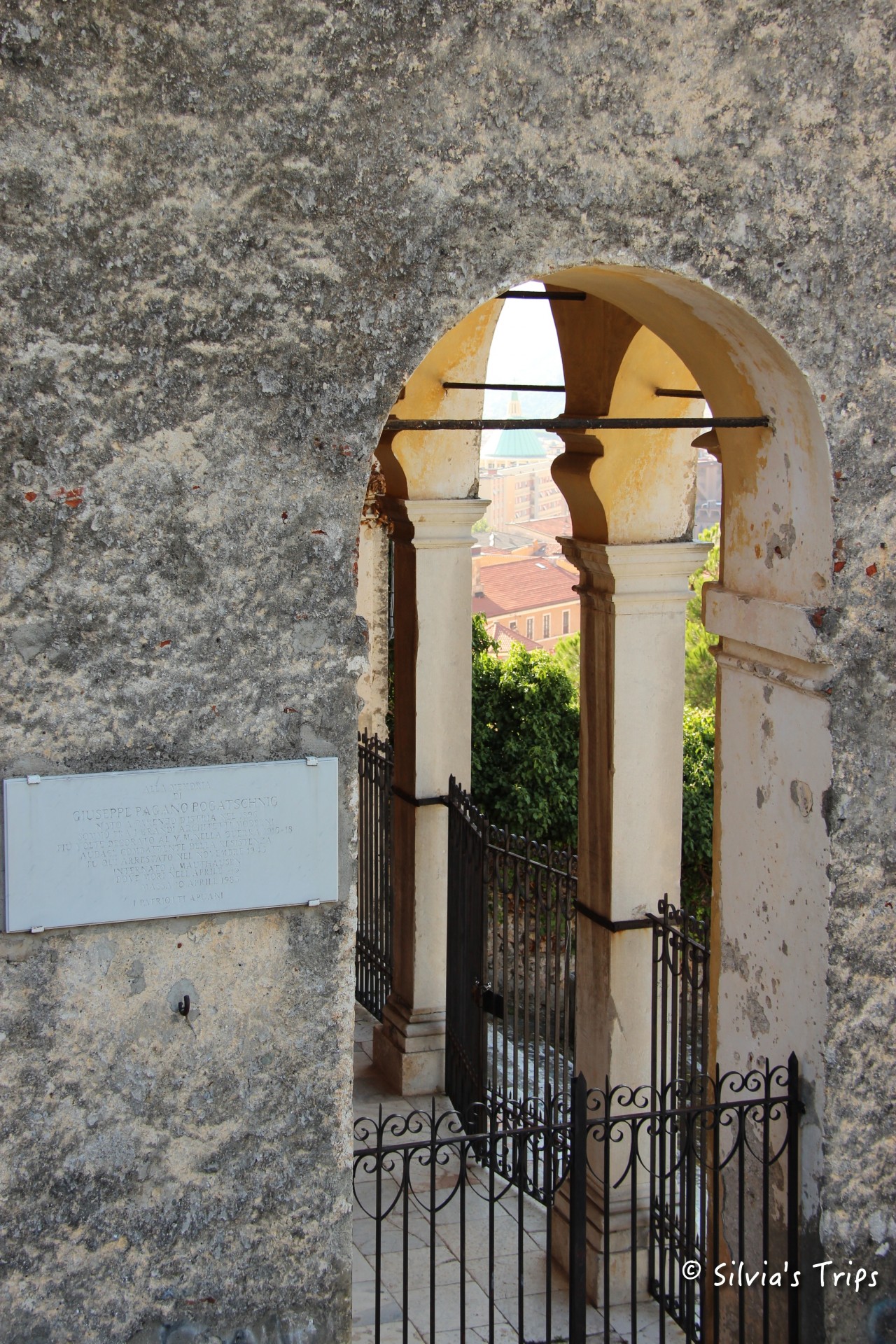
If you do one thing in Massa, make it the Castello Malaspina. The castle connects you to the Malaspina story that runs through much of this wider region, but the real reason I recommend it is the viewpoint.
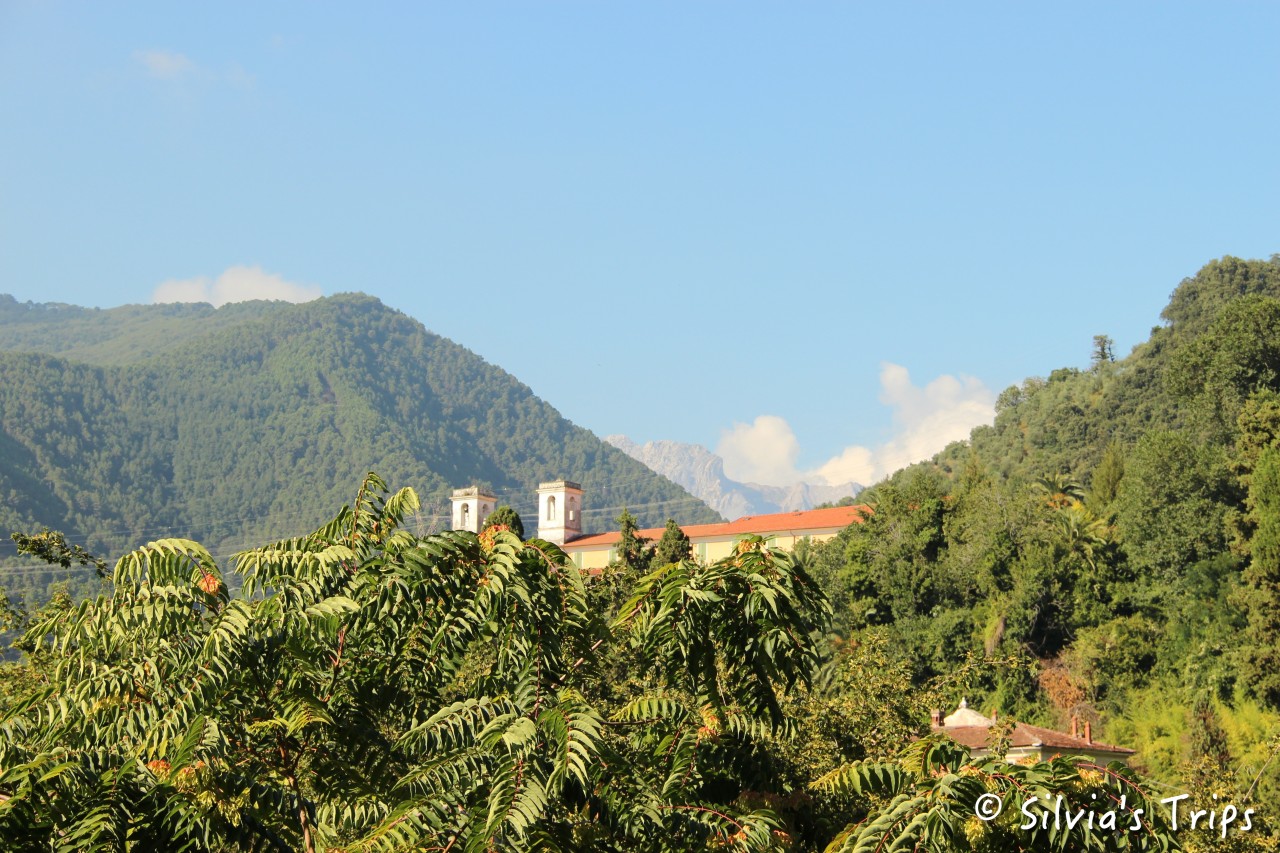
From up there you understand the geography: the city tucked between the Apuan Alps and the coastal plain, the sea air meeting mountain light. It is the kind of panorama that makes you stop talking for a moment.
Practical tip: go earlier in the day during summer or late afternoon in shoulder season. Bring water. Wear shoes you trust.
A very simple pleasure: wandering without a plan
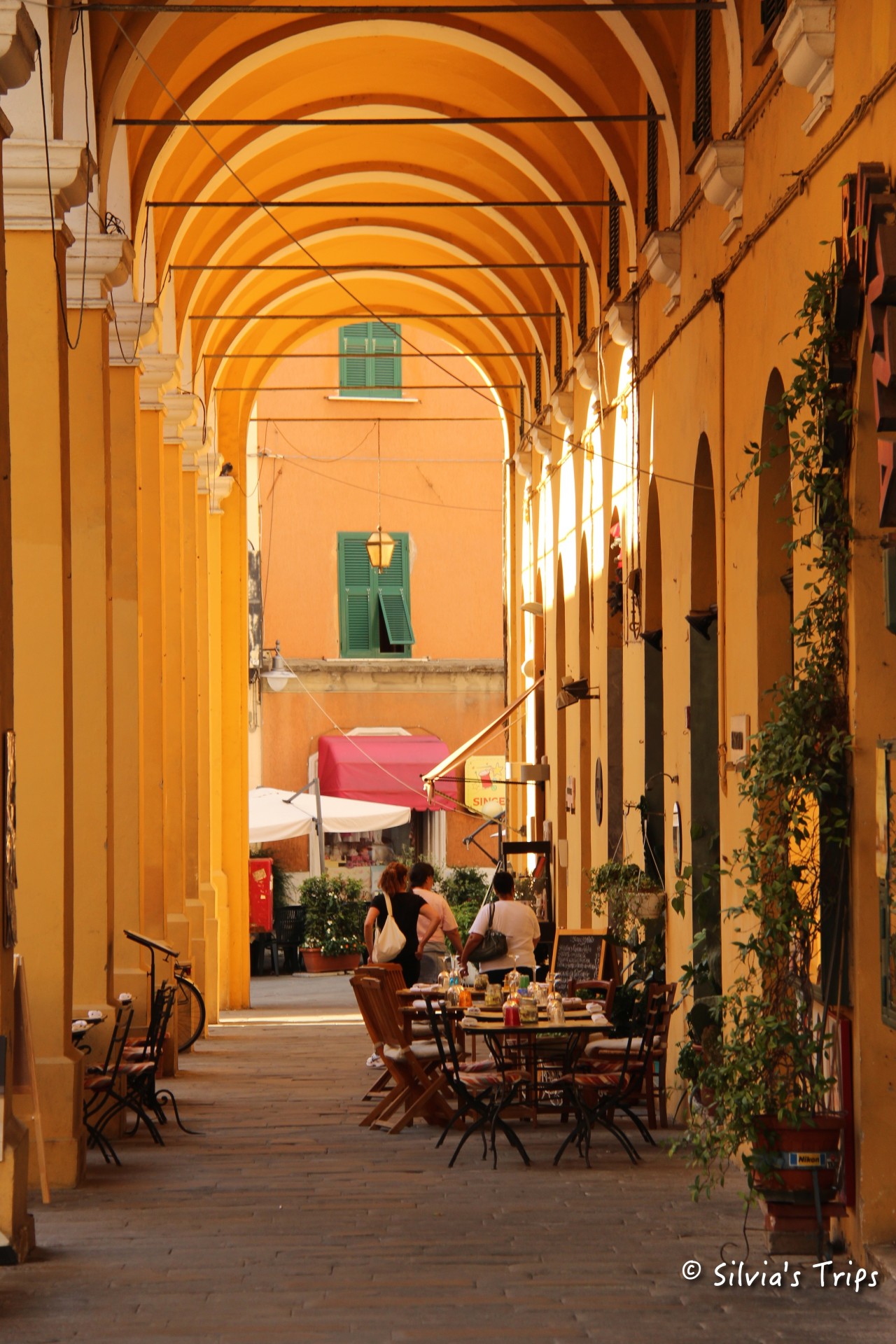
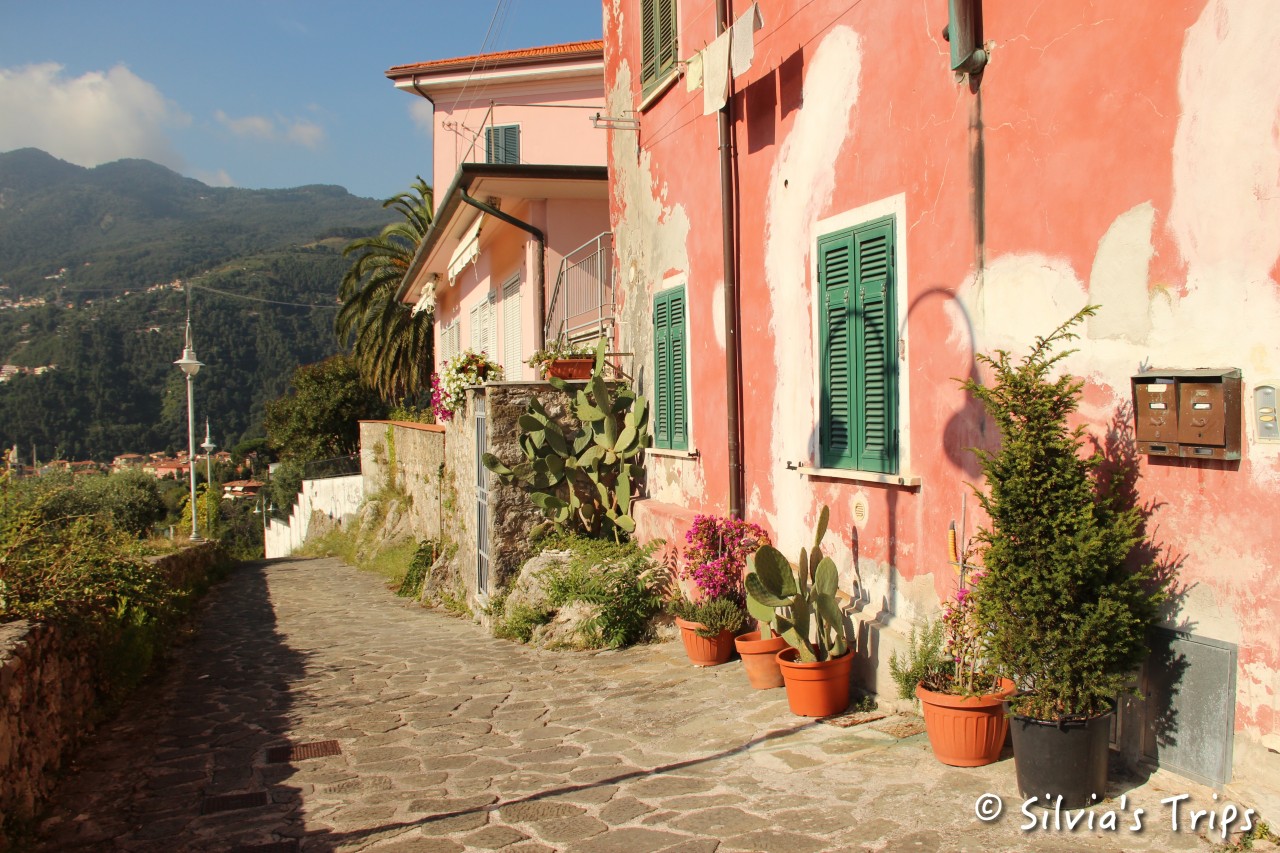
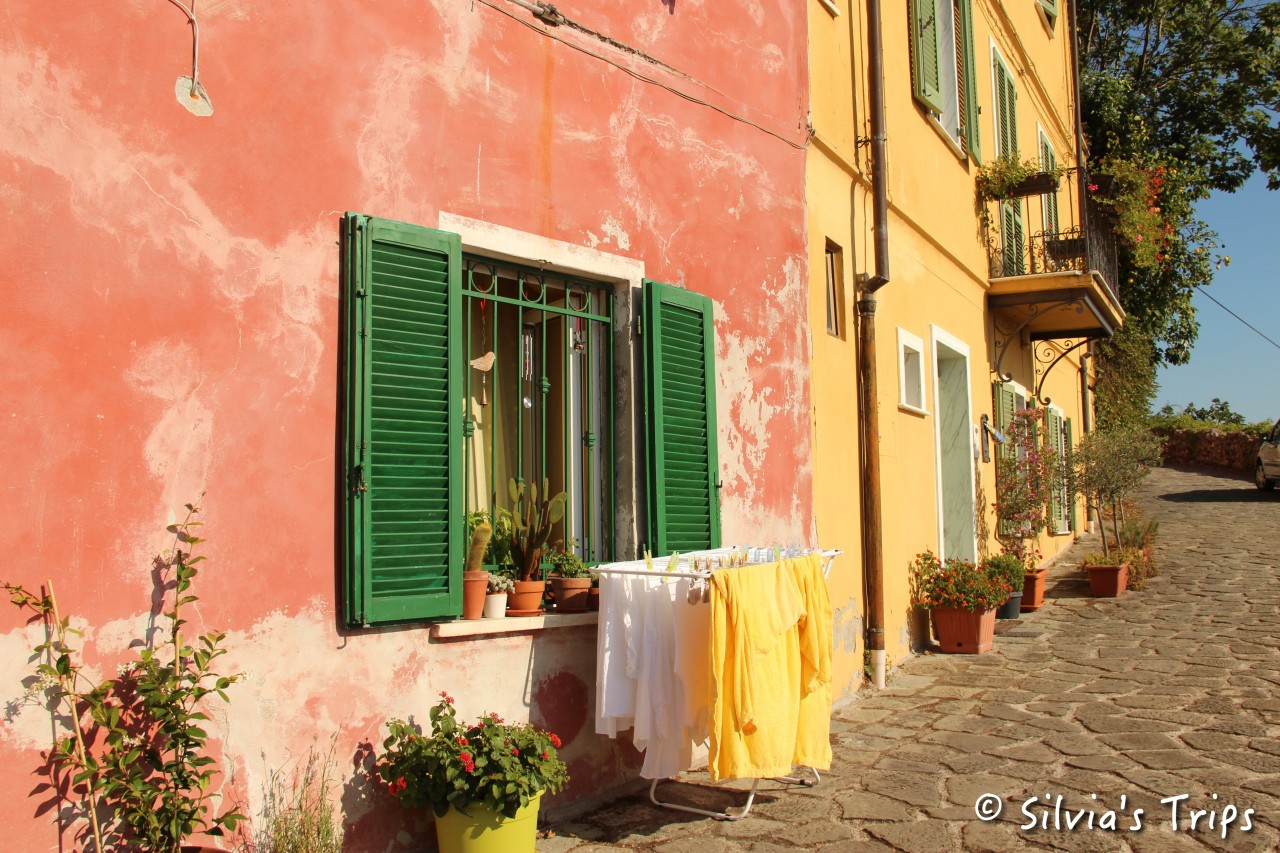
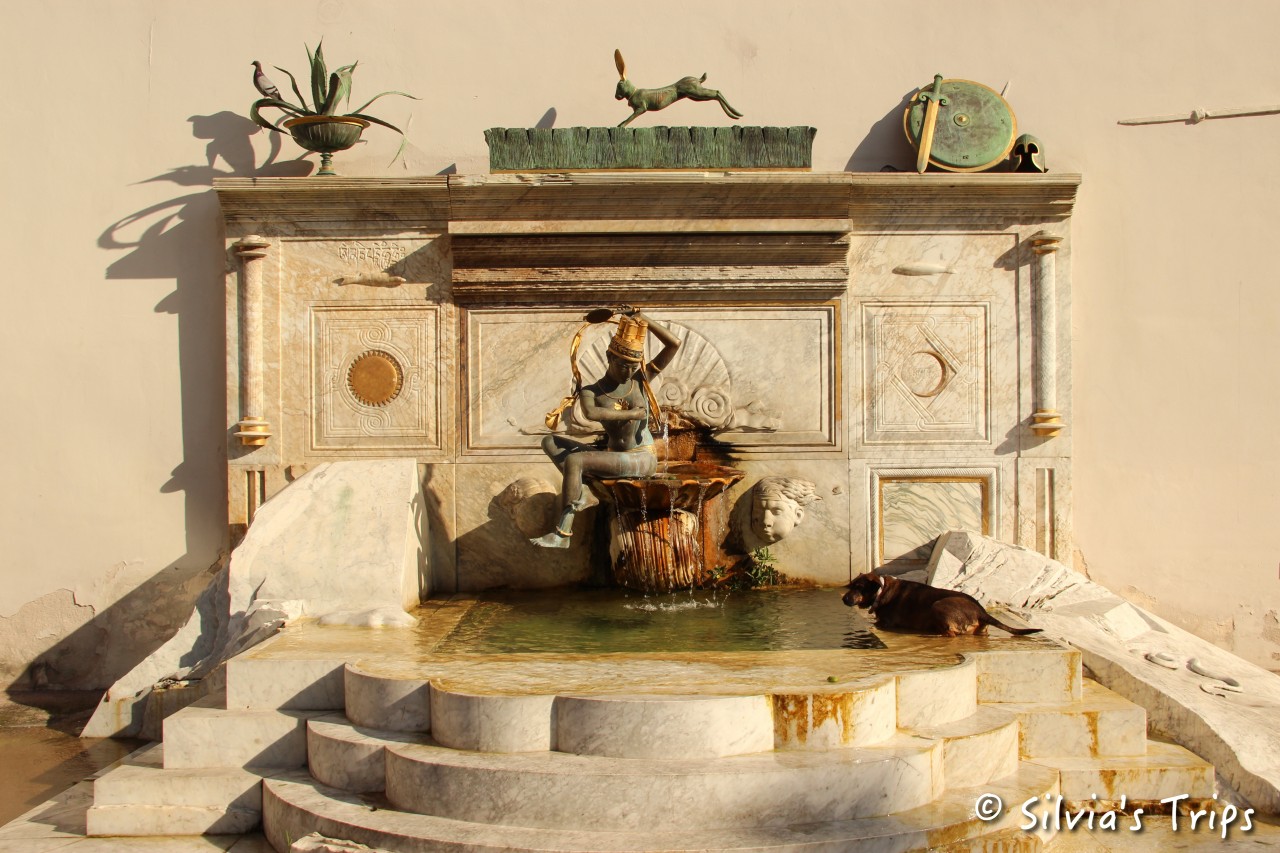
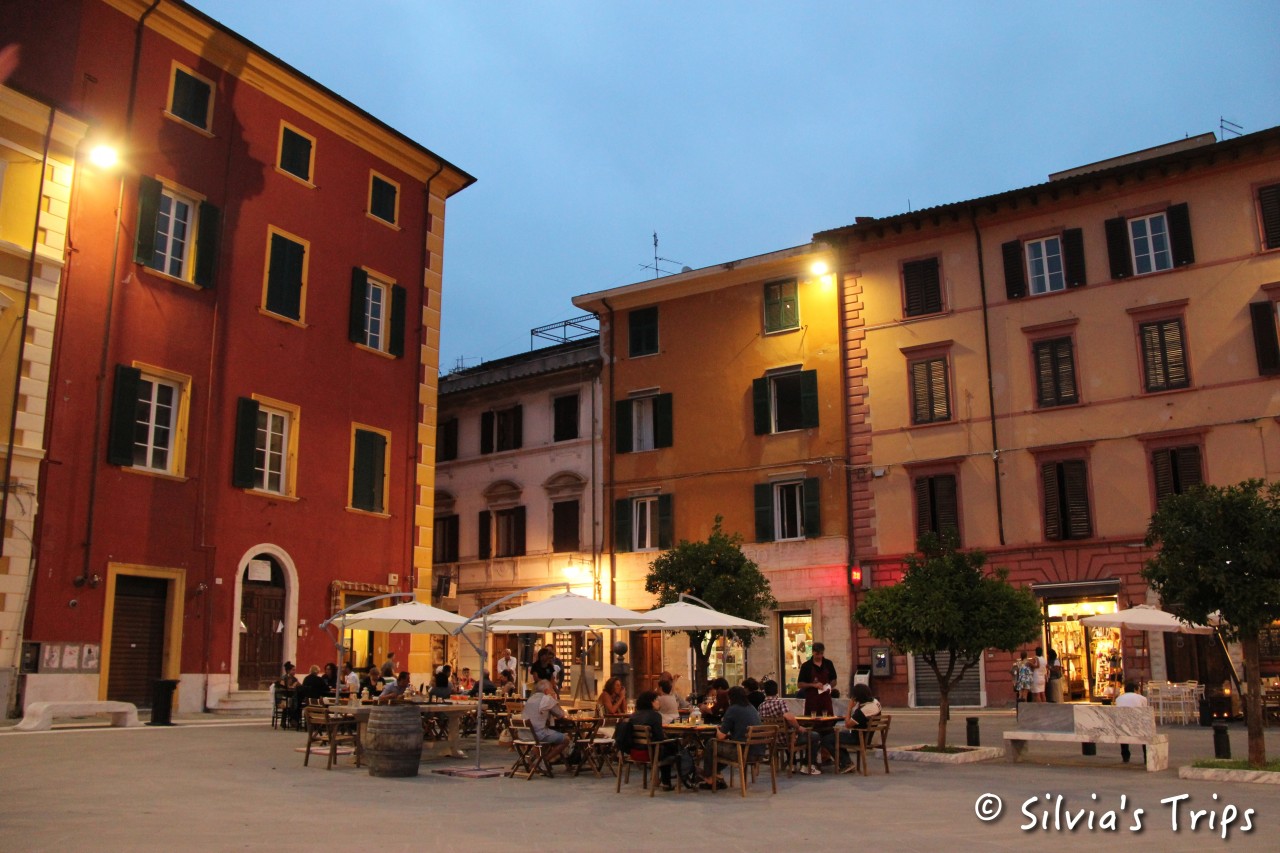
Massa is ideal for what I call “purposeful aimlessness”. Walk side streets, look up at balconies and doors, pause for a coffee, do not rush. This is not a checklist city. It is a city that gives you back a feeling.
Carrara: the marble city, beyond the postcard idea
Carrara’s name is practically a synonym for marble, but the best way to experience it is to remember one thing: this is not just a material, it is a culture.
Marble is not a souvenir here, it is a landscape
Even before you reach any quarry viewpoint, you will notice the marble presence in details and light: steps, façades, street corners, workshop hints. Carrara’s relationship with marble is physical and constant.
Visiting the quarries: how to approach it
If you want to see the marble quarries, do it responsibly. Some areas are working zones and access can be regulated. The best approach is to go with an authorised tour or use official, clearly signposted viewpoints. Always check current conditions locally, because access and routes can change with weather, works, and safety rules.
What to expect: dramatic white cuts in the mountains, surreal brightness on sunny days, and a sense of scale that photos never fully capture.
A practical one-day itinerary: Massa and Carrara together
If you only have one day, this is a realistic plan.
Morning in Massa
- Piazza Aranci and the historic centre stroll
- Cathedral visit
- Coffee break and slow wandering
- Walk or taxi up to Castello Malaspina for the view
Lunch
Choose something simple and local. This is a good area to lean into straightforward Italian food, seasonal dishes, and a pace that does not try to impress.
Afternoon in Carrara
- Explore the historic centre on foot
- Follow marble clues in architecture and streets
- If you have a car and time, add a quarry viewpoint or a guided marble experience (book ahead when possible)
Evening
If you are staying overnight, this is a lovely place for a low-key evening. If you are returning to the coast, you can do it easily.
When to visit
My favourite seasons here are spring and early autumn, when the air is crisp enough for uphill walks and the light is flattering without being harsh. Summer is doable, but plan your climbs around the heat and give yourself shade breaks. Winter can be surprisingly charming if you like quieter towns and a more local rhythm.
Small things that make a difference
- Build in time for doing nothing. Massa Carrara is at its best when you let the atmosphere settle.
- Wear comfortable shoes, because this is a walking destination even when you think it is not.
- If you are quarry-curious, do not improvise. Plan properly and follow official guidance.