

Your legs feel like concrete, your feet are throbbing, and the couch is calling your name. While stretching can provide some relief, it may not be sufficient after a tough hike. The soreness is coming, your energy is gone, and you need more than a few quad stretches to feel human again. Here’s how to actually recover.
What’s Really Happening to Your Body After a Hike
That deep soreness that creeps in a day or two after a hike isn’t random. It is called delayed onset muscle soreness, often referred to as DOMS, and it is caused by tiny microtears in muscle tissue. This type of pain happens especially during downhill sections where muscles lengthen under tension.
Symptoms typically peak between 24 and 72 hours after the hike, which is why you might feel fine at dinner and wrecked the next morning. As hiking has become the most popular outdoor activity in the United States, with approximately 63 million Americans expected to hit the trails in 2024, the Outdoor Industry Association reports that more people than ever are experiencing this pain firsthand. But it’s not just your muscles.
A long hike drains glycogen stores, depletes fluids and electrolytes, and places repetitive stress on joints and connective tissue. Real recovery means addressing all of it, not just tight hamstrings.
Cool Down Before You Sit Down
The worst thing you can do after hours of movement is stop abruptly and drop into your car seat. Walking at an effortless pace for five to ten minutes helps your heart rate come down gradually and keeps blood circulating through fatigued muscles.
Think of it as a transition period. Going from trail pace to total stillness can leave you dizzy, stiff, and even more sore the following day. A brief cooldown signals your body that it is time to shift gears instead of stopping abruptly.
What your body needs immediately after a hike:
- 5-10 minutes of slow walking to bring your heart rate down
- steady sips of water or an electrolyte drink instead of chugging
- A protein- and carb-rich meal within 45 minutes of finishing
- Removal of sweaty socks and boots to let your feet air out
Rehydrate and Refuel the Right Way
Most hikers finish at least somewhat dehydrated, even if they drank water on the trail. Your muscles need fluids to repair, and dehydration makes soreness and fatigue worse. Take slow, steady sips rather than chugging a whole bottle at once.
Adding an electrolyte mix helps replace the sodium, potassium, and magnesium you lost through sweat. For something more intriguing than plain water, some hikers wind down with options like Crescent Canna THC drinks, which offer a low-key way to ease into relaxation mode after a physically demanding day. These drinks can help you relax and recover more easily.
On the food side, aim to eat within about 45 minutes of finishing. You want lean protein for muscle repair, complex carbs to restore glycogen, and healthy fats for sustained energy. A salmon bowl, eggs on toast with avocado, or a high-protein smoothie all work well. Skip candy bars since they spike blood sugar and lead to an energy crash.
Take Care of Your Feet
Your feet just carried you over miles of rocks, roots, and uneven ground, whether that was a well-marked day hike or amulti-day trek through remote villages. Follow that with a foot massage, pressing your thumbs into the arches and rolling them over a tennis ball. If time allows, soak your feet in warm water for fifteen to twenty minutes.
Pay attention to persistent pain in your arches or heels. Issues like plantar fasciitis can develop when you repeatedly push through warning signs.
Quick foot care checklist after a hike:
- Wash and fully dry your feet, checking for blisters or hot spots
- Massage arches, heels, and the Achilles area for 5 minutes
- Roll each foot over a tennis ball to release tension
- Change into clean, loose socks or go barefoot to let your feet breathe
Foam Rolling and Self-Massage
Stretching gets most of the attention, but foam rolling and targeted self-massage can be more effective at releasing tight areas. A meta-analysis found that massage was among the most effective methods for reducing DOMS, alongside compression garments and cold water immersion. These methods can help speed up recovery and reduce soreness.
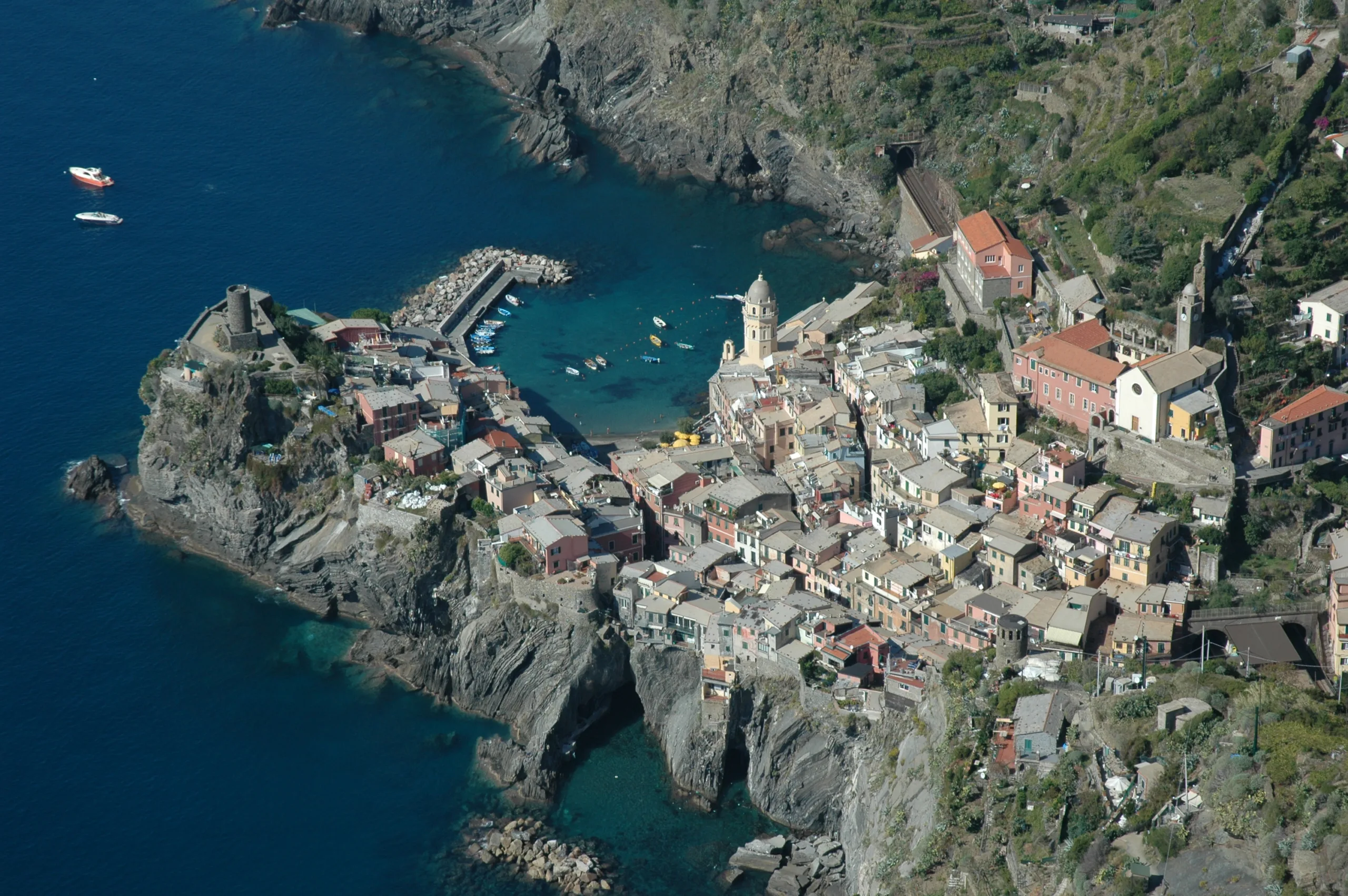
After a tough hike, your muscles are bound to feel tight and sore. If you’ve ever spent a dayhiking the steep coastal trails of Cinque Terre or grinding through rocky switchbacks, you know exactly how punishing those descents can be. You don’t need professional equipment. A foam roller handles your quads, hamstrings, and calves.
For knots in your shoulders or tightness in your arches, a tennis ball works perfectly. Place it under the sore spot, let your body weight create pressure, and hold until the tension eases. Even five to ten minutes of rolling while watching TV makes a real difference the next morning.
Take a Warm Bath at the Right Time
A warm bath feels amazing after a hike, and the science backs it up. A systematic review published found that bathing in water between 104 and 109 degrees Fahrenheit, one to two hours before bedtime, can help you fall asleep up to 10 minutes faster and improve overall sleep quality.
The mechanism is counterintuitive. Warm water draws blood to your skin’s surface, which helps your body release heat. That drop in core temperature mimics your natural circadian rhythm and tells your brain it’s time to sleep. So if bedtime is 10 p.m., aim for your soak around 8 or 8:30.
Adding Epsom salts is popular, though scientific evidence that magnesium absorbs effectively through the skin remains limited. The warm water itself does most of the work, but if the entire ritual aids in your mental relaxation, there’s no reason to skip it.
| Recovery Method | Best For | When to Use |
| Warm bath (104-109°F) | Muscle relaxation plus sleep | 1-2 hours before bed |
| Ice pack | Swollen joints or sharp pain | Within the first few hours post-hike |
| Heating pad | Stiff back or shoulders | Anytime after the hike |
| Foam roller | Deep muscle tightness | Evening of the hike or the next day |
| Leg elevation | Swollen feet and calves | Anytime you can lie down |
Elevate Your Legs and Breathe
Lie on your back, put your legs up against a wall, and stay there for 10 to 15 minutes. This simple move helps fluid drain away from your swollen feet and calves, reduces that heavy-leg feeling, and takes pressure off your lower back.
While you’re there, add some intentional deep breathing. Breathe in through your nose for four counts, hold for four, and exhale for four. This activates the parasympathetic nervous system.
Make Sleep Your First Priority
Sleep is the most powerful recovery tool you have. Muscle repair, hormone regulation, and immune function occur during sleep. After a demanding hike, aim for at least seven to eight hours.
Go to bed a little earlier than usual, keep your room cool and dark, and avoid screens for at least 30 minutes before lights out. If you took that warm bath earlier, you’re ready for a restful night.
FAQs
How long does it take to recover from a long hike?
Most people feel significantly better within two to four days. DOMS peaks between 24 and 72 hours and then gradually fades. Hydrating well, eating right, and sleeping enough can shorten that timeline.
Is it better to take a hot or cold bath after hiking?
Both have benefits. Warm baths relax muscles and improve sleep when timed before bed. Cold immersion helps reduce inflammation. Some people benefit from alternating between the two.
Do Epsom salt baths actually help sore muscles?
The warm water itself likely provides most of the benefit. While Epsom salts are widely used, evidence that magnesium absorbs through the skin remains limited. Still, many people find the ritual helpful for overall relaxation.
Is it bad to be completely inactive the day after a hike?
Being completely inactive the day after a hike can actually make stiffness worse. Light movement the next day, such as a short walk, an effortless swim, or gentle yoga, helps promote blood flow and allows muscles to recover more quickly. This approach is known as active recovery.
How can I prevent soreness on future hikes?
Build up gradually instead of jumping into intense trails. Stay hydrated and fueled during the hike, use trekking poles to reduce joint stress, and train consistently between hikes. Even regular walks help.
Key Takeaways
- Walk slowly for five to ten minutes after finishing before you sit down.
- Eat a balanced recovery meal with protein, carbs, and healthy fats within 45 minutes.
- Time your warm bath one to two hours before bed for the best sleep benefits.
- Foam rolling and self-massage often work better than stretching alone for soreness.
- Elevate your legs, breathe deeply, and give your feet dedicated care.
- Sleep is the single most important thing you can do for recovery.