

In short: Epiphany, on 6 January, is the day that closes the Italian Christmas season, marked by La Befana, a kindly old witch who brings sweets to children (and coal, now a black sugar candy, to the naughty ones). It is a public holiday, so expect Sunday-style closures, busy trains between 4 and 7 January as Italians head home, and the start of the winter sales. Travel just after the 6th and you get a calmer, more local Italy.
If you happen to be in Italy in the first week of January, you land right on one of the country’s most beloved winter traditions: Epiphany, celebrated on 6 January. It is both a Christian feast and a piece of pure Italian folklore, and there is a saying that sums it up perfectly: “L’Epifania, tutte le feste porta via,” Epiphany carries all the festivities away. It is the official full stop at the end of the Christmas season.
La Befana
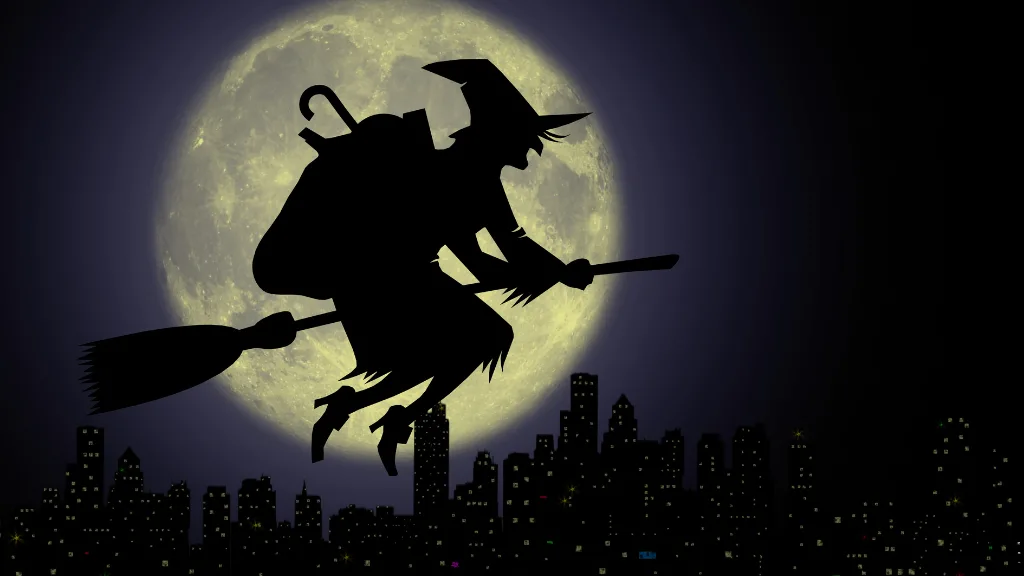
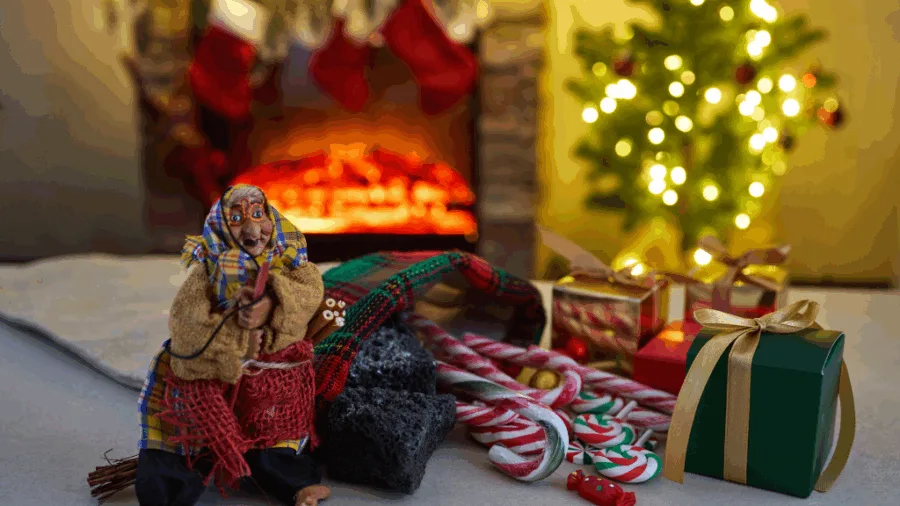
The star of the day is not one of the Three Kings but La Befana, a folkloric old woman who flies on a broomstick and, during the night between 5 and 6 January, fills children’s stockings with sweets. Good children wake to treats; the ones who have misbehaved get “coal,” these days a lump of black sugar candy that is really just another sweet in disguise. The legend goes that the Magi, on their way to Bethlehem, stopped to ask her the way and invited her along; she declined, thought better of it, and has been flying about ever since, leaving gifts as she looks.
What this means for your trip
A few practical things follow. The 6th is a national public holiday, so many shops and some attractions keep Sunday hours or close altogether; plan around it rather than against it. Trains are busy from roughly 4 to 7 January, as Italians travel back from the holidays, so book ahead if you are moving between cities. On the happier side, the winter sales, the saldi invernali, begin around this time across the regions, so it is a good week for shopping once things reopen.
Where to feel the tradition
For the Befana at her most festive, Rome’s Piazza Navona fills with stalls of sweets, toys and decorations in the run-up to the 6th. In the Marche, the small town of Urbania claims her as its own and throws a dedicated festival in her honour, with a Befana house and processions. Wherever you are, look out for Befana-shaped biscuits, regional pastries and cups of the thick, almost spoonable Italian hot chocolate.
A simple way to plan the week
If you are in Italy from around the 3rd to the 10th, a gentle rhythm works best. Use the first few days for museums, the big sights and a day trip or two, while everything is still open. On the evening of the 5th, seek out a local Befana event or simply a good festive dinner. Give the 6th itself a slow shape: a market, a viewpoint, a long walk, a wander through a neighbourhood, accepting that some things will be shut. And after the 6th, enjoy the reward: a quieter, more local Italy, with the crowds gone and the country exhaling back into everyday life.
The trick, really, is to travel with the tradition rather than around it. Be curious, follow the local rhythm, accept that some doors will be closed, and lean into the atmosphere instead of fighting it with a packed schedule.
Frequently asked questions
Epiphany, on 6 January, is a public holiday that marks the end of the Italian Christmas season. It is celebrated with La Befana, a folkloric old woman who brings sweets to children on the night of 5 to 6 January, and coal-shaped candy to those who have misbehaved.
Yes. It is a national public holiday, so many shops and some museums and attractions keep Sunday hours or close. Plan your open-everything activities for the days before and after, and keep the 6th itself relaxed.
It can be lovely, especially just after the 6th, when the festivities end, the crowds thin and prices soften. Expect cold weather, some holiday closures, and busy trains between 4 and 7 January as Italians travel home, so book transport in advance.
Rome’s Piazza Navona is the classic spot, with festive stalls before the 6th, and Urbania in the Marche holds a dedicated Befana festival. Beyond those, look for Befana biscuits and regional sweets in bakeries all over the country.
Further reading
If you are spending the season in my part of Italy, the Cinque Terre is quietly magical in winter: see my guide to the Cinque Terre and Liguria, and the deeply moving nativity scene of Manarola, the largest illuminated crib in the world, which stays lit through Epiphany. For the mindset behind travelling this way, see why some European cities are even more beautiful in winter.