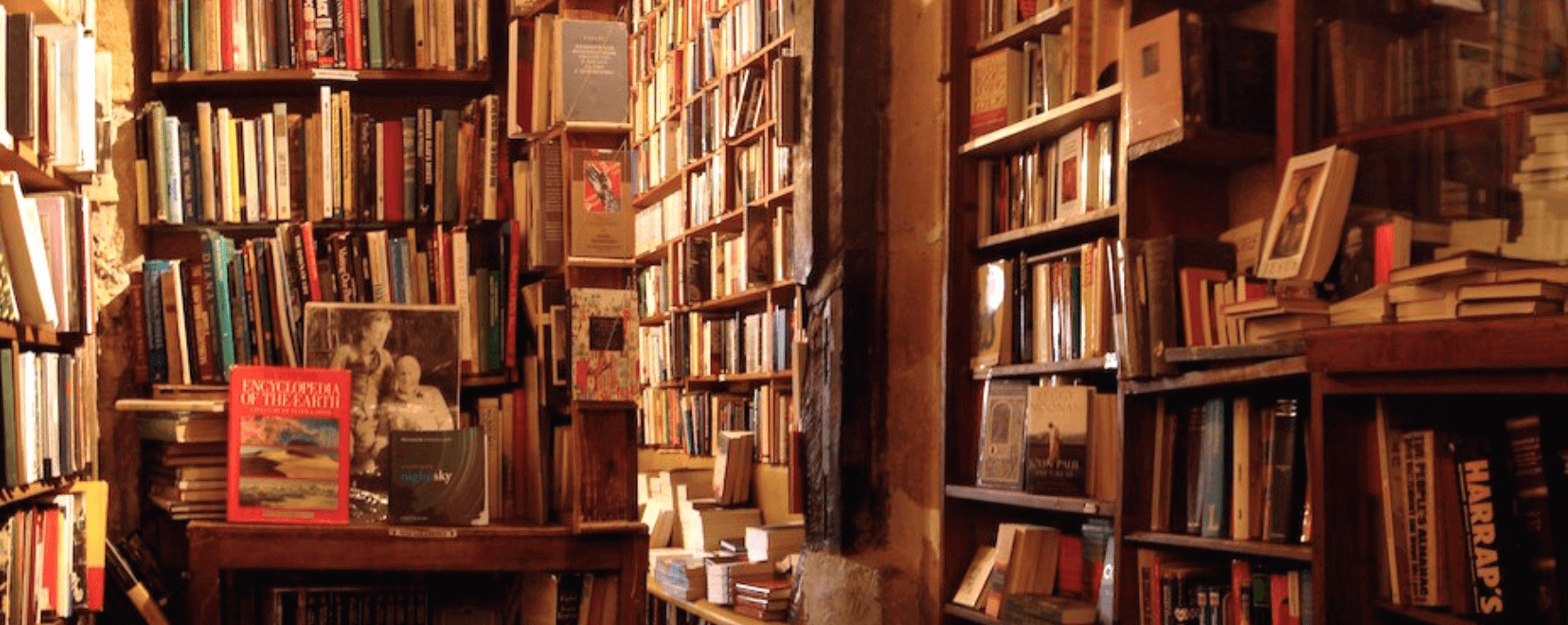



A local’s perspective after ten years in the city.
In short: living Paris like a Parisian means thinking in neighbourhoods rather than monuments, and building your day around small rituals: a boulangerie breakfast, a proper sit-down coffee, a quick affordable lunch, a long walk, an apéro before dinner. This guide gathers the cafés, bistros, shops and walking routes I relied on across ten years of living there, arranged by the rhythm of a Parisian day.
Living in Paris is something I would wish on anyone. Visiting is wonderful, of course, but actually living there is another story entirely. As Audrey Hepburn is supposed to have said, Paris is always a good idea. After ten years of Parisian life, and countless work trips before and since, I slowly built my own way of experiencing the city, far from the classic tourist itineraries.
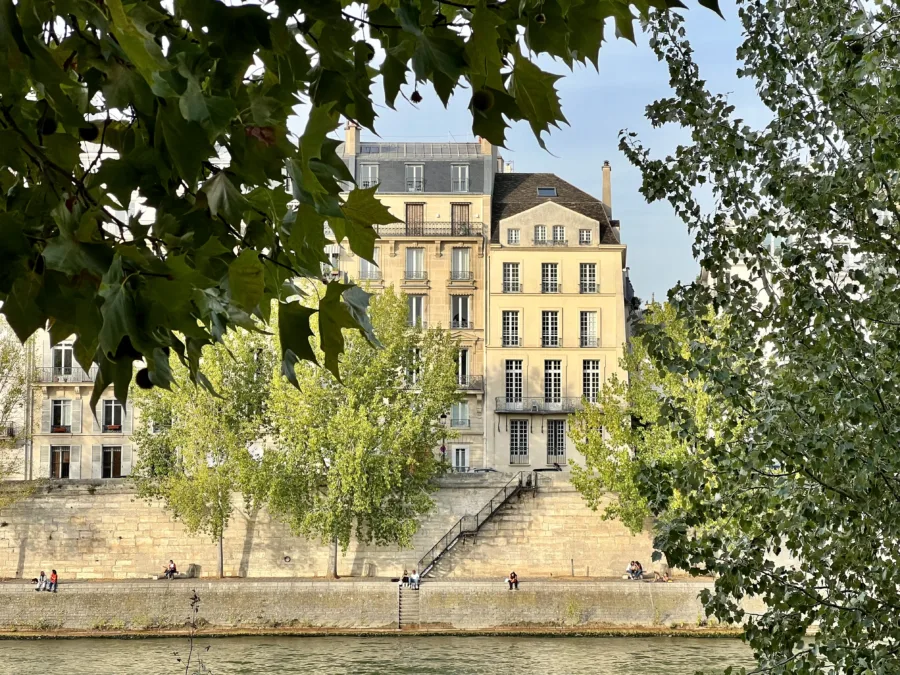
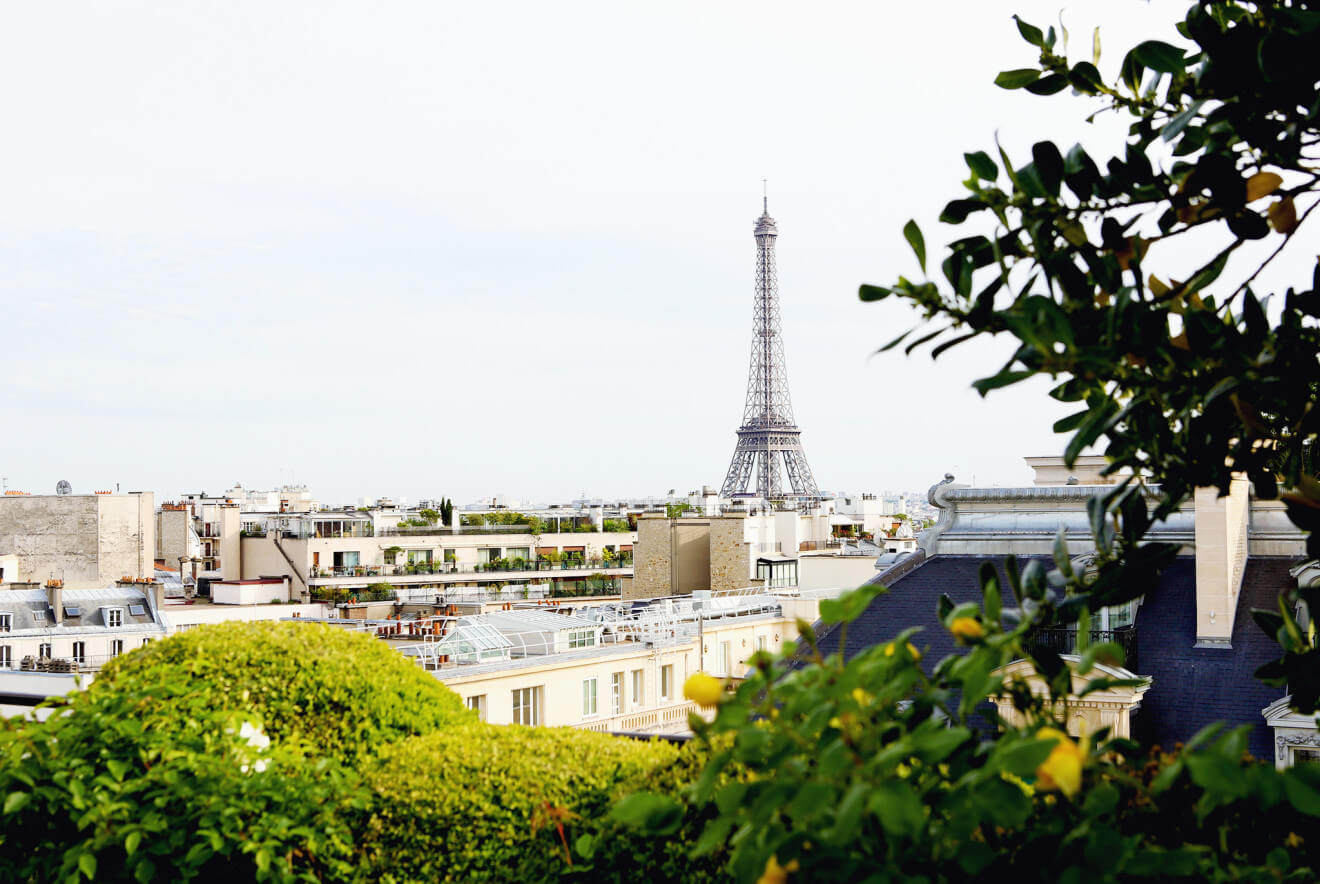
This post is for travellers who want to spend a little longer living like a local, and for those who already know the main sights and are curious about the more everyday, authentic side of the city. One piece of advice before the addresses: stop thinking of Paris as a list of monuments spread across a map, and start thinking of it as twenty villages, the arrondissements, each with its own character. Pick one or two as your base, learn their streets, and let the rest come slowly. That single shift is what turns a visit into something closer to living.
Breakfast in Paris
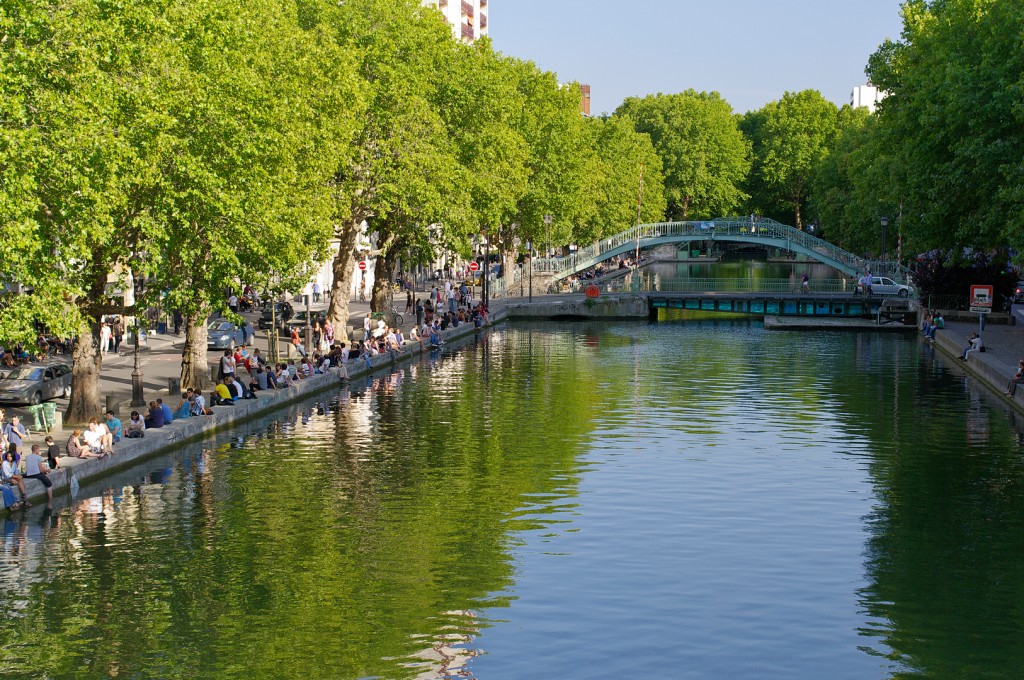
Breakfast, for a Parisian, is rarely elaborate. It is a coffee and something from the boulangerie, taken standing at a zinc counter or sitting at a small round table watching the street. My own local rituals were by the Canal Saint-Martin. When I lived on Quai de Valmy, breakfast often meant Sésame, a café overlooking the canal, one of those places where the morning unfolds slowly, with good cakes, proper coffee and freshly cooked eggs if you want something savoury.
Depending on where you are staying, there are plenty of excellent alternatives. Le Pain Quotidien in rue Montorgueil is a reliable classic, especially for brunch. Café Bastille is perfect if you like to sit and watch the city wake up around a busy square. Mariage Frères in Saint-Paul is ideal for tea lovers, and Ladurée on the Champs-Élysées is still a good option for a chic breakfast or a quick sweet stop. Both Sésame and Le Pain Quotidien are lovely for a relaxed weekend brunch too.
If you do just one Parisian breakfast thing, though, make it this: buy a croissant and a baguette straight from a boulangerie the moment they open, while they are still warm, and eat as you walk. It costs almost nothing and it is the most Parisian start to a day there is.
Lunch in Paris
Lunch is where you can eat very well for very little if you know where to look. One of my long-standing favourites is the Bar à Soupes in rue de Charonne: tiny, efficient and remarkably cheap, with a rotating selection of soups drawn from cuisines all over the world, carrot and ginger, coconut and pea, lentil and spice, each paired with a different bread. Perfect for a quick, healthy lunch.
For Japanese food, my old canteen was Sukiyaki, at the start of rue de la Roquette, right by Place de la Bastille, where the set menus run between 10 and 20 euros and are ideal for a no-nonsense meal. Another place I love is Merci, on Boulevard Beaumarchais: part concept store, part café, part bookshop, with a small bistro where simple dishes are served among towering shelves of books, and where lunch has a habit of turning into an unplanned hour of browsing.
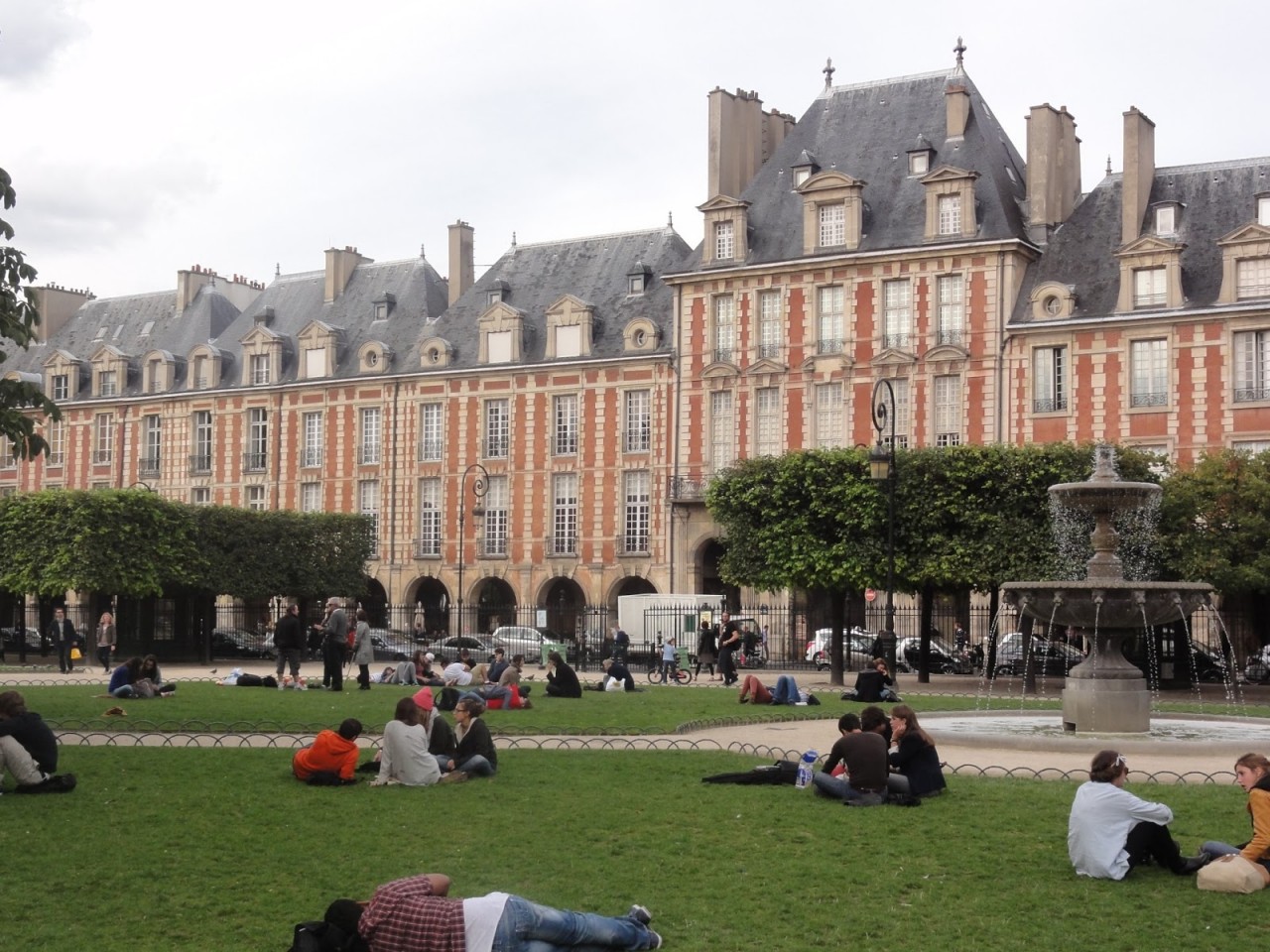
Other reliable options include the café at the Centre Pompidou, La Tête d’Or just behind the Théâtre du Châtelet, Aux Petits Carreaux and Rocher de Cancale in rue Montorgueil. When the weather allows, I often buy a sandwich or a quiche from Paul and eat it along the Seine, in the Place des Vosges or on the Île Saint-Louis. For a proper picnic further out, the Bois de Boulogne or the park at Versailles, especially near Marie-Antoinette’s hamlet, are wonderful.
A local habit worth copying: a Parisian lunch is usually quick and unfussy, often eaten close to where you happen to be rather than trekking across town for it. Save the long, lingering meal for dinner.
Dinner in Paris
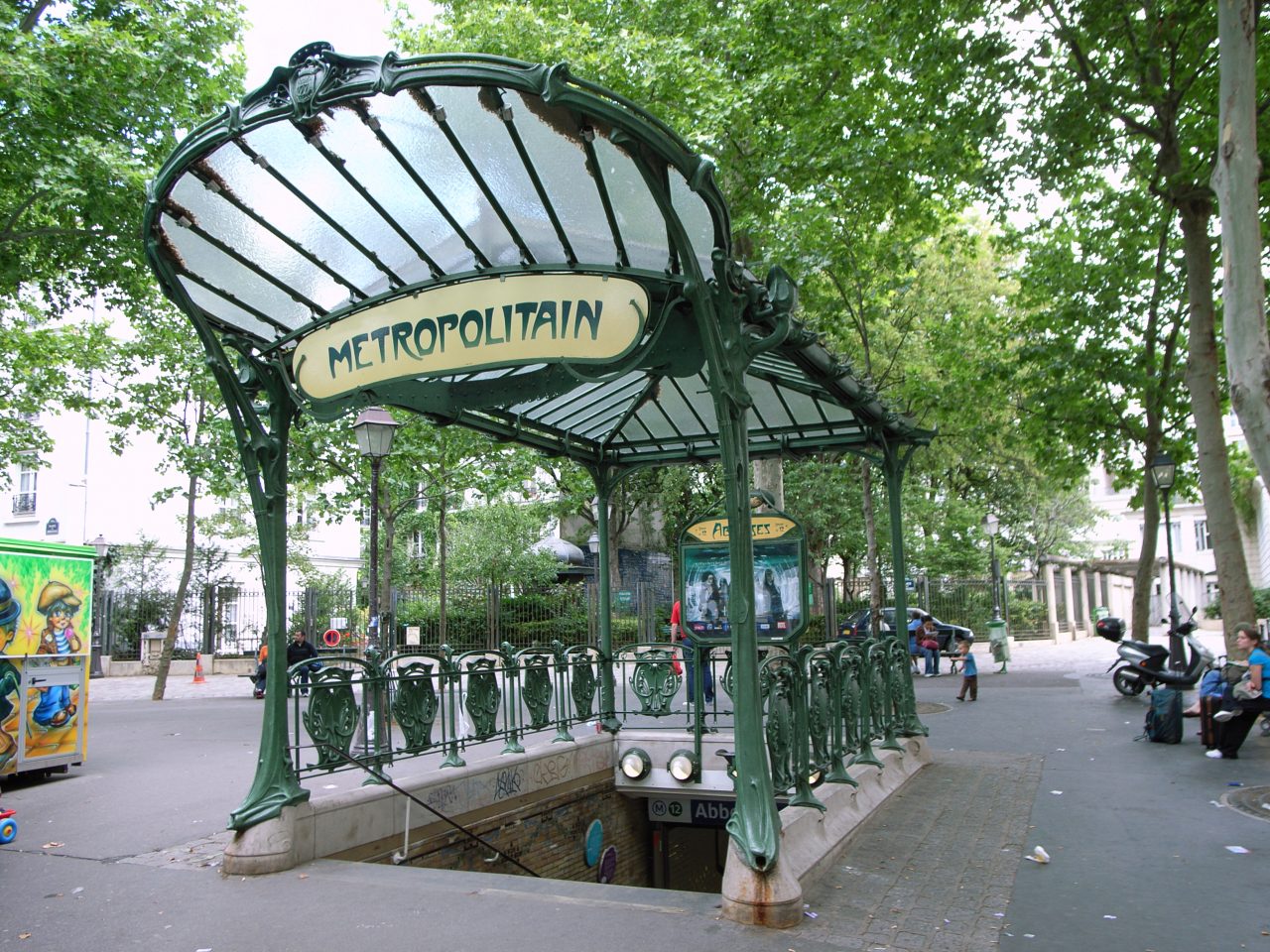
Dinner is where Paris slows down, and where I return again and again to a handful of places. Mon Oncle in Montmartre, just steps from Abbesses métro, is one. Cave Saint-Gilles, near the Place des Vosges on the Beaumarchais side, is another. Around the Canal Saint-Martin, Cambodge III in rue Marie-et-Louise and Au Verre Volé in rue de Lancry are long-standing favourites.
I also love Camille in rue des Archives, Café Marly inside the Louvre for special occasions, and Le Fumoir opposite the Louvre-Rivoli métro, whose colonial-style rooms, excellent cocktails and carefully chosen music make it one of my favourite places to linger late. Chez Georges in rue du Mail is another timeless Parisian address that never disappoints.
Two practical notes. Parisians eat later than you might expect, rarely before eight, and the good small places fill up, so it is worth booking, especially at weekends. And start the evening the local way, with an apéro, a drink and something to nibble before dinner rather than diving straight into the meal.


Shopping in Paris
My essential shopping stops start with Antoine et Lili on Quai de Valmy, especially for their bold, original designs. Merci appears again here, unsurprisingly. Muji, on rue des Francs-Bourgeois or at Les Halles, is perfect for minimalist basics. And I love Lafayette Maison and, of course, Le Bon Marché, from the food hall on the ground floor to everything above it.
Beyond the shops themselves, the pleasure is in the streets. Rue des Francs-Bourgeois and rue des Archives in the Marais are always worth a wander, as are Cour Saint-Émilion in Bercy, the boutiques inside the Carrousel du Louvre, and the narrow streets behind the Musée d’Orsay.
Markets, the most Parisian ritual of all
If you really want to shop like a local, go to a market. Parisians buy their food at open-air marchés, and an hour there tells you more about a neighbourhood than any monument. Near my old area, the Marché Bastille (Thursday and Sunday mornings along Boulevard Richard-Lenoir) is one of the largest, and the covered Marché d’Aligre, with its cafés and secondhand stalls, is one of the liveliest. In the Marais, the small covered Marché des Enfants Rouges, the oldest in the city, is perfect for lunch on the hoof. Take a canvas bag, buy some cheese, fruit and a rotisserie chicken, and you have a picnic and a morning both.
Taking time for yourself
The hammam at the Grande Mosquée de Paris is visually stunning but often crowded and noisy. For something calmer I prefer a smaller hammam over near rue Montorgueil, where booking ahead is essential and you should allow at least three hours. Another option is the Thai spa on rue Mandar, pleasant even if the benefits to your skin are different. For a haircut, styling or colour, Tony and Guy in rue de Charonne is a safe bet, not least for the wonderfully relaxing massage chairs. And a nail bar, especially with a friend, is a very Parisian way to steal half an hour, have a drink and be pampered.
Walking Paris
Paris is a city made to be walked, cycled or, if you are brave, crossed on rollerblades. Pick up a Vélib’ bike or simply set off on foot, because the best of the city is in the streets between the sights. Some of my favourite routes:
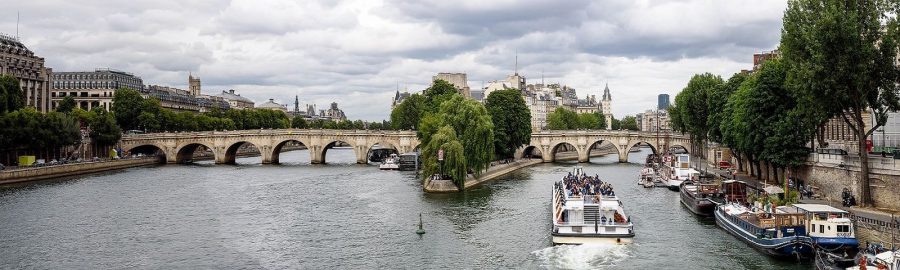
- Bastille, Saint-Paul, Île Saint-Louis, Île de la Cité, Hôtel de Ville, Louvre
- Saint-Michel, Cluny, rue Monge, rue Mouffetard, Panthéon, Luxembourg
- Bastille, République, Canal Saint-Martin, Marais, rue Montorgueil, Les Halles
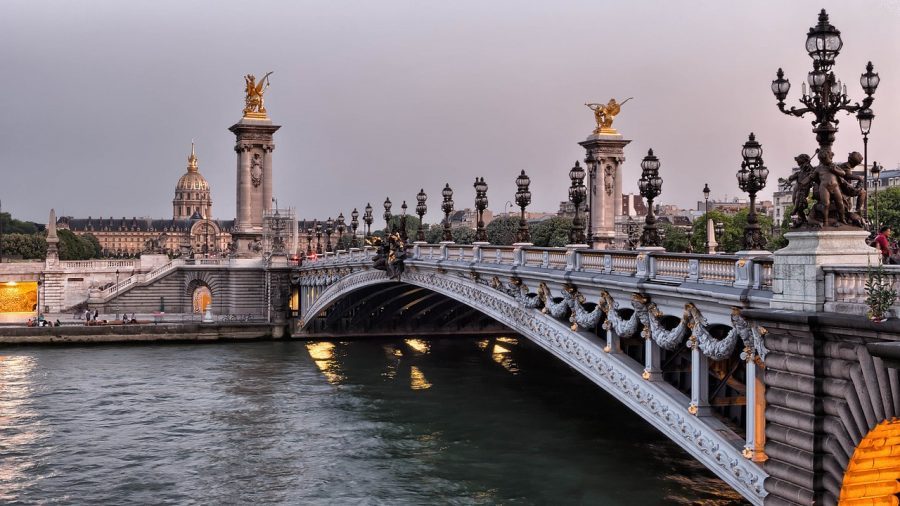
- Louvre, rue de Rivoli, Opéra Garnier, Galeries Lafayette, Boulevard des Capucines
- Les Halles, Beaubourg, Marais, Place des Vosges, Boulevard Beaumarchais
- Tuileries, Pont des Arts, Bourse, and across to the Left Bank
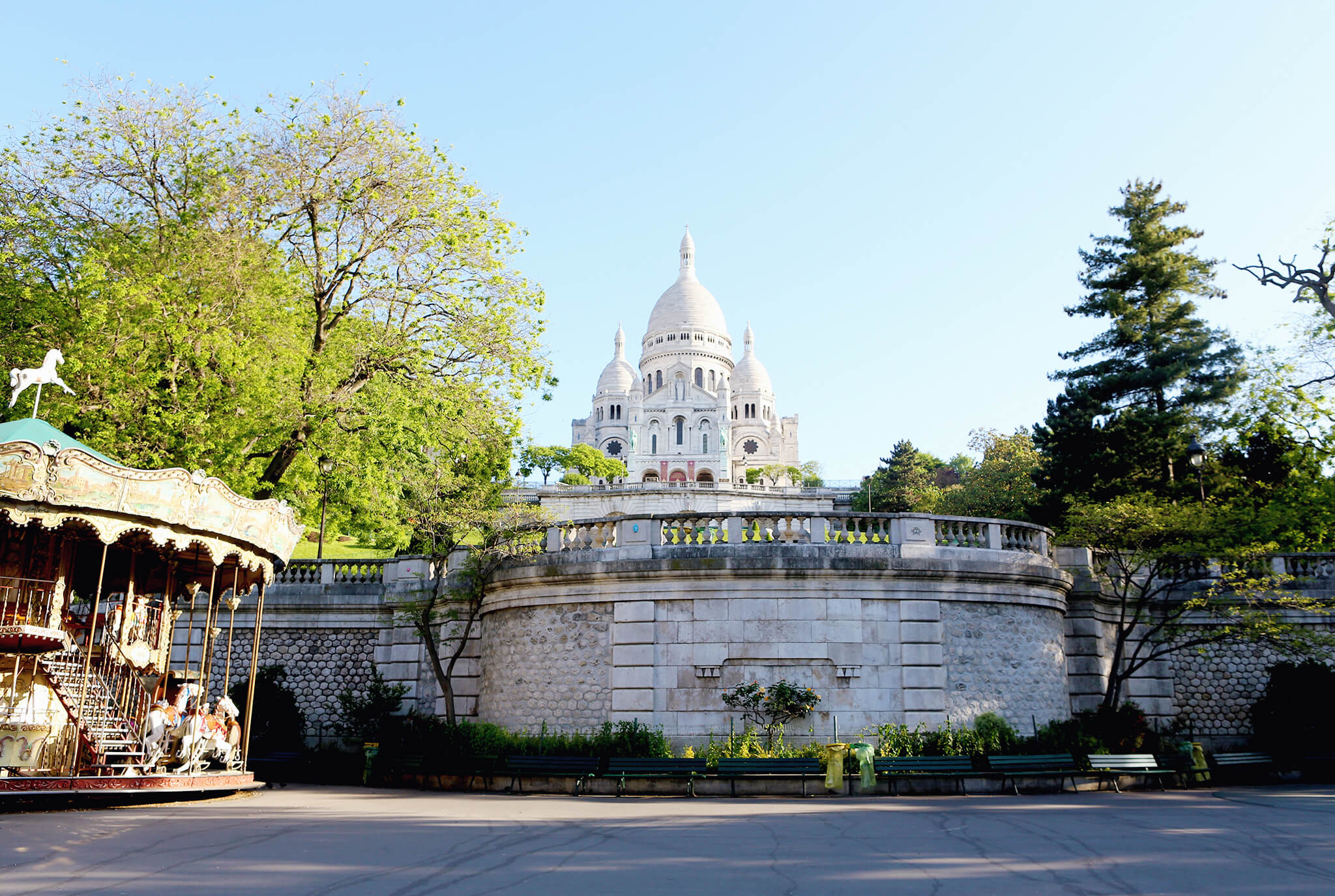
- Montmartre behind the Sacré-Cœur and Place du Tertre, then down into Pigalle
- Canal Saint-Martin, Buttes-Chaumont, La Villette, Cité de la Musique
- Bastille, rue de Lyon, Bercy, Cour Saint-Émilion
One route I particularly recommend follows the path above Métro Line 8, an excellent way to discover a less obvious Paris, neighbourhood by neighbourhood. And on a rainy day, duck into the covered passages, the glass-roofed nineteenth-century arcades, which are exactly what they were built for.
Getting around like a local
Do not overthink transport. Walk when you can, and for longer hops the Métro is quick and cheap; if you are staying several days, the weekly Navigo pass usually works out best and it now covers the whole Île-de-France on a single fare. My full Paris public transport guide has the details after the 2025 fare reform.
Paris beyond the monuments
There are, of course, monuments you should not miss. But Paris truly reveals itself in the daily rituals: the neighbourhood café, the morning boulangerie, the market, the walk home along the canal. That is the Paris I lived in, and the one I return to whenever I can.
Frequently asked questions
Base yourself in one or two neighbourhoods and build your day around small local rituals rather than a checklist of sights: a boulangerie breakfast, a sit-down coffee, a quick affordable lunch, a long walk, an apéro before a late dinner. Shop at the open-air markets, move around on foot or by Métro, and give yourself time to repeat the same streets until they feel like yours.
A light breakfast of coffee and a pastry, often standing; a quick lunch near wherever you are; an apéro in the early evening; and a later, longer dinner, rarely before eight. Weekends add a market and a leisurely brunch.
Small neighbourhood spots and markets. Soups at the Bar à Soupes in rue de Charonne, a set lunch at a place like Sukiyaki near Bastille, or a sandwich or quiche from a bakery eaten by the Seine or in the Place des Vosges. Lunch, not dinner, is where Paris is cheapest.
More than a long weekend. Four or five days let you settle into a neighbourhood, but the real shift happens when you stop trying to see everything and start returning to the same café, the same market and the same walk.
Further reading
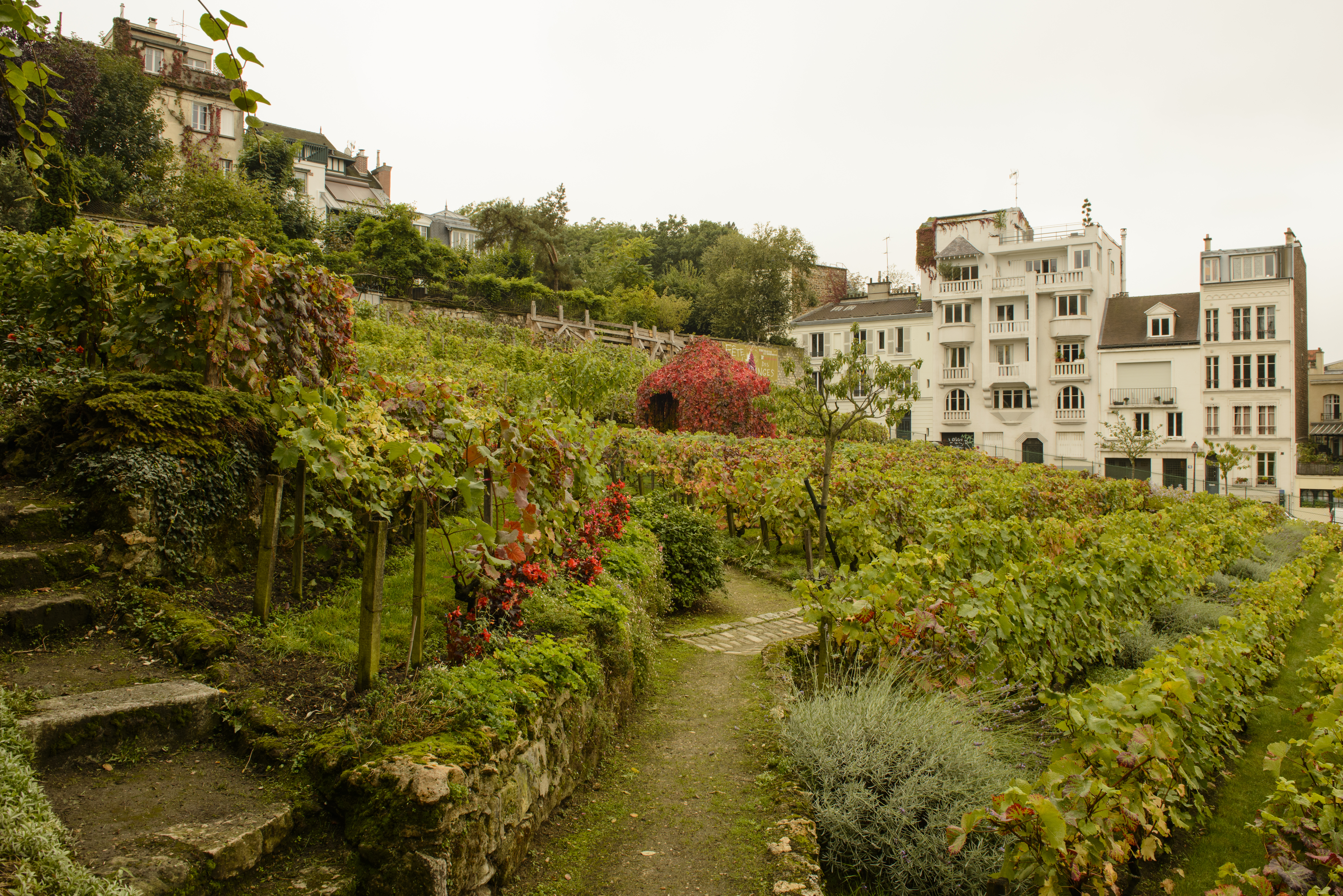
For more of this everyday Paris, see my guide to the best bookshops in Paris, the covered passages, and the hidden Clos Montmartre vineyard. For the practicalities, there is my Paris public transport guide and my guide to the Paris airports. And if you want to see the city the way the films do, follow my Midnight in Paris film locations.
The eSIM I use: get 5% off eSIMs and 10% off Holafly Plans for the first 12 months with the code SILVIAMOGGIA on Holafly. The travel insurance I use: SafetyWing Nomad Insurance, which you can buy while already travelling. Both contain affiliate links: they cost you nothing extra and help keep this blog running. #HolaflyTraveller