

Arriving in Salta after the road from Cachi feels almost like a reward. The journey itself is one of those rare experiences where the drive becomes as memorable as the destination, a succession of landscapes so diverse and intense that it feels impossible they all belong to the same day.
From Cachi to Salta: One of Argentina’s Most Spectacular Roads
The road between Cachi and Salta is a condensed lesson in geography, history and beauty. We begin by following an ancient Inca trail towards Payogasta, surrounded by striking red fields where peppers are still cultivated and left to dry in the sun, colouring the land with deep, warm tones.
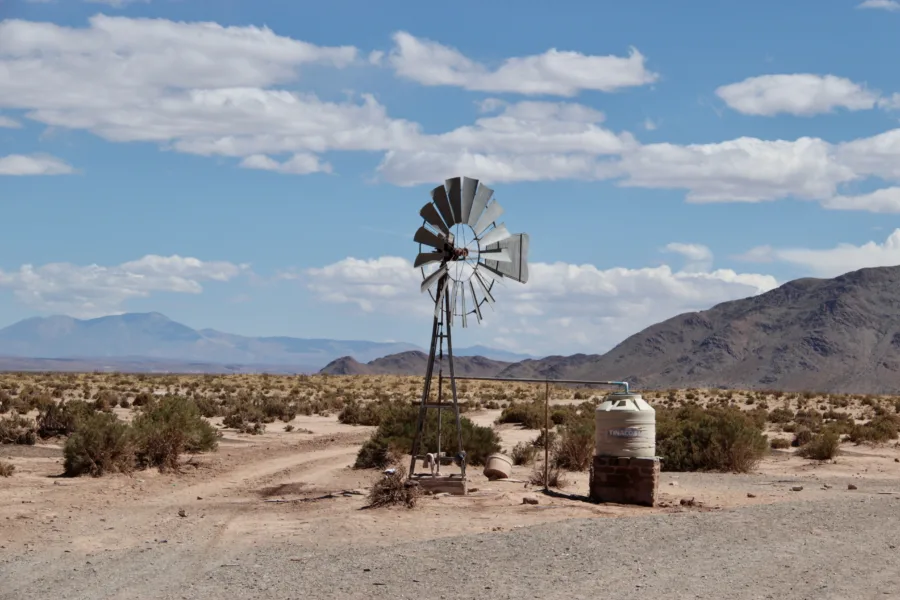
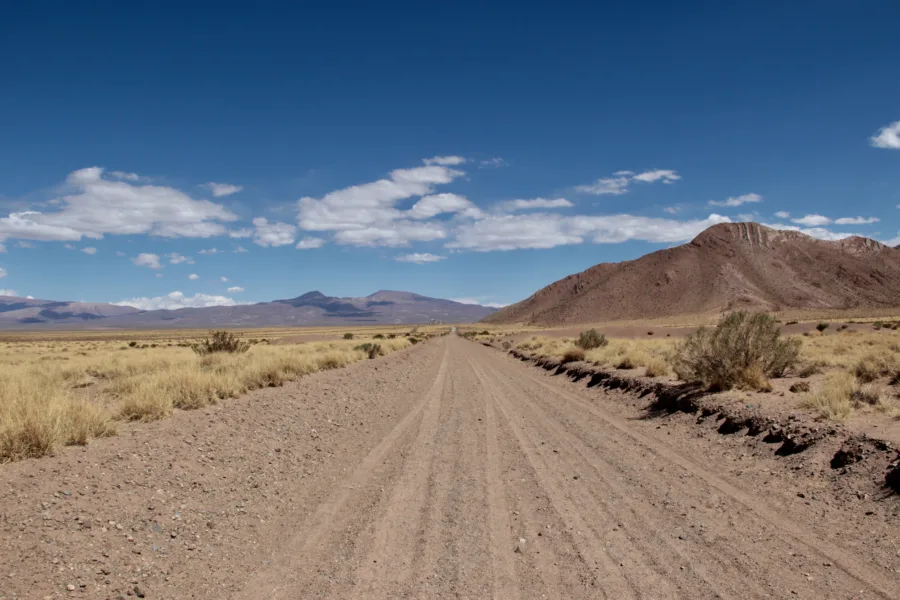
Soon after, we enter the Recta de Tin Tin, an almost surreal stretch of perfectly straight road, 18 kilometres long, flanked by cardones, the iconic cactus plants of the region. To the right rises Cerro Tin Tin, to the left Cerro Negro, both silent witnesses to a landscape that feels untouched by time.
The Valle Encantado follows, a place sculpted by wind and water, dotted with caves and patrolled by condors soaring high above. The ascent continues until we reach Piedra del Molino at 3,348 metres above sea level, the route’s highest point. From here, the view opens dramatically onto the wild Quebrada del Escoipe and the vast Parque Nacional Los Cardones, a protected area that preserves this fragile high-altitude ecosystem.
One of the most visually striking moments of the day is the Cuesta del Obispo. Curve after curve, emerald-green hills unfold under an endlessly clear sky. It looks unreal, as if someone had drawn the landscape using only the brightest markers.
An Optional Escape into Nature: El Rey National Park
If you have an extra day in Salta, Parque Nacional El Rey is a rewarding detour. Established in 1948 to protect the flora and fauna of the Yungas region, the park lies about 200 kilometres from the city. Entry is free year-round, and only after heavy rains is a four-wheel-drive vehicle required to cross the internal streams.
The park can be visited on a day trip from Salta, but staying overnight at the campsite allows for a deeper experience. Hiking trails lead to places such as Laguna de los Patitos, the panoramic Pozo Verde, or the Sendero La Chuna, where nature feels genuinely untouched and wonderfully silent.
First Evening in Salta: Views and Folk Music
Back in Salta, the first evening deserves a slow pace. A cable car ride from Parque San Martín takes you up to Cerro San Bernardo, where an iced lemonade at sunset comes with a sweeping view over the city. The cable car usually runs until early evening and is an easy, scenic introduction to Salta.
Later, the perfect continuation is dinner at one of the traditional peñas. These are not tourist shows but living spaces where locals gather for food, music and dancing. Reserving a table is advisable, and the atmosphere is guaranteed to be lively and authentic.
Discovering Salta la Linda
Salta is known as “la linda”, the beautiful one, and it lives up to its name. Founded in 1582, it is one of the most elegant cultural centres in northwestern Argentina, with a refined colonial architecture, excellent museums and a strong musical tradition.
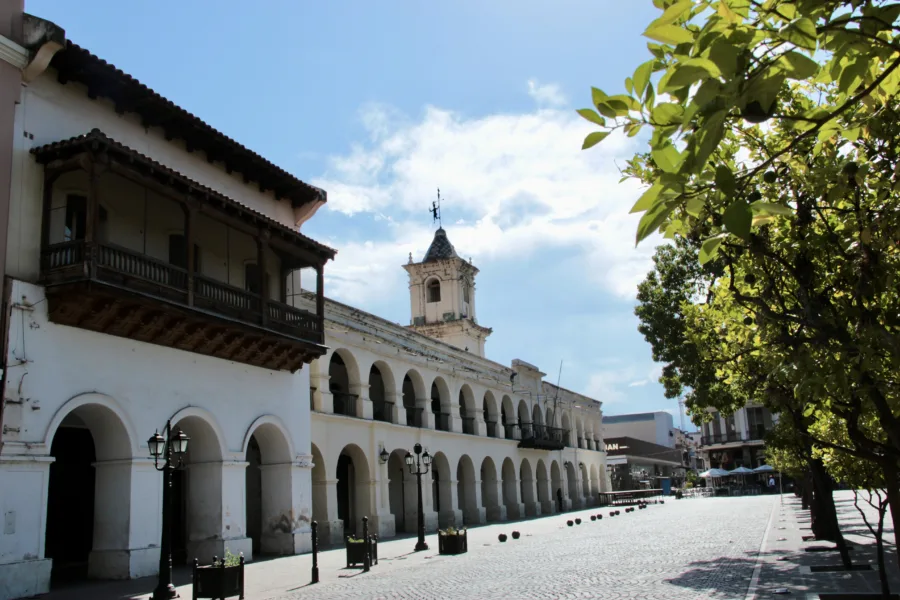
The city centre revolves around Plaza 9 de Julio, the only Argentine square entirely surrounded by arcades. It is a social hub, especially at lunchtime, when restaurant terraces fill up, and also home to several key museums.
The Cabildo, once the local administrative centre, now hosts the Museo Histórico del Norte, with pre-Columbian ceramics and colonial religious art. Just a few steps away is the MAAM, the Museo de Arqueología de Alta Montaña, dedicated to Inca culture and internationally known for the Llullaillaco mummies.
The Llullaillaco Mummies: A Powerful and Delicate Encounter
The MAAM preserves the remains of three Inca children discovered in 1999 on the summit of the Llullaillaco volcano at 6,739 metres. Thanks to extreme cold, low pressure and the absence of bacteria, the bodies are exceptionally well preserved.
Human sacrifice during the Inca period was considered essential to ensure fertility and well-being for the community. The children were chosen at birth, raised with care and prepared over the years for their role, which was seen as an honour for their families. After a pilgrimage to Cuzco for the capacocha ceremony, they were brought back to Salta, sedated with coca leaves and buried alive with their funerary offerings.
The museum presents their story with respect and restraint. It is an emotionally intense visit and, for many, the most moving experience in Salta.
Churches, Markets and Wandering Without a Map
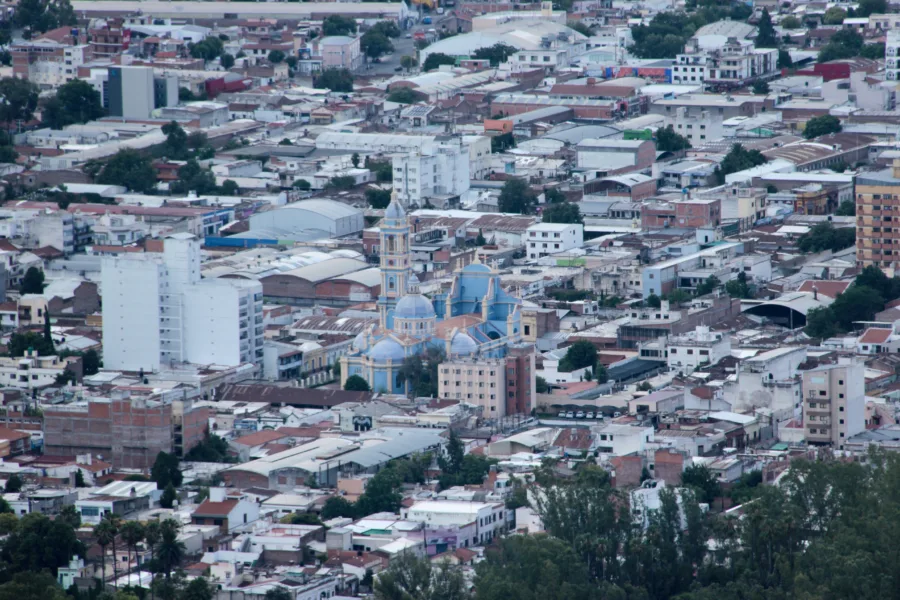
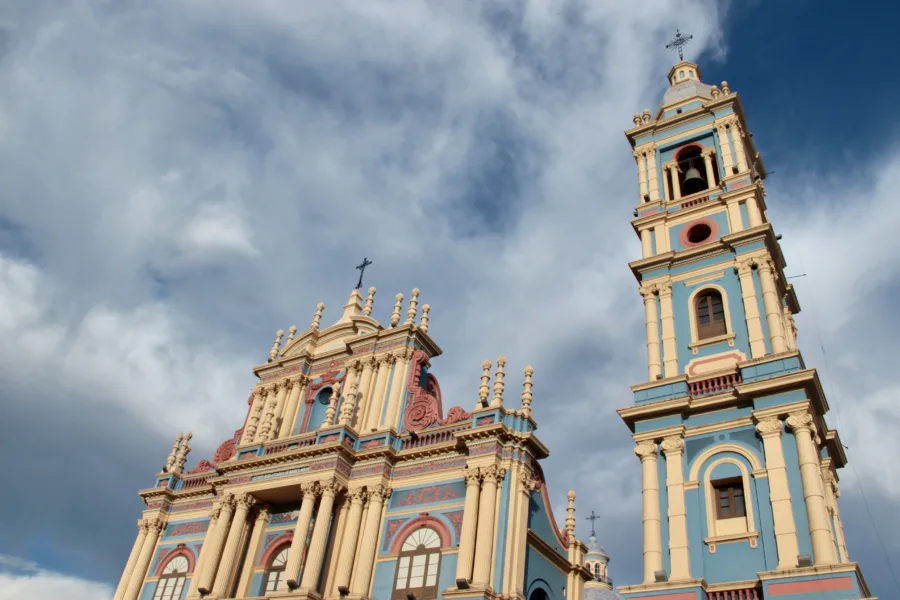
Among Salta’s religious buildings, the Cathedral Basilica stands out with its baroque and neo-baroque style, rebuilt after the 1856 earthquake. The Iglesia y Convento de San Francisco, with its yellow and magenta façade, is equally striking, while the Iglesia de la Candelaria de la Viña impresses with its imposing bell tower and bright pastel colours.
The Convento de San Bernardo cannot be visited inside, as it houses a community of cloistered Carmelite nuns, but the church itself opens briefly before mass.
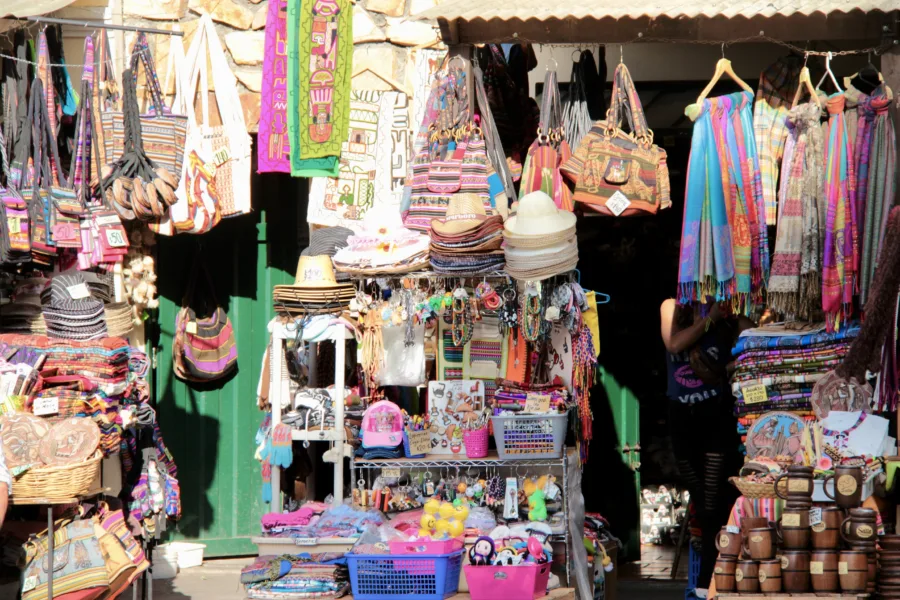
A visit to the Mercado de Artesanías is also worthwhile, not only for the handicrafts but for the building itself, the Casa de los Güemes, once the residence of General Martín Miguel de Güemes. Its Andalusian-style patios and wooden roofs create a beautiful architectural ensemble.
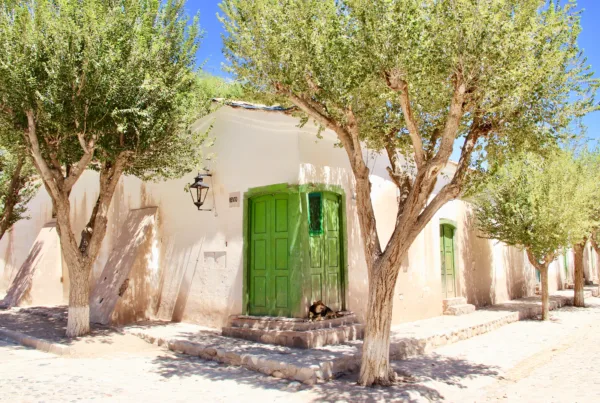
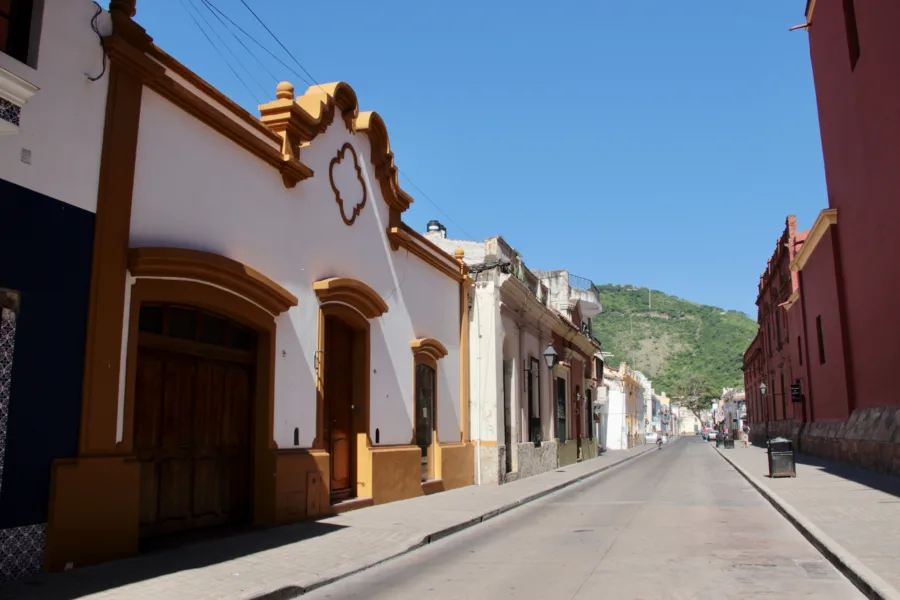
If time allows, the best way to experience Salta is to wander through the historic centre, admiring carved wooden balconies, painted doors and unexpected details. Falling in love with a place often requires leaving room for chance.
Peñas and Empanadas Salteñas
One of the most authentic peñas in town is La Casona del Molino, set in a former colonial mill dating back to 1671. Locals gather here late in the evening to eat, play music and share long conversations. The atmosphere is informal, joyful and deeply rooted in tradition.
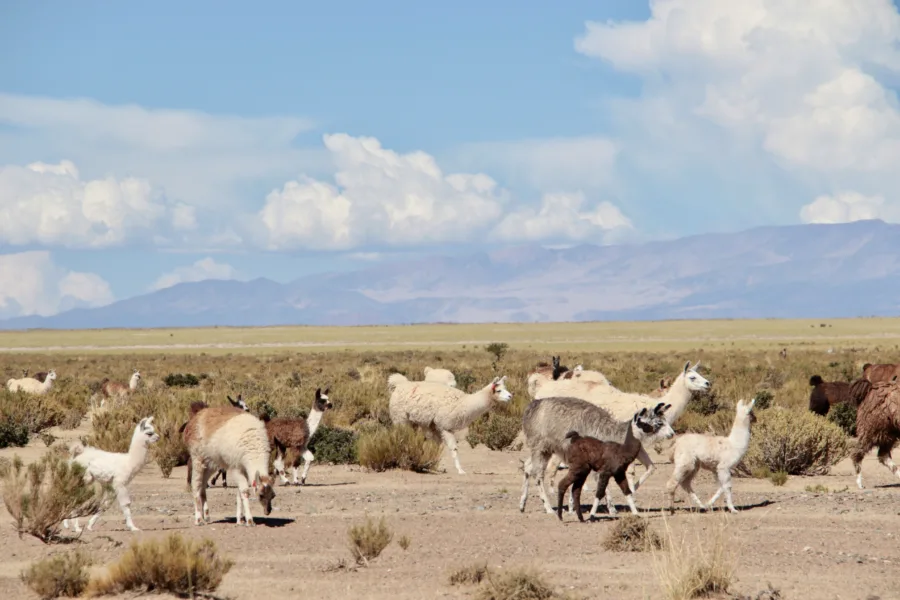
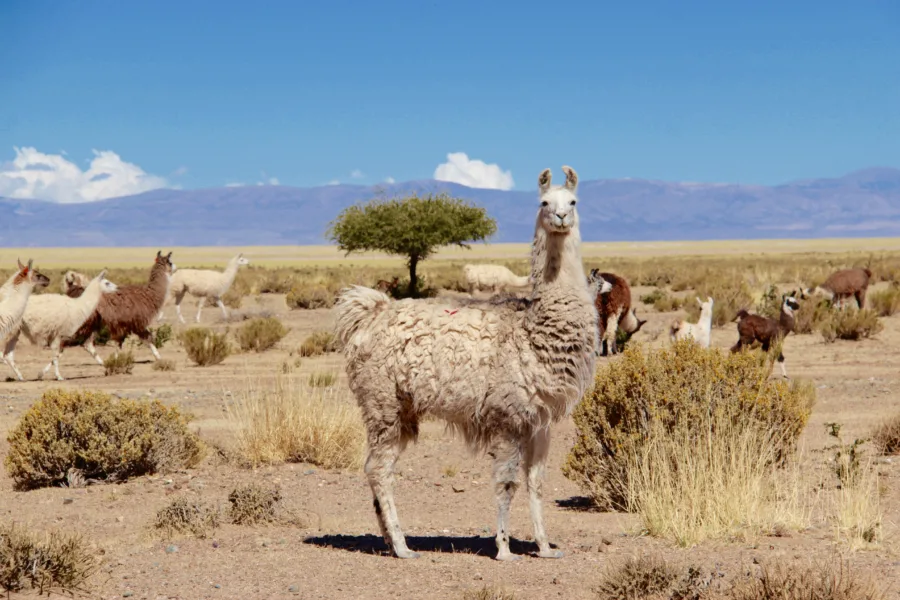
No visit to Salta is complete without tasting empanadas salteñas. These half-moon pastries are filled with hand-chopped beef, potatoes, hard-boiled egg and spring onion, then baked in the oven. Traditionally eaten cold, they are served with a mildly spicy tomato-and-chilli sauce. In the highlands, llama meat is sometimes used instead of beef.
From Salta to the High Andes: San Antonio de los Cobres and Beyond
Leaving Salta before dawn, we head towards San Antonio de los Cobres, following a dramatic road that parallels the famous Tren de las Nubes railway line. Stops along the way might include Cerrillos, Rosario de Lerma or Campo Quijano, gradually gaining altitude through fertile valleys and narrow canyons.
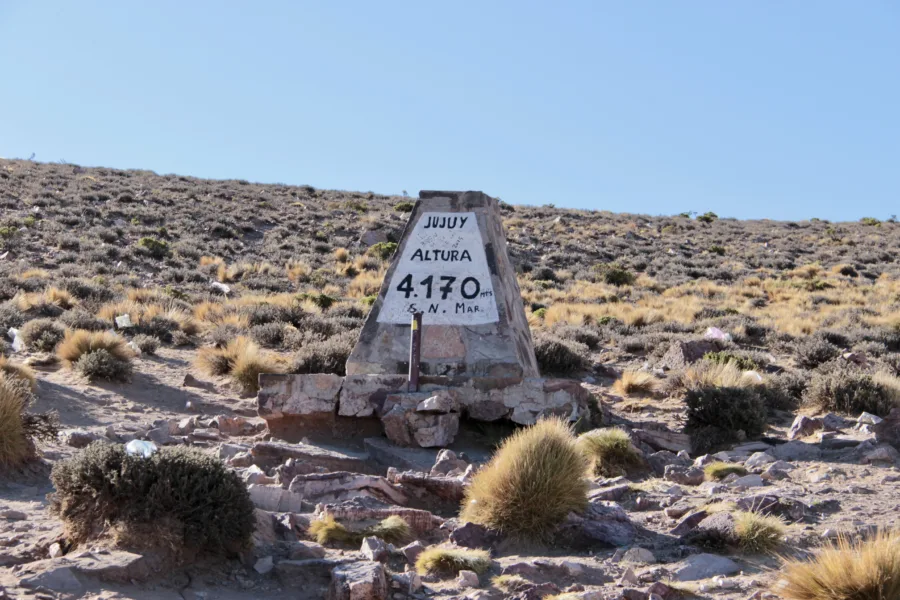
San Antonio de los Cobres lies at around 4,000 metres and has a stark, lunar quality. While it lacks major monuments, it offers a raw insight into Andean mining life. Nearby stands the Polvorilla Viaduct, the final stop of the Tren de las Nubes, where visitors can walk across and take in the vast landscape.
Tolar Grande, Ojos del Mar and the Salar de Arizaro
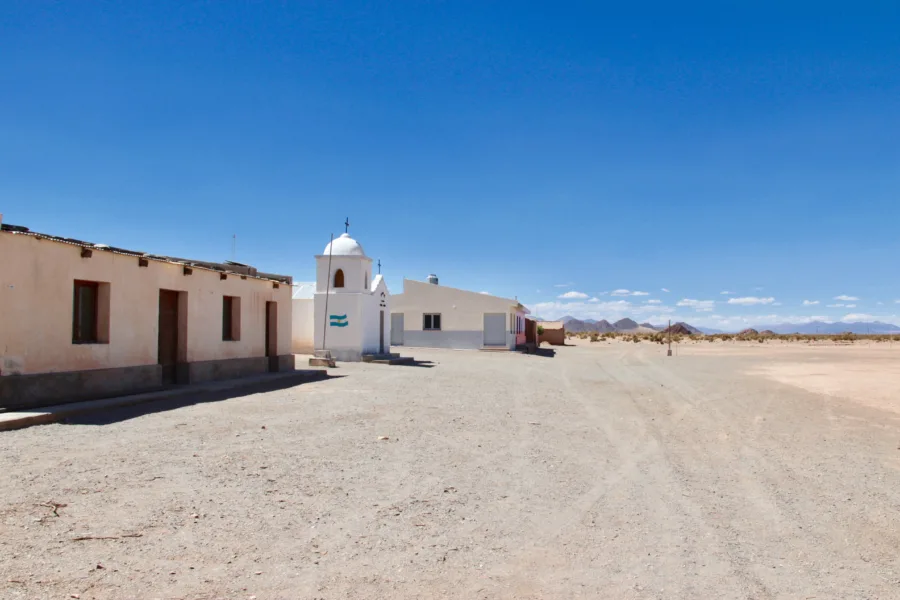
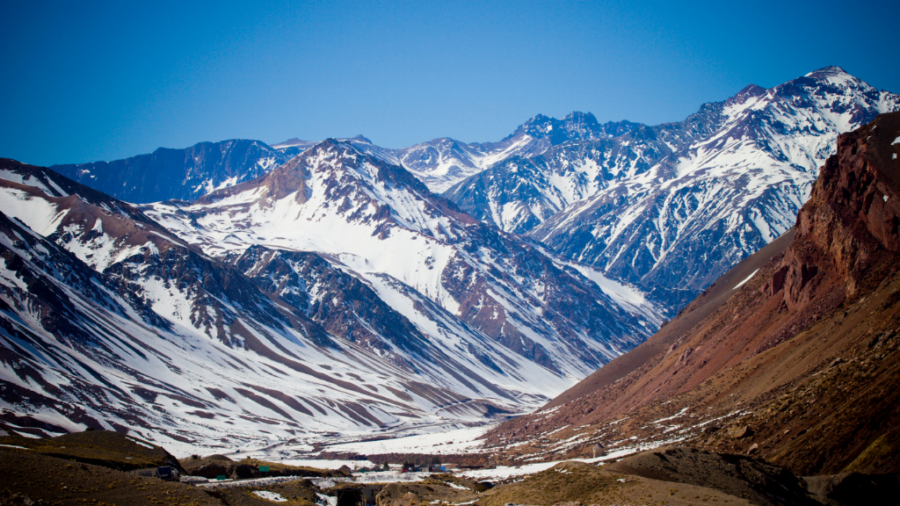
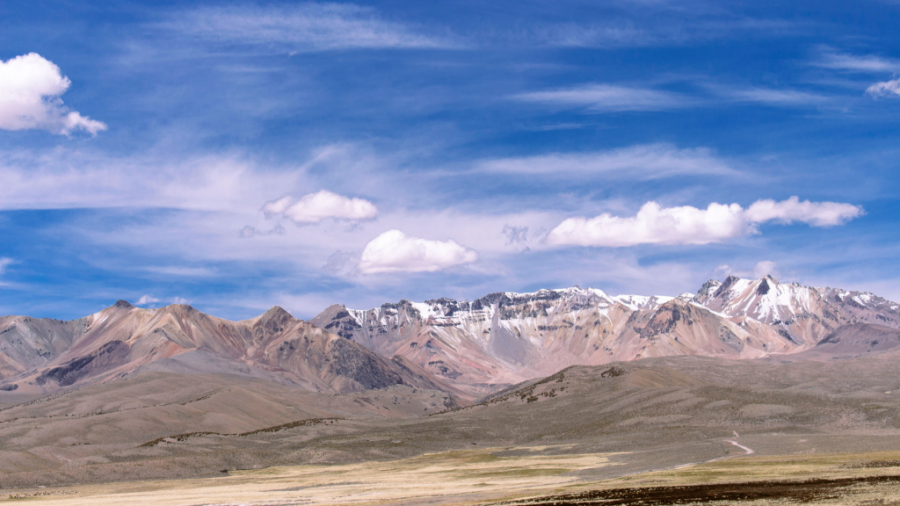
Beyond San Antonio, the journey enters the Argentine Puna, a high-altitude plateau defined by extreme temperatures and intense colours. Tolar Grande, once a railway settlement linking Salta to Antofagasta in Chile, is now home to around 200 people and surrounded by salt flats, red dunes and sacred mountains.
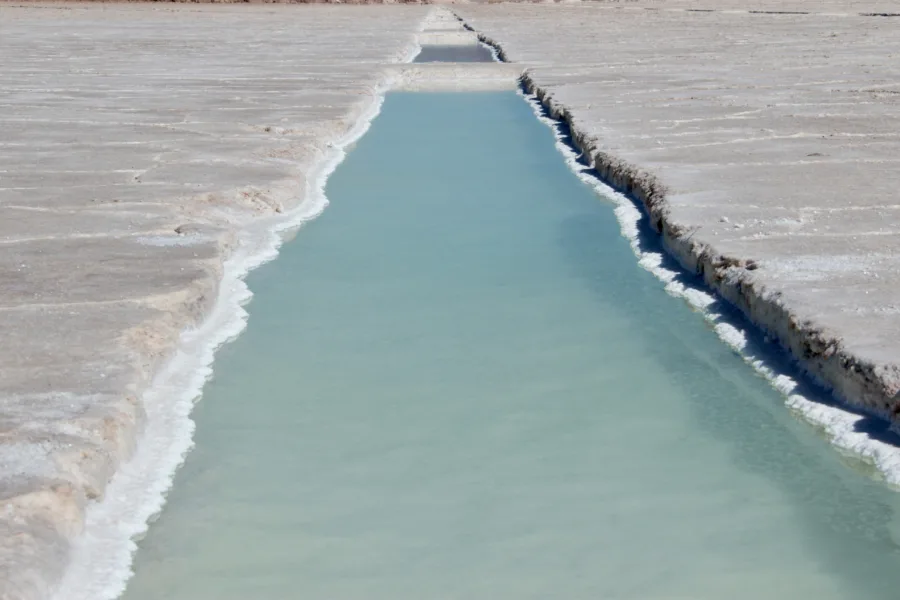
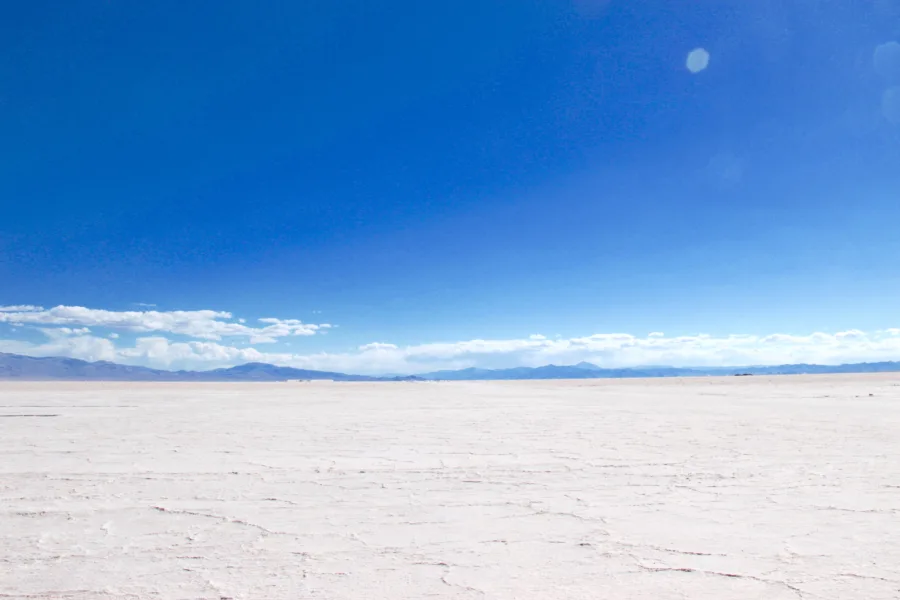
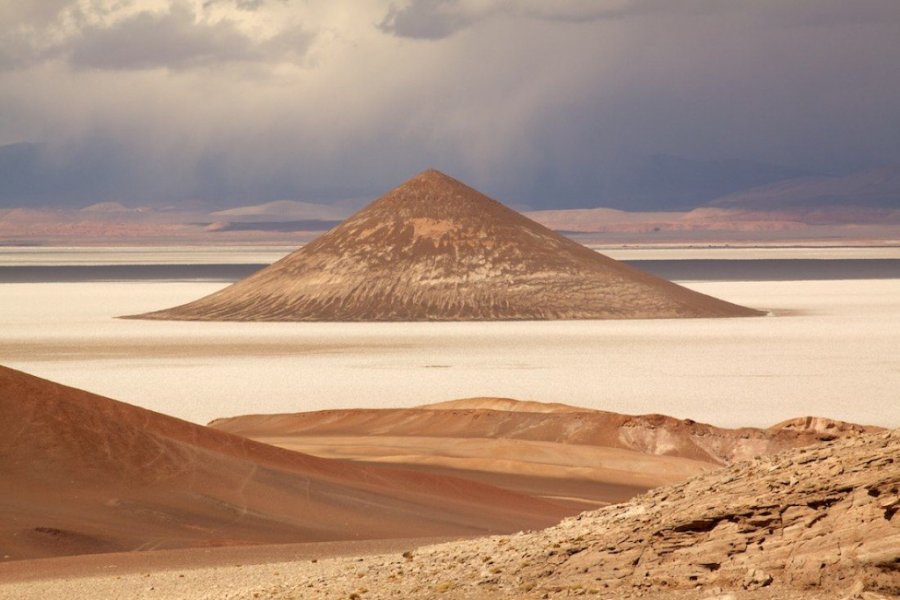
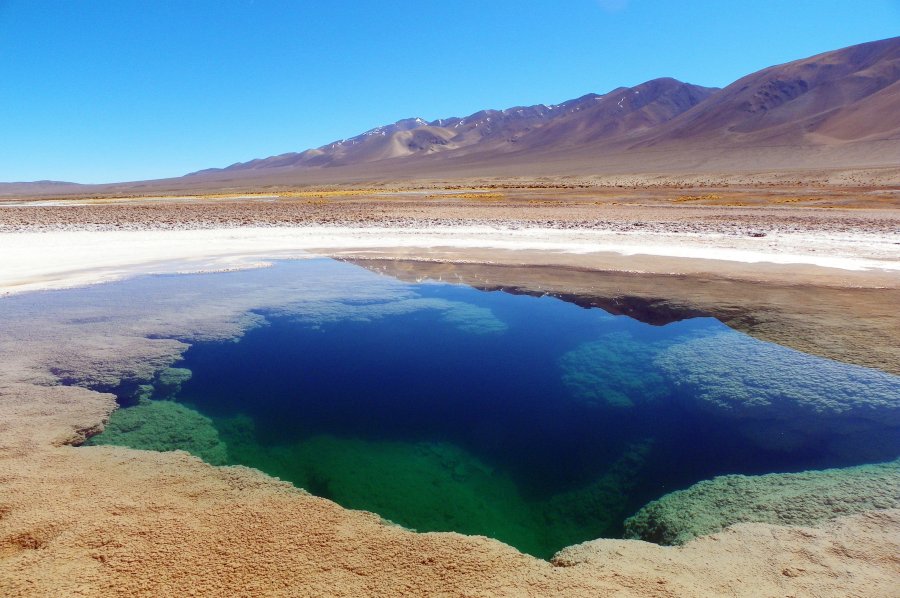

Nearby, the Ojos del Mar shimmer in turquoise and green, scientifically important for their ancient stromatolites. The Salar de Arizaro, one of the most extensive salt flats in the world, stretches for 1,600 square kilometres. Its symbolic heart is the perfectly shaped Cono de Arita, a striking natural pyramid rising from the white expanse.
Practical Tip: Coca Leaves and Altitude
In this region, chewing coca leaves or drinking them as an infusion is a long-standing tradition and legal locally. They help counter altitude-related symptoms such as fatigue and headaches. Coca is often sold mixed with bicarbonate, and while visitors may find the habit curious, it is deeply ingrained in local culture.
Salinas Grandes and the Hill of Seven Colours
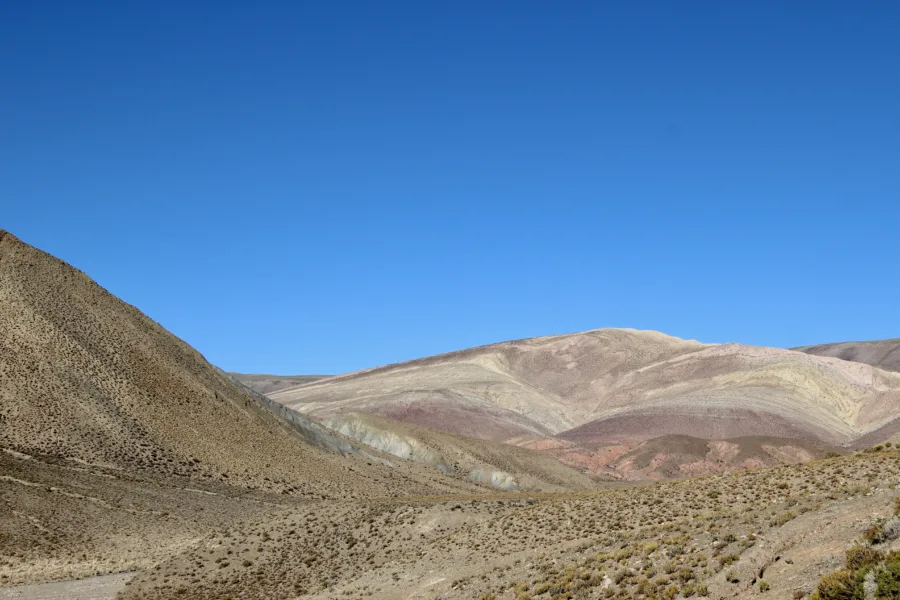
The final stretch leads to the Salinas Grandes, a blinding white expanse formed millions of years ago by volcanic activity and evaporation. Sun protection is essential here. From the salt flats, the road climbs the Cuesta de Lipán towards Purmamarca and the Cerro de los Siete Colores, where mineral-rich layers paint the hills in reds, greens, yellows and purples.
This is one of those landscapes that remain imprinted in memory long after the journey ends.
Why Salta Matters
Salta is more than a base for excursions. It is a city of culture, music and layered history, perfectly positioned between fertile valleys and extreme highlands. Staying here allows you to slow down, absorb the rhythm of the north and venture out daily into landscapes that feel vast, raw and profoundly moving.
For anyone planning a journey through northwestern Argentina, Salta is not just a stop. It is a cornerstone.