

Some travel memories are big and cinematic. Others are tiny, ridiculously specific, and somehow even more emotional.
Mine is a hot plate in Hiroshima in 2017, a two-seat counter, and a dish I had spent my entire childhood calling “Marrabbio’s meatballs”. If you grew up in Italy, my “Marrabbio meatballs” obsession probably needs one small clarification.
Marrabbio is Licia’s father in Kiss Me Licia, the anime we watched on repeat back in the day. The original Japanese title is Ai Shite Naito (Love Me, My Knight), produced by Toei Animation in 1983–1984 and based on Kaoru Tada’s manga. While the manga is set in Osaka, the anime shifts the story to Tokyo, following Yakko (Licia) and the rock band Bee Hive. Marrabbio, with his larger-than-life presence and his eternal “I’m hungry” energy, is also the reason many of us started associating Japanese comfort food with childhood longing, long before we even knew words like okonomiyaki.
Except, of course, they are not meatballs. They’re okonomiyaki. And finally, tasting them felt like a very personal, very delicious loop-closing.
Below is my guide to the Japanese dishes that keep popping up in the animated worlds many of us grew up with. For each one, I’m adding what it is, why it matters, and where you can try it for real.
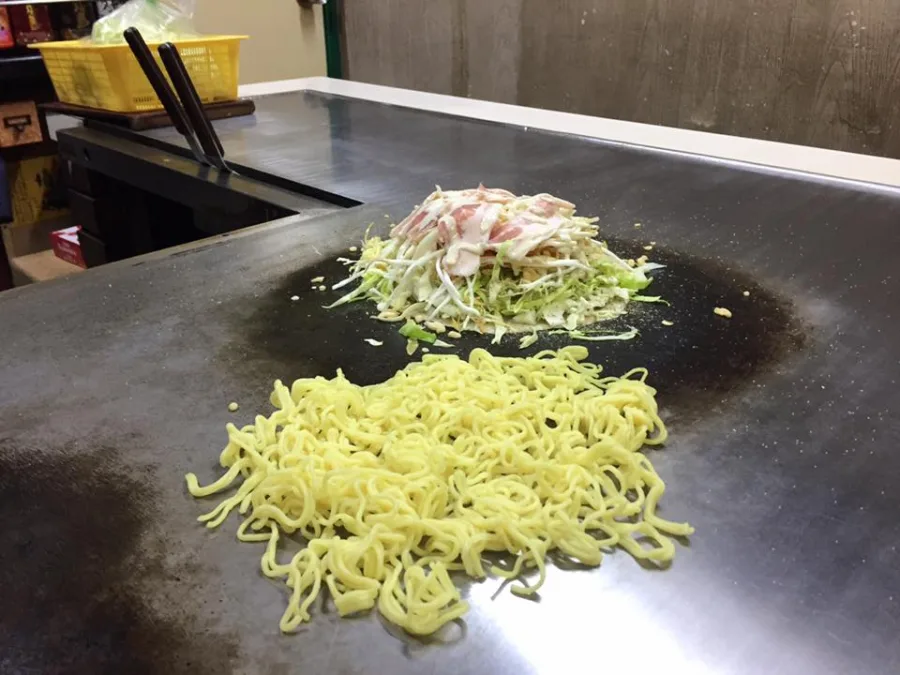
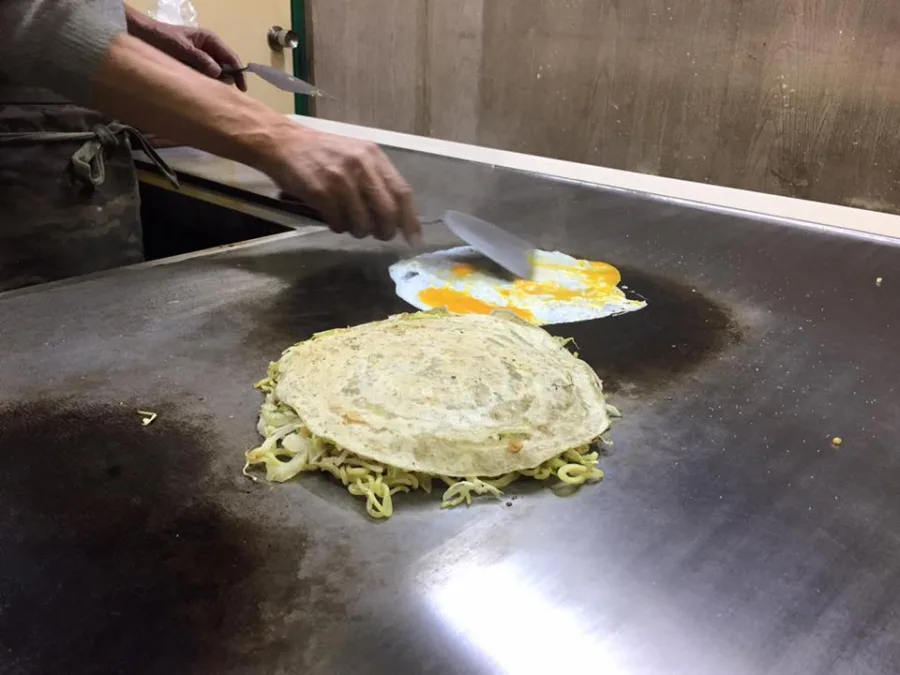
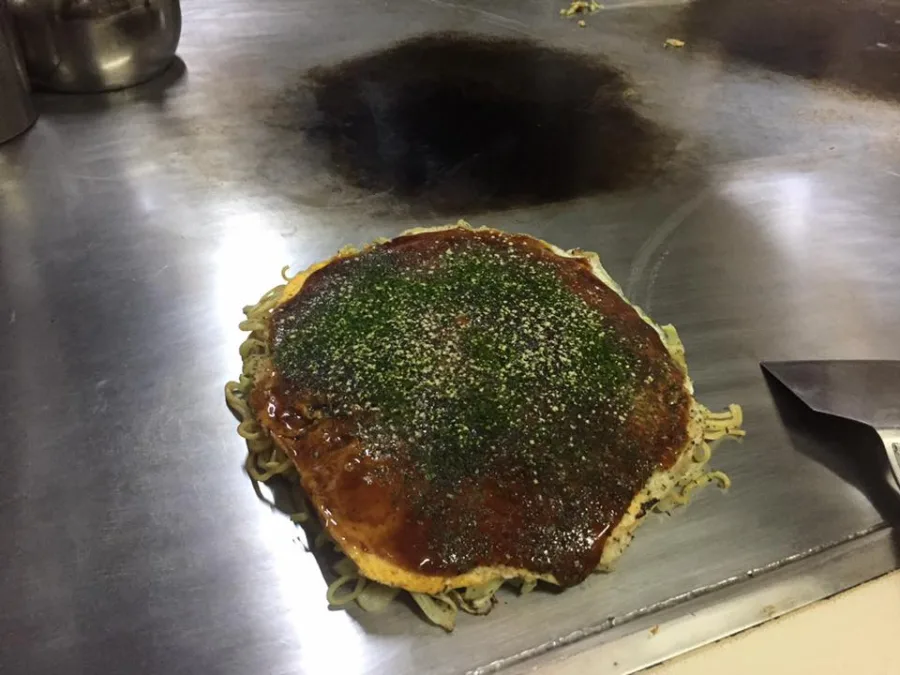
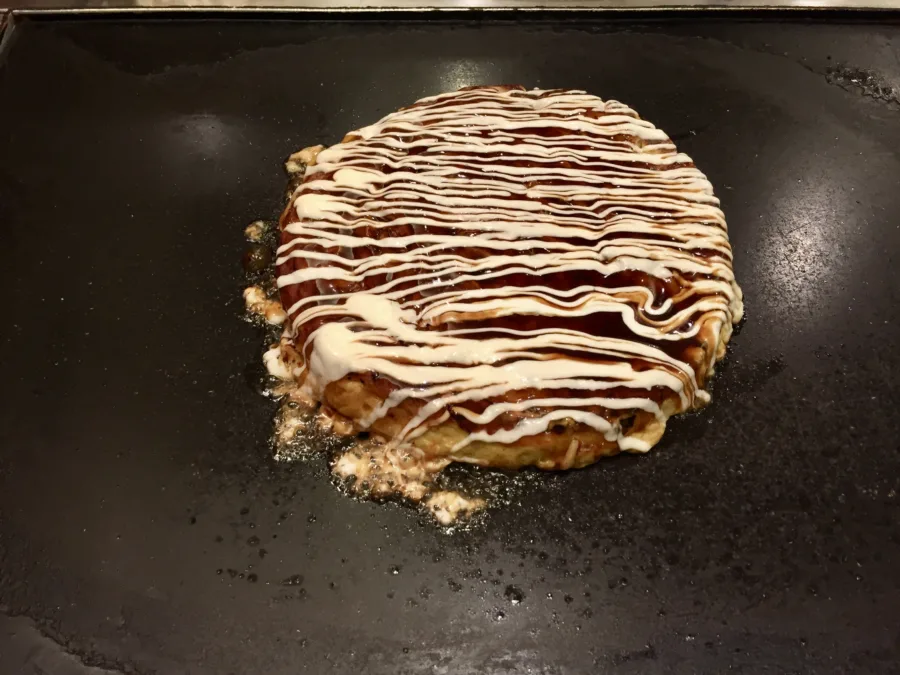
Okonomiyaki, aka the “Marrabbio meatballs” of my childhood
Okonomiyaki shows up a lot in anime scenes set at festivals, street markets, or cosy little neighbourhood places. It’s that food you watch being cooked, and you immediately want to teleport to Japan.
In my case, the teleportation happened in Hiroshima, at Yu-Sun. My “Marrabbio” for the evening was the owner, who was adorable in the most no-nonsense way: he cooked, watched me react, then realised we needed to talk properly, so he literally called an English-speaking friend and even phoned a regular who speaks English so we could chat. Two seats, a hot plate, and suddenly I wasn’t travelling alone at all.
Hiroshima-style vs Osaka-style
Two cities, two personalities:
- Hiroshima-style: layered, with a mountain of cabbage, usually yakisoba noodles, egg, and sauce. Built like architecture.
- Osaka-style: mixed batter, everything folded together into a thick pancake.
What’s in it
Cabbage, light batter, bean sprouts, pork belly, noodles (often), egg, okonomiyaki sauce, aonori, sometimes mayo.
Where to eat it
- Hiroshima: Okonomimura for variety, or tiny counters like Yu-Sun for the human warmth
- Osaka: Dotonbori and Namba are full of classic places
Ramen, the bowl that always looks like a hug
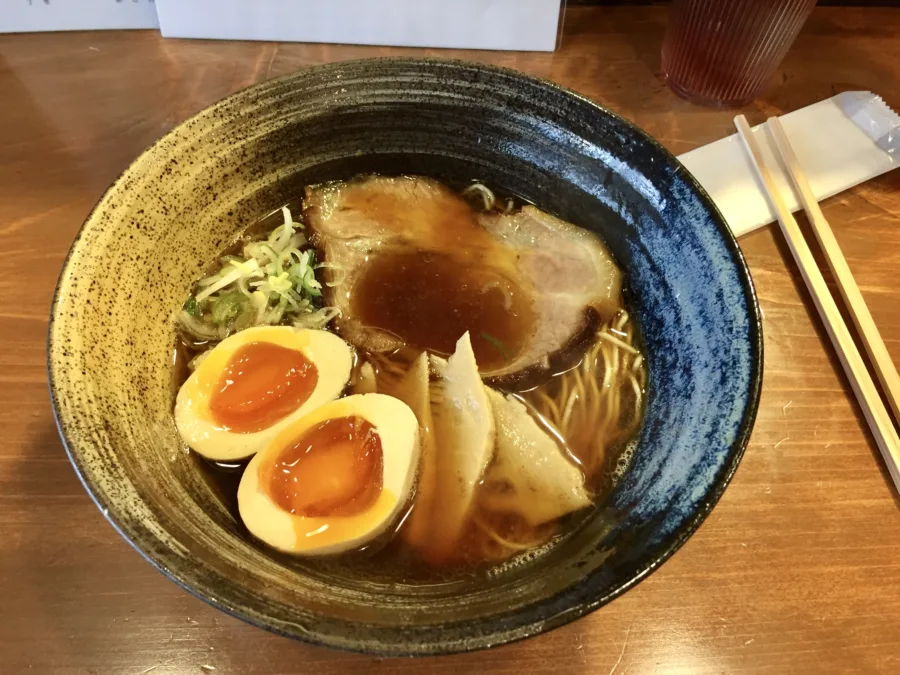
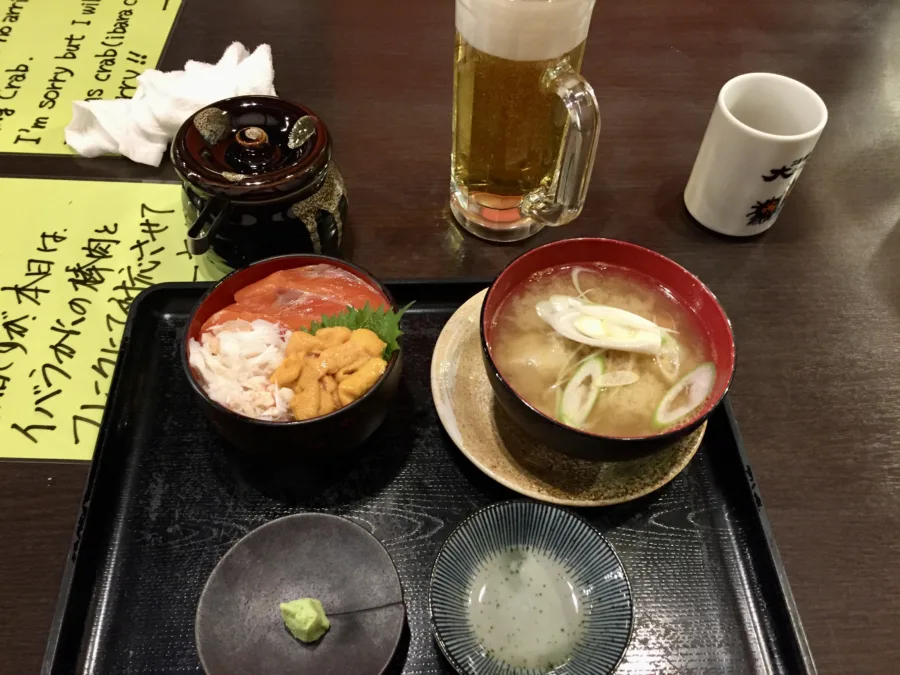
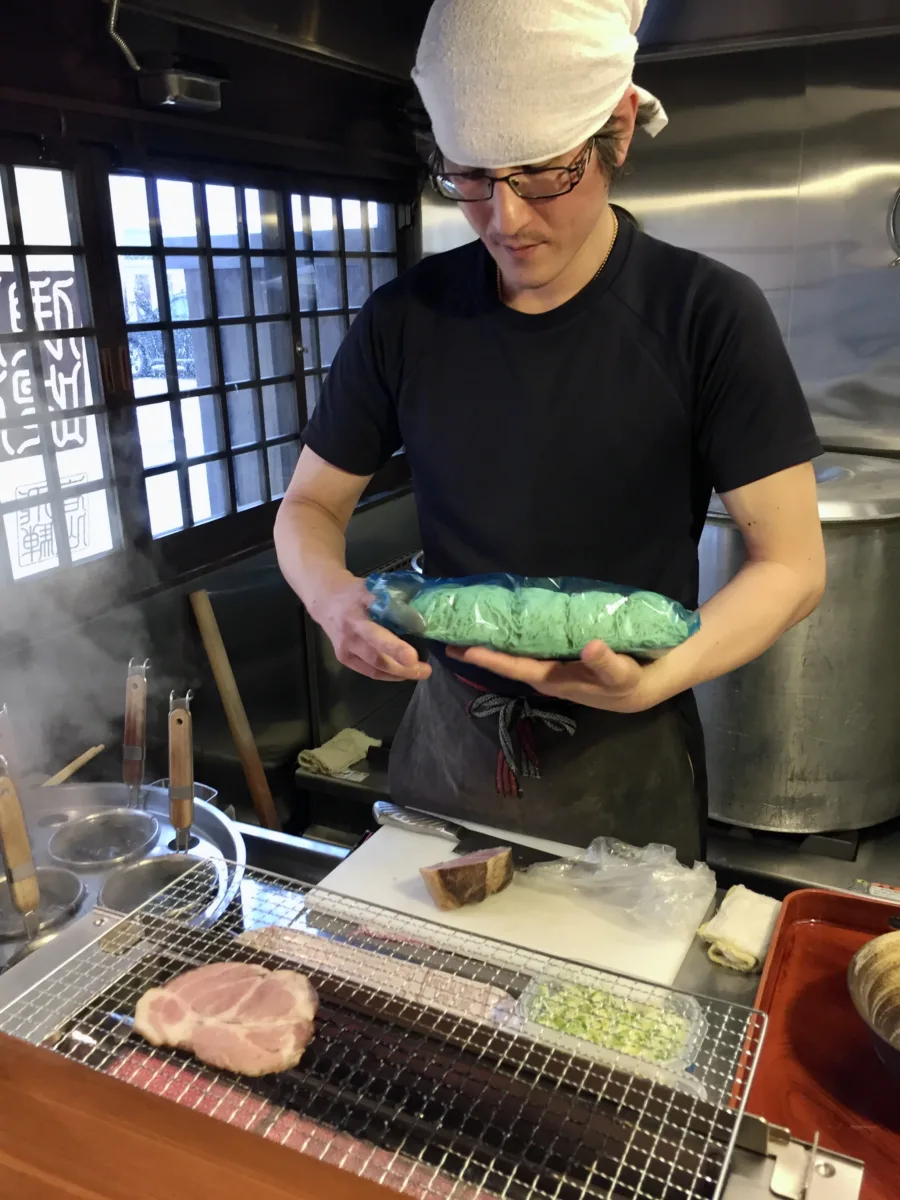
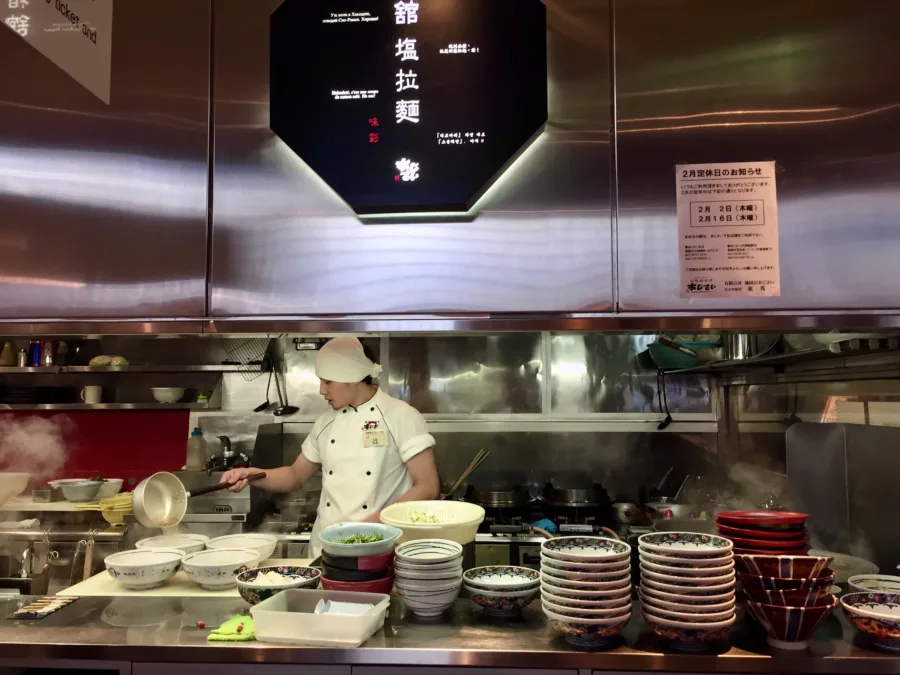
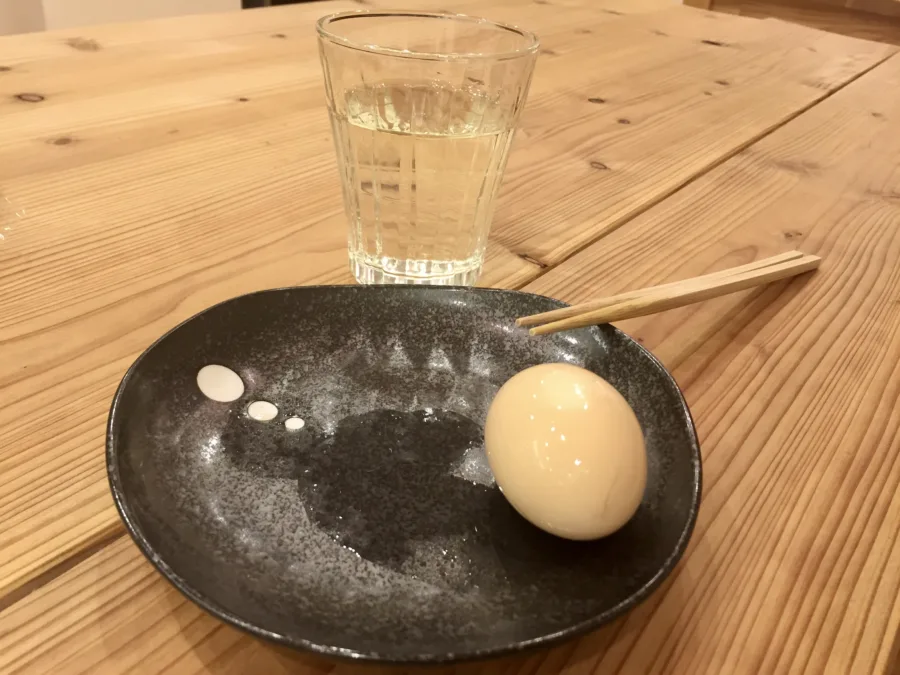
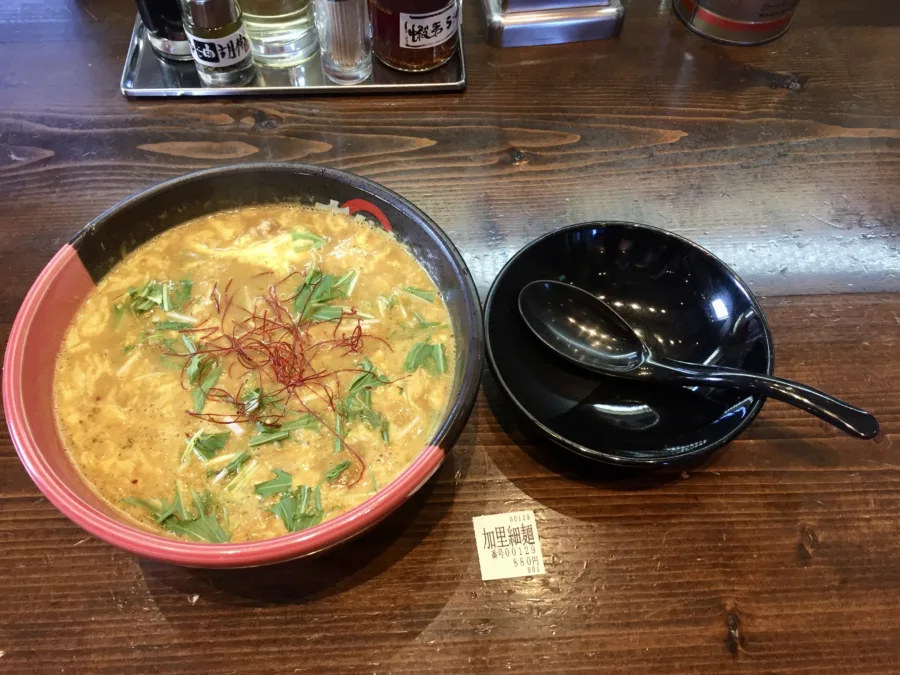
If there’s one dish that anime made into a life philosophy, it’s ramen. You see it constantly, especially in series where characters stop at a tiny counter after school, after training, after heartbreak.
The obvious reference is Naruto, but ramen scenes are everywhere in Japanese animation, because ramen is everywhere in real life, too.
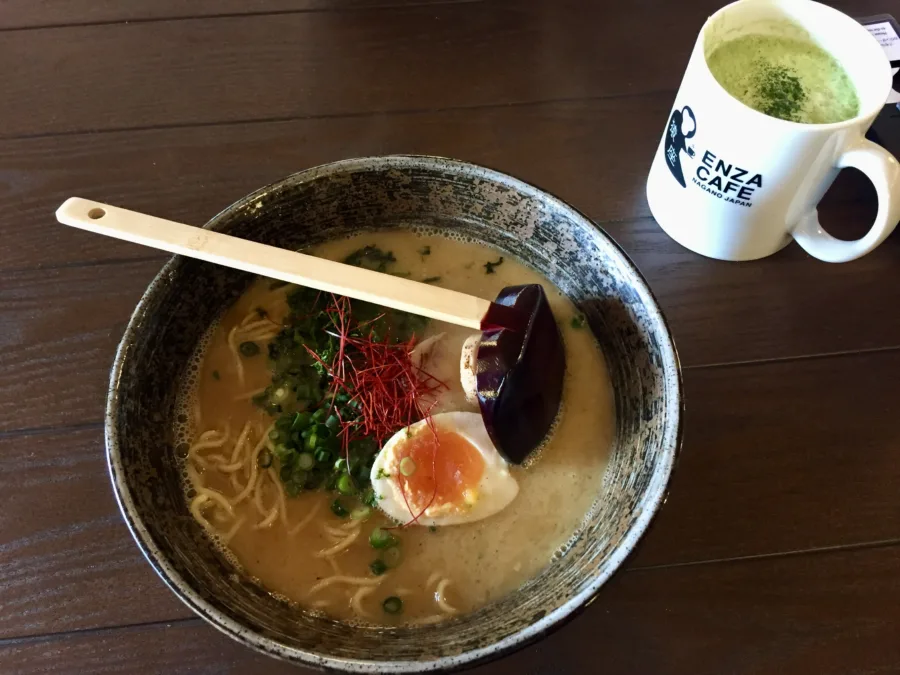
Main styles to know
- Shoyu: soy sauce based
- Miso: richer, comforting, often linked to colder regions
- Shio: lighter, salt-based
- Tonkotsu: creamy pork bone broth
Where to eat it
- Tokyo: endless choice, from station “ramen streets” to tiny neighbourhood legends
- Sapporo: miso ramen is basically winter in a bowl
- Fukuoka: tonkotsu heartland
Onigiri, the portable snack that shows up in every schoolbag
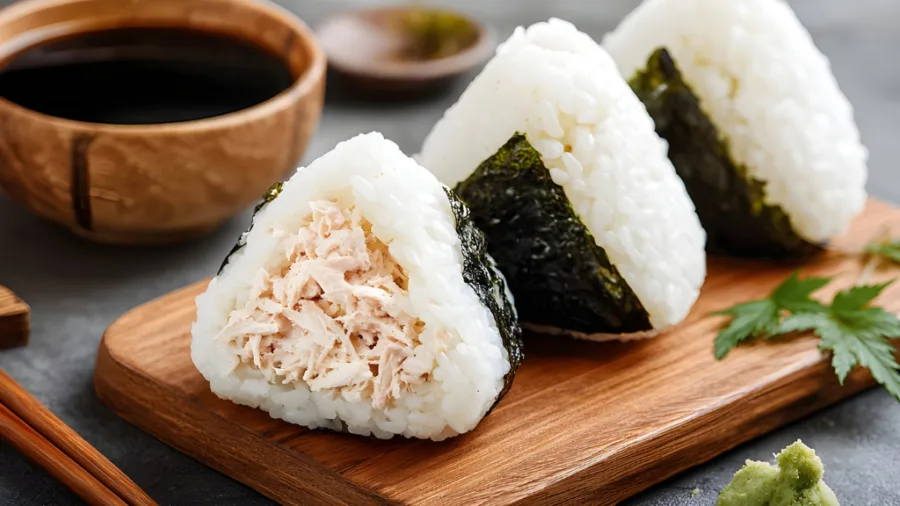
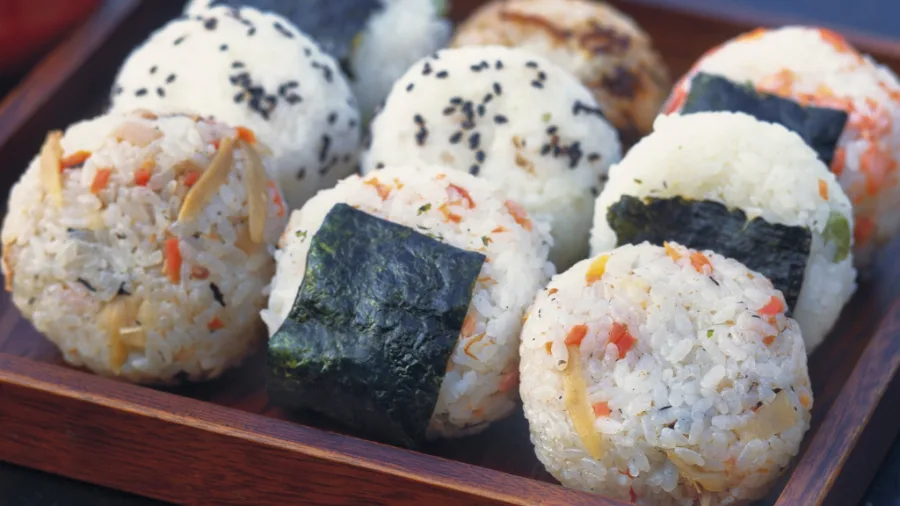
Onigiri appear constantly in slice-of-life anime: school lunches, train rides, picnic scenes. If you watched Captain Tsubasa or anything with school trips, you’ve seen them: the neat triangle wrapped in nori, eaten in two bites, somehow always looking perfect.
They’re simply rice balls with fillings, but in Japan, they’re a whole universe.
Classic fillings
Salmon, tuna mayo, kombu, umeboshi (pickled plum).
Where to eat them
- Any konbini (and they’re genuinely good)
- Specialist onigiri shops in Tokyo if you want the elevated version
Dorayaki, because Doraemon made it non-negotiable
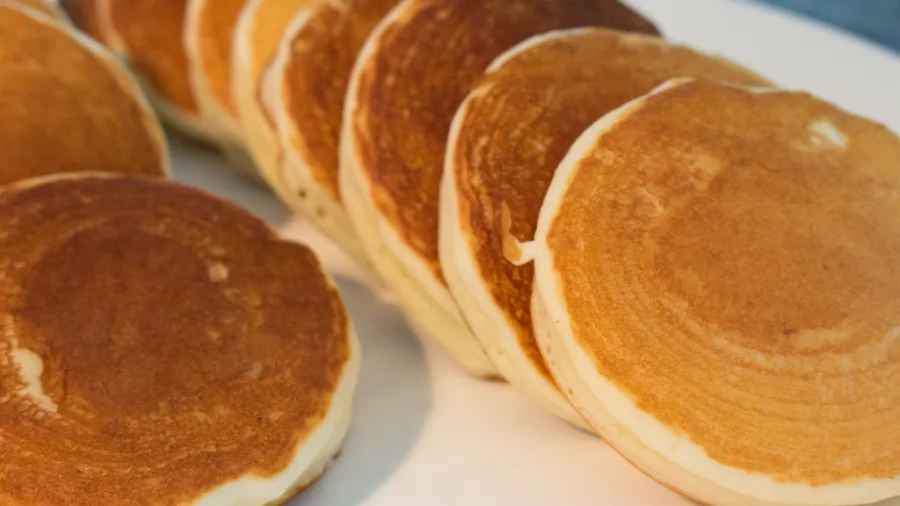
If you watched Doraemon, you don’t need an introduction: two fluffy pancake discs with sweet red bean paste, soft and comforting, the kind of thing that feels like childhood even when you’re eating it as an adult pretending to be sensible.
Where to eat it
Traditional sweet shops in Tokyo, Kyoto, Kamakura, and the dangerous wonderland of department store basements.
Takoyaki, the one that always burns your tongue
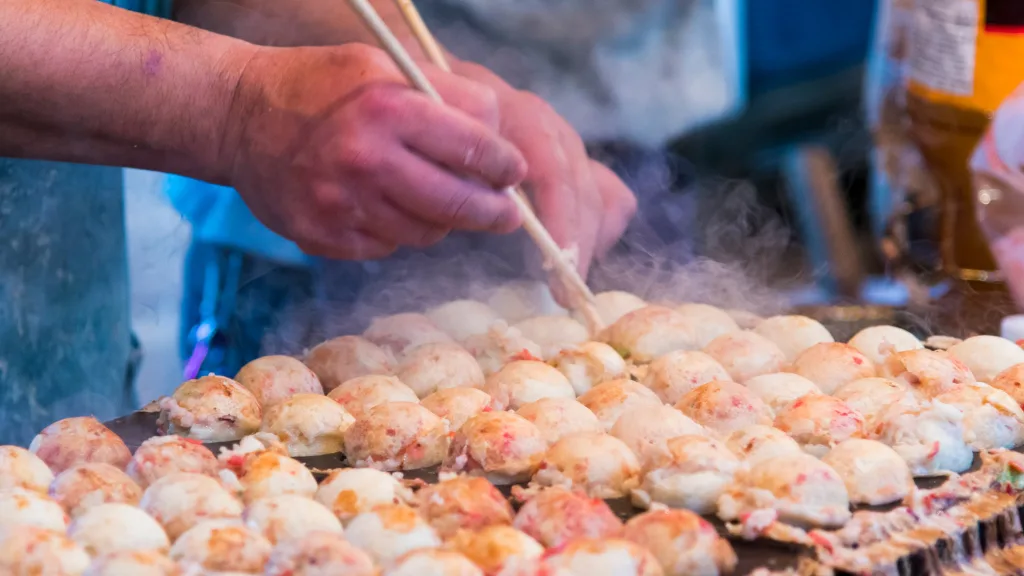
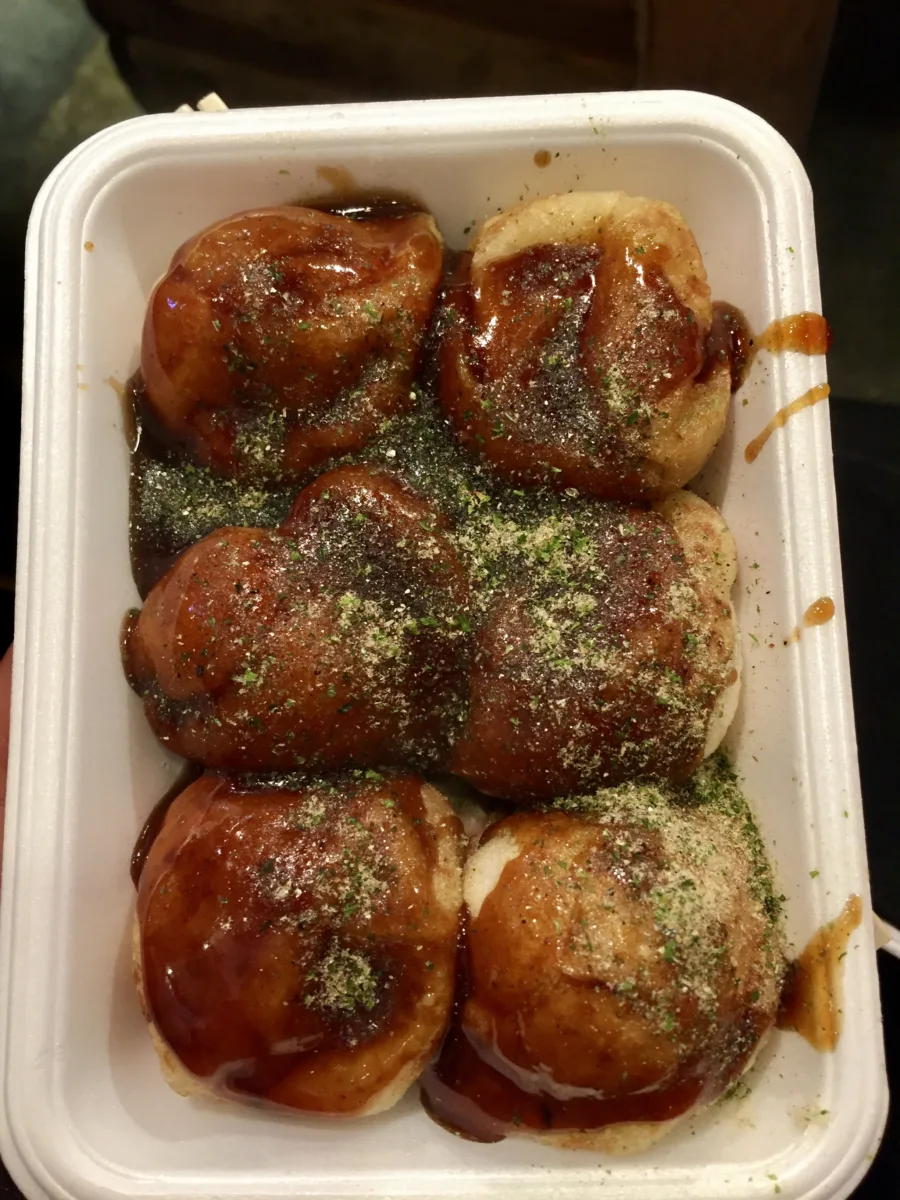
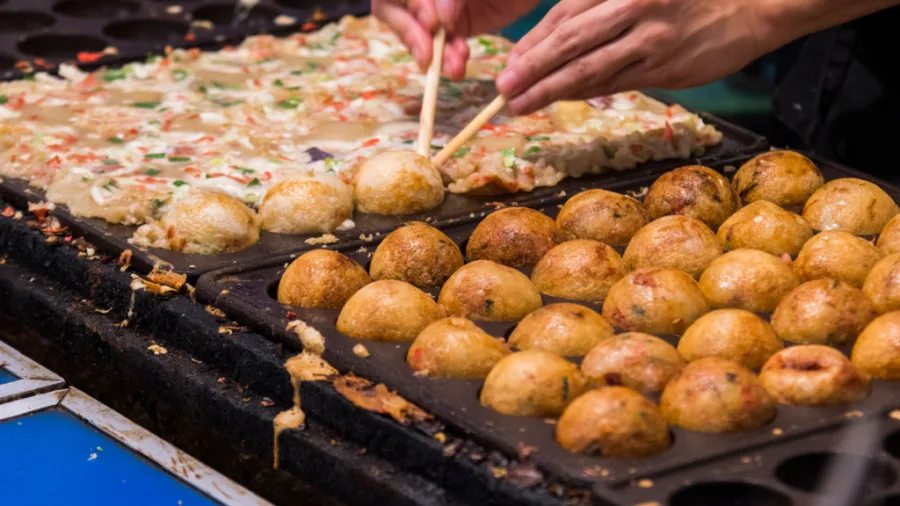
Takoyaki pop up in anime festival scenes and street-food moments: little balls, sauce, bonito flakes moving like tiny fish, someone inevitably eats one too fast and regrets it.
They’re an Osaka icon: batter with octopus, cooked in round moulds, topped with sauce and mayo.
Where to eat it
- Osaka: Dotonbori, Namba, Shinsekai
- Anywhere in Japan during festivals, but Osaka is where it feels like a rite of passage
Curry rice and katsudon, the “I’m starving” comfort duo
Anime characters eat curry like it’s fuel for life. Japanese curry is thick, mild, comforting, and incredibly reliable. Katsudon, on the other hand, is the dramatic bowl: rice, breaded pork cutlet, egg, sauce.
These dishes appear constantly in everyday-life scenes across countless series because they’re everyday-life staples.
Where to eat them
You’ll find both in casual diners all over Japan, especially near stations and business districts.
Yakisoba, the festival classic
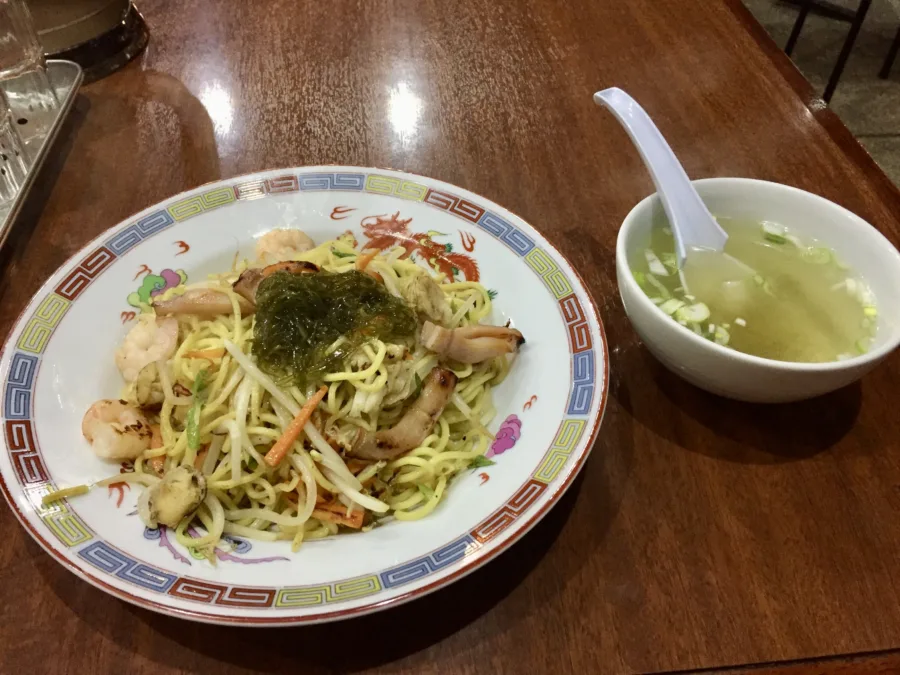
If you’ve watched anime summer festival scenes, you’ve seen yakisoba: noodles in a paper tray, eaten while walking, fireworks somewhere in the background.
Stir-fried noodles with sauce, cabbage, often pork. Simple, addictive.
Where to eat it
Street markets, matsuri, casual eateries, and often okonomiyaki places too.
Dango and taiyaki, the snacks that come with a storyline
Dango skewers are everywhere in animation: characters eating them while walking through temple streets or old neighbourhoods. Taiyaki, the fish-shaped cake filled with sweet paste, is the classic warm snack you buy because the smell wins.
These show up a lot in anime scenes set in traditional districts, and they taste exactly like you imagine they should.
Where to eat them
- Tokyo: Asakusa is a classic area for traditional snacks
- Kyoto: around temple routes and old streets
- Anywhere that looks like it has been there forever
Why anime food hits so hard when you taste it for real
Because it’s not just food. It’s a shortcut back to a mood: warmth, routine, friendship, hunger, comfort, curiosity. And Japan has this quiet talent for making everyday dishes feel cared for.
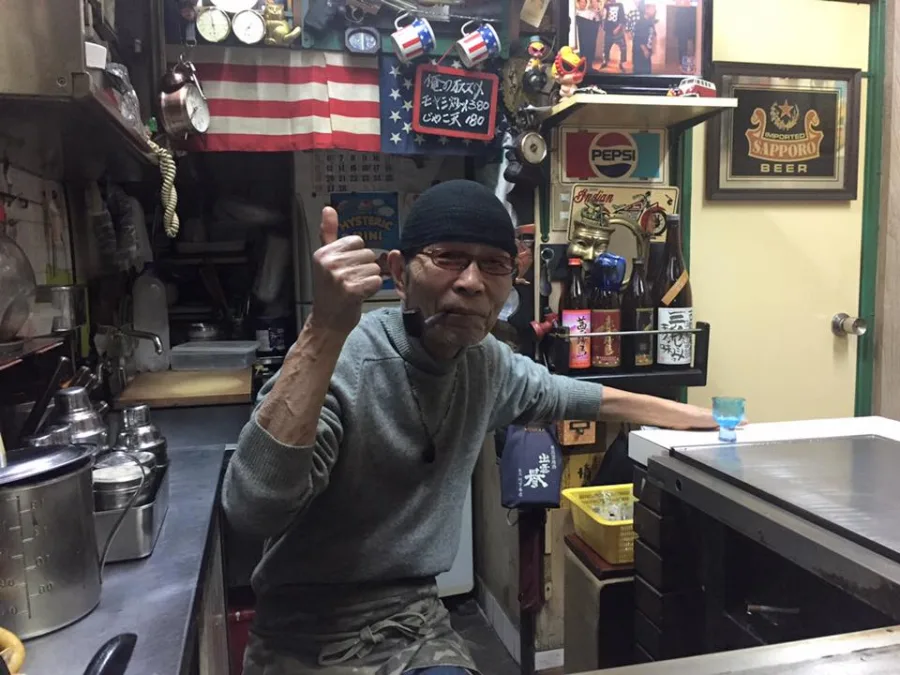
For me, it started with okonomiyaki in Hiroshima and a man who made sure I didn’t just eat, but also belonged, even for one evening.