

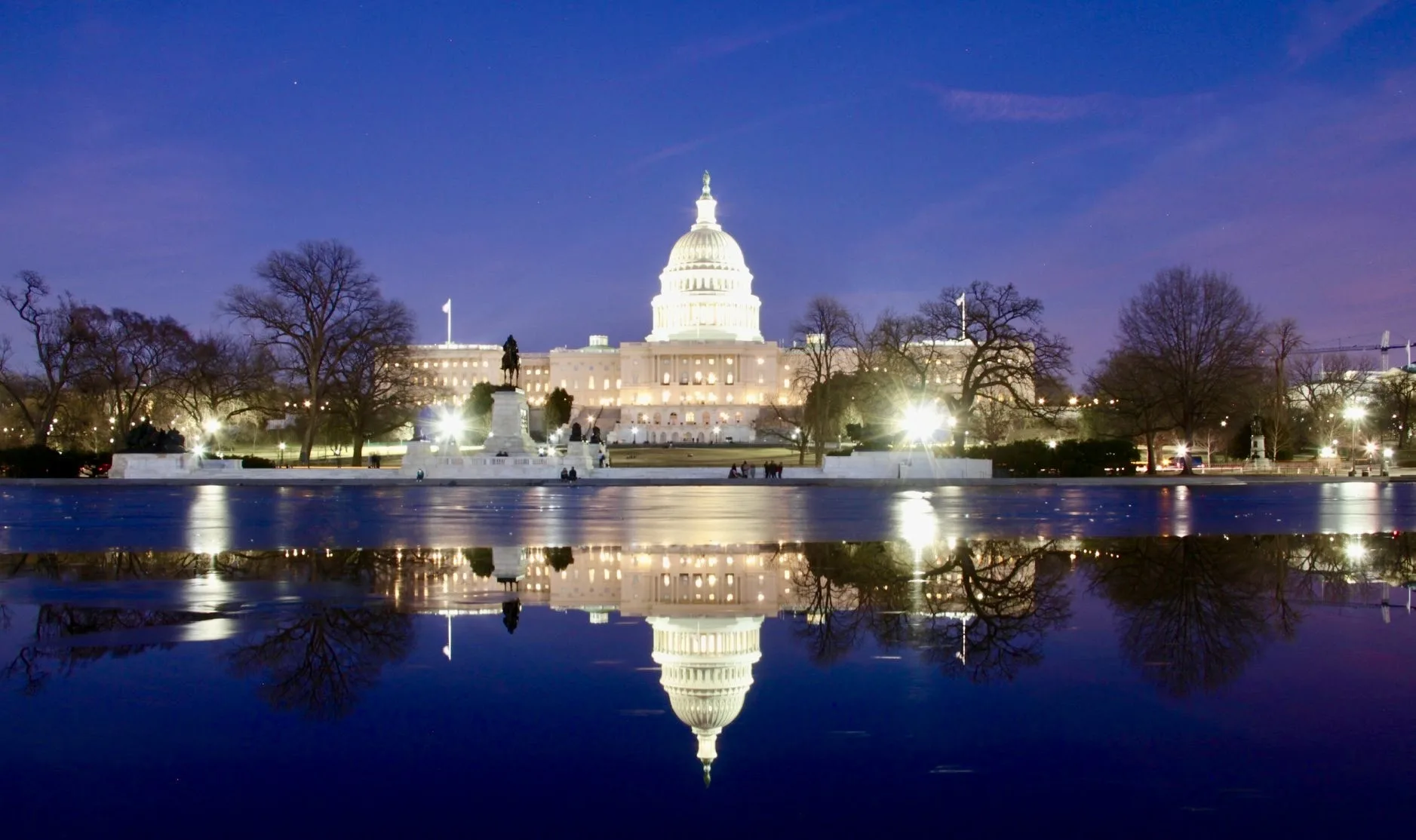

In short: four days is a comfortable first solo visit to Washington, DC. It lets you give the free Smithsonian museums the better part of two days, walk the National Mall and its monuments, spend proper time in Georgetown, and add a day trip to Mount Vernon or Old Town Alexandria. The city is walkable and reachable on the Metro, so you do not need a car.
Four days of museums, monuments and Georgetown daydreams.
Partway through my two-month Amtrak journey from New York to San Francisco (you can read the whole route here), I stepped off the train in Washington, sandwiched neatly between Philadelphia and Colonial Williamsburg (my deep dive into Williamsburg is over here). Travelling alone, I gave myself a leisurely four days to discover the capital. Here is how it went, from dawn museum marathons to jazz-soaked evenings in Georgetown.
How to get there
I rolled into Washington Union Station in style, aboard Amtrak’s Capitol Limited from Philadelphia. If you are flying, Reagan National (DCA) is the closest airport, with a direct Metro link on the Yellow and Blue lines into downtown. Dulles (IAD) and Baltimore-Washington (BWI) both connect by shuttle or rail. For sheer romance, though, nothing beats arriving by train: no security queues, your luggage stowed safely below the carriage, and the city unfolding as you pull in.
Getting around the district
Once you are here, DC is wonderfully walkable, especially the National Mall and the neighbourhoods around it. For longer hops, the Metro (six colour-coded lines) reaches everything from Arlington to Silver Spring, and day-pass options make hopping on and off easy. Metrobus fills in the gaps, and rideshare scooters and bikes can carry you across the Tidal Basin in minutes. Taxis, Uber and Lyft are plentiful after dark, when the Metro thins out.
A quick note: the DC Circulator, the cheap red loop buses that a lot of older guides still mention, stopped running at the end of 2024. If you read about them elsewhere, ignore it and use Metro and Metrobus instead.
A brief local history
Founded in 1790 on land ceded by Maryland and Virginia, Washington was designed by Pierre L’Enfant as a grand federal city, with boulevards radiating from ceremonial spaces in a way that echoes Paris and Rome. Over two centuries it grew from a sleepy government town into a global capital. The neoclassical monuments along the Mall speak to the ideals the country likes to tell about itself, while quiet alleys and old neighbourhoods like Georgetown reach back to colonial mills and the tobacco trade. From the burning of Washington in the War of 1812 to the civil-rights marches on the Mall, the city’s layered past gives every column and cobblestone a story.


Days 1 and 2: a museum marathon, Smithsonian style
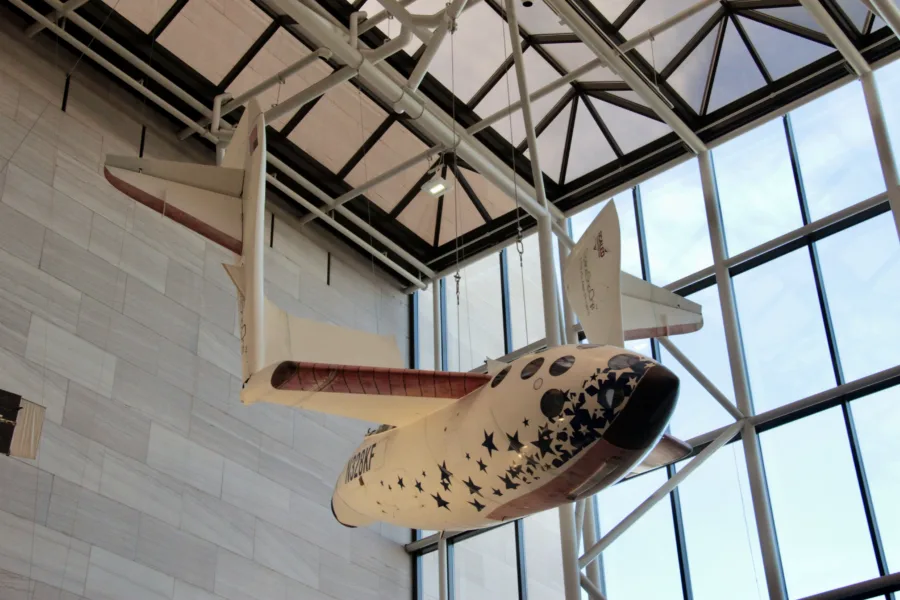
I gave nearly two full days to the Smithsonian, headphones in, notebook out, completely absorbed. One practical thing to know before you go: the National Air and Space Museum on the Mall has been under a major, phased renovation, so galleries open and close in stages. It is worth checking the museum’s website for what is open on the day you visit, because the line-up shifts.
National Air and Space Museum
My favourite, renovation and all. I lingered for hours in front of the objects that made me feel small in the best way:
The Apollo 11 command module Columbia, the actual capsule that carried the crew to the Moon and back. A genuine goose-bump moment. Lindbergh’s Spirit of St. Louis, the little plane that crossed the Atlantic. And a Mars simulator that let me pretend, more or less, to drive a rover.
A tip: arrive at opening, then find a quiet coffee spot before the halls fill up.
American History and Natural History
Next door at the National Museum of American History, I stood far too long in front of Dorothy’s ruby slippers and the original Star-Spangled Banner. On the second day, the National Museum of Natural History had me gaping at the great whale suspended in the Sant Ocean Hall, and at the Hall of Geology, Gems and Minerals, where the Hope Diamond sits behind glass with a small crowd permanently gathered around it.
Day 3, morning: monuments and neoclassical calm
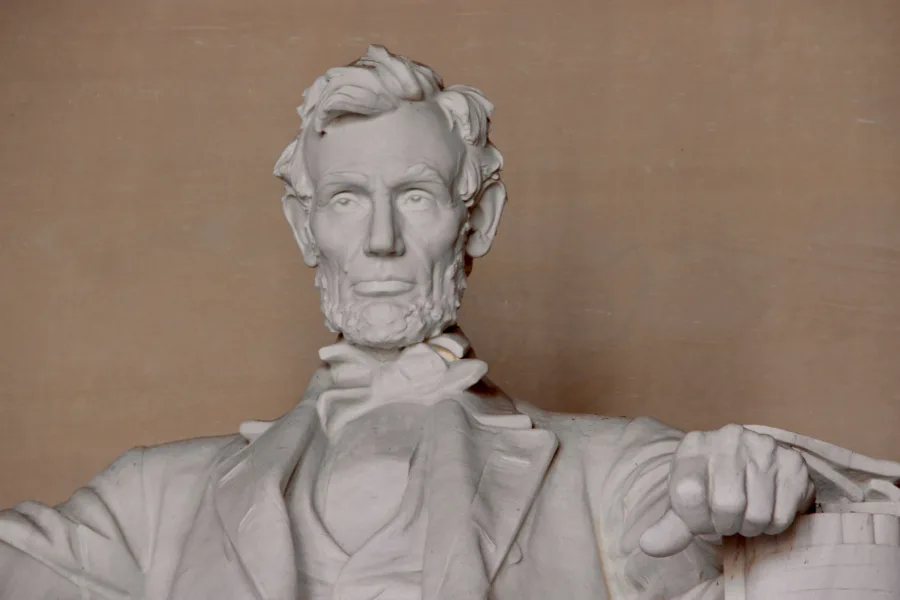
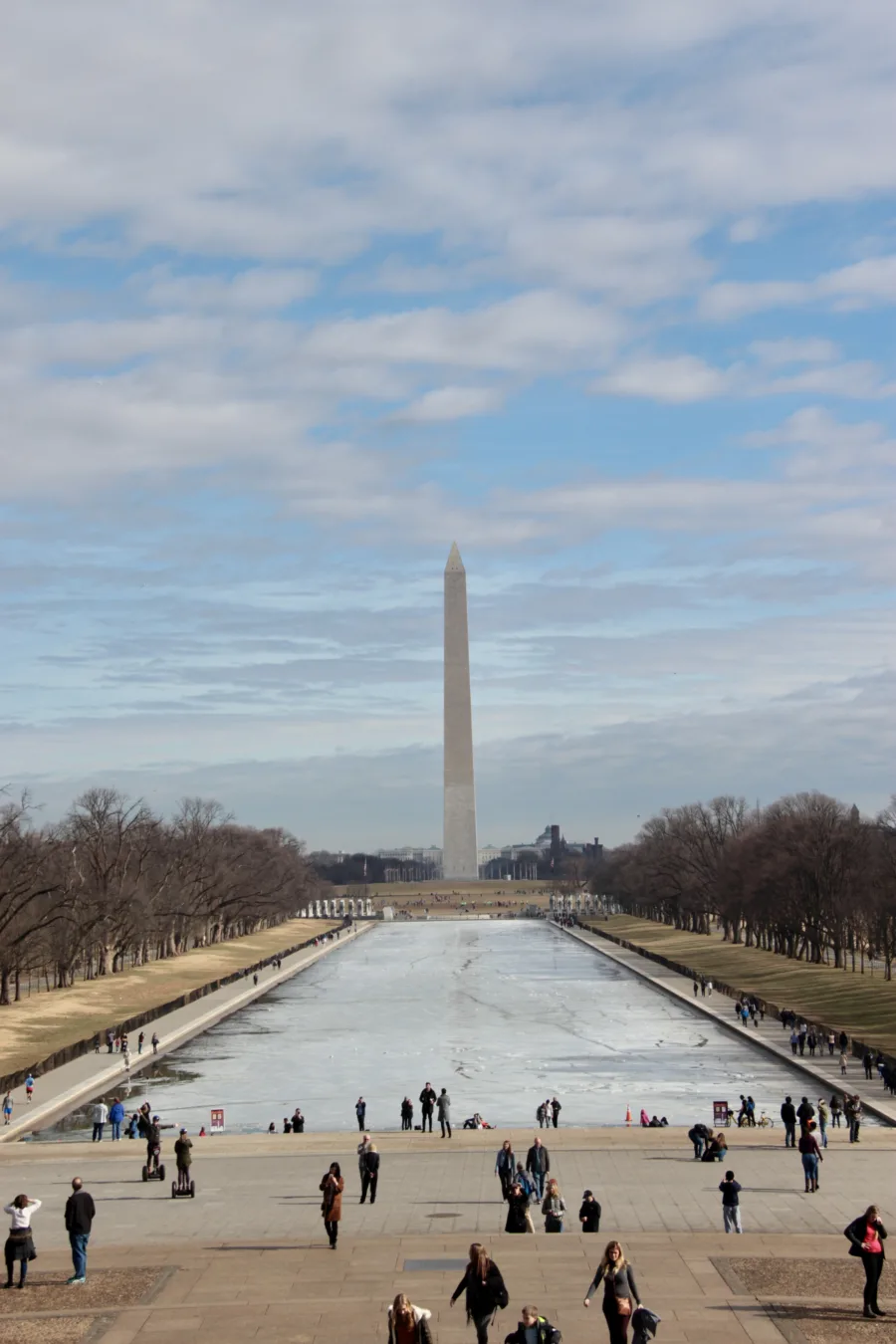
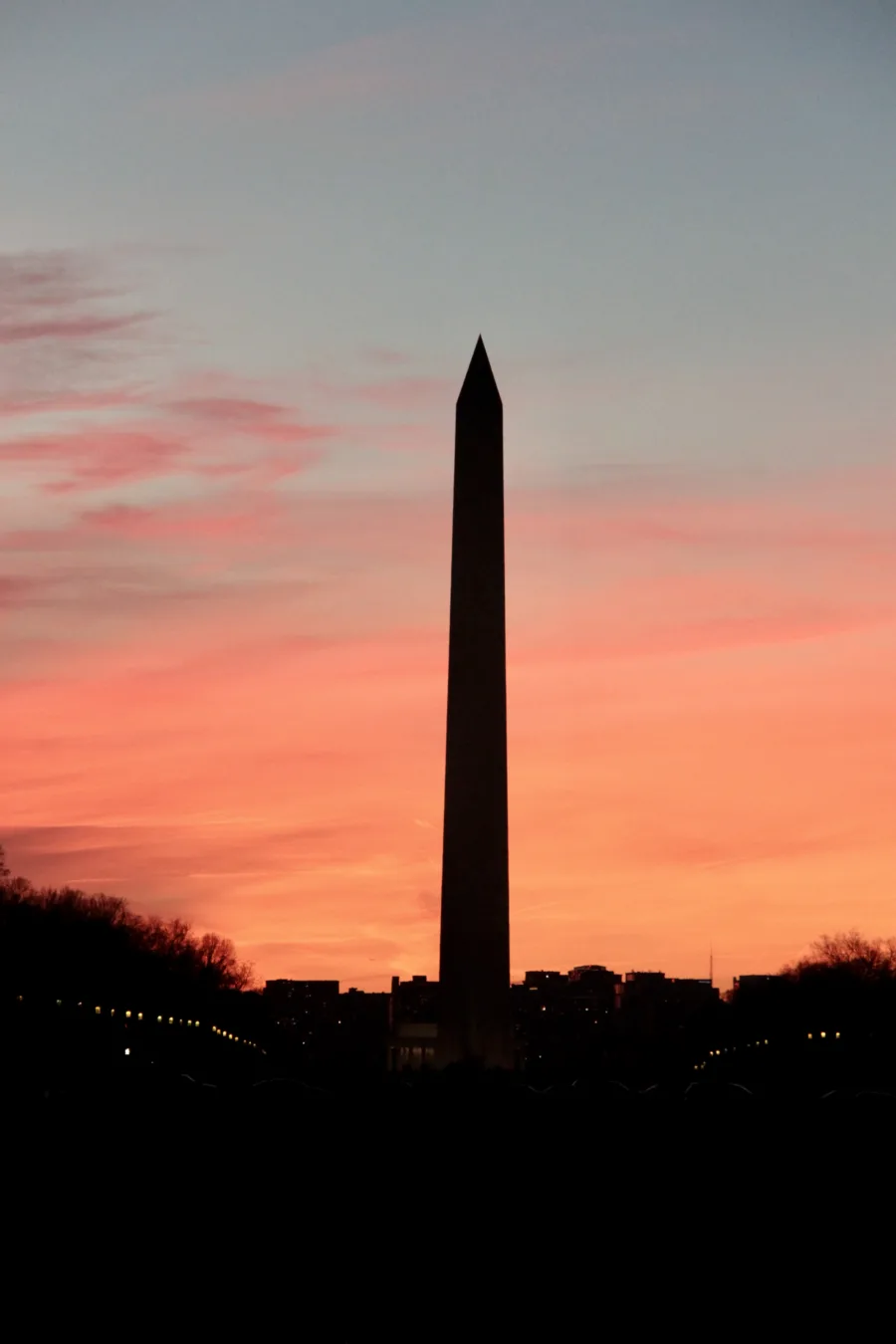
I set an alarm for sunrise and walked the National Mall alone, which is the best possible moment to take it in: the soaring Washington Monument, the marble stillness of the Lincoln Memorial gazing down the Reflecting Pool, and the quieter, heavier spaces of the World War II and Vietnam Veterans Memorials. Nearby I fit in a guided tour of the U.S. Capitol and a look at the frescoed ceiling of the Library of Congress’s Great Hall.
Days 3, afternoon, and 4: Georgetown, my dream home for a month
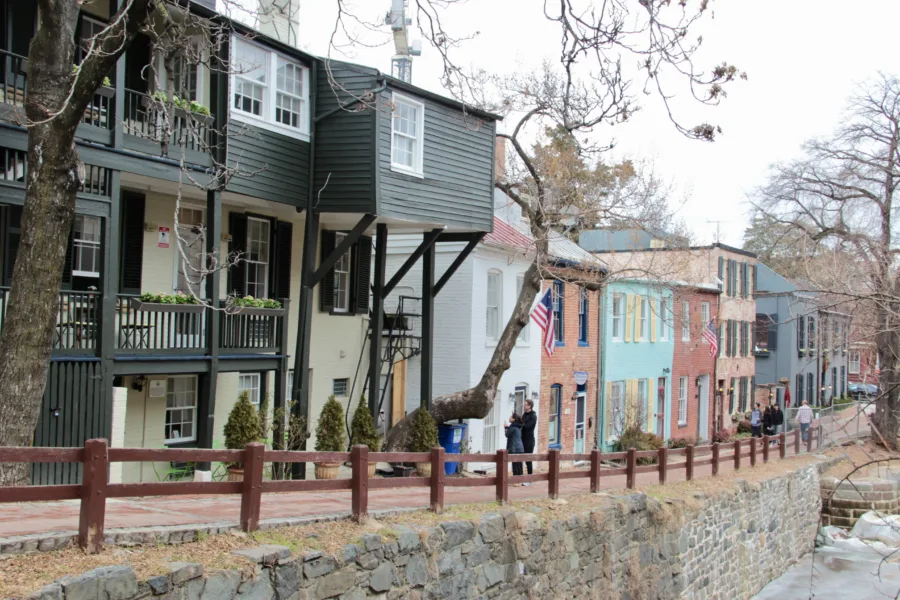
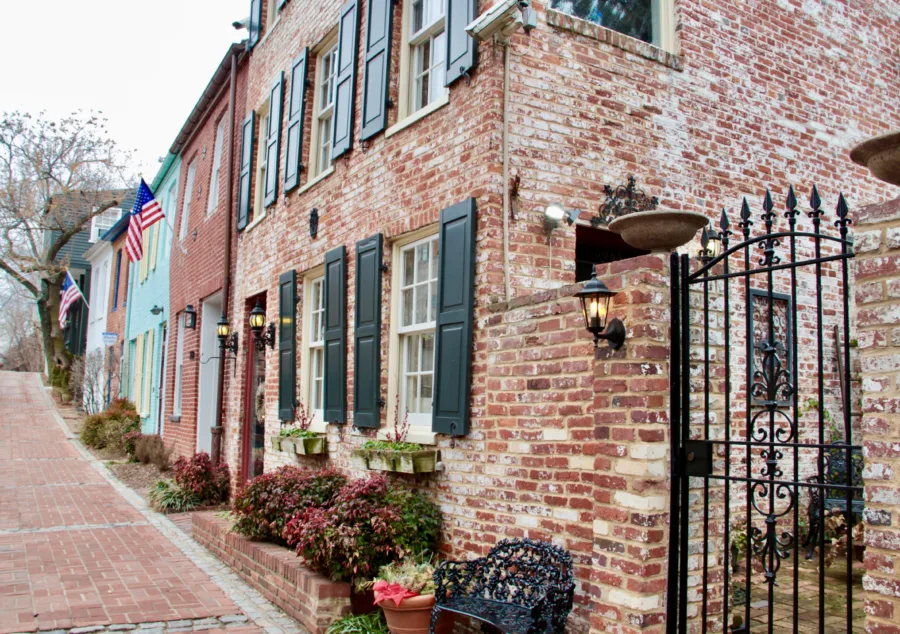
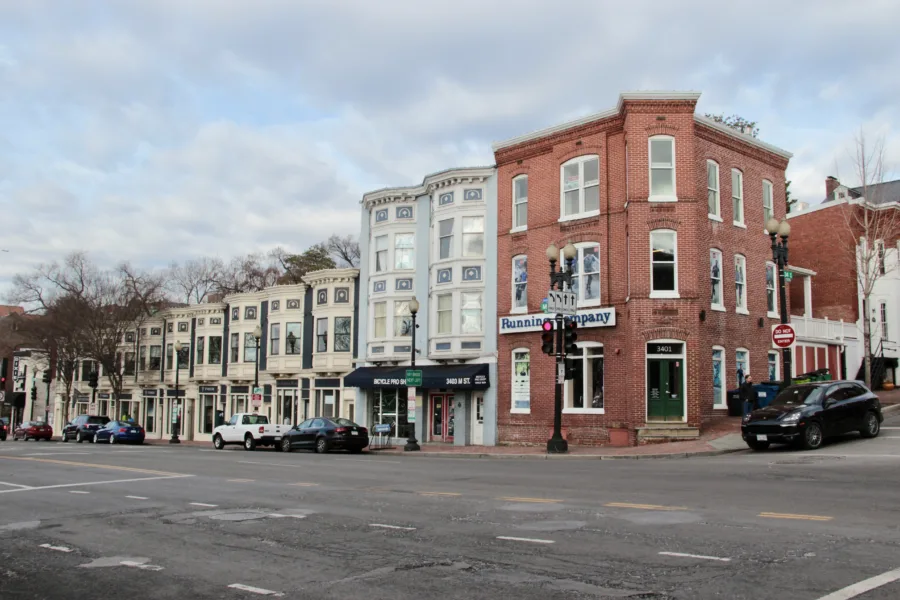
Georgetown’s colonial cobbles and ivy-clad townhouses genuinely made me want to unpack and stay. Founded in 1751, it is equal parts historic charm and stylish hideaway.
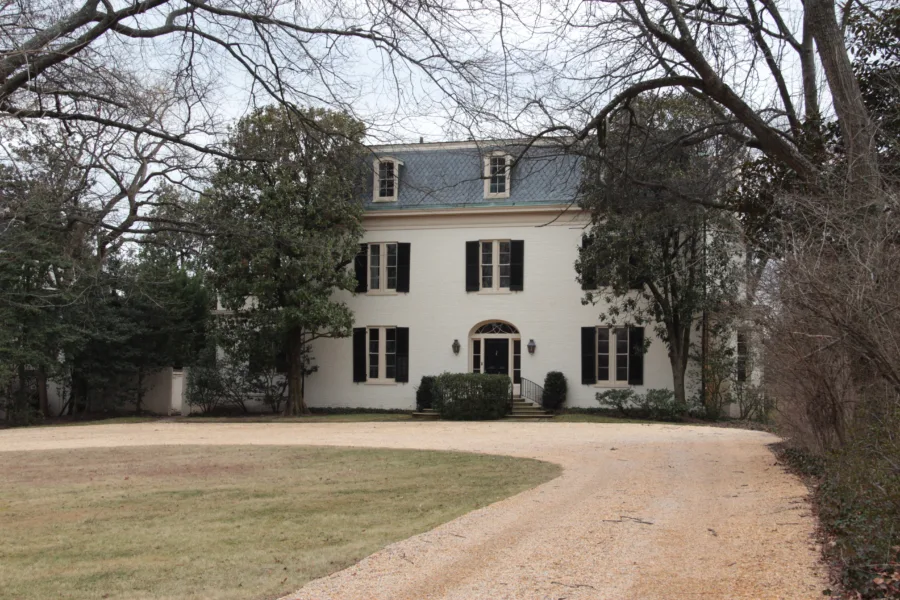
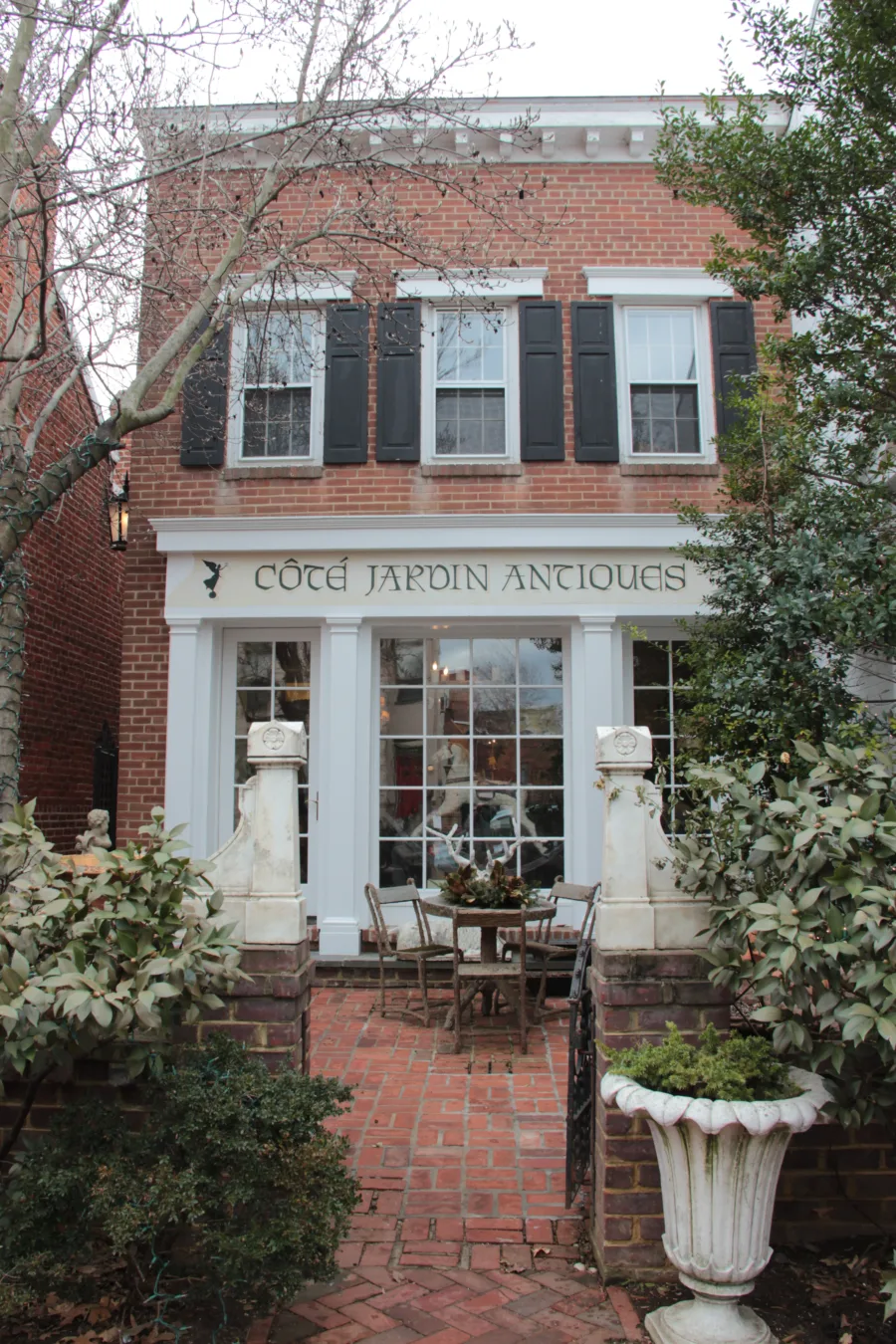
The C&O Canal towpath is perfect for a slow cycle or a riverside walk. Tudor Place and Evermay are grand houses that whisper early-American stories. Politics and Prose is the kind of bookshop where hours simply vanish. And the Georgetown waterfront and its weekend farmers’ markets are all local produce, small makers and easy chatter.
A brief history of Georgetown
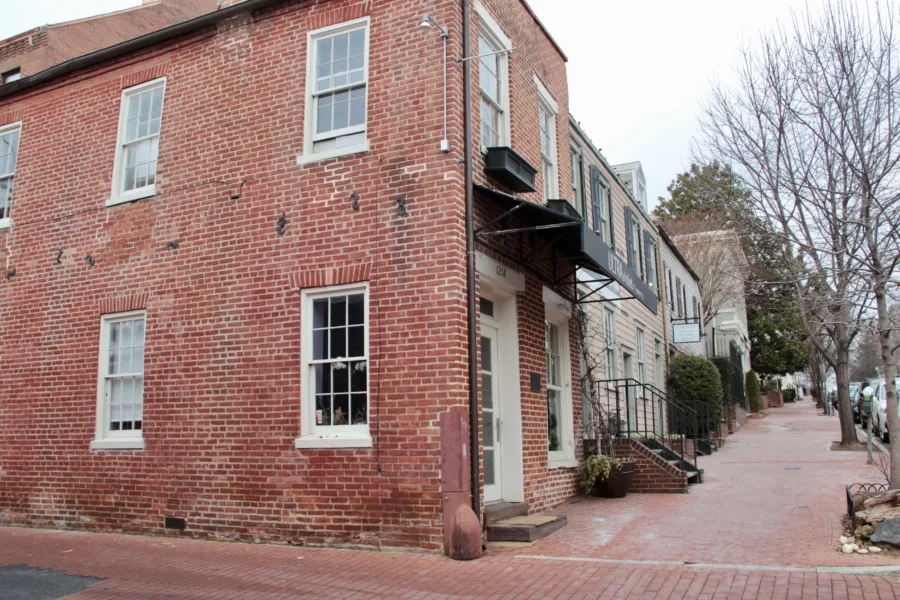
Long before it became a neighbourhood of embassies and boutiques, Georgetown began in 1751 as a tobacco port on the Potomac, chartered by the Maryland colonial assembly and soon wealthy from tobacco and sawmills. It kept its own local government until 1871, when Congress folded it into the District. You can still read that mercantile past in the Georgian and Federal-style row houses, the cobblestone streets, and the old canal locks.
Where to eat and drink
Fiola Mare, for waterfront Italian seafood, branzino and crudo that I still think about. Baked and Wired, for the best coffee-and-cupcake combination in the city. The Tombs, a proper pub with a college-town feel, ideal for solo people-watching. And Blues Alley, one of the country’s longtime jazz clubs, where I lost count of how many times I came back for the second set.
Evenings: live music and quirky cinemas
The 9:30 Club on U Street has legendary line-ups, so book ahead. E Street Cinema shows indie films and the occasional filmmaker Q&A in a cosy art-house setting, and Landmark Bethesda Row, a short Metro ride out, offers arthouse picks and comfortable seats.
Day trips from DC
Even solo, I could not resist getting out of the city. Mount Vernon, about half an hour away, is George Washington’s riverside home with its immaculate gardens. Old Town Alexandria, twenty minutes by Metro, has colonial taverns, cobbled King Street and waterfront views. And Arlington National Cemetery is sobering and beautiful, with the Changing of the Guard at the Tomb of the Unknown Soldier.
Closing reflection
Four days alone in Washington felt like an intimate conversation with America’s past and present. From two days lost in the Smithsonian to dawn walks on the Mall, late-night jazz and daydreams of a month in Georgetown, I left wiser and quietly inspired. Pack your most comfortable shoes, a good book and a solo spirit. DC has plenty to whisper to whoever is willing to listen.
Frequently asked questions
Four days is a comfortable amount for a first solo visit. It lets you give the Smithsonian museums the better part of two days, walk the Mall and its monuments without rushing, spend proper time in Georgetown, and still slip in a day trip to Mount Vernon or Old Town Alexandria. With only two or three days, I would concentrate on the Mall, one or two museums and a single evening in Georgetown.
It is one of the easier American cities for a solo traveller. So much of what you come for is walkable and clustered around the Mall, most of the great museums are free, and daytime crowds mean you are rarely truly alone at the main sights. As anywhere, I stick to the Metro and rideshares after dark rather than long night walks in unfamiliar areas, and I keep an eye on which neighbourhoods I am crossing between.
Yes. The Smithsonian museums on and around the National Mall are free to enter, which is part of what makes DC such good value. Some do use free timed-entry passes at busy periods, so it is worth checking each museum’s website before you go, especially for the National Air and Space Museum, which has been renovating in phases.
Not for the city itself. Between walking and the Metro you can reach almost everything, and parking downtown is expensive and awkward. A car only really helps for some day trips, and even then Mount Vernon and Old Town Alexandria are reachable without one.
Further reading
If you are piecing together a longer American trip, my full cross-country adventure on Amtrak lays out the whole New York to San Francisco route, one day trip per stop. From DC, my Colonial Williamsburg guide is the natural next stop south, and if you are starting up the coast, here is my guide to New York. Further along, Savannah is another Southern city that rewards a slow, solo few days.






One Comment