


My greatest joy travelling across the United States, after living out a dude-ranch life in Arizona, was Colonial Williamsburg, in Virginia.
Williamsburg was the capital of Virginia through the American Revolution, and today it is the world’s largest living-history museum, a complete and genuinely moving immersion into eighteenth-century Virginia.

A little history
Named in honour of King William III, Williamsburg was the capital of the Crown’s most important colony and central to the whole story of American independence. In 1780, Thomas Jefferson moved the government to Richmond, and the town slipped into a quiet country decline. Then, in 1926, inspired by the Reverend W.A.R. Goodwin, John D. Rockefeller Jr. financed the restoration of the historic area and created the Colonial Williamsburg Foundation to preserve the town and its educational mission.
Visiting Colonial Williamsburg
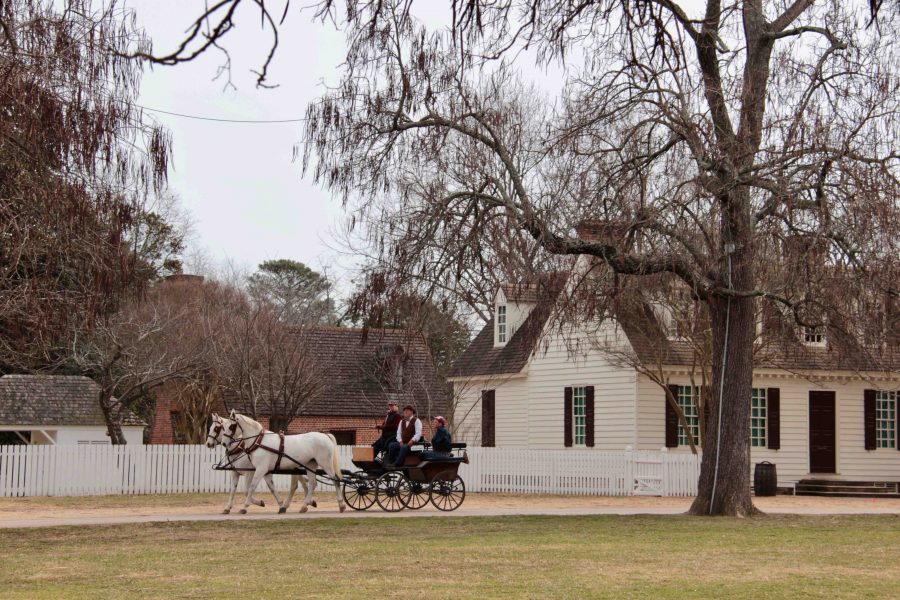
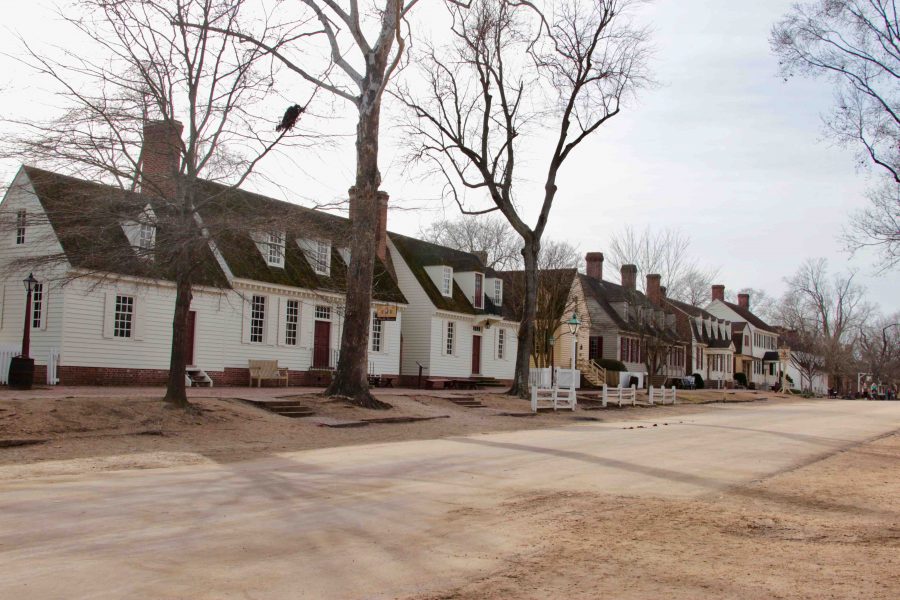
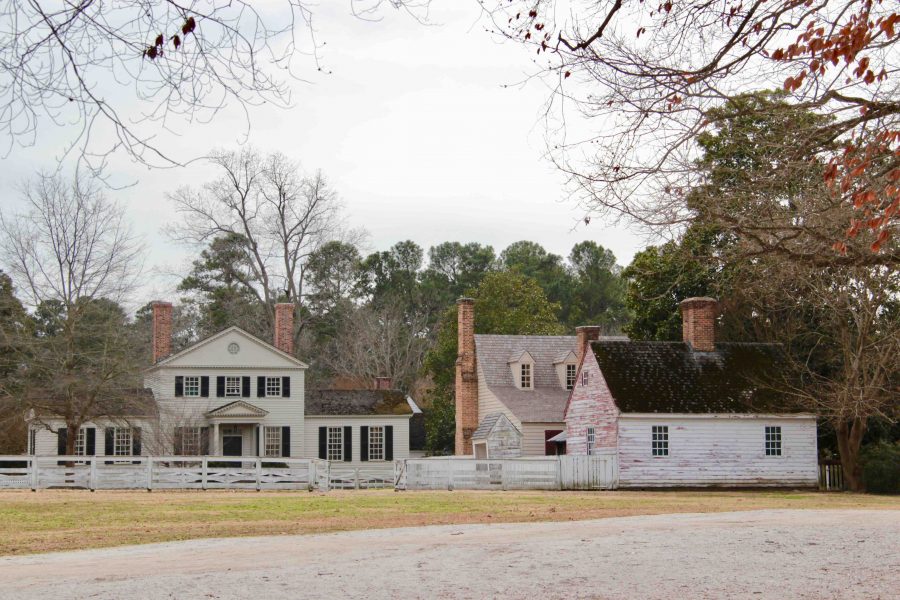
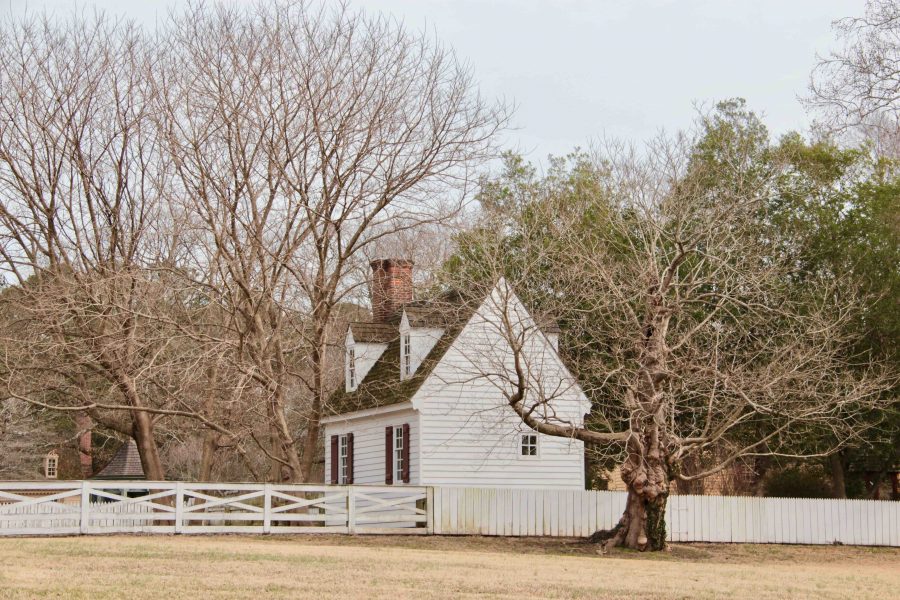
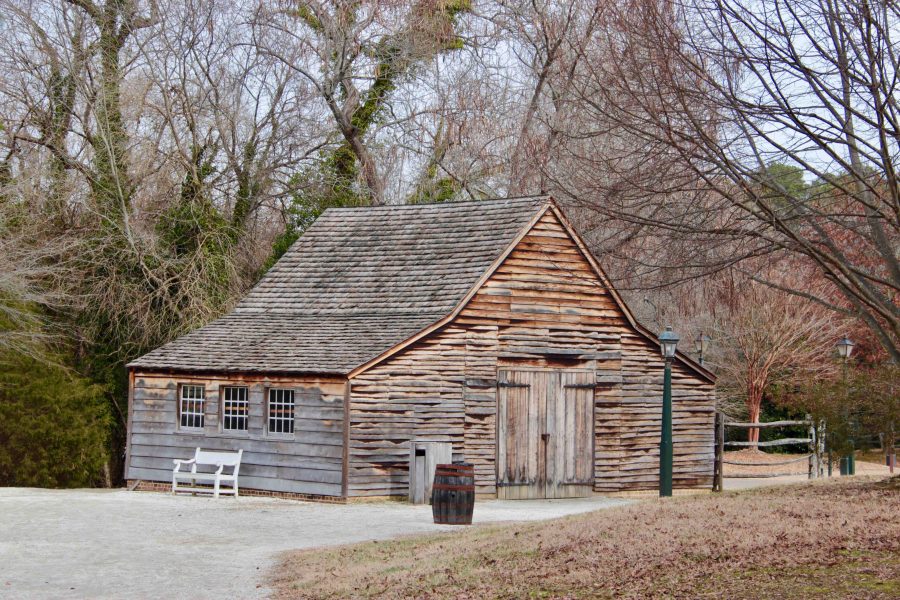
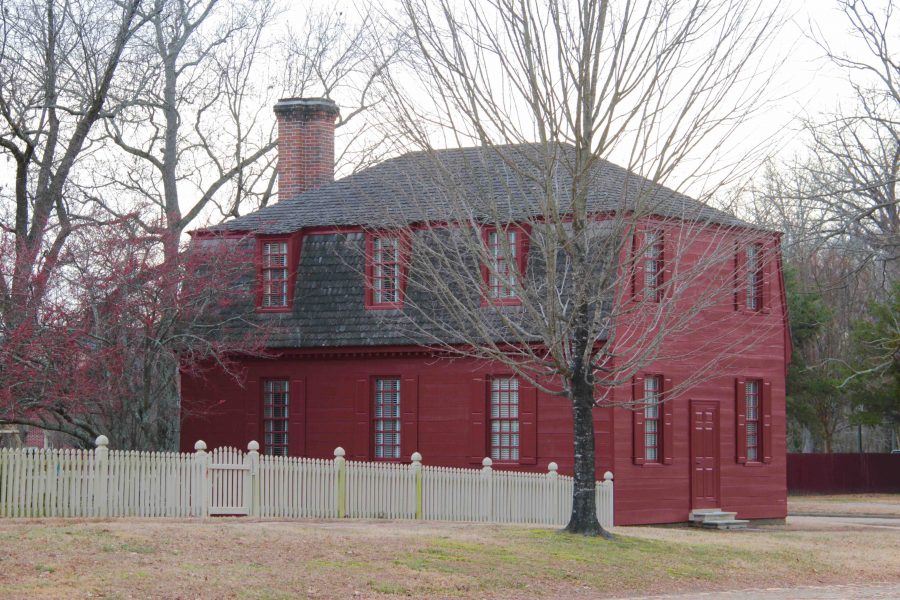
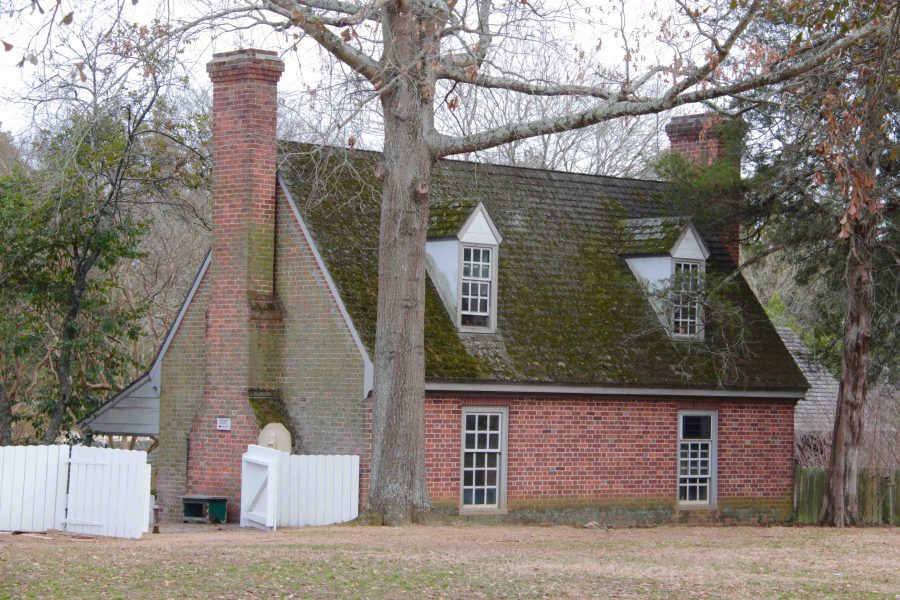
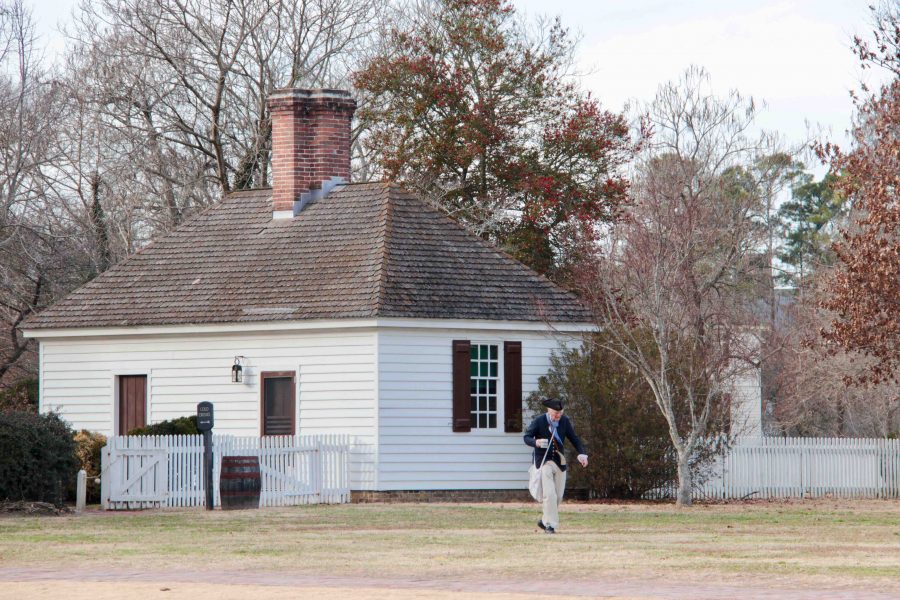
The Historic Area is the heart of it: hundreds of restored eighteenth-century buildings, from grand public halls to private houses, shops and taverns, with horses and carriages, period gardens, and passionate reenactors in meticulously accurate historical costume. To me it is pure magic.
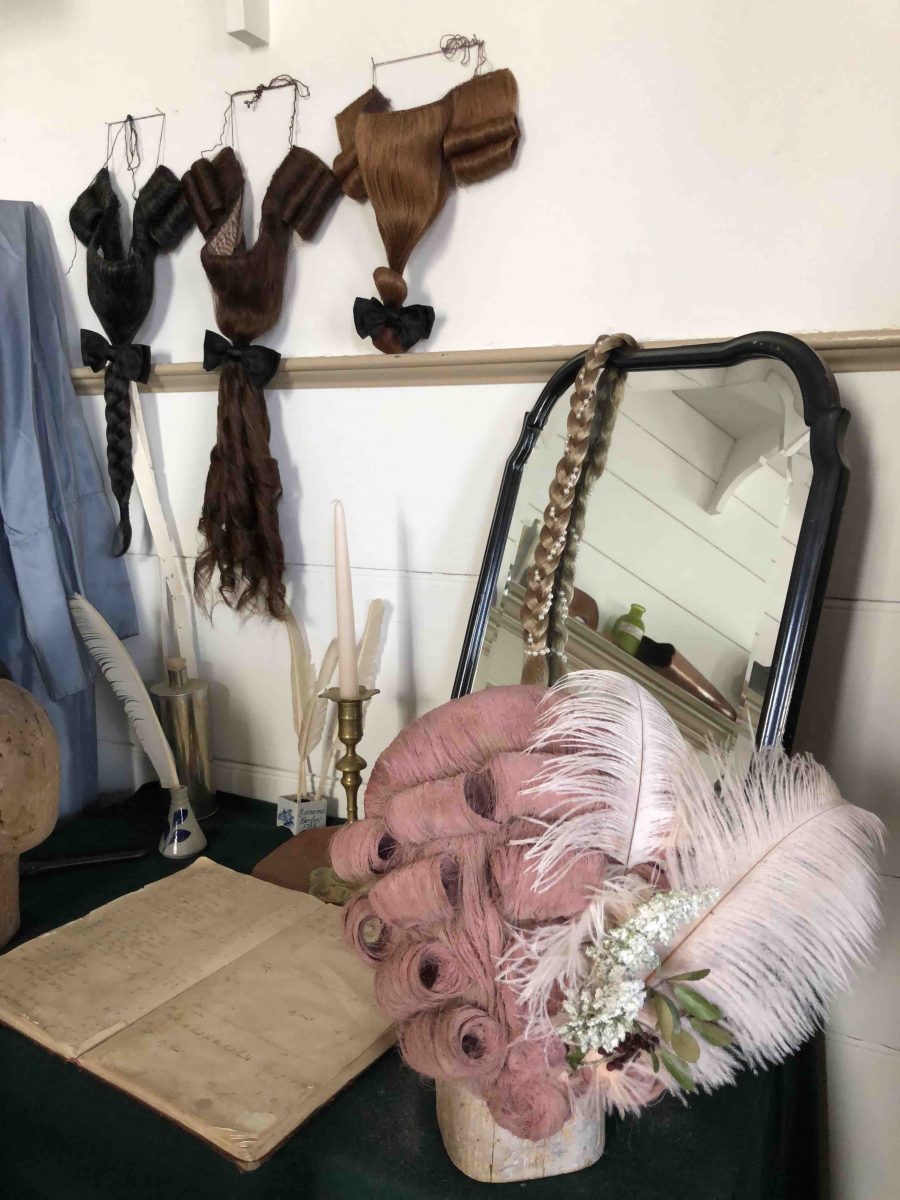
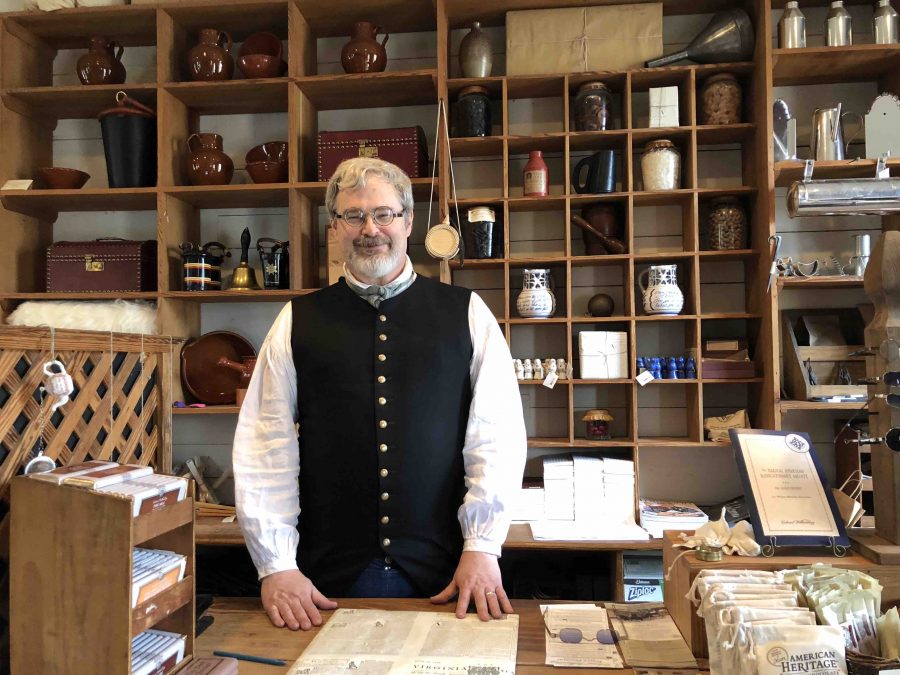
I took hundreds of photographs and spent hours talking with everyone willing to share the town’s history and its small, peculiar stories, learning from every artisan and shopkeeper. What intrigued me most? The wigmaker’s shop.
This article is also available as a mobile app, via GPSmyCity, for GPS-guided directions to the places below.
Admission
The Historic Area’s grounds are generally open daily (roughly 9am to 5pm, with shop hours varying by season). Strolling the streets and entering the shops and restaurants is free, but I recommend buying a pass to enter the historic buildings and get the full experience. Prices and pass options change, so check the current admission on the official Colonial Williamsburg site; if you stay in one of the Foundation’s accommodations, you usually get a discount. I loved the walk from the Visitor Center to the Historic Area, which is dotted with historical information to prepare you for the journey into the past (a free shuttle runs it too, if you prefer).
The historical buildings
There are far more than you can see in a day, but my favourites: the Governor’s Palace, seat of British authority, and the Capitol, seat of colonial power, where Virginia’s resolution for independence was passed on 15 May 1776 and where the Virginia Declaration of Rights, drafted by George Mason and a model for the US one, was adopted on 12 June 1776.
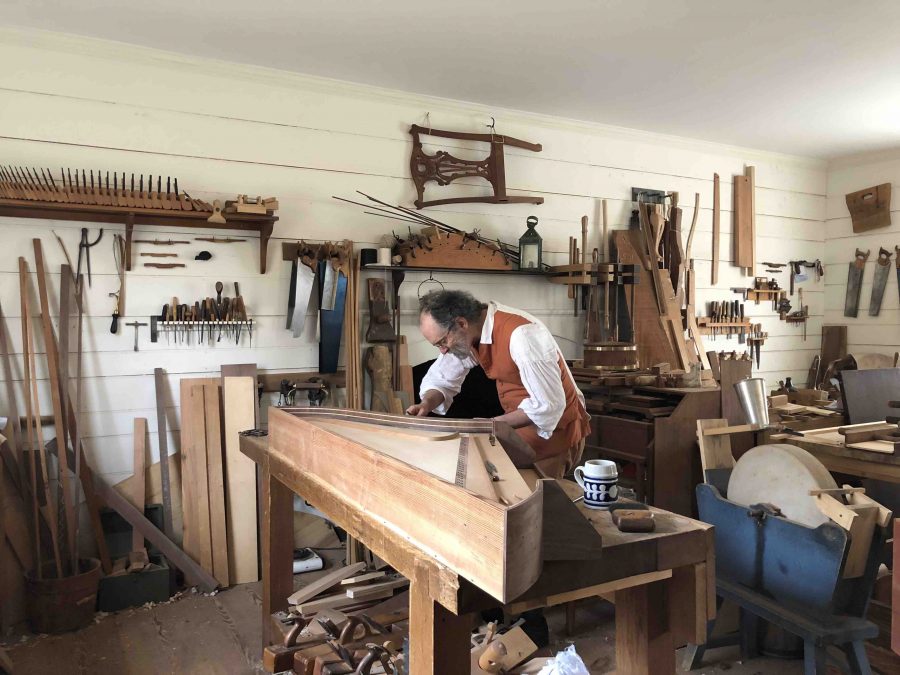
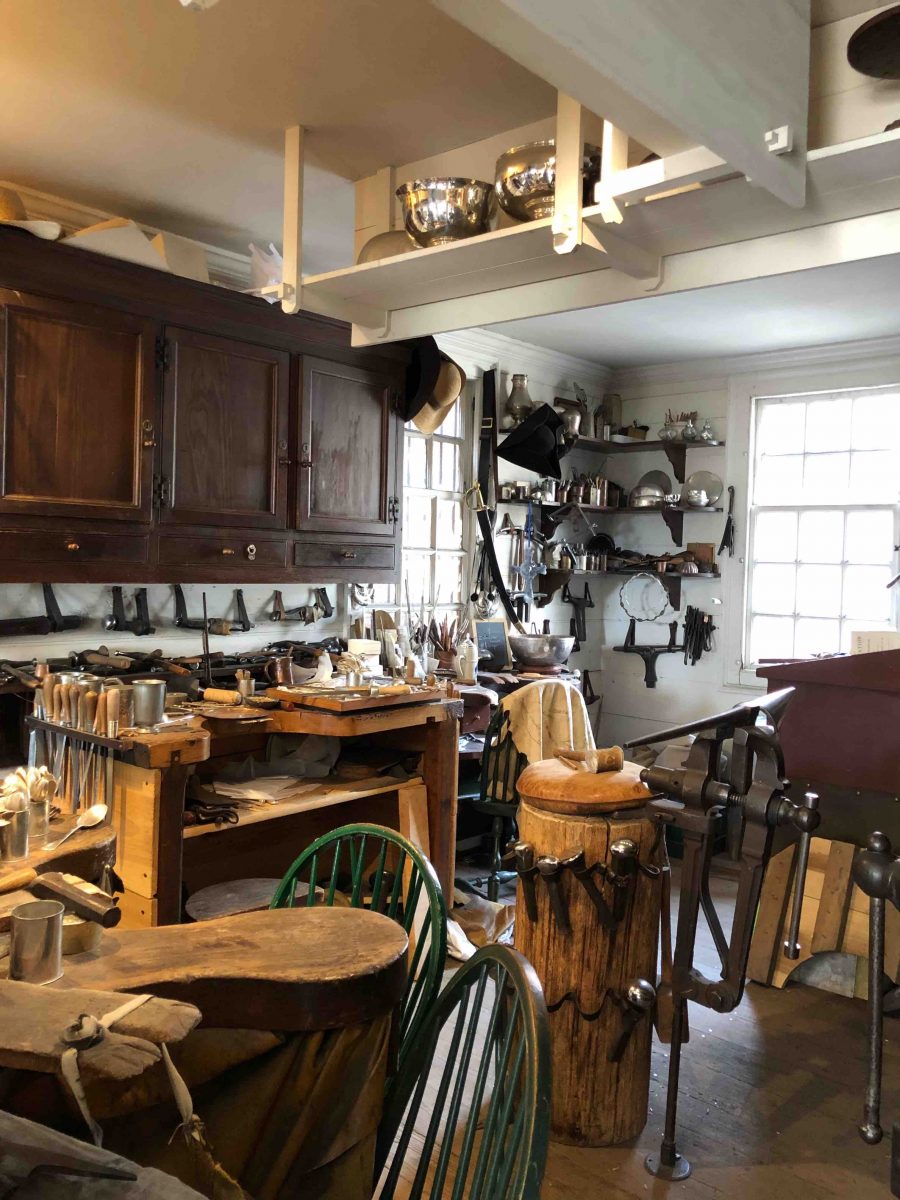
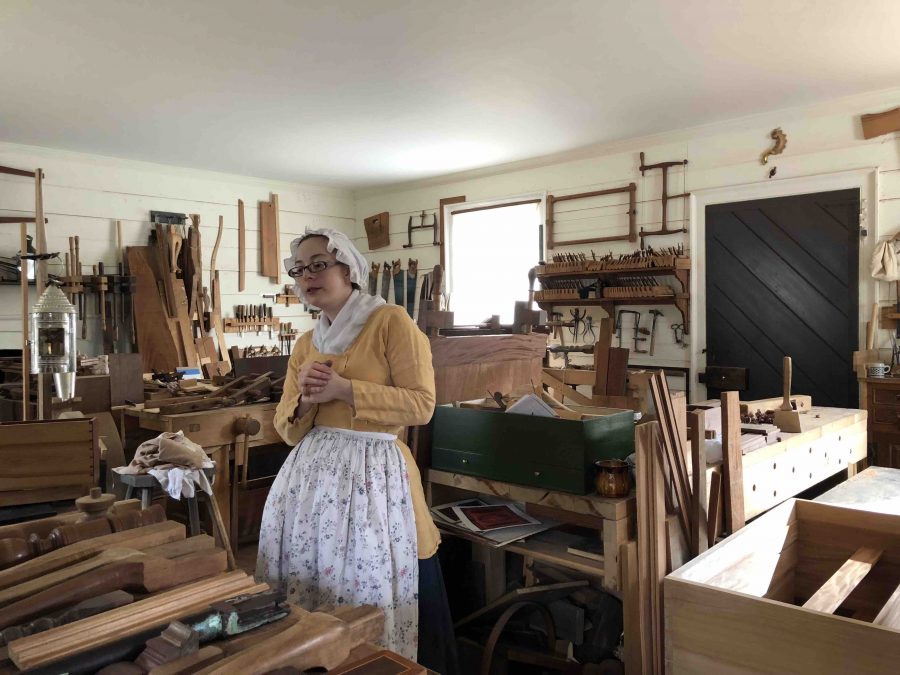
The Raleigh Tavern, where the local patriots plotted, is wonderful; take time to absorb it, as with the George Wythe House, home of Jefferson’s teacher. A touching stop is the Peyton Randolph House, which does not shy away from the daily life of a wealthy family and the enslaved people they held. I loved the printing office and bindery (I came away with beautiful paper), and the tailor, wigmaker and shoemaker, where I spent a whole afternoon on eighteenth-century fashion. Add the James Geddy House and foundry, the carpenter’s yard, the apothecary with its colonial medicine pots and unnerving surgical facts, and the Courthouse, where visitors take part in mock trials. The DeWitt Wallace Decorative Arts Museum and the Abby Aldrich Rockefeller Folk Art Museum are worth adding.

Guided tours and events
Morning and afternoon walking tours run daily, and I heartily recommend at least one, especially the “Behind the Scenes”. Carriage rides can be booked at the Lumber House or the William Pitt Store. If you stay over, check the evening programme: I loved the Lantern Trade Tour by night and even attended a witch trial, and there are evening ghost tours too.
Where to stay and eat
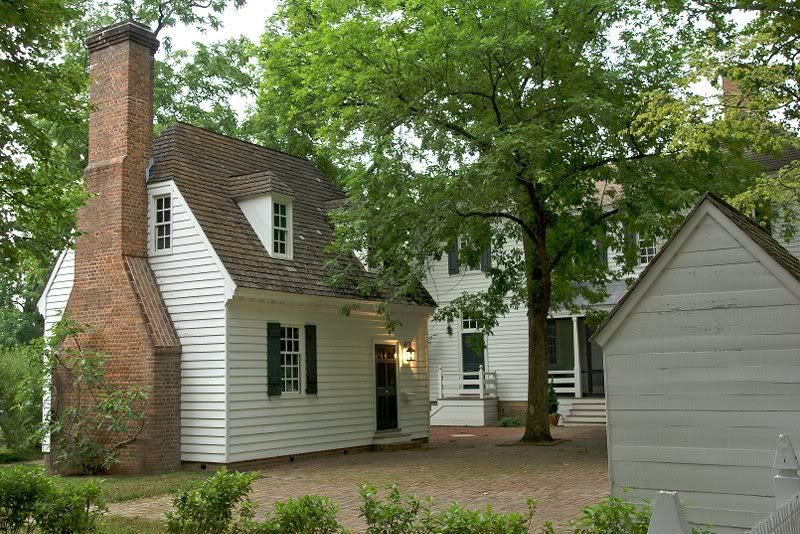
The Foundation runs several hotels and lodges, and I splashed out on total immersion, sleeping in an authentic colonial house, The Orlando Jones Kitchen, tiny, with a fireplaced sitting room. Costly, but worth it for the experience; there are plenty of cheaper, more modern options in town too. For dining, the four historic taverns are an experience in themselves: the King’s Arms (eighteenth-century meat dishes, the beef was superb), the casual Chowning’s, the more affordable Shields, and Christiana Campbell’s for seafood. Book ahead. Virginia is also serious wine and craft-beer country, so the Williamsburg Winery, the state’s largest, is a lovely add-on.
Getting there
Colonial Williamsburg is a few hours south of Washington, D.C., and near Virginia Beach. I arrived on my cross-country train trip, taking the Amtrak Northeast Regional; the pretty station is a few blocks from the Historic Area. Check current schedules and book ahead.
Day trips: the Historic Triangle
With more time, drive the scenic Colonial Parkway linking Williamsburg, Jamestown and Yorktown. Jamestown, America’s first permanent English colony (1607), has the reconstructed settlement, ships and Powhatan village, and tells the true story of Pocahontas, who married John Rolfe, sailed to England to promote the colony, and died at Gravesend in 1617 as she prepared to sail home. Yorktown is where the Revolution effectively ended with the British surrender in 1781; visit the Continental Army encampment. I also loved a guided kayak tour in York River State Park. For families, Busch Gardens and Water Country USA are right outside town.
My tips
- Give it at least two days, and if you can, sleep in a colonial house.
- Watch the orientation film at the Visitor Center, then walk into town.
- Buy a pass to enter the buildings and trades, and book tavern tables and evening events ahead.
- Take time to talk with the reenactors and shopkeepers; they are the whole point.
- Wear comfortable shoes: you will walk all day on dusty streets.
Frequently asked questions
It is the restored eighteenth-century capital of colonial Virginia, run by the Colonial Williamsburg Foundation as the world’s largest living-history museum. Hundreds of original and reconstructed buildings, costumed reenactors, working trades, taverns and carriages recreate life around the American Revolution. It sits within the “Historic Triangle” with Jamestown and Yorktown.
At least a full day for the highlights, and ideally two to see the trades, take a guided tour and enjoy an evening programme without rushing. With more time, add day trips to Jamestown and Yorktown along the Colonial Parkway.
Walking the streets and entering the shops, taverns and restaurants is free, but you need an admission pass to go inside the historic buildings and see the trades and exhibitions. Prices and pass options change, so check the official site; staying in a Foundation hotel usually earns a discount.
It is a few hours south of Washington, D.C. You can drive, or, as I did, take the Amtrak train (the Northeast Regional) to Williamsburg station, a few blocks from the Historic Area. It combines well with Virginia Beach and, along the Colonial Parkway, with Jamestown and Yorktown.
Spring and autumn offer the most comfortable weather and beautiful surroundings; summer is hot and busier; and the Christmas season is famously atmospheric, with candlelit streets and special events. Whenever you go, check the current opening hours and programme, which vary by season.
Further reading
- More of the USA: visiting New York and a dude ranch in Arizona
- Travelling in the USA on Amtrak
- The official Colonial Williamsburg site, for tickets and opening times





One Comment