
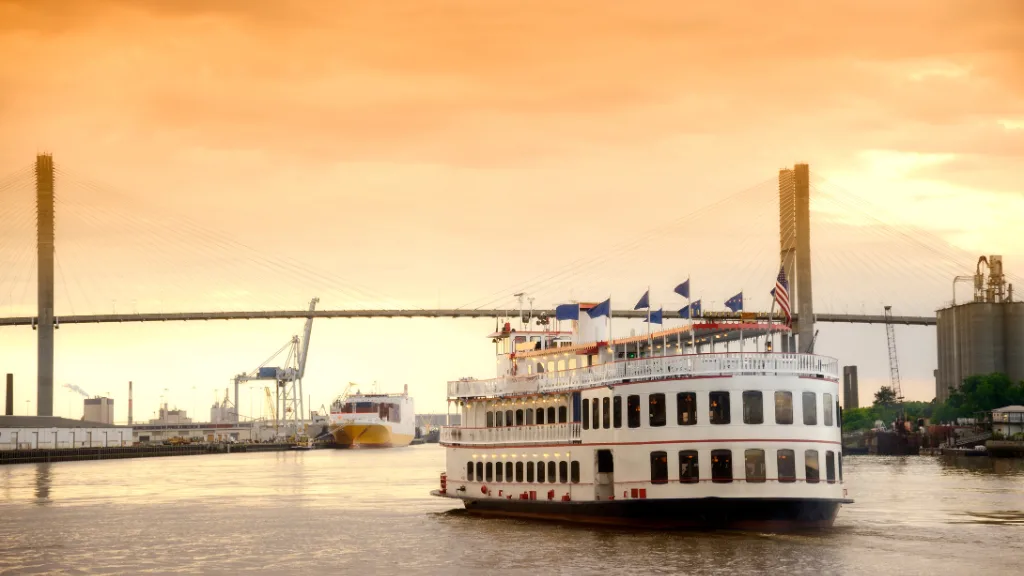

Have you ever fallen for a place so hard you found yourself scrolling property listings on your second night? That was me in Savannah. I have camped under the stars on an island in Lake Titicaca, so I did not expect a genteel Southern city to undo me, but it did. I spent a few days there catching up with my friend Abbie, wandering moss-draped squares and taking afternoon tea in grand old rooms, and by the end I was thoroughly smitten. Here is how Savannah might steal your heart too.
When to visit
Savannah is lovely most of the year, but skip high summer: July and August are stiflingly hot and muggy. My own sweet spot was February, mild, uncrowded, and, that year, the squares already frothing with early spring blossom. For ghost stories and pumpkin-spice season, come in October, when the city leans hard into Halloween with haunted tours and burnt-orange sunsets.
Getting around
I arrived by train, part of a two-month cross-country rail trip from New York to San Francisco, rolling in on the Amtrak night service from Williamsburg before Abbie took the wheel to show me around.
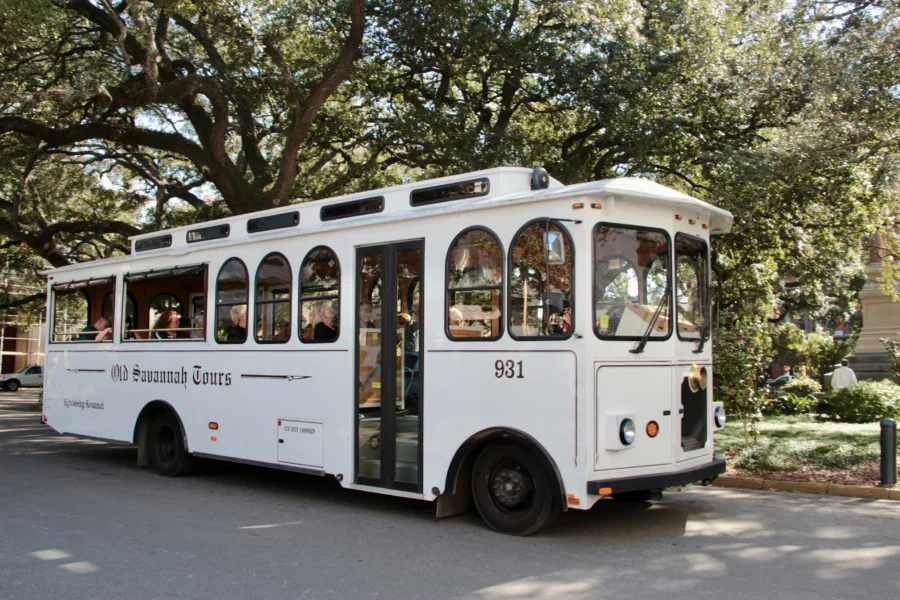
The good news: you do not need a car for historic Savannah. Downtown is flat and eminently walkable, you can hire a bike, or hop on the free shuttle that loops the squares. From Savannah–Hilton Head airport, a taxi or rideshare is around $20-25. To venture out to Bonaventure Cemetery or Tybee Island, hire a car or take a guided tour (I loved the Bonaventure ghost tour).
The story of Savannah
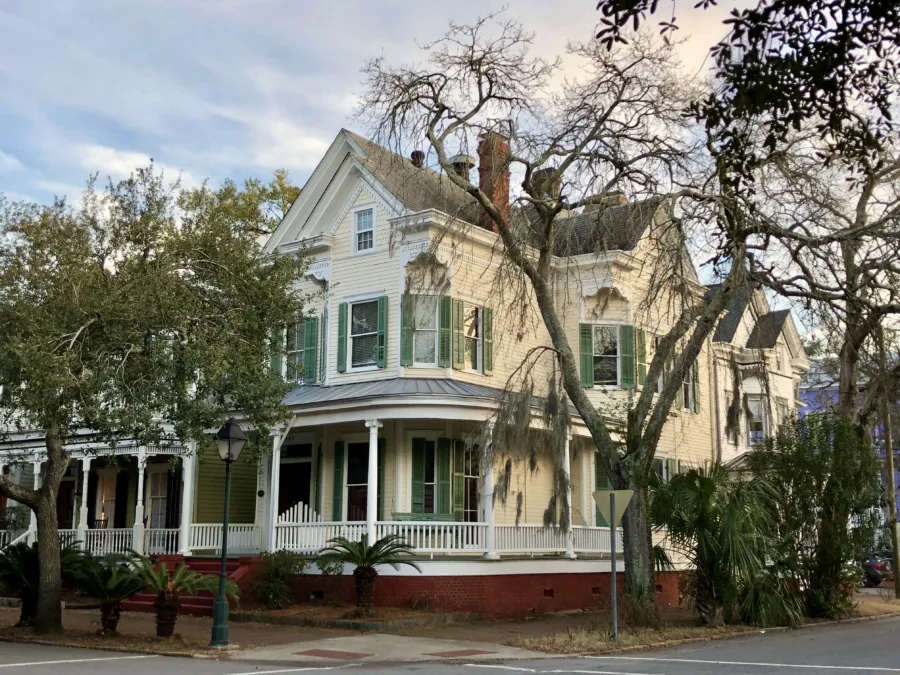
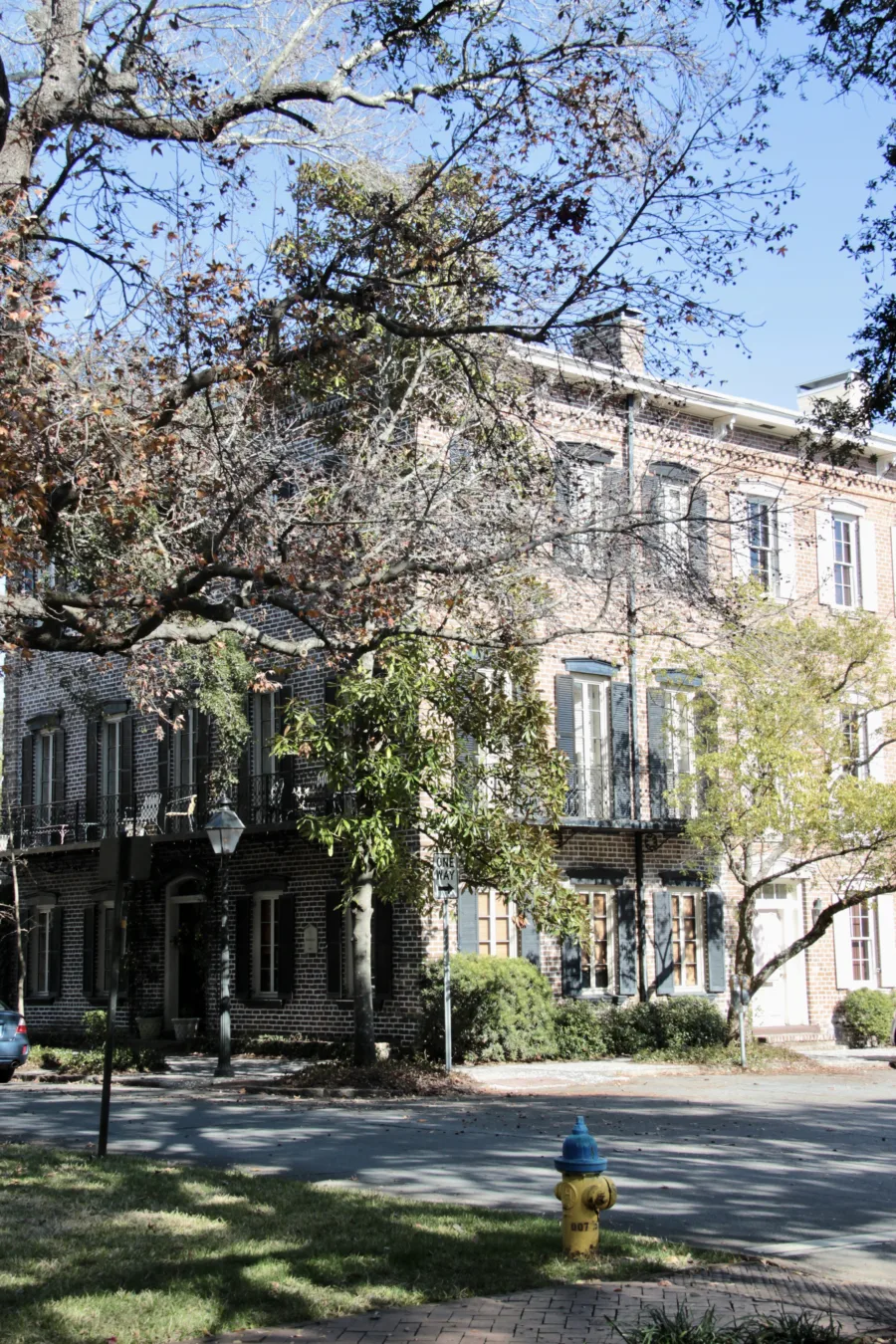
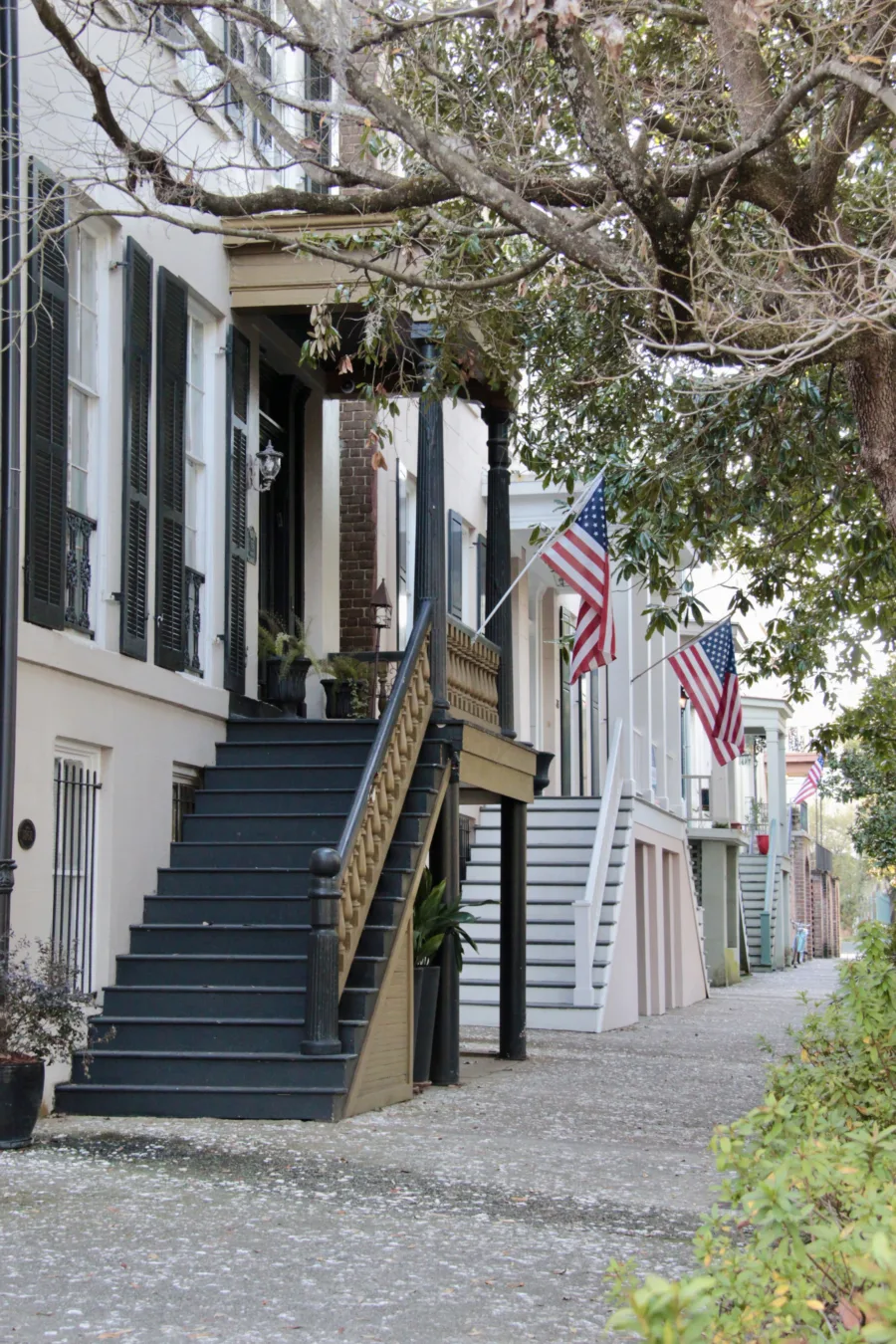
Savannah was born of a bold idea. In 1733, General James Oglethorpe laid it out as a grid of interlocking streets and public squares, a radical plan for the New World that made Savannah America’s first planned city. It grew rich as a cotton and rice port, its antebellum mansions and churches reflecting both that prosperity and the darker history of slavery. It narrowly escaped the Civil War, and a determined mid-20th-century preservation movement saved the historic district from decline. Today the 22 surviving squares, alongside a lively arts scene fuelled by SCAD (the Savannah College of Art and Design), make it a city that honours its past while feeling thoroughly creative and alive.
The Spanish moss
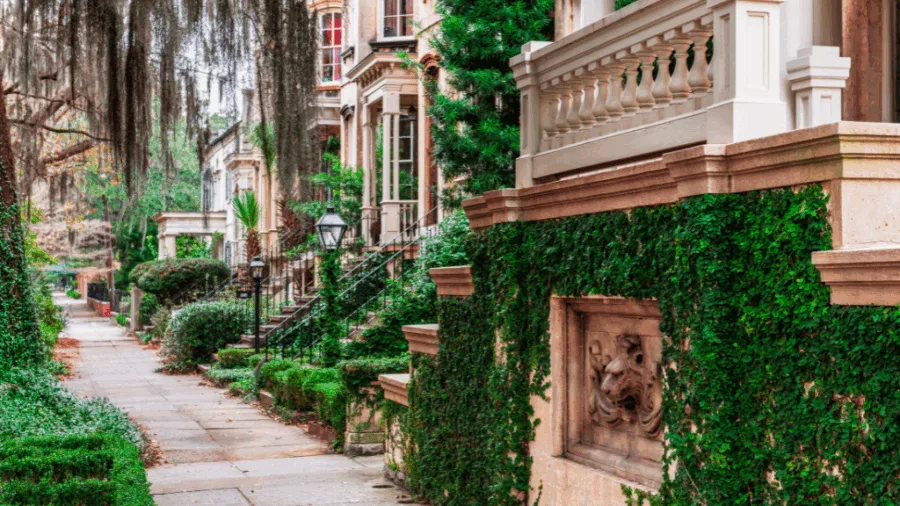
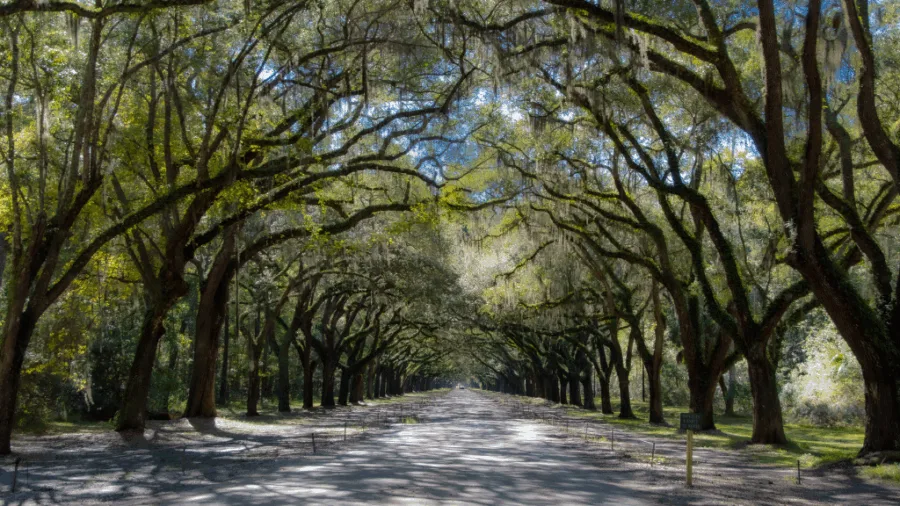
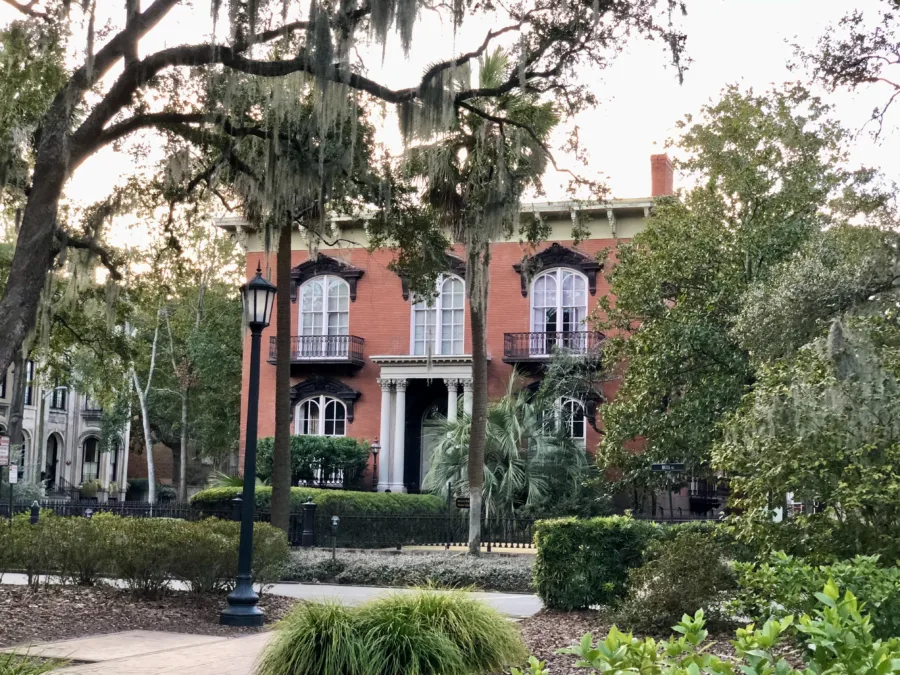
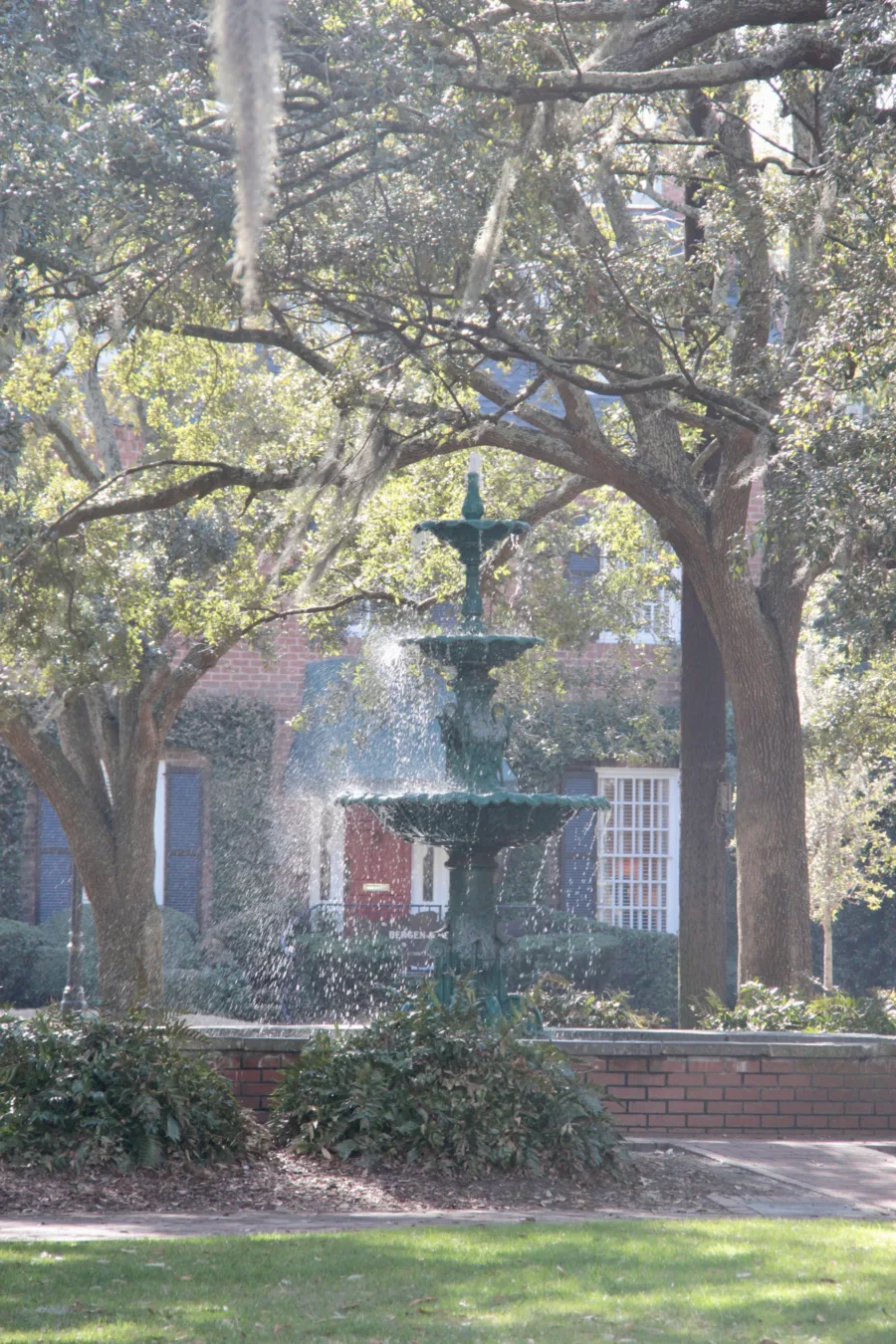
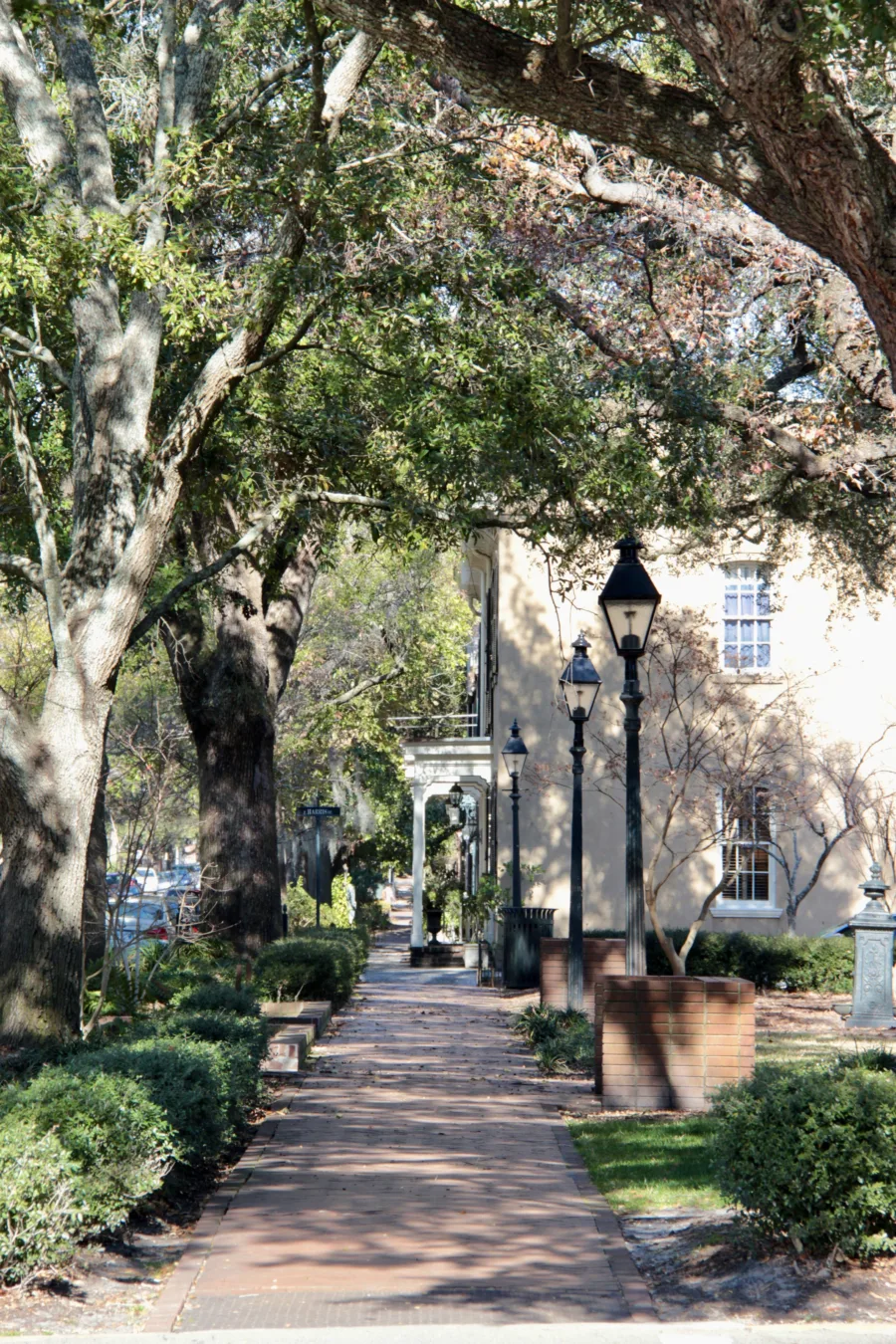
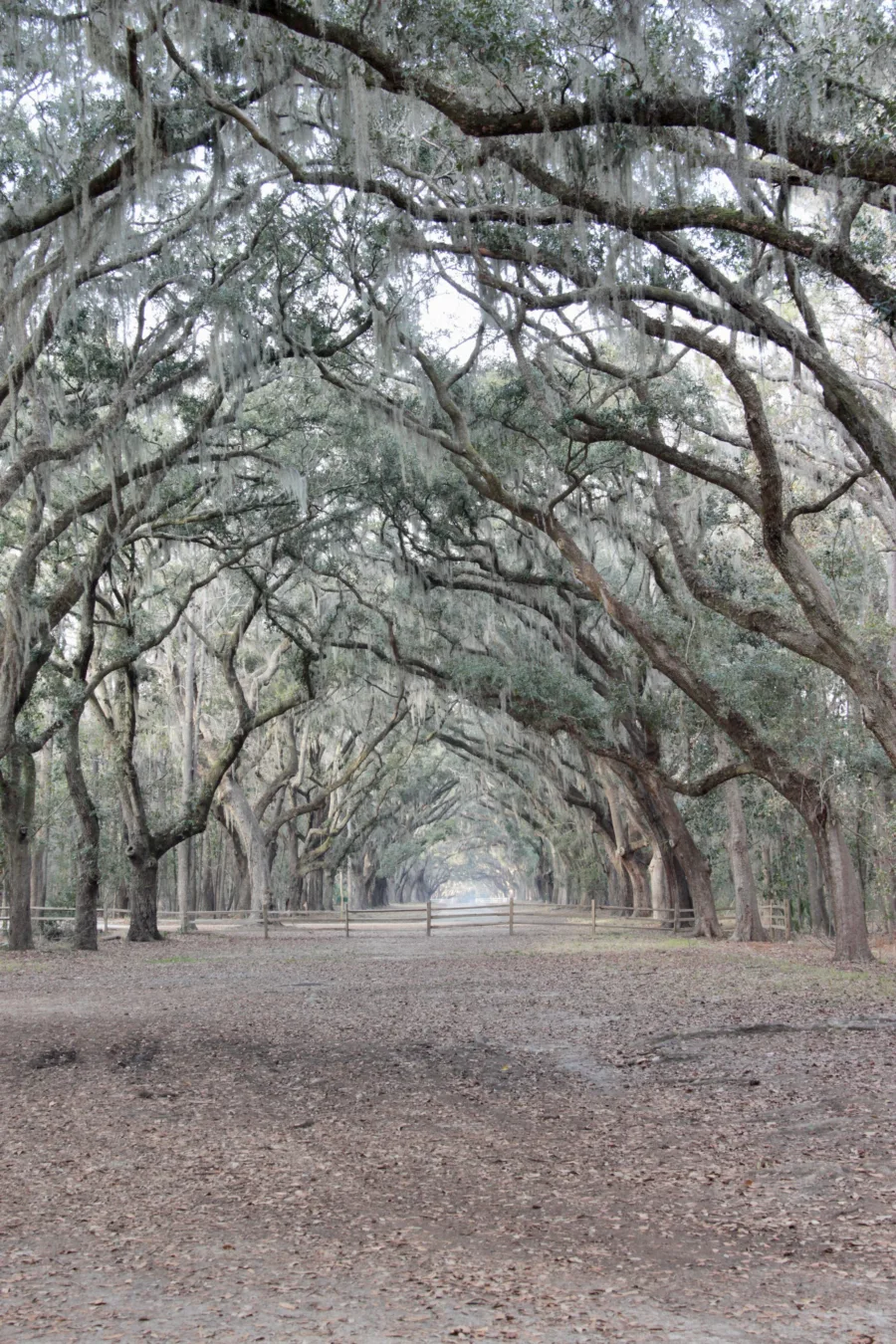
If one thing is the emblem of Savannah’s romance, it is the Spanish moss draping every live oak like grey-green lace. I found it intoxicating, cascading curtains that sway and seem to whisper as you pass beneath, part gothic novel, part fairytale. I spent hours just looking up.
The squares
Savannah’s squares are its beating heart: little parks of cobblestone, statues, fountains, ancient oaks and moss. My tips: pick your favourites and rank them (Chippewa Square, of Forrest Gump fame, is a must, but do not miss tiny Wright Square or Calhoun Square at sunset); treat each like a character, no two are alike; and come back at dusk, when the lantern-lit squares feel genuinely enchanted, perfect for a peaceful solo wander.
Historic highlights
- Bonaventure Cemetery. A marshside masterpiece of live oaks and moss, resting place of Johnny Mercer and Conrad Aiken, and a photographer’s dream when the camellias and azaleas bloom.
- The Telfair Museums (one ticket, valid all week): the Telfair Academy (home of the “Bird Girl” statue from The Book‘s cover), the Jepson Center (contemporary art in a Moshe Safdie building), and the Owens-Thomas House, an English Regency mansion with a powerful exhibition on the enslaved people who lived and worked there.
- The Cathedral of St John the Baptist, Savannah’s Gothic crown, its twin spires and stained glass dating from the late nineteenth century.
Beyond the squares
- Starland Yard, a shipping-container courtyard of food trucks, a dog-friendly park and rooftop cocktails, good for an evening with live music.
- Pin Point Heritage Museum, a quiet, moving telling of the Gullah Geechee story in a former African-American fishing village, with marsh views and oyster-house history.
- SCAD Museum of Art, bold contemporary work (Kehinde Wiley among them) in a converted 19th-century railway depot.
This article is also available as a mobile app, via GPSmyCity, for GPS-guided directions.
Tours and tea rooms
Savannah is a city of storytellers, and its best tours are led by them:
- Footprints of Savannah, a two-hour walk with historian Vaughnette Goode-Walker, weaving poetry and history through the squares.
- Patt Gunn’s Gullah Geechee “slavery to freedom” walk, a powerful, truth-telling tour enriched with spirituals and local lore.
- The Flannery O’Connor childhood home, into the mind of Savannah’s literary daughter.
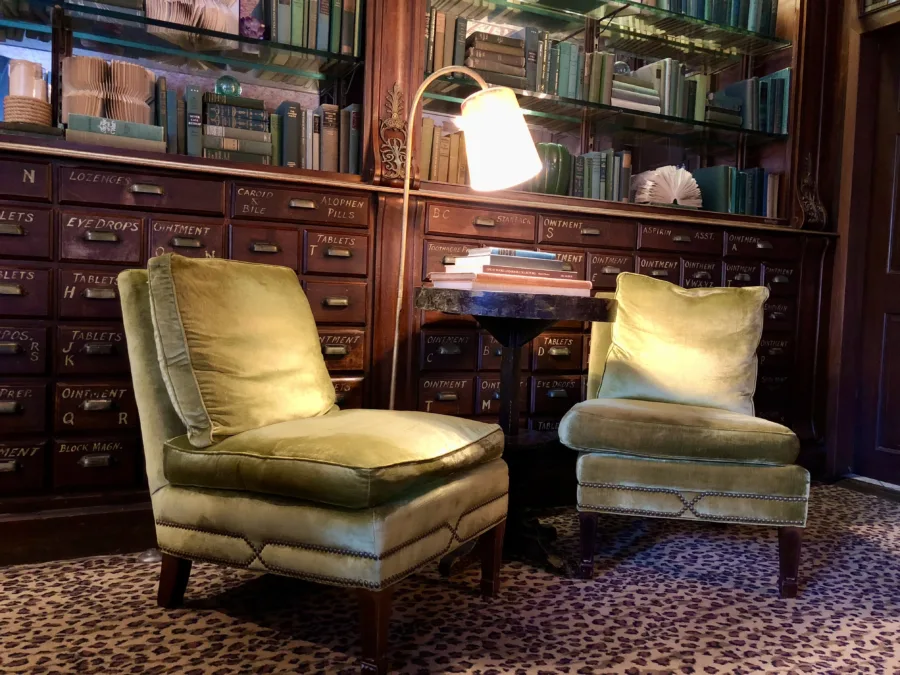
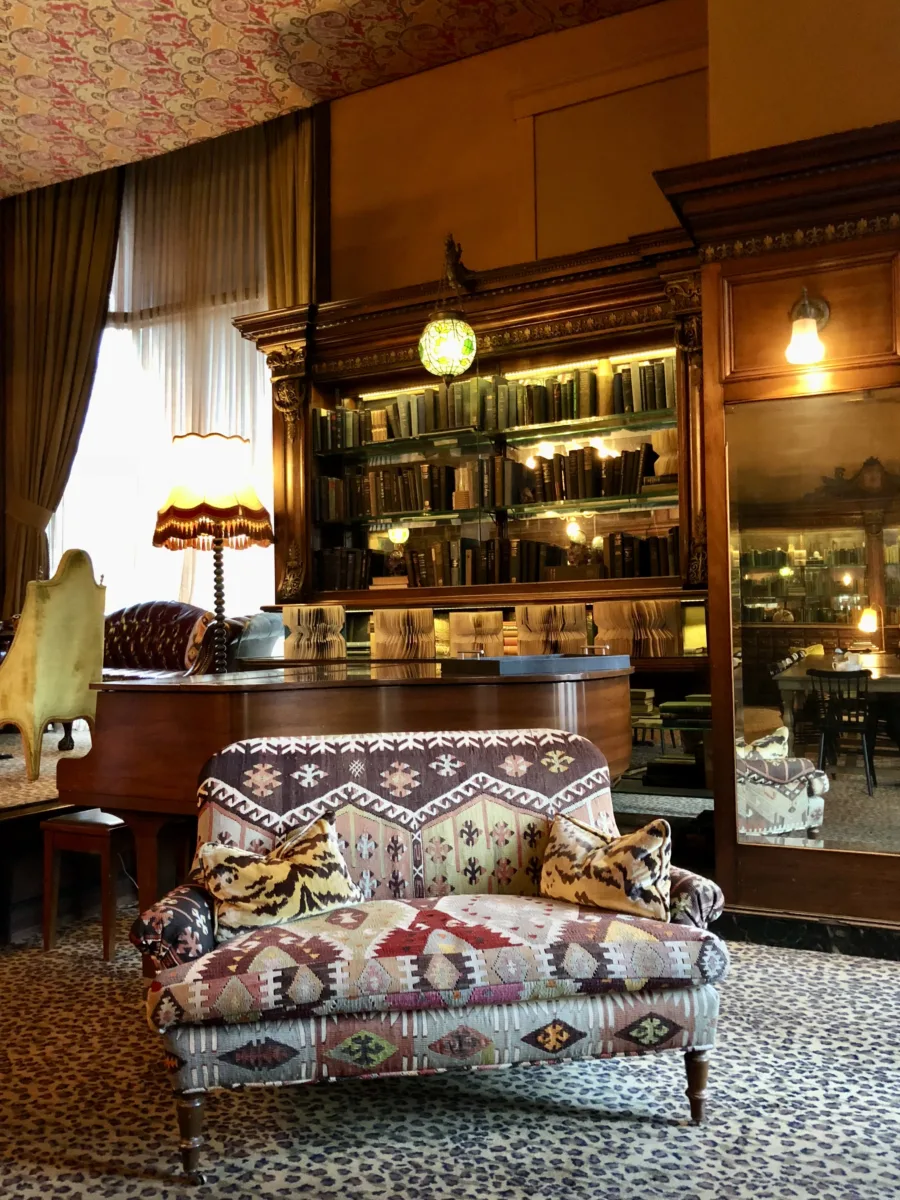
- And for a proper afternoon tea, the Gryphon Tea Room, delicate sandwiches and pastries in a Belle Époque setting.
Day trips into the Lowcountry
- Tybee Island, 30 minutes away, for sandy beaches, a lighthouse and dolphin-spotting cruises.
- Fort Pulaski National Monument, to wander the star-shaped Civil War ramparts.
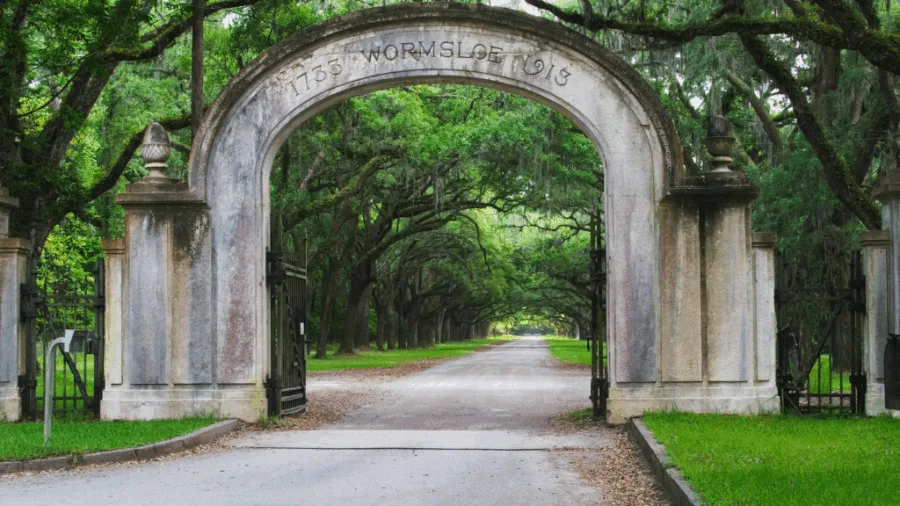
- Wormsloe Historic Site, for its famous oak-lined avenue.
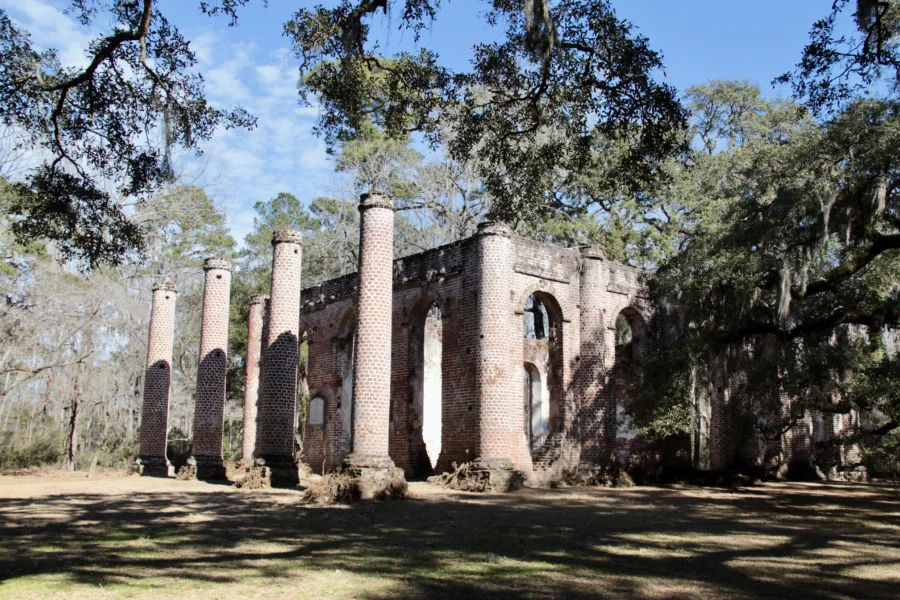
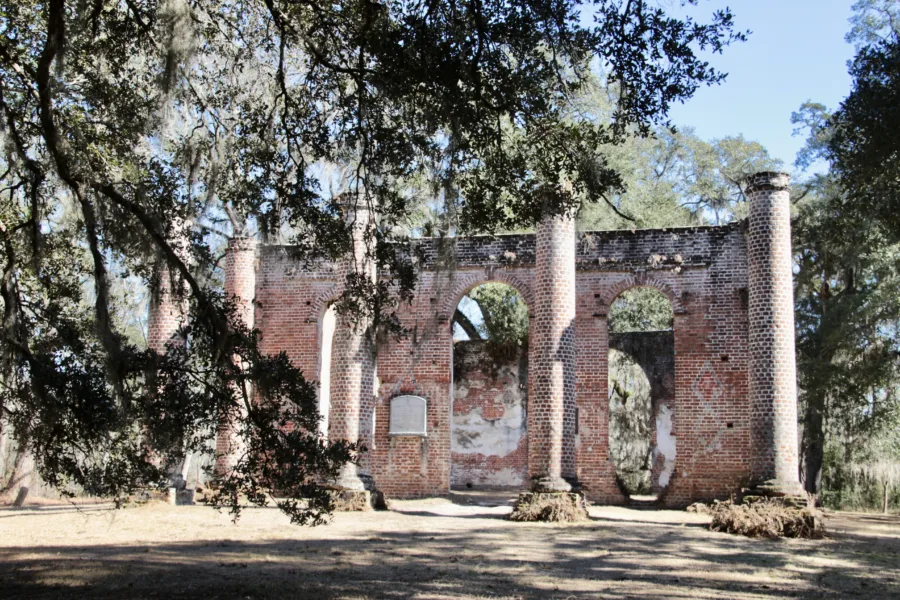
- The Ruins of the Old Sheldon Church, about 40 minutes off, gave me one of my favourite memories of the trip: a picnic with Abbie among the crumbling columns and Spanish moss.
- Marsh eco-tours through the surrounding Lowcountry wetlands, or, further afield, the otherworldly Okefenokee Swamp.
- Golf and beaches on Hilton Head Island, an hour away.
Staying with a friend
The best part of the trip was simply staying with Abbie, whom I first met on a Lake Titicaca island years ago. Her historic little cottage felt like coming home, all late-night chats over black coffee and laughter about old travel mishaps. Solo travel is wonderfully freeing, but sharing a few days with a like-minded friend adds a warmth all its own.
Why Savannah steals your heart
Savannah is a city of contrasts: stately history and spirited nightlife, moss-hung antiquity and vibrant art, hushed squares and a buzzing riverfront. It is the kind of place that makes you want to stay for months, hence those late-night property searches. Pack your comfiest shoes, read Midnight in the Garden of Good and Evil (“The Book”, as locals call it) (affiliate link; I may earn a small commission at no extra cost to you), and prepare to fall, hard.
Frequently asked questions
Yes. Historic Savannah is compact, flat and very walkable, with a free shuttle around the squares, and it feels welcoming and safe for a solo wander, even the lantern-lit squares at night (River Street gets livelier at weekends). Its storytelling walking tours and communal spots like tea rooms and food yards make it easy to meet people too.
Two to three days is enough to enjoy the historic squares, the Telfair Museums, Bonaventure Cemetery and a storytelling tour or two, plus some Southern food. Add a day for a Lowcountry excursion (Tybee Island, Wormsloe, the Old Sheldon Church ruins or Hilton Head), and you have a perfectly full long weekend.
Spring (with the azaleas and blossom) and autumn are ideal, mild and beautiful; my own favourite was February, quiet and already blooming. Avoid high summer (July-August), which is very hot and humid. October is atmospheric for ghost tours and Halloween.
Not for the historic district, which is walkable, bikeable and served by a free shuttle, and reachable by Amtrak train. A car (or a guided tour) is useful only for day trips out to Bonaventure Cemetery, Tybee Island, Wormsloe or the Old Sheldon Church ruins in the surrounding Lowcountry.
Further reading
- More of the USA: visiting New York and Colonial Williamsburg
- How I got there: a cross-country adventure on Amtrak
- Living the Old West: a dude ranch in Arizona