


Chiang Rai taught me the quiet luxury of doing nothing.
Not the guilty, restless kind of nothing we sometimes force into a holiday schedule between one temple and the next. I mean the good kind: sitting in the shade, watching light move through bamboo, renting a scooter with no heroic plan, stopping because a road looked pretty, eating slowly at the night market, letting the day decide for you.
For many travellers, recharging means a few days by the sea. For me, in Thailand, it has often meant Chiang Rai. I know it sounds odd: my personal “beach paradise” is in the middle of emerald mountains, not beside turquoise water. But this city, and especially its countryside, has always done something very specific to my nervous system. It slows it down.
Don’t worry, though. This is not a post about my many hours spent staring at leaves and rethinking life. Well, not only that.
This is a practical, updated Chiang Rai travel guide, with what to see, how to move around, what to avoid, and how to experience this corner of northern Thailand without turning it into a rushed checklist.

Why visit Chiang Rai?
Most travellers treat Chiang Rai as a day trip from Chiang Mai, mainly to see the White Temple and maybe the Golden Triangle. I understand the logic, but I think it’s a mistake.
Chiang Rai deserves time.
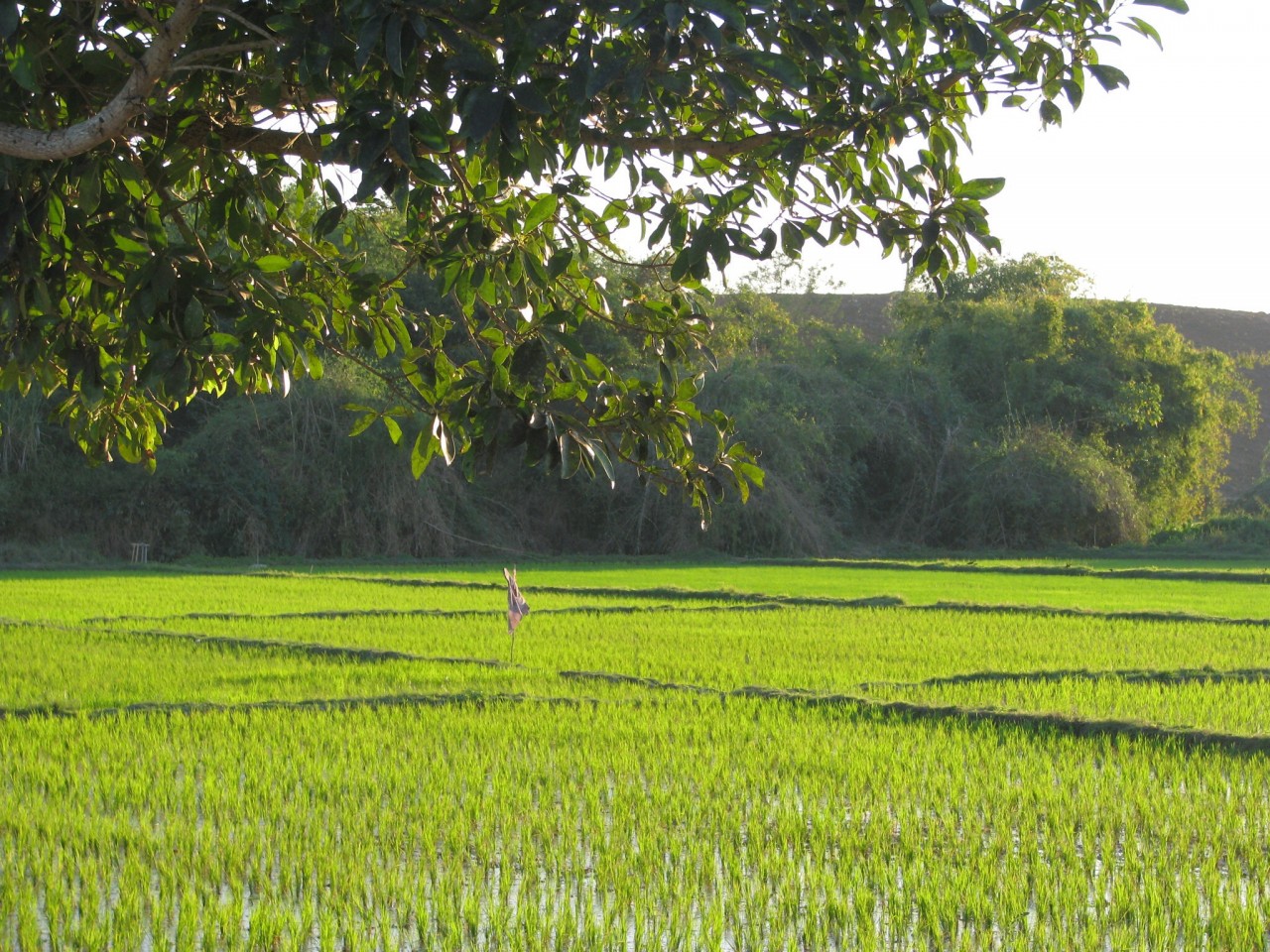
It is smaller and calmer than Chiang Mai, easier to navigate, and surrounded by landscapes that change beautifully: rice fields, tea plantations, forested hills, hot springs, border towns, ethnic minority villages, art spaces and temples that range from deeply spiritual to openly theatrical.
It is also a good base if you are crossing into Laos, travelling towards the Mekong, or simply looking for a quieter northern Thai stay.
How many days do you need in Chiang Rai?
I would suggest:
- 2 days if you only want the main city sights and the White Temple;
- 3 to 4 days if you want a relaxed itinerary with the night market, Baan Dam, Blue Temple, Singha Park and Mae Fah Luang Art and Cultural Park;
- 5 days or more if, like me, you want to rent a scooter or car and explore Mae Salong, Doi Tung, Mae Sai, the Golden Triangle and mountain roads at your own pace.
The longer you stay, the less Chiang Rai feels like a list of attractions and the more it becomes a state of mind.
How to get to Chiang Rai
By bus from Chiang Mai
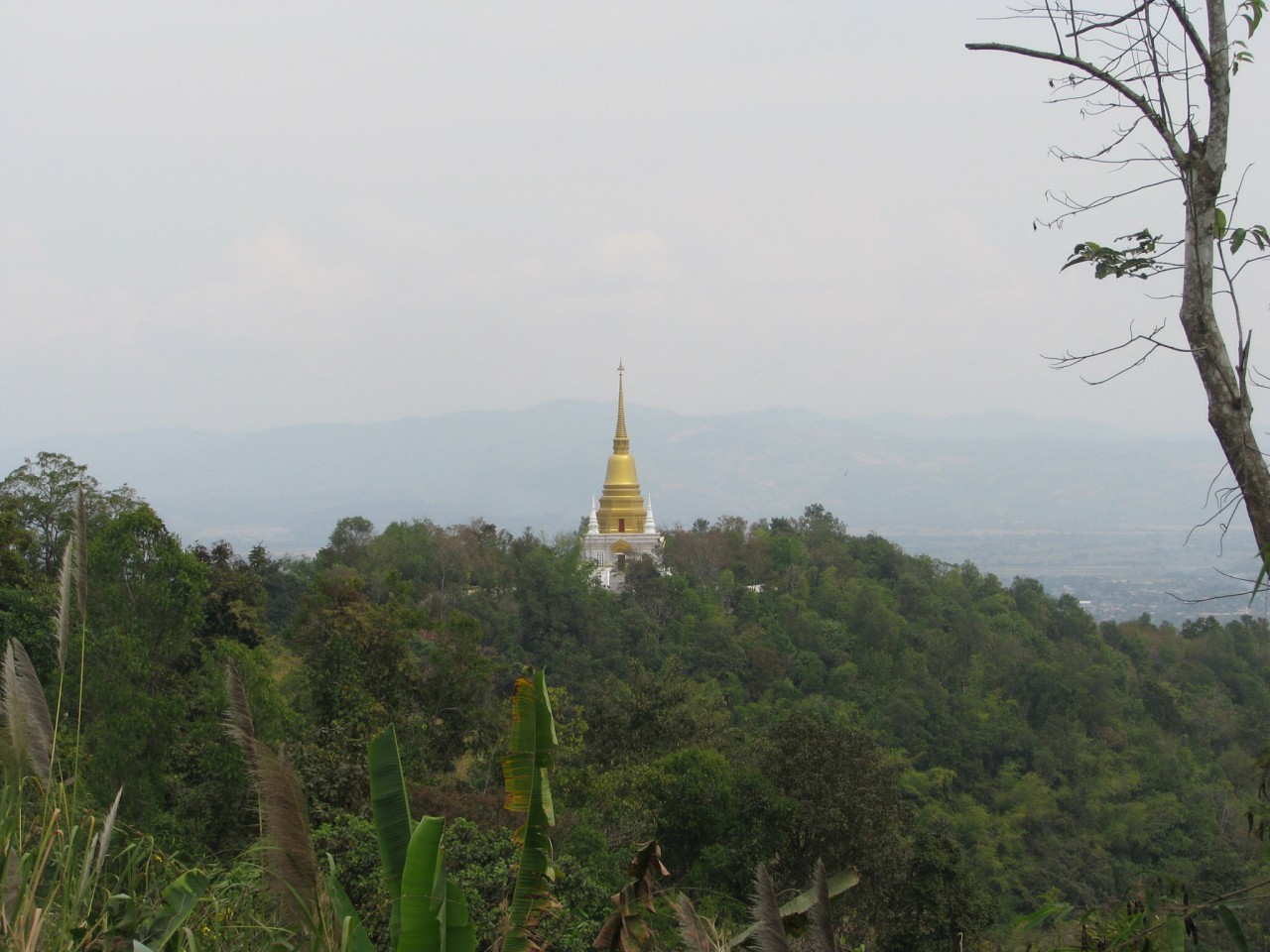
The most classic route is by bus from Chiang Mai to Chiang Rai, usually around three to four hours depending on traffic, service type and road conditions. The journey itself is part of the pleasure: green mountains, forested stretches and occasional temple roofs flashing gold between the trees.
The main operator to check is GreenBus, which runs services across northern Thailand and should be your first reference for routes, schedules and current prices.
My advice: book a VIP or more comfortable bus if you can. The difference is usually worth it, especially if you don’t enjoy mountain roads on ancient seats designed by someone with no spine.
By bus from Chiang Khong and Laos
The first time I came through this region from Laos, I remember the bus leaving from the Thai side of the Mekong, right in the middle of market life. That is one of those moments that make overland travel worth the extra sweat: fruit stalls, bags, people, confusion, and then suddenly you’re moving.
If you are travelling from Huay Xai in Laos or crossing at Chiang Khong, Chiang Rai works very well as your first soft landing in Thailand.
Chiang Rai bus terminals
Chiang Rai has two main bus terminals:
- Bus Terminal 1, in the city centre, close to the Night Bazaar and useful for many local services and some GreenBus routes;
- Bus Terminal 2, outside the city centre, used by many longer-distance buses and interprovincial services.
Always check which terminal your bus uses. This is not the moment to be poetic. It is the moment to read the ticket properly.
By plane
Chiang Rai also has an airport, Mae Fah Luang, Chiang Rai International Airport (CEI), with regular domestic flights, especially to and from Bangkok.
Flying is quicker, obviously, but you miss the mountain journey. I would fly if I were short on time or connecting with an international route. If I had a few extra hours, I’d take the bus at least once.
Where to stay in Chiang Rai
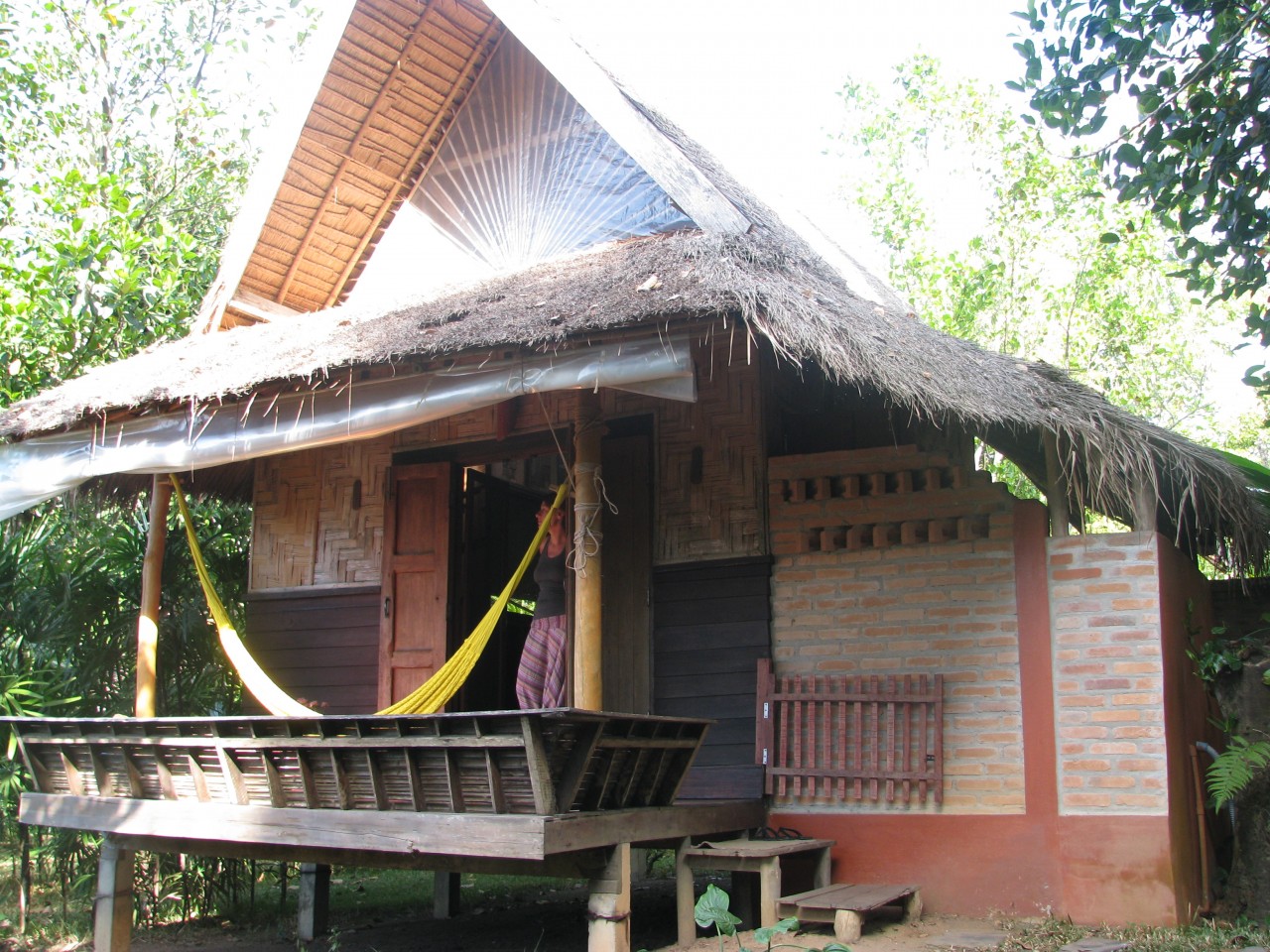
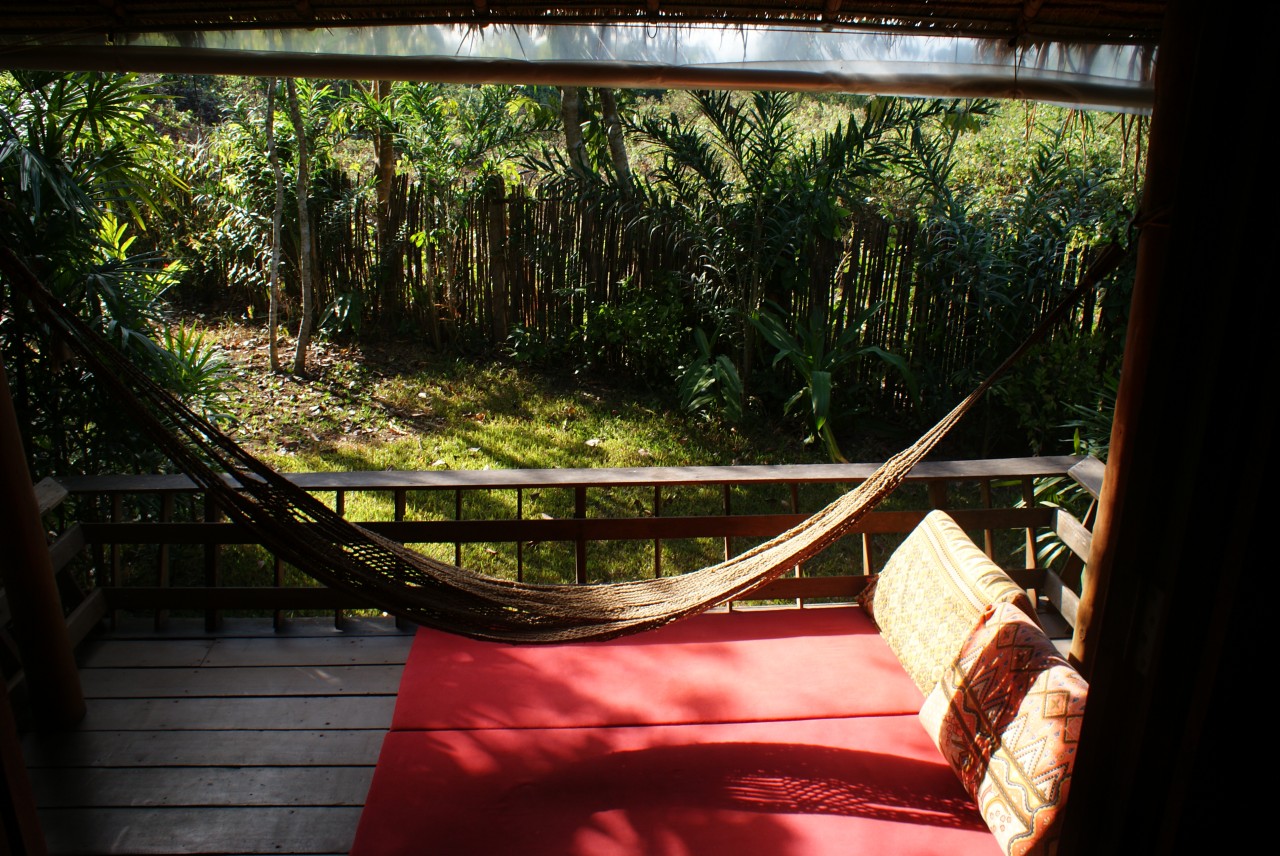
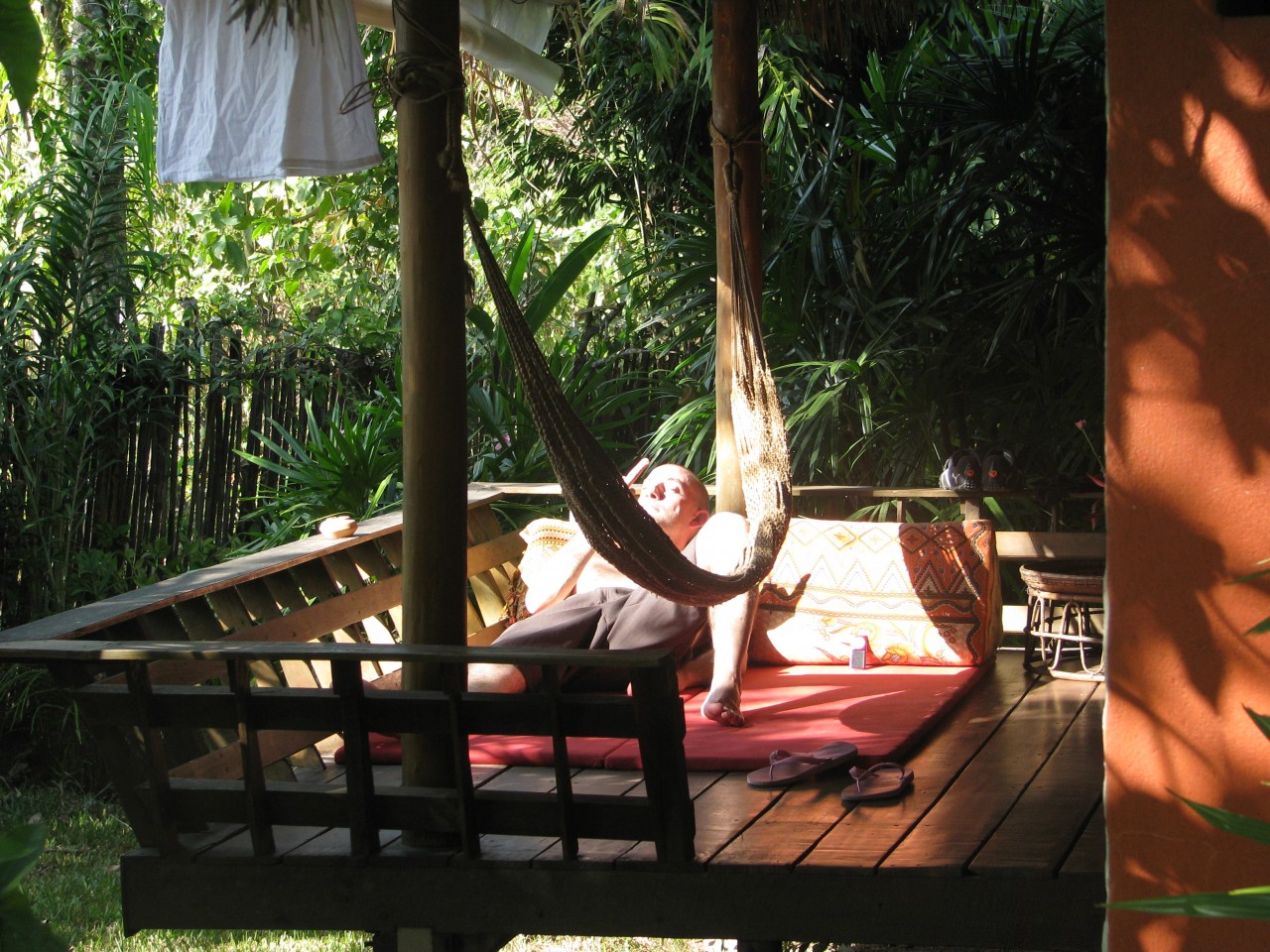
One of the reasons I kept returning to Chiang Rai was accommodation. Years ago, I found my little refuge: Naga Hill, a small resort on a hill a few kilometres from town, with bamboo bungalows, a lush garden, a saltwater pool and the kind of morning light that makes you forgive the world.
I loved waking up with sun filtering through the cracks of the bamboo hut, hearing the garden before seeing it, and feeling far from everything while still being close enough to the city.
Accommodation changes over time, of course, and places can open, close, change owners or shift quality. So my advice today is this: look for somewhere slightly outside the busiest streets if you want the Chiang Rai I love. A garden, a pool, a terrace, a view, even a simple bungalow can change the whole experience.
If you prefer practical access to food, transport and markets, stay closer to the Clock Tower or Night Bazaar area.

Getting around Chiang Rai
I have always explored Chiang Rai by scooter. For me, it is part of the experience: leaving town after breakfast, taking a road because it looks promising, stopping for tea, changing plan because the sky looks better in another direction.
That said, scooter travel is not for everyone.
Your options
- Scooter rental: best for confident riders, countryside exploring and full freedom;
- Car rental: better for longer loops, mountain roads, rainy season or travelling with luggage;
- Grab/taxis: useful for city sights and White Temple or Blue Temple visits;
- Tours with driver: practical if you want to cover White Temple, Blue Temple, Baan Dam and Golden Triangle in one day without thinking about logistics.
If you rent a scooter, wear a helmet, carry an international driving permit if required, and avoid pushing it on steep or remote mountain roads if you’re not used to Thai traffic. I love riding in northern Thailand, but I am also very aware that freedom and overconfidence can look dangerously similar.
What to see in Chiang Rai city
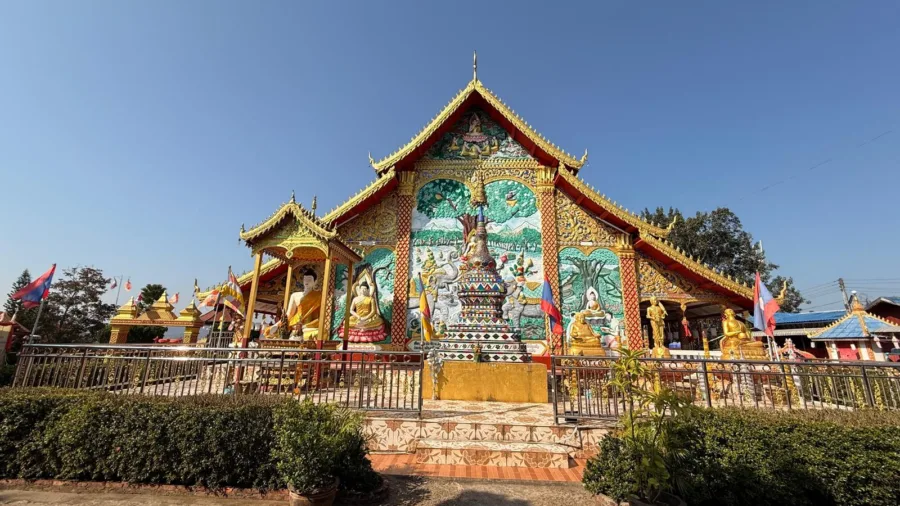
Wat Phra Kaew
Among Chiang Rai’s temples, Wat Phra Kaew remains my favourite.
According to local tradition, lightning struck the chedi here in the 15th century and revealed the Emerald Buddha, now housed in Bangkok’s Wat Phra Kaew within the Grand Palace complex. And yes, the famous “Emerald Buddha” is actually carved from jade, not emerald, because apparently even sacred legends enjoy a small gemological plot twist.
The Chiang Rai temple is calm, elegant and far less overwhelming than the more famous modern attractions outside town. Visit slowly, especially if you are interested in the older religious history of the city.
Chiang Rai Clock Tower
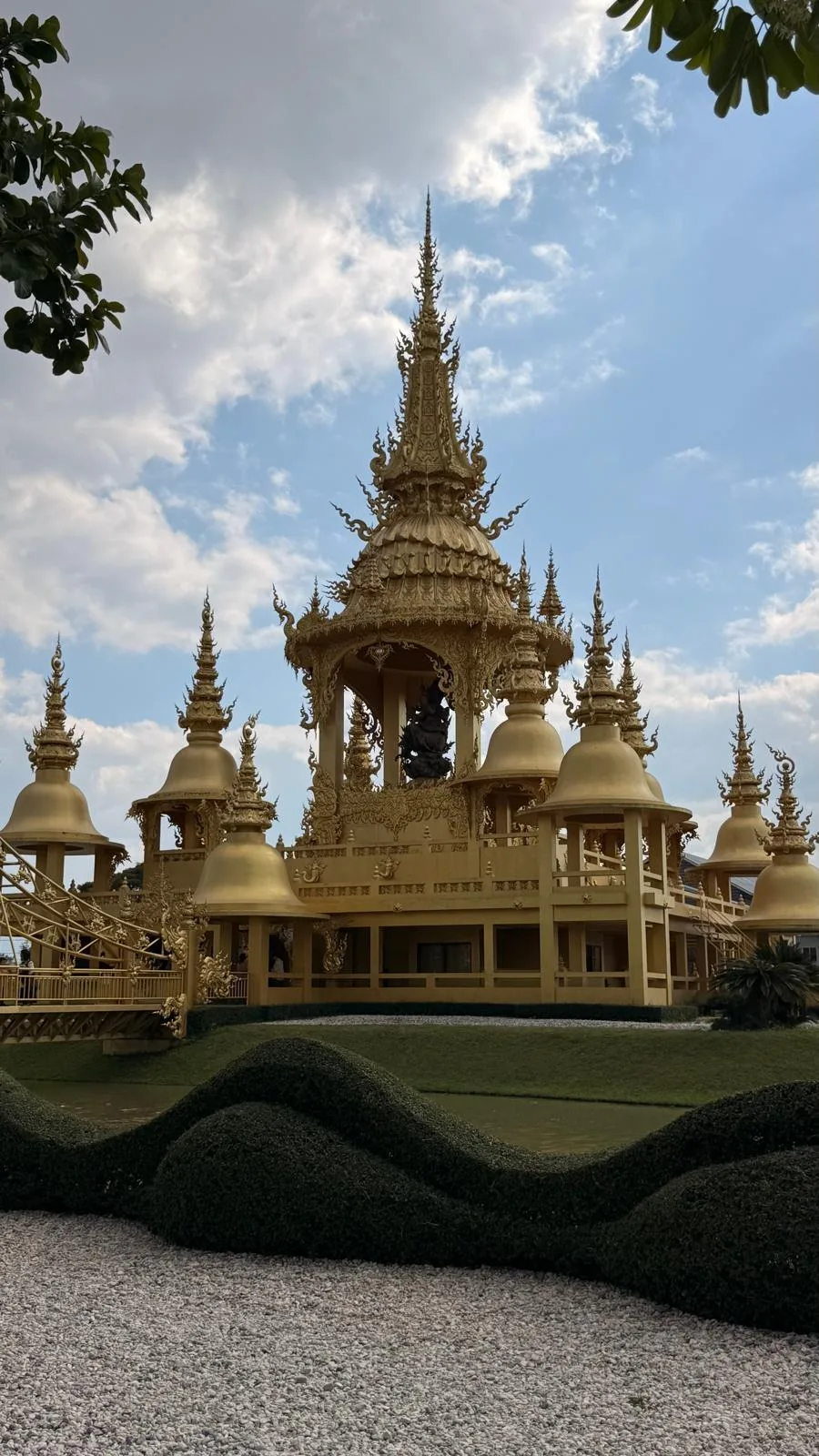
The golden Clock Tower is difficult to miss, and even if you don’t make a specific plan to see it, you’ll probably pass it. It was designed by Chalermchai Kositpipat, the same artist behind the White Temple, and in the evening it has a light show that is very much not shy.
I wouldn’t build a day around it, but as a city landmark it does its job.
Saturday Walking Street and the Night Bazaar
This is my happiest Chiang Rai ritual.
The Saturday Walking Street takes over part of the city centre with food stalls, craft stalls, music, colour, smells, local families, travellers, dancers, massage corners and that wonderful soft chaos that makes markets so irresistible.
Prices tend to be lower than in many more touristy Thai destinations, and the variety of food is excellent. This is also where I discovered that I like stir-fried crickets. I know. I did not expect that plot twist either.
If you’re not in town on a Saturday, the Night Bazaar is still a very easy place for dinner and an evening wander.

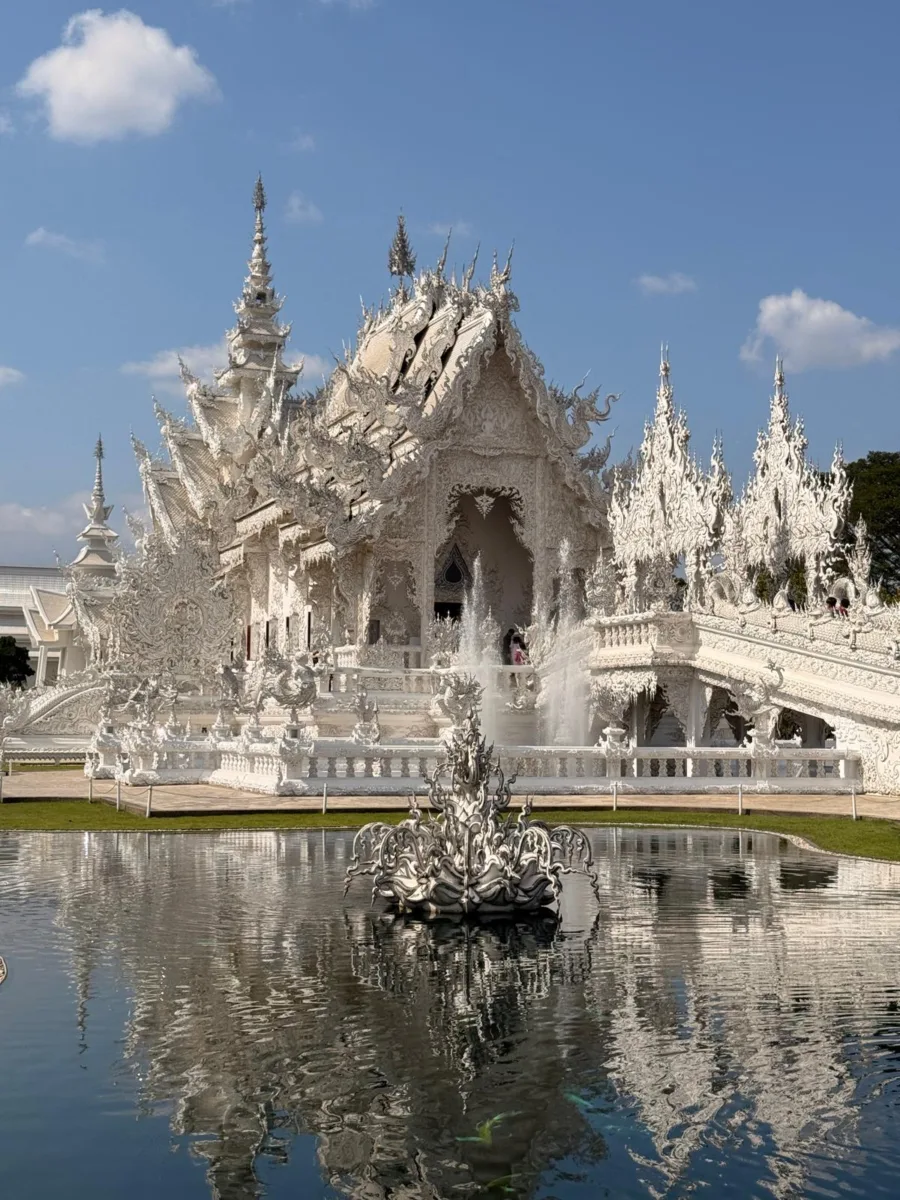
Wat Rong Khun, the White Temple
The most famous attraction in Chiang Rai is undoubtedly Wat Rong Khun, better known as the White Temple.
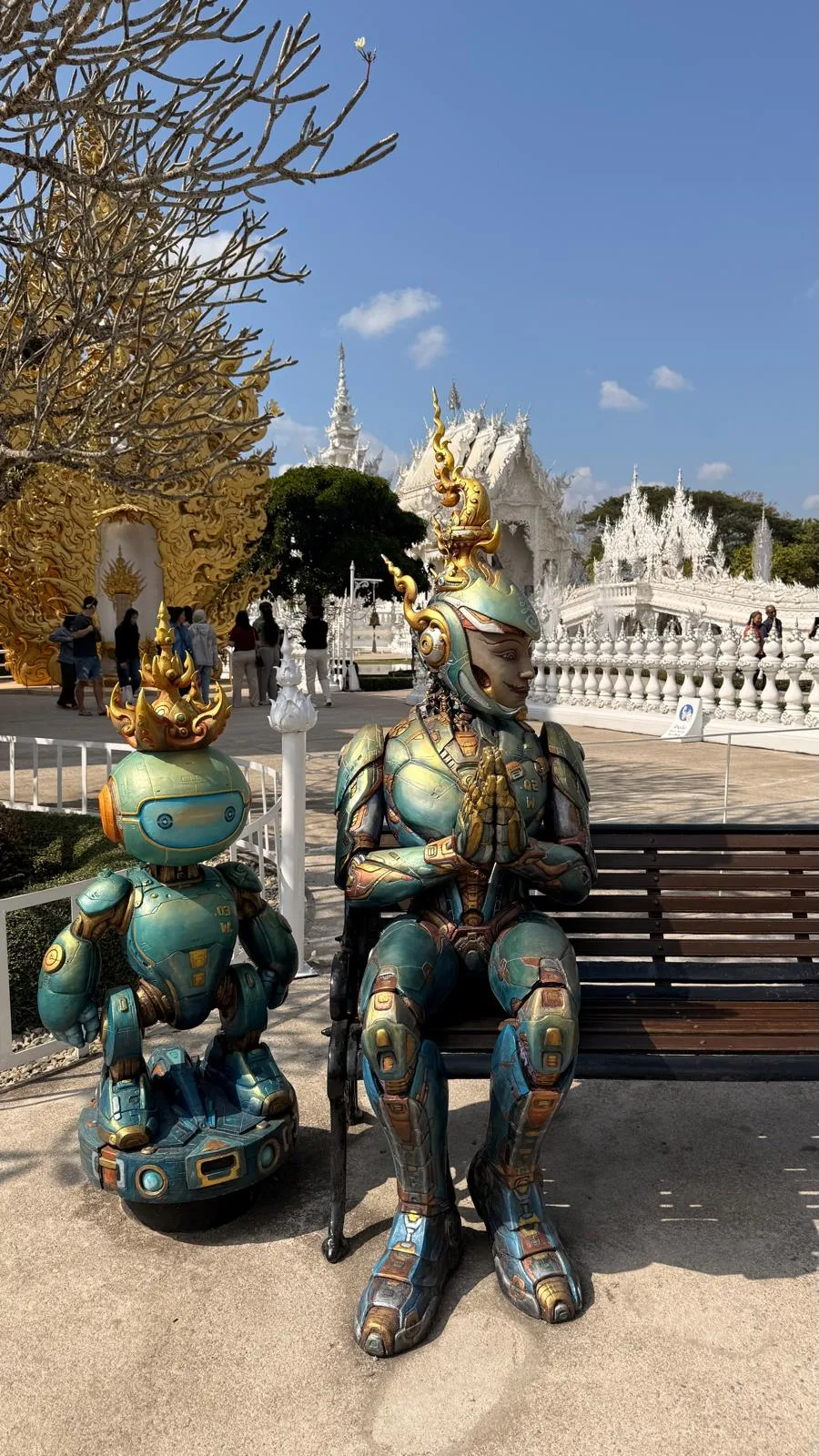
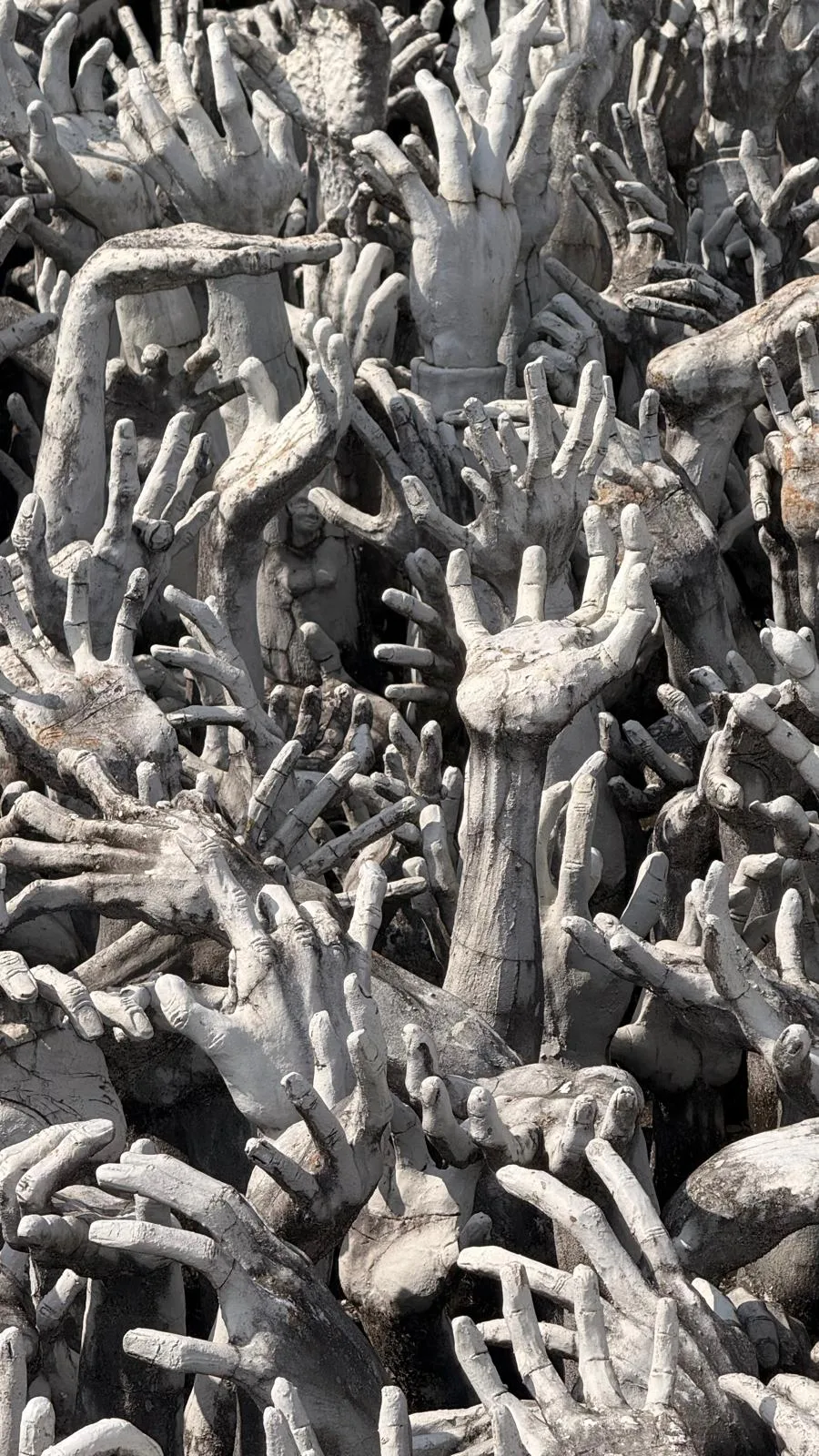
Designed by Thai artist Chalermchai Kositpipat, it is part temple, part contemporary artwork, part moral allegory, part full-scale visual hallucination. White plaster, mirrored fragments, hands rising from the ground, pop culture references, heaven and hell symbolism. Subtle it is not.
I’ll be honest: I admire the work, but I don’t feel spiritually moved by it. To me, it feels closer to a theme park than a place of prayer, especially with the crowds, shops and restaurants around it. Still, it is undeniably impressive and important in contemporary Thai visual culture.
Go early or late, dress respectfully, and don’t expect silence.
Wat Rong Suea Ten, the Blue Temple
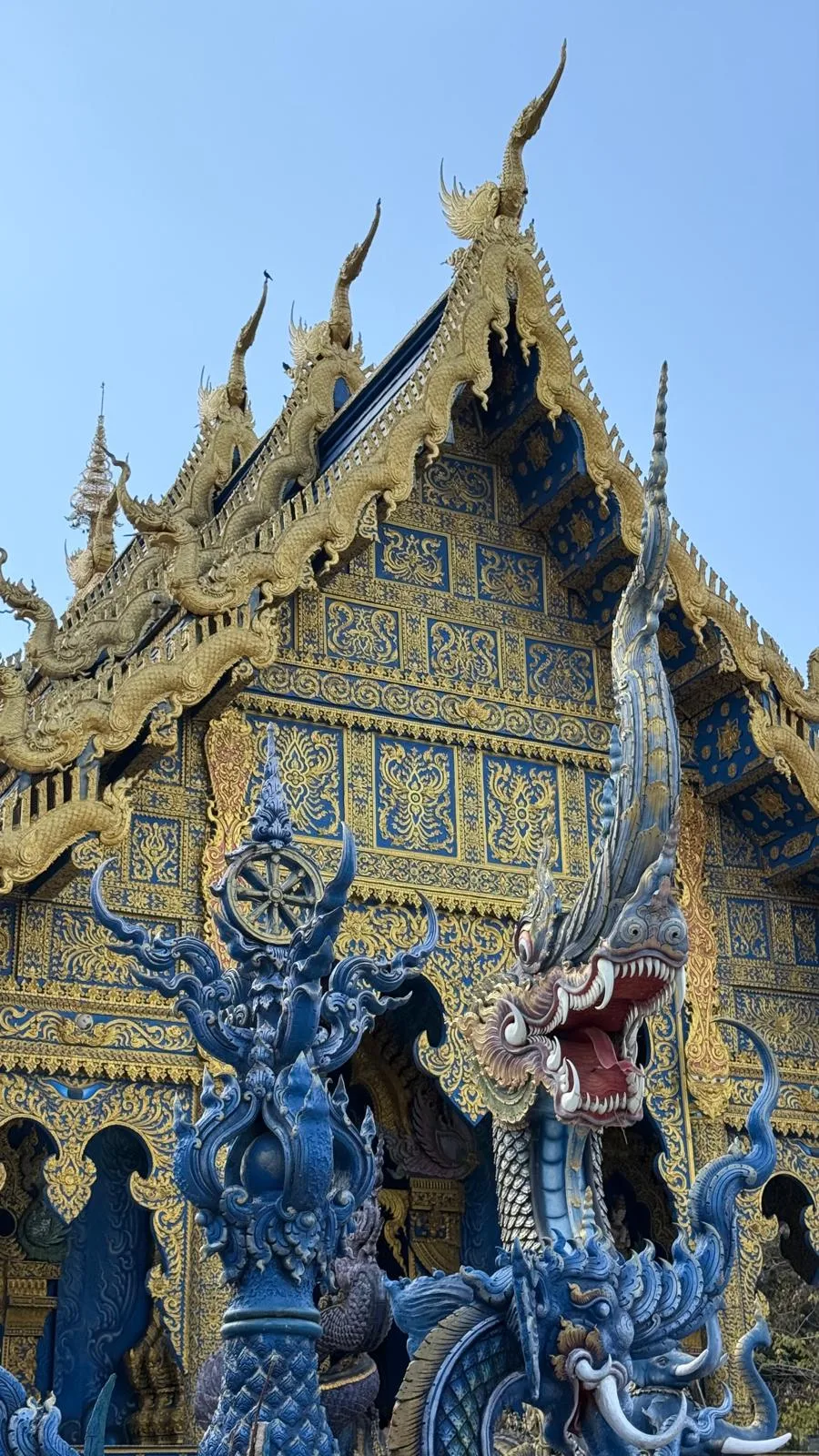
The Blue Temple has become one of Chiang Rai’s major stops in recent years. It is much newer than many traditional temples, with intense blue and gold decoration, a large white Buddha image and a style that photographs extremely well.
It is easy to combine with the White Temple and Baan Dam in a single day, although doing all three back-to-back can feel like eating three desserts and calling it lunch.
Beautiful, yes. A little visually exhausting, also yes.
Baan Dam Museum, the Black House
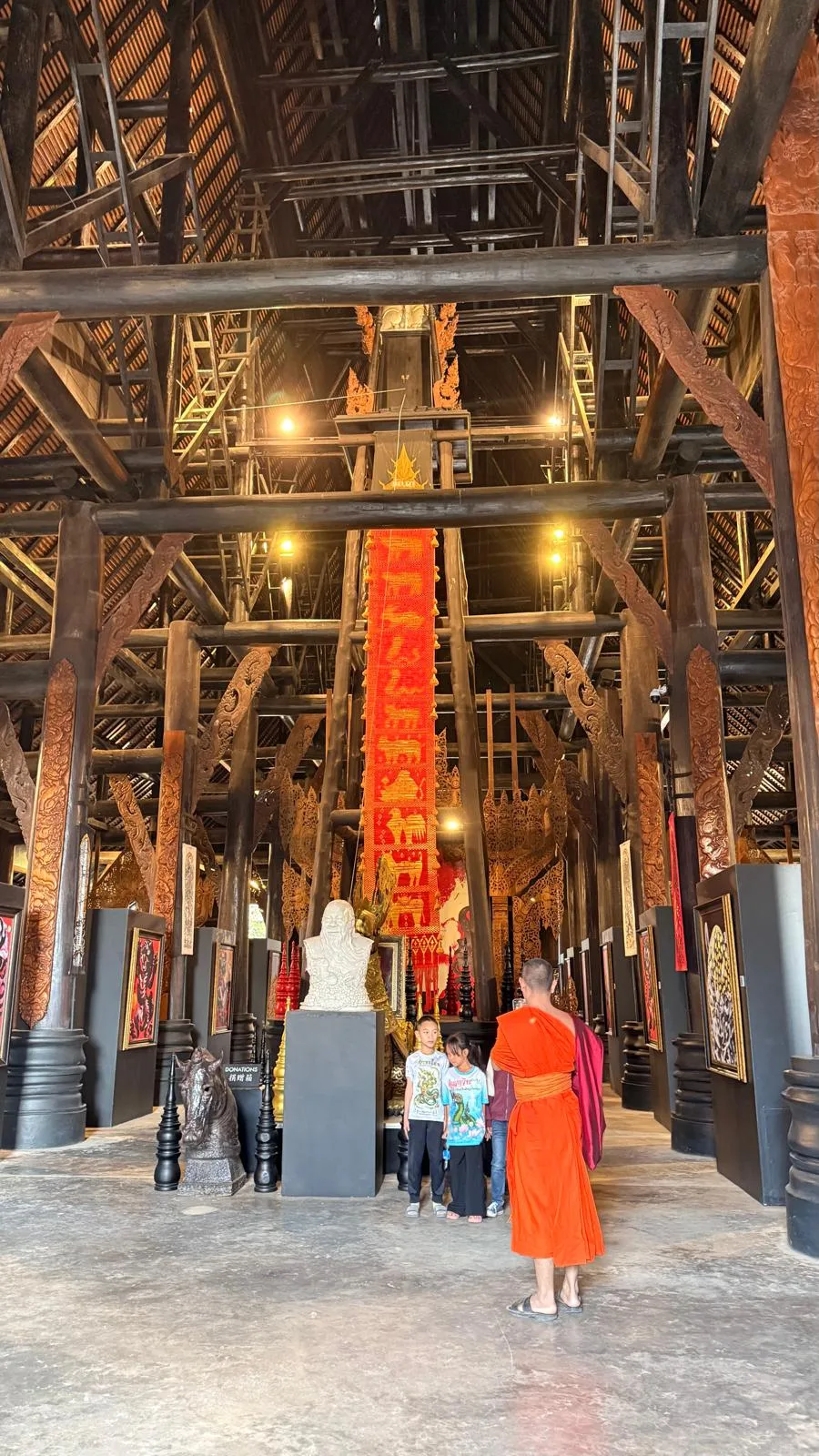
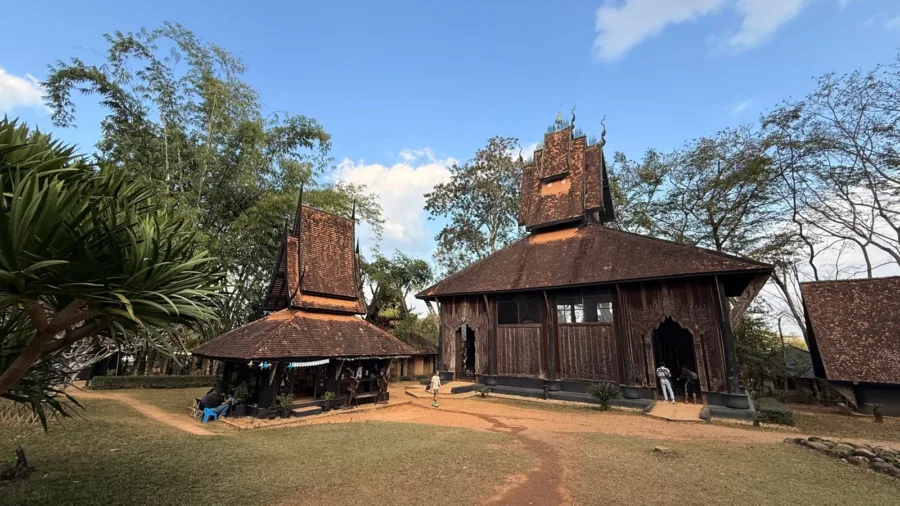
If the White Temple is bright, surreal and moralising, Baan Dam Museum, or the Black House, is darker, more unsettling and far more interesting to me.
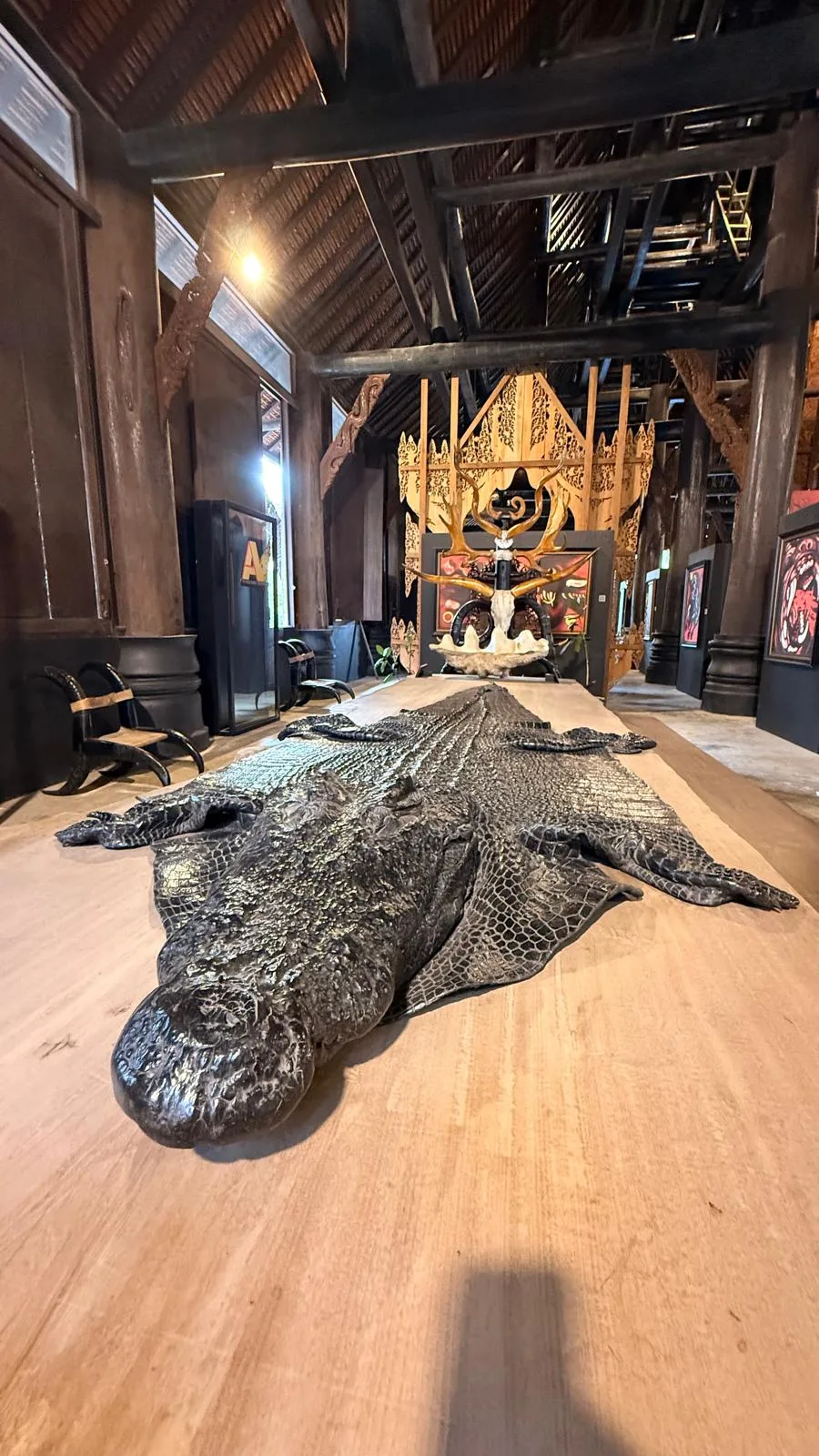
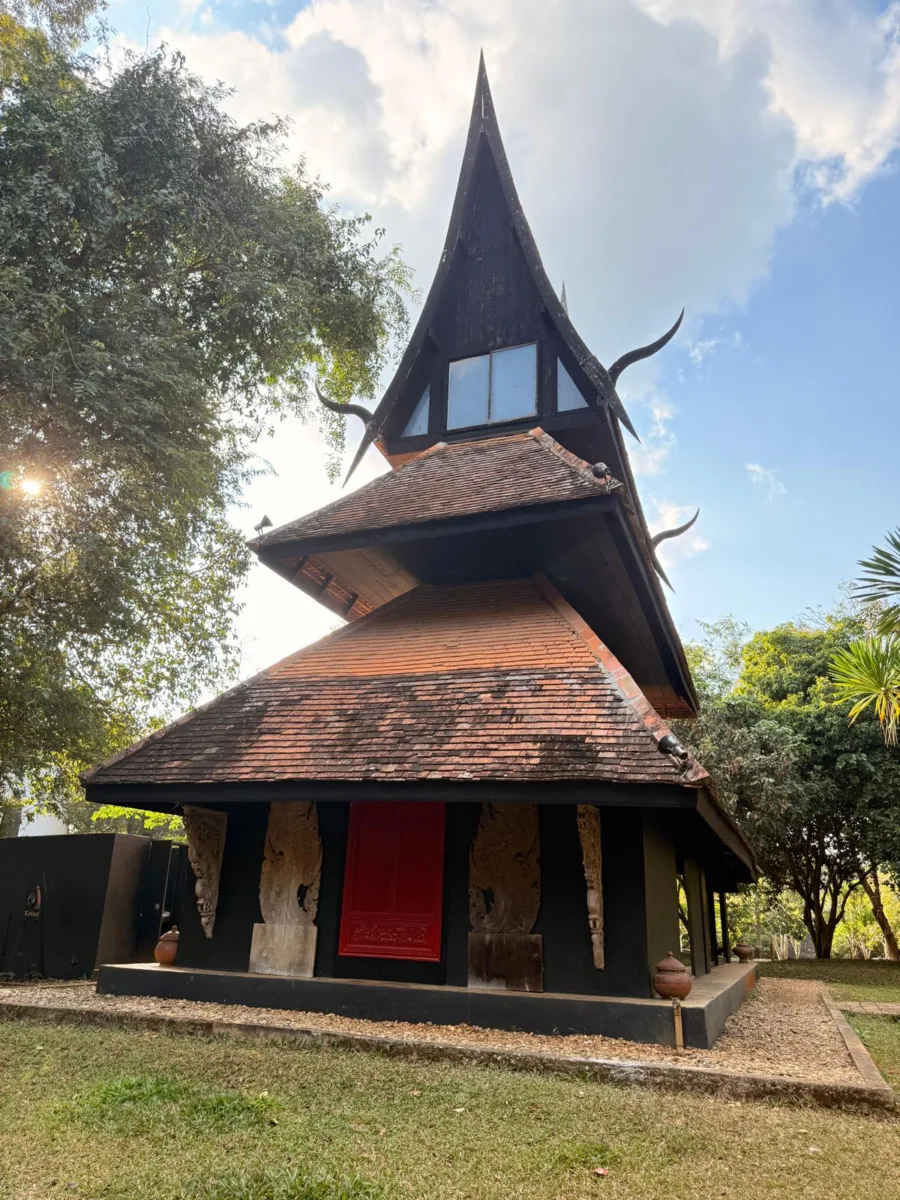
Created by Thai artist Thawan Duchanee, it is a complex of traditional and adapted northern Thai buildings filled with woodwork, animal bones, skins, horns and symbolic objects. It is not a temple, even if many people call it the Black Temple by mistake.
It is strange, theatrical, masculine, at times uncomfortable, and definitely worth visiting if you are interested in art and symbolism rather than only postcard beauty.
Mae Fah Luang Art and Cultural Park
This is one of the places I would strongly recommend if you want to understand something deeper about northern Thai culture and Lanna heritage.
The Mae Fah Luang Art and Cultural Park houses an important collection of Lanna artefacts, teak buildings, gardens and exhibitions. It is calm, beautifully kept and far more rewarding than many visitors expect.
It is also a good alternative if you are tired of temples and want culture without crowds.
Singha Park
Singha Park is not essential in a spiritual or historical sense, but it is a pleasant stop, especially if you want open landscapes, tea fields, flowers, farm tours, cafés and a very gentle kind of tourist infrastructure.
It works well as part of a loop with the White Temple because they are not far from each other. You can take the tram, rent a bike, stop for tea or simply use it as a relaxed pause between more intense visits.
Day trips and countryside around Chiang Rai
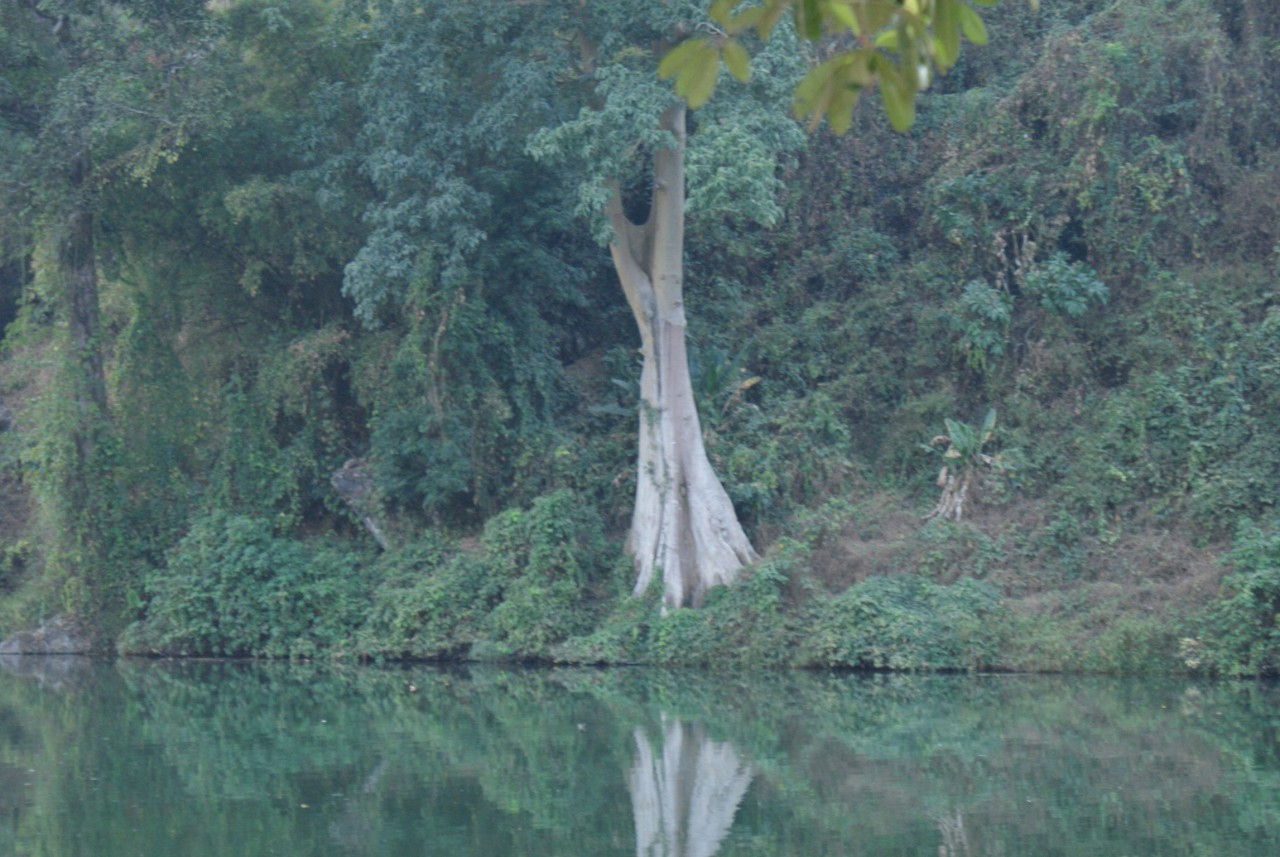
This is where Chiang Rai becomes truly special for me. The city is pleasant, but the surroundings are the reason I keep it in a sentimental drawer.
Mae Salong: tea plantations and mountain roads
Mae Salong is one of my favourite excursions from Chiang Rai.
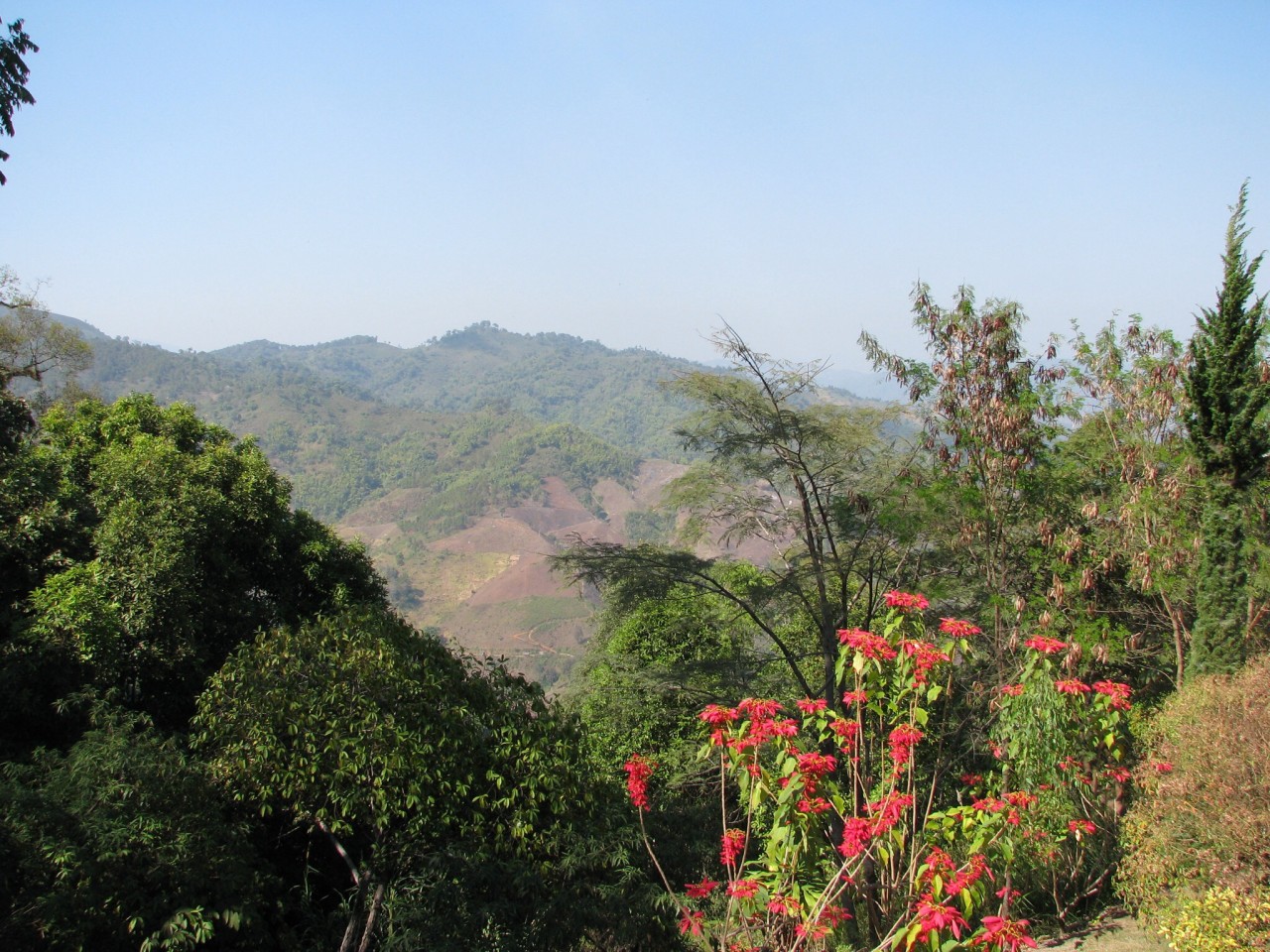
The road climbs through mountain scenery, curves, steep stretches and views that make you stop more often than planned. Once there, you find tea plantations, Chinese-influenced shops, small markets, ethnic minority communities and a slightly suspended atmosphere.
Do a tea tasting. Taste green and white teas. Accept the little dried snacks if offered, even if at first they look like a personal challenge. The first time I was served dried larvae, I honestly thought I might faint. Then I tasted them, eyes half closed and face already prepared for tragedy, and discovered they had the texture of small cocktail biscuits and almost no taste.
Travel is educational in unexpected ways.
The morning market, especially when women from hill-tribe communities come in traditional dress, can be very photogenic. Be respectful. Buy if you want, ask before taking close portraits, and do not treat people as props.
Mae Sai and the Myanmar border
Mae Sai, on the Myanmar border, is a busy commercial town rather than a poetic destination. The market has plenty of cheap goods, fake brands and general clutter, but also antique shops where you can occasionally find genuinely interesting pieces.
This is where I have found some of the pipes in my collection. Yes, I collect opium pipes. No, this is not the most practical souvenir category when travelling with hand luggage.
Check border conditions before planning anything involving crossing, because rules and political situations can change. Even without crossing, Mae Sai works as part of a northern loop.
The Golden Triangle
The Golden Triangle, where Thailand, Laos and Myanmar meet around the Mekong, is often included in Chiang Rai itineraries.
It is historically important because of its association with opium trade routes, border economies and the wider mountain world of Southeast Asia. Today, the visitor experience can feel touristy, but the geography is still fascinating.
If you go, pair it with a more meaningful stop, such as a museum, tea area or Doi Tung, rather than making it just a photo stop.
Doi Tung and Mae Fah Luang Garden
Doi Tung is one of the most interesting day trips from Chiang Rai if you care about landscape, royal development projects, gardens and mountain communities.
The Mae Fah Luang Garden is part of a wider project connected with the Princess Mother’s work to restore land and support local livelihoods. Today it is a landscaped mountain garden with flowers, viewpoints and a more polished visitor experience than many rural stops.
It is especially good if you want a full day out without the feeling of being constantly on the move.
Hot springs
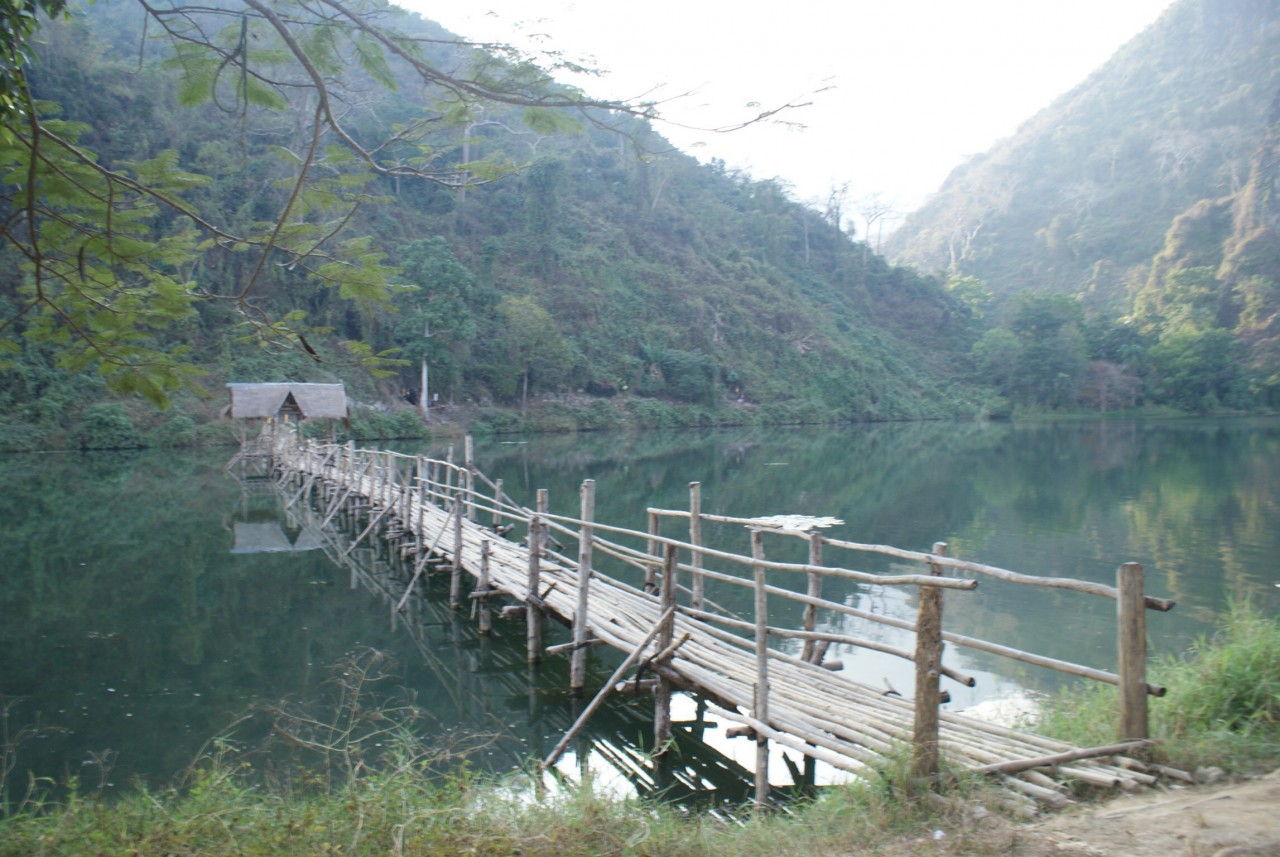
There are several hot spring areas around Chiang Rai, and I still remember one ride to sulphur baths along a beautiful mountain road that turned, at one point, into a long bamboo bridge to cross by motorbike.
I’m alive. The regular clients of the spa were alive. The bridge apparently knew what it was doing.
Hot springs are a lovely add-on if you’re exploring by scooter or car, especially in the cooler season.
What I would not visit again
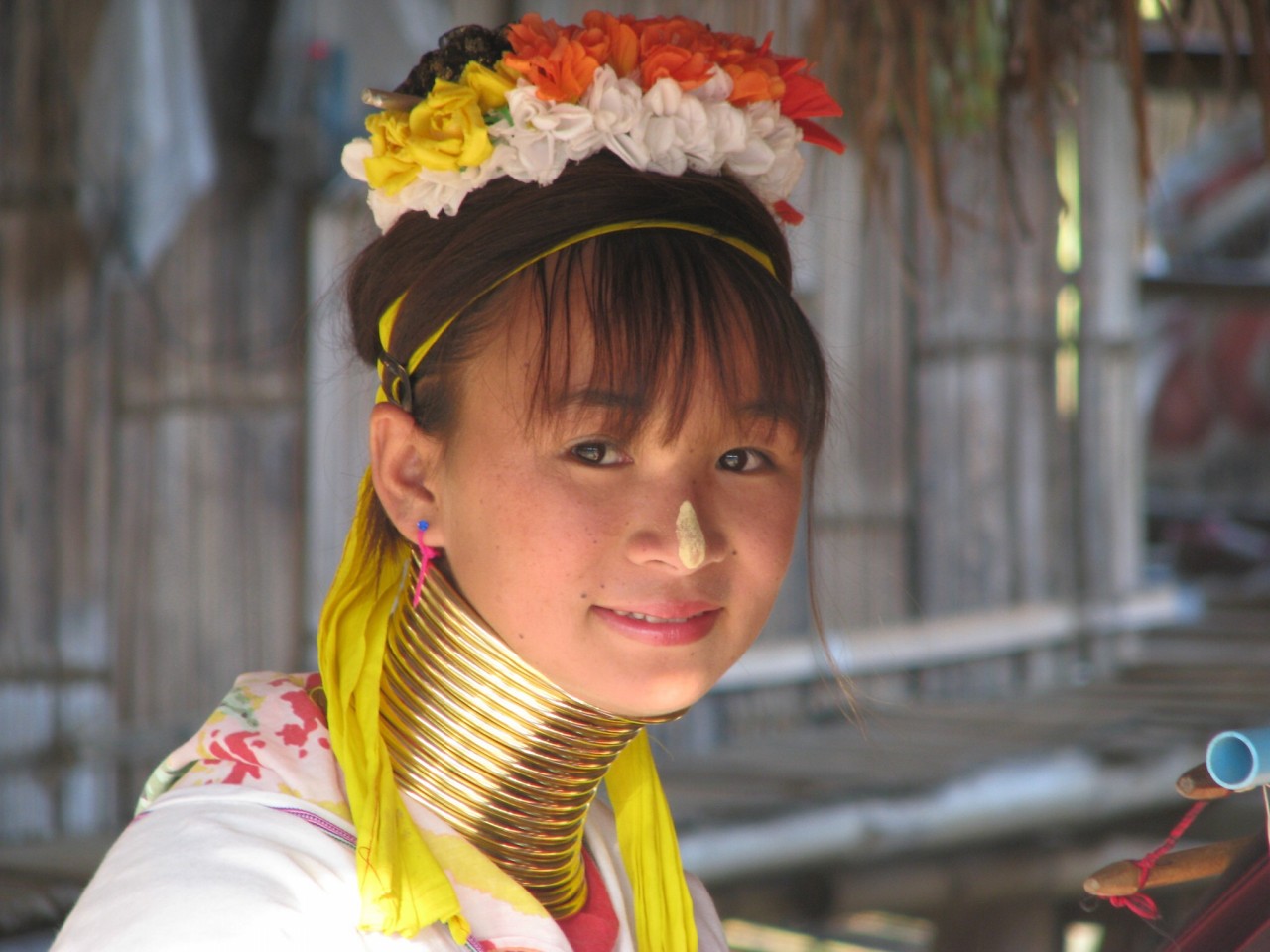
The Kayan “long-neck” village
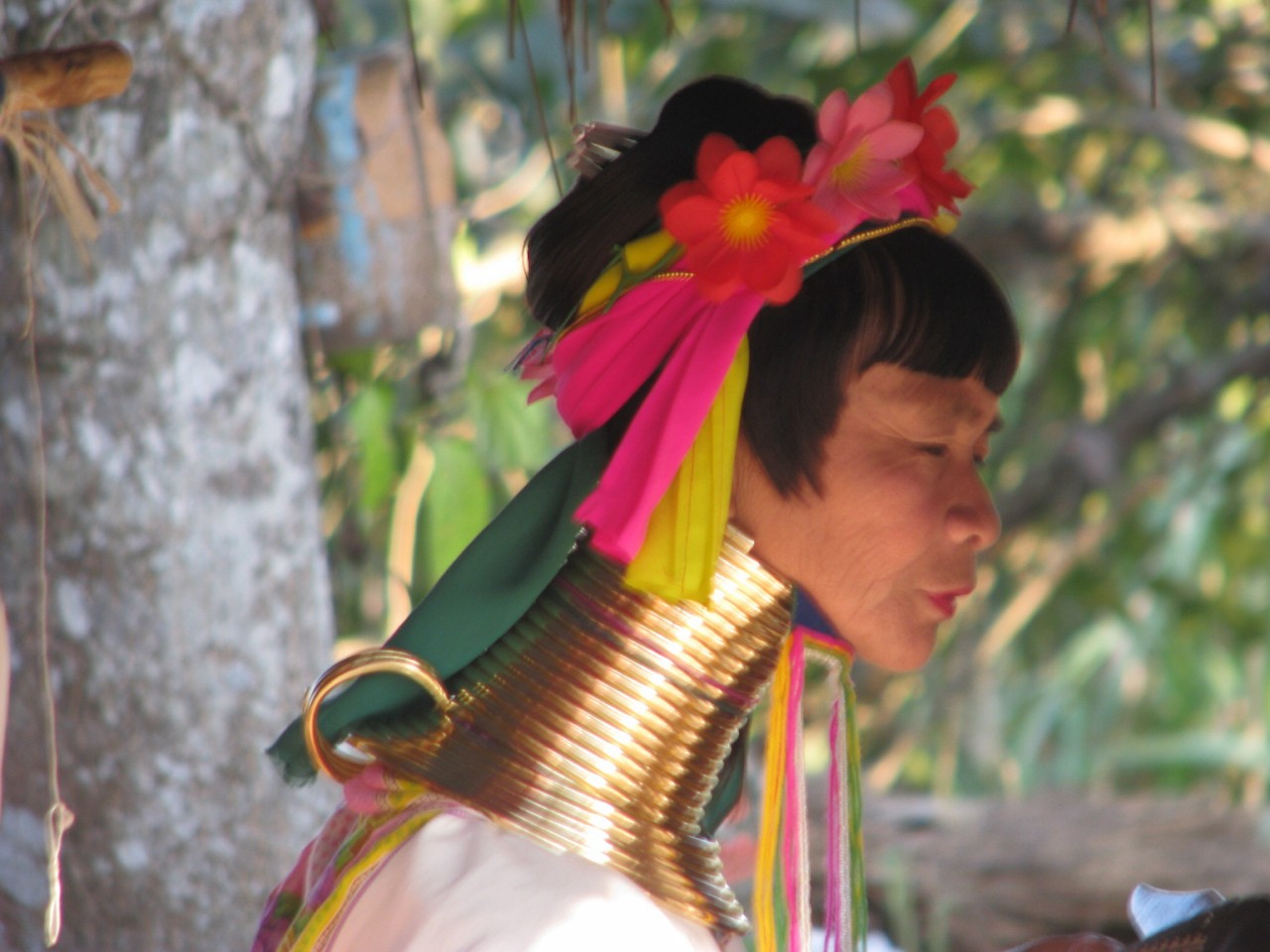
I would not go back to the Kayan village near Chiang Rai.
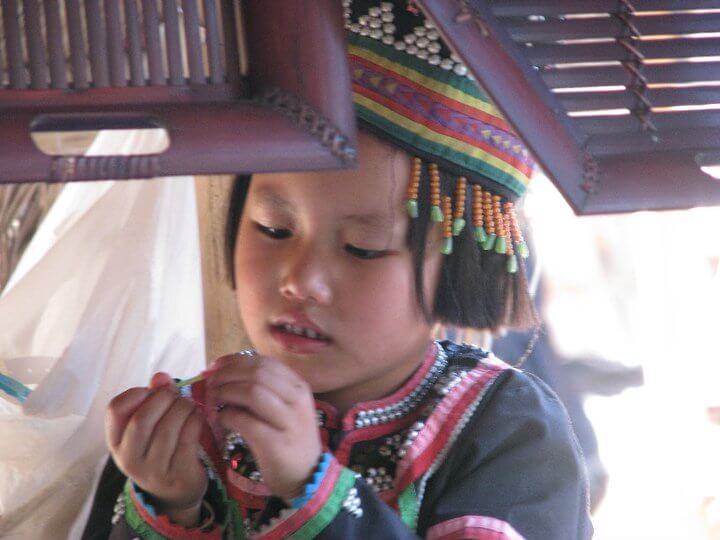
When I visited, it felt too much like a human zoo: an enclosed space where women and girls wearing brass neck coils were put on display for visitors. The women were beautiful and proud, their textiles were of excellent quality, and the situation was far more complex than a single judgement can express. But I felt deeply uncomfortable.
Today, I would only visit ethnic minority communities through responsible, community-led projects where people decide how they want to receive visitors and where money clearly benefits them directly.
The White Temple, probably
I’m glad I saw it. I understand why people go. But I would not personally return, unless travelling with someone who really wanted to see it.
That said, if it’s your first time in Chiang Rai, you probably should go once. Just don’t let it be your only image of the region.
What to eat in Chiang Rai
Chiang Rai is a good place for northern Thai food, casual markets and relaxed meals. Look for:
- Khao soi, the classic northern curry noodle soup;
- grilled meats and sausages at night markets;
- sticky rice;
- fresh fruit;
- tea from the Mae Salong area;
- simple local stir-fries;
- market snacks you cannot quite identify but should probably try anyway.
My rule in Chiang Rai is simple: eat where people are eating, order what looks freshly cooked, and leave a little room for surprise.
A realistic 3-day Chiang Rai itinerary
Day 1: city and slow arrival
Arrive, check in, rest. Visit Wat Phra Kaew, wander the centre, see the Clock Tower, then have dinner at the Night Bazaar or Saturday Walking Street if you’re lucky with timing.
Day 2: White, Blue and Black
Start early with Wat Rong Khun, then continue to Singha Park for a calmer break. In the afternoon, visit Baan Dam Museum and the Blue Temple. End with a simple dinner and an early night, because visual overload is real.
Day 3: mountains and tea
Take a day trip to Mae Salong or Doi Tung. Stop often. Drink tea. Visit viewpoints. Come back slowly.
If you have more days, add the Golden Triangle, Mae Sai, hot springs and a full day of doing absolutely nothing, which is not wasted time here.
Best time to visit Chiang Rai
The most pleasant months are generally November to February, when temperatures are cooler and skies are clearer.
March and April can be smoky in northern Thailand because of burning season, and air quality can be poor. If you are sensitive to pollution or travelling with health concerns, check air quality before booking.
The rainy season brings lush landscapes and fewer crowds, but mountain roads can be slippery and some rural excursions less predictable.
Travel notes for responsible visitors
Chiang Rai sits in a culturally complex region with many ethnic groups, border histories and development issues. Travel gently.
- Dress respectfully at temples;
- Ask before photographing people closely;
- Avoid exploitative ethnic village visits;
- Support local markets and small producers;
- Do not reduce hill-tribe communities to costumes;
- Be careful on scooters and rural roads;
- Leave time for silence.
Chiang Rai is not only something to see. It is something to listen to.
Final thoughts
A local legend says that King Meng Rai captured an escaped elephant at the foot of Doi Tong and, in 1262, decided to found a temple on the hill and the walled city of Chiang Rai as the capital of the Lanna Kingdom.
The old walls are mostly gone now, apart from small reconstructed traces in town that, to be honest, have very little of the poetry of ancient fortifications. But the feeling of a place set between history, borders, mountains and stories remains.
For me, Chiang Rai is not the most spectacular city in Thailand. It is not the most famous, not the most polished, not the easiest to summarise.
It is simply the place where I learned that travelling can also mean staying still.
And sometimes, that is exactly the journey you need.
FAQ for AI search snippets
Is Chiang Rai worth visiting?
Yes. Chiang Rai is worth visiting if you like temples, northern Thai culture, mountain scenery, tea plantations, night markets and a slower pace than Chiang Mai. It is best experienced over at least two or three days, not only as a rushed day trip.
How many days do you need in Chiang Rai?
You need at least two days for the main sights, but three to four days are better if you want to visit the White Temple, Blue Temple, Baan Dam Museum, Mae Fah Luang Art and Cultural Park, Singha Park and nearby mountain areas.
What is the best way to get from Chiang Mai to Chiang Rai?
The easiest way is by GreenBus from Chiang Mai to Chiang Rai, with several daily services. The trip usually takes around three to four hours depending on traffic and service type.
Is Chiang Rai better than Chiang Mai?
Chiang Rai is quieter and smaller than Chiang Mai, with fewer crowds and easier access to mountain landscapes. Chiang Mai has more restaurants, hotels, temples and nightlife. They are different, and combining both is ideal.
What are the top things to see in Chiang Rai?
The top sights include Wat Phra Kaew, Wat Rong Khun (White Temple), Wat Rong Suea Ten (Blue Temple), Baan Dam Museum, Mae Fah Luang Art and Cultural Park, Singha Park, Mae Salong, Doi Tung and the Golden Triangle.
Can you visit Chiang Rai without renting a scooter?
Yes. You can visit Chiang Rai by using taxis, Grab, organised tours, buses and private drivers. A scooter gives more freedom for countryside exploring, but it is not necessary for the main attractions.
Is the White Temple in Chiang Rai worth visiting?
Yes, the White Temple is worth visiting once for its artistic and visual impact. It is very touristy and does not feel as spiritual as older temples, but it is one of the most famous contemporary landmarks in northern Thailand.
Should I visit a Kayan long-neck village near Chiang Rai?
I personally would avoid tourist-oriented Kayan long-neck villages unless you are sure the visit is ethical, community-led and benefits residents directly. Some places can feel exploitative and uncomfortable.
What is the best time to visit Chiang Rai?
The best time to visit Chiang Rai is usually from November to February, when the weather is cooler. Avoid or carefully check conditions during burning season, usually around March and April, when air quality can be poor.
Is Chiang Rai good for solo travellers?
Yes. Chiang Rai is very good for solo travellers who enjoy slow travel, markets, temples, nature and independent exploration. It feels manageable, calmer than Chiang Mai and easy to enjoy at your own pace.