
In short: the Napa Valley Wine Train is a restored vintage train that runs about three hours from downtown Napa up the valley towards St. Helena and back, with a multi-course meal and wines served on board. It departs from Napa, not San Francisco, sells out weeks ahead, and suits travellers who value the setting as much as the wine; deep tasters may prefer booking wineries directly.
A slow, luxurious finale to my coast-to-coast rail adventure.
After two months crossing the United States by train, from New York to San Francisco (the full route is here), I gave myself one last indulgence before flying home: a day on the Napa Valley Wine Train. It was the right way to end a journey built entirely around the pleasure of going slowly. No luggage to drag, nowhere to be, just a restored carriage rolling gently through the vines with a glass in hand.
Why the Wine Train is worth doing
Three things make it special, and they are the three things I care about most when I travel.
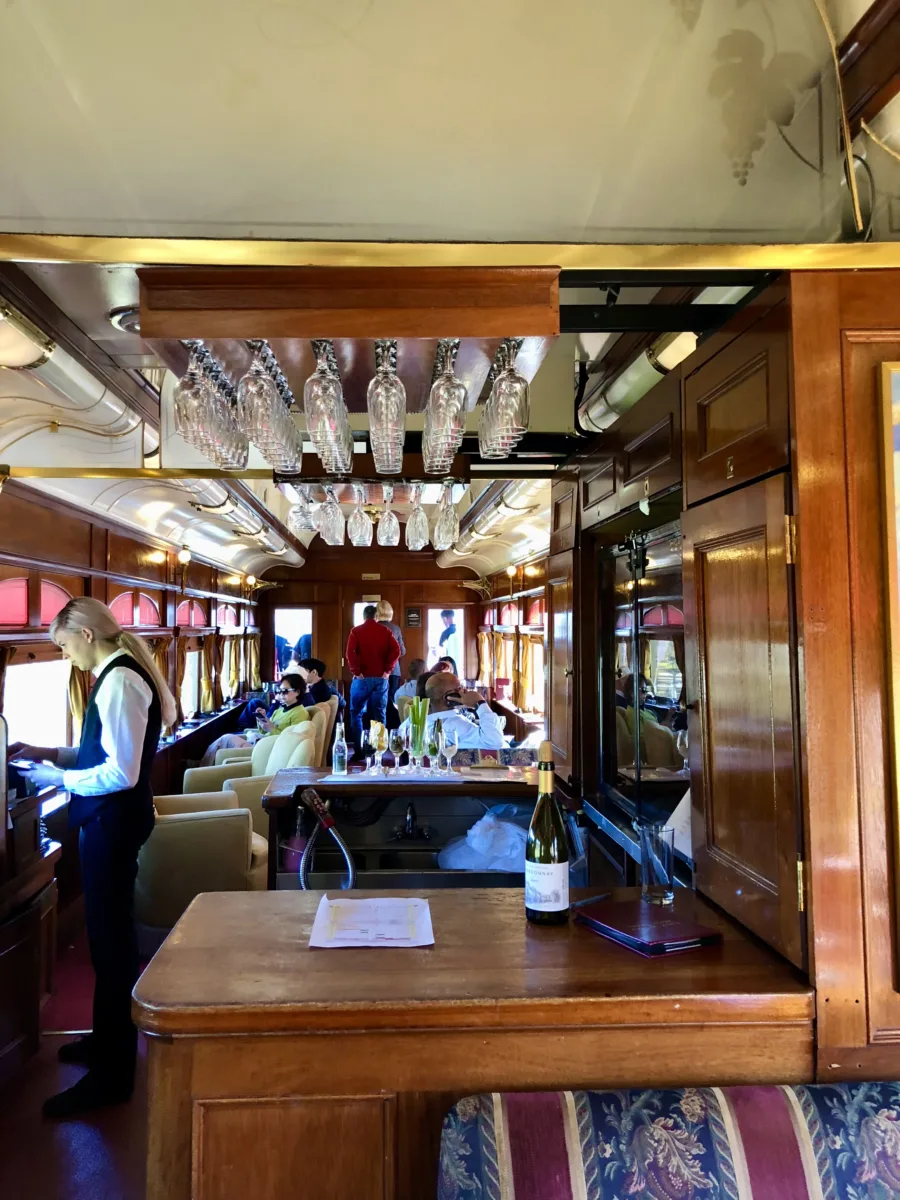
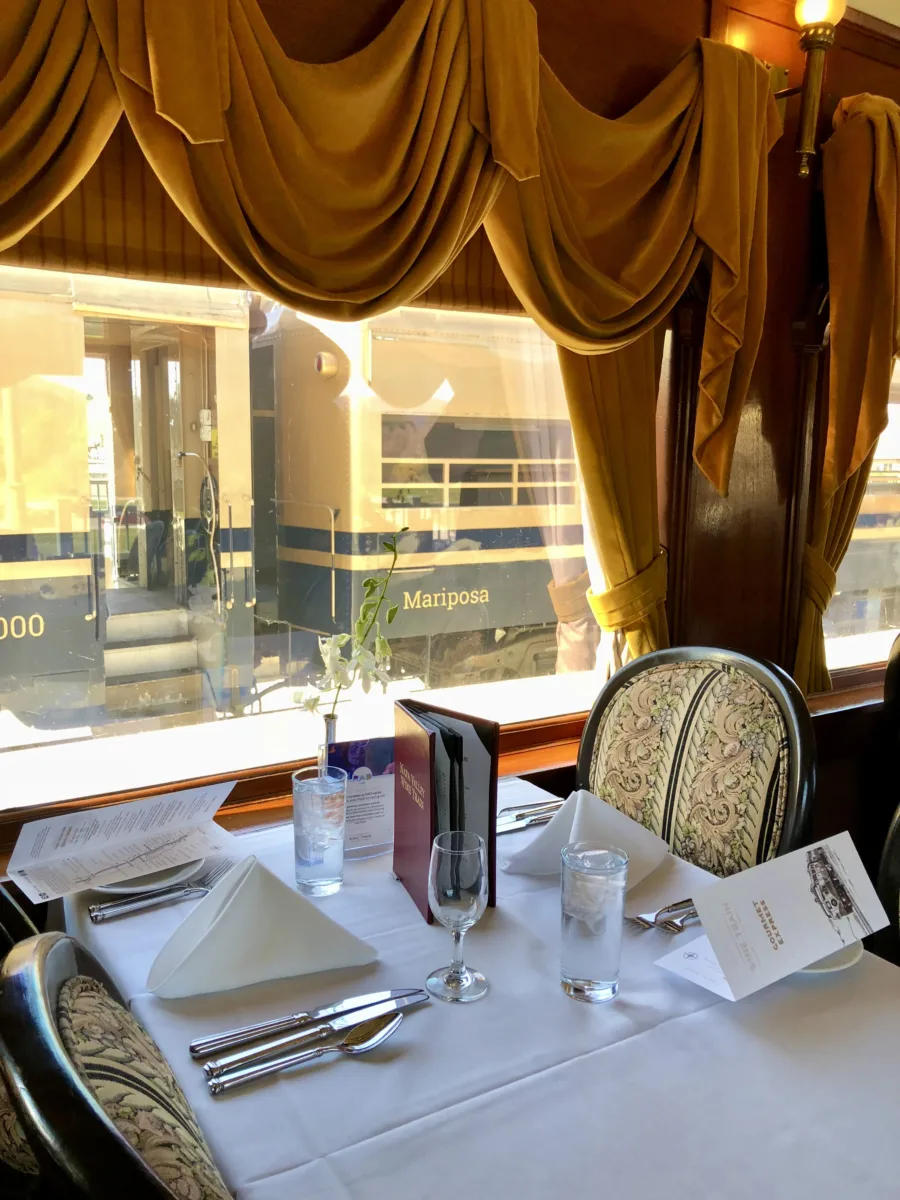
The first is the trains themselves. The carriages are genuinely old, Pullman cars built in the early 1900s and beautifully restored, with brass, polished wood and velvet that make you feel you have stepped into another century. One of the observation cars is a 1950s dome car, all glass and light. It is not a theme-park recreation. These are real vintage railway cars with real histories.
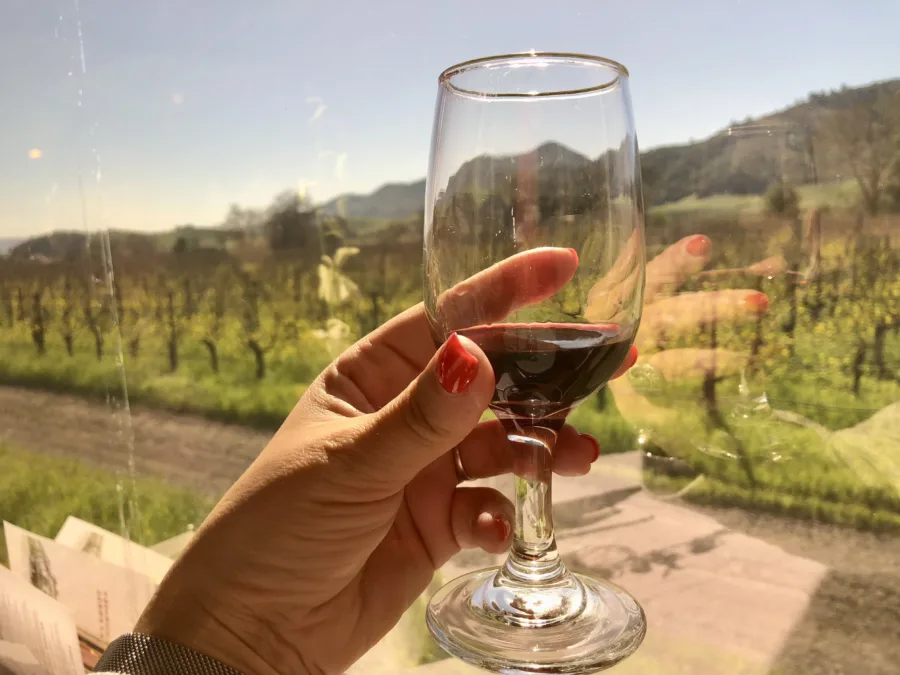
The second is the food and wine. The kitchens turn out proper multi-course menus cooked on board, paired as you go with Napa wines. On my journey that meant things like a Chateau Montelena Chardonnay and a glass of Domaine Chandon sparkling, poured while the valley slid past the window.
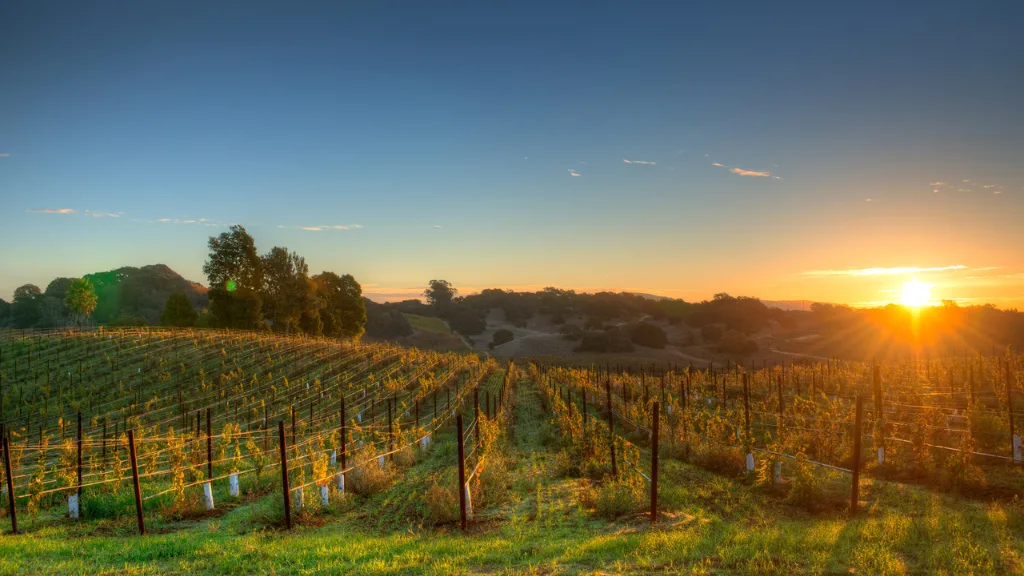
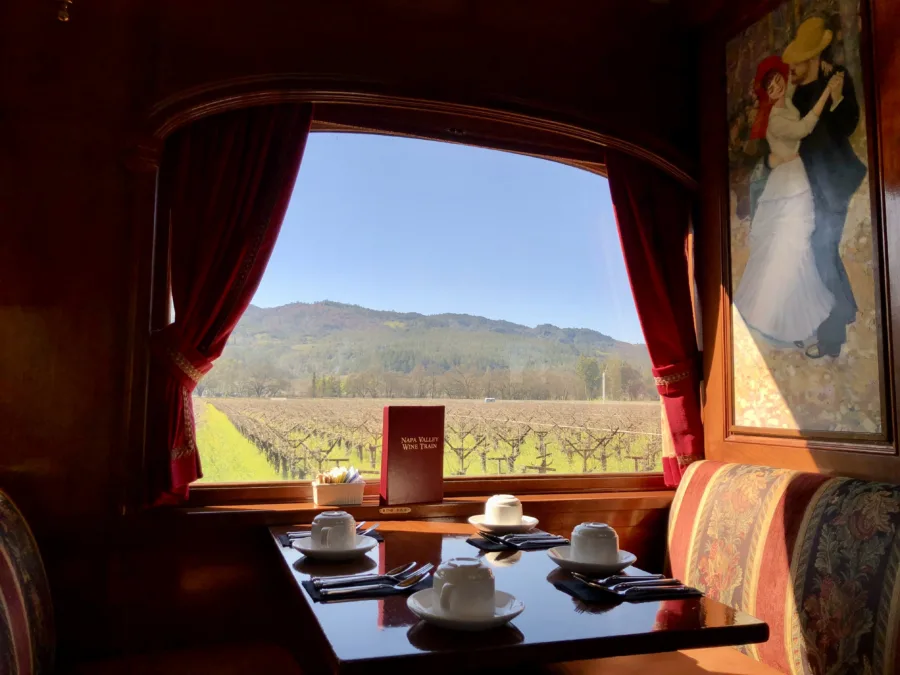
The third is simply the scenery. The line runs up the floor of the valley between the Mayacamas and the Vaca ranges, past rows of vines that in early autumn were just starting to turn. There is very little that beats watching wine country go by from a moving dining room.
How the day works
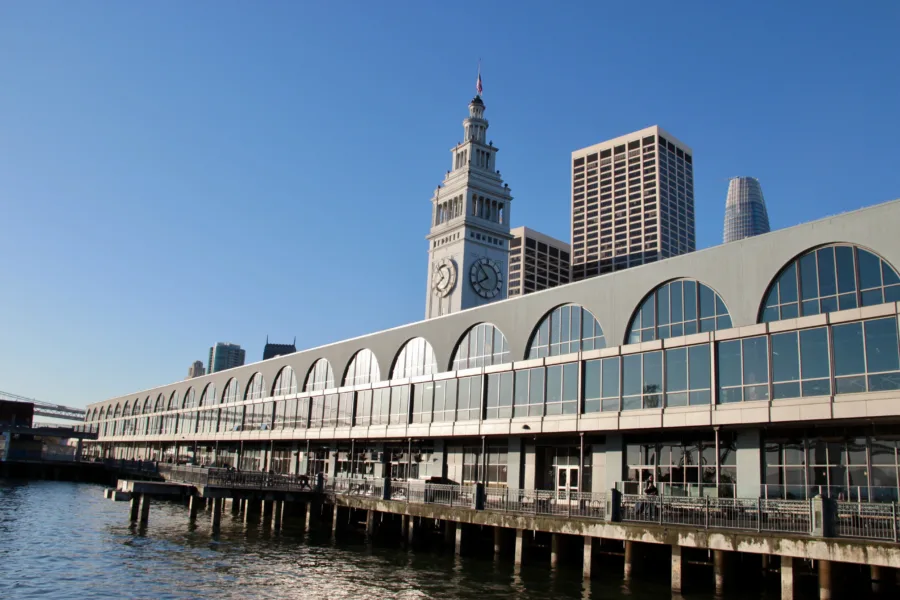
The train departs from the Wine Train depot in downtown Napa, at 1275 McKinstry Street. A word of warning if you are reading older write-ups, including an earlier version of this one: there used to be a bundled package that started at the San Francisco Ferry Building, took you across the bay to Vallejo and shuttled you up to Napa. That combined arrangement does not seem to be offered any more, so do not build your plans around it. Check what is currently on the Wine Train’s own website when you book.
If you are coming from San Francisco under your own steam, it is roughly an hour and a quarter by car. Without a car, the San Francisco Bay Ferry to Vallejo followed by a rideshare or local bus up to Napa is the usual workaround, but give yourself plenty of time and confirm the connections.
From Napa, the standard lunch service runs about three hours. The line parallels State Route 29 and carries you up-valley through Yountville, Oakville and Rutherford towards St. Helena and back, with a sommelier talking you through the appellations as you go. (If you have read that it reaches Calistoga, it does not. The route turns around before there.)
What I tasted on board
A few of the pours stayed with me.
Faust, from Coombsville, showed a dark-fruited Cabernet Sauvignon, and their younger label, The Lure, which is also a Cabernet, not a Merlot whatever some listings claim. Frog’s Leap, in Rutherford, poured a bright Sauvignon Blanc that went beautifully with local goat’s cheese and honey. Tres Sabores, a small family-run and delightfully dog-friendly estate near St. Helena, showed a characterful Zinfandel. And Realm Cellars offered a library pour of The Bard, their red blend, with the kind of velvety finish that makes you go quiet for a second.
Wineries to bookmark beyond the train
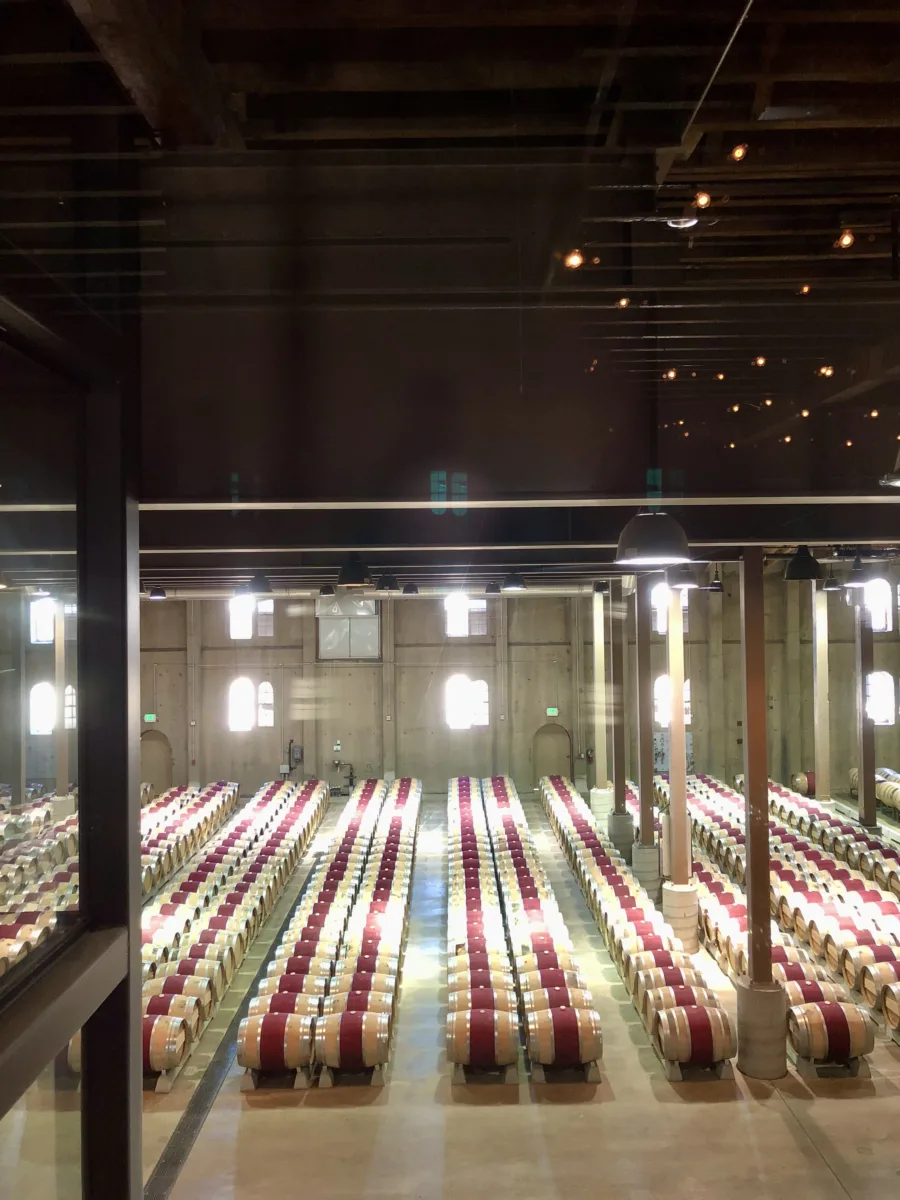
If the train whets your appetite, and it will, the valley is full of estates worth a proper visit. A few I would flag: Cliff Lede in Yountville, whose vineyard blocks are named after rock songs; Darioush near Napa, unmistakable for its Persian-inspired architecture; Alpha Omega, working in a Bordeaux style; Palmaz, for its extraordinary gravity-flow caves dug into the hillside; Beringer in St. Helena, one of the valley’s oldest and the first to open its doors to the public; and Raymond Vineyards, as much a piece of theatrical design as a winery.
A few practical tips
Book well ahead. The popular departures sell out weeks in advance, especially around harvest. The dress code is smart-casual, so leave the hiking clothes at the hotel. If you can choose, a later departure in autumn gives you the best light over the vines. The train is step-free and dietary requirements are handled if you flag them when booking. And leave room in the day for downtown Napa’s Oxbow Public Market, or dinner in Yountville, which has more good restaurants per square metre than almost anywhere in America.
Why Napa still holds its own
There are hundreds of wineries in this valley, and you could spend a lifetime working through them. What the Wine Train gives you is not thoroughness but a curated, unhurried snapshot: a way to taste across the region without driving, without spitting into a bucket and glancing nervously at the clock, without anyone having to be the designated driver. As the train eased back into Napa at the end of my day, I felt that particular mixture of nostalgia and contentment that comes at the close of a long trip done well.
Frequently asked questions
From the Wine Train depot in downtown Napa, at 1275 McKinstry Street. It does not depart from San Francisco. An older San Francisco ferry-and-shuttle package no longer appears to run, so plan to make your own way to Napa, roughly an hour and a quarter by car from the city.
The standard lunch and dinner services run around three hours round trip from Napa up to the St. Helena end of the valley and back. Longer experiences that include off-train winery stops can run five to six hours.
If you value the setting as much as the wine, yes. You are paying for restored vintage carriages, a multi-course meal cooked on board and wines poured with commentary, all without needing to drive. If your priority is deep tasting at specific estates, you would do better booking winery visits directly. Many people, myself included, enjoy doing both: the train for the experience, a couple of estates for the wine.
Yes, and well in advance. Popular departures sell out weeks ahead, particularly during the autumn harvest. Book directly through the Wine Train’s website.
Further reading
This was the last leg of a much longer trip. If you want the whole thing, my cross-country adventure on Amtrak covers the full New York to San Francisco route by rail. Earlier stops that got their own posts include Washington, DC, Colonial Williamsburg and my guide to New York.