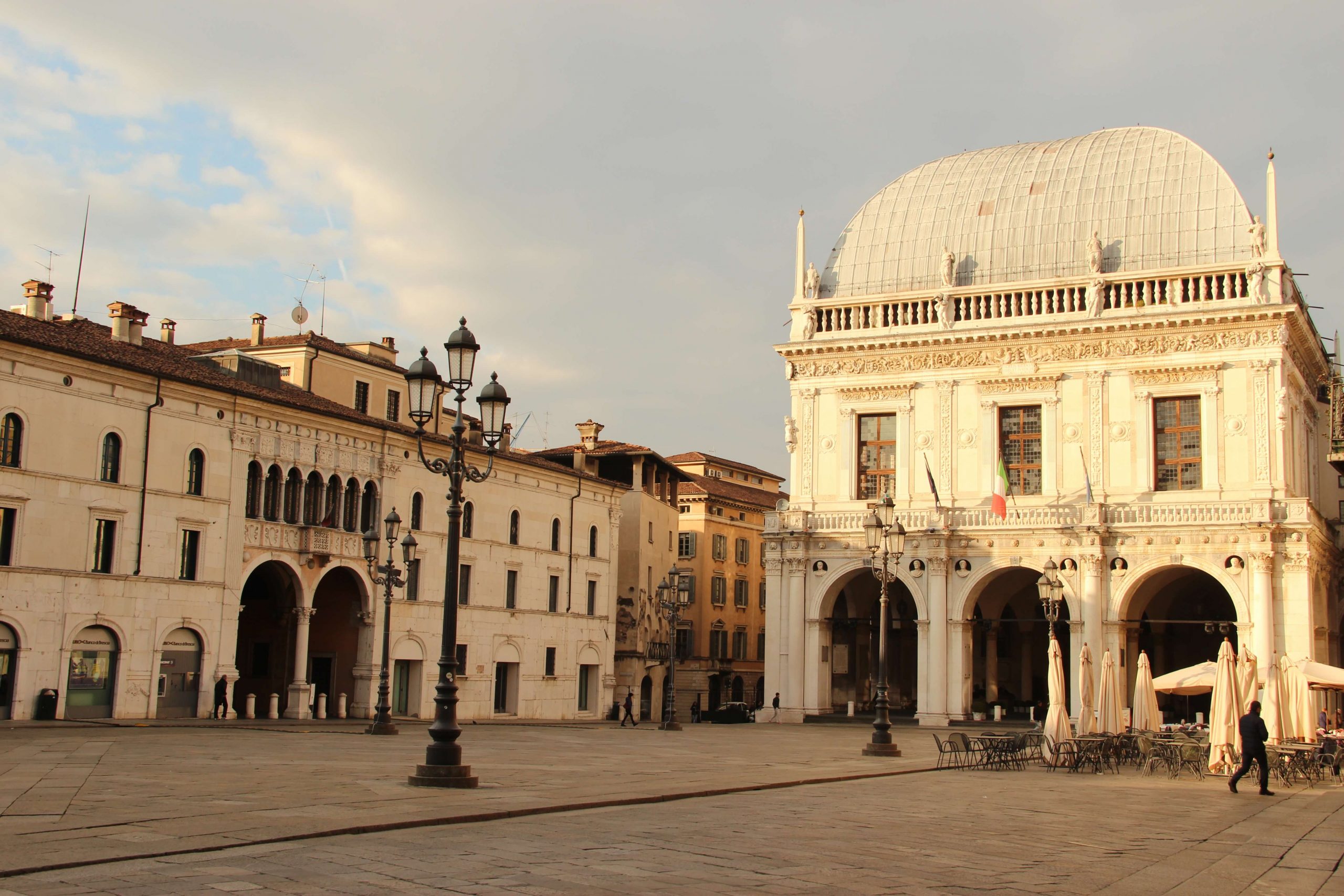



One of the finest moments of my short stay in Lipari was a simple one: two hours in the sun at the Chitarra Bar in Marina Corta, with a stunning view over that little corner of the world and a pistachio granita so good it felt like a small revelation. Pure perfection.
Chatting there with Maria Rosa, who runs the bar with her brother, I fell into the history and the traditions of this most Sicilian of desserts, and, naturally, got her to explain how to make a proper one at home. This is what I learned.on!

What granita actually is
Granita is a semi-frozen dessert, at once creamy, refreshing and faintly grainy, the grain being the whole point. In Sicily it is an institution, and, by tradition, part of breakfast. Once it was served with plain crusty bread; today that has been replaced by the soft, slightly sweet brioche col tuppo, the little bun with a topknot that recalls the chignon Sicilian women once wore. You dip the tuppo into the granita, and a summer morning begins.
That said, you can enjoy it at any hour: in the shade at midday, on the beach, or on a cool evening stroll through town. Sicilians will tell you it is a ritual more than a dessert, and after Lipari I understood exactly what they meant.
A little history
Granita is a meeting of East and West. It descends from sherbet (sharbat), the iced drink flavoured with fruit juice or rose water that arrived with the Arab domination of Sicily, between the 9th and 11th centuries.
The raw material was snow. Specially skilled collectors, the nivaroli, gathered snow from Etna, the Peloritani, the Nebrodi and the Iblei, packed it into insulated pits and rock-cut stores, the neviere, protected with straw, ferns and jute sacking, and carried it down to the coastal towns through the summer. The stored ice was then scraped and flavoured, a rough ancestor of granita, right up to the early twentieth century.
The real leap came in the 17th century, with two discoveries: that snow mixed with sea salt keeps its cooling power far longer, and the invention of the pozzetto, a wooden vat holding a zinc bucket, insulated with straw and turned by a handle. Kept constantly in motion, the mixture froze without forming the large, tasteless ice crystals that would ruin it, giving granita its unique texture. It was, in effect, the ancestor of the ice-cream machine, and you can still find old pozzetti in antique shops.
At the Chitarra Bar, Maria Rosa told me, the granita is still made only with mineral water, sugar and strictly seasonal fresh fruit: watermelon, peach, fig, the black mulberry of Etna, lemon, orange and tangerine, all organic and untreated. That is the whole secret, really. Good water, good sugar, perfect fruit, and patience.

How to make Sicilian lemon granita
This is the simplest and most classic version, the one to start with. It makes roughly four servings.
Ingredients
- 1 litre still mineral water
- 250 ml freshly squeezed lemon juice (about 5 to 6 lemons)
- 250 g sugar
- the zest of 1 unwaxed lemon, plus 1 more lemon for infusing
Method
- Cut a lemon into quarters and let it steep in the litre of water for a while, to perfume it gently.
- Grate the zest of another unwaxed lemon into the water, add the sugar, and warm over a low heat, stirring, just until the sugar dissolves. Do not boil.
- Let it cool completely, then strain it.
- Stir in the fresh lemon juice.
- Pour into a shallow container and put it in the freezer. Every 30 to 40 minutes, scrape and stir it with a fork to break up the crystals, for about 3 to 4 hours, until it is uniformly grainy and slushy. (If you have an ice-cream maker, churn it instead.)
- Just before serving, blitz it briefly with a hand blender or mixer on low speed to loosen it.
Serve it in a clear glass, if you like with a little whipped cream on top, and, if you want to do it properly, with a warm brioche alongside.
I first tried only the lemon, but I have since played with almond in spring and watermelon in high summer, and both are wonderful. The method stays the same; only the fruit changes.
And you? Which flavour would you choose?

Further reading
- Cookist on the history of Sicilian granita: https://www.cookist.it/dalle-neviere-arabe-alla-colazione-siciliana-la-lunga-vita-della-granita-nata-dallidillio-tra-oriente-e-occidente/
- More on the Aeolian Islands in my guide to Lipari
Frequently asked questions
Sicilian granita is a semi-frozen dessert made from water, sugar and fresh fruit or other flavourings such as almond, pistachio or coffee. It has a creamy yet grainy texture, distinct from sorbet or ice cream, and in Sicily it is traditionally eaten for breakfast with a soft brioche col tuppo, though it is enjoyed at any time of day.
Both descend from the Arab sherbet, but granita is deliberately grainier, made by freezing a sweetened liquid and scraping or stirring it so it forms fine ice crystals, while sorbet is churned smooth. Granita is also typically simpler, water, sugar and fruit, and in Sicily is a breakfast and all-day ritual rather than only a dessert.
It is the traditional Sicilian breakfast. Originally granita was served with plain bread; in the early twentieth century this was replaced by the brioche col tuppo, a soft bun with a topknot shaped like an old-fashioned chignon. Dipping the brioche into the granita is a beloved ritual, especially in summer.
Classic flavours include lemon, almond, pistachio, coffee, and, in season, fruits like watermelon, peach, fig, mulberry, orange and tangerine. The best granita is made with seasonal, untreated fruit, good water and sugar, and nothing else.
Yes. Pour the sweetened, flavoured liquid into a shallow container and freeze it, scraping and stirring with a fork every 30 to 40 minutes for around three to four hours, until evenly grainy. A quick blitz with a hand blender before serving loosens it to the right texture.