


My love affair with Lipari, one of the loveliest of the Aeolian Islands, began as a thorough dislike.
You know those first, disastrous dates? When fate seems to row against you, everything goes wrong, tensions rise, and yet there is such an attraction underneath that you fall in love in a matter of seconds, and every mishap only makes you smile? It was exactly like that.
I was meant to spend three days there in mid-October for a tourism-industry workshop, and I already felt the time too short and the journey too awkward. Then bad weather, the lack of any plan B at that time of year, and a good deal of on-site chaos cut the stay to almost nothing and made the workshop pointless. A surreal little nightmare. And despite all of that, Lipari won me over completely. On the hydrofoil carrying me away after a single day, I felt I was leaving somewhere I had known forever. Oh, I do love an overwhelming passion.

Things to do in Lipari
Do as much as you can, you won’t regret a moment. Lipari is a delight for every sense, the essence of an Italy we get to taste too rarely.
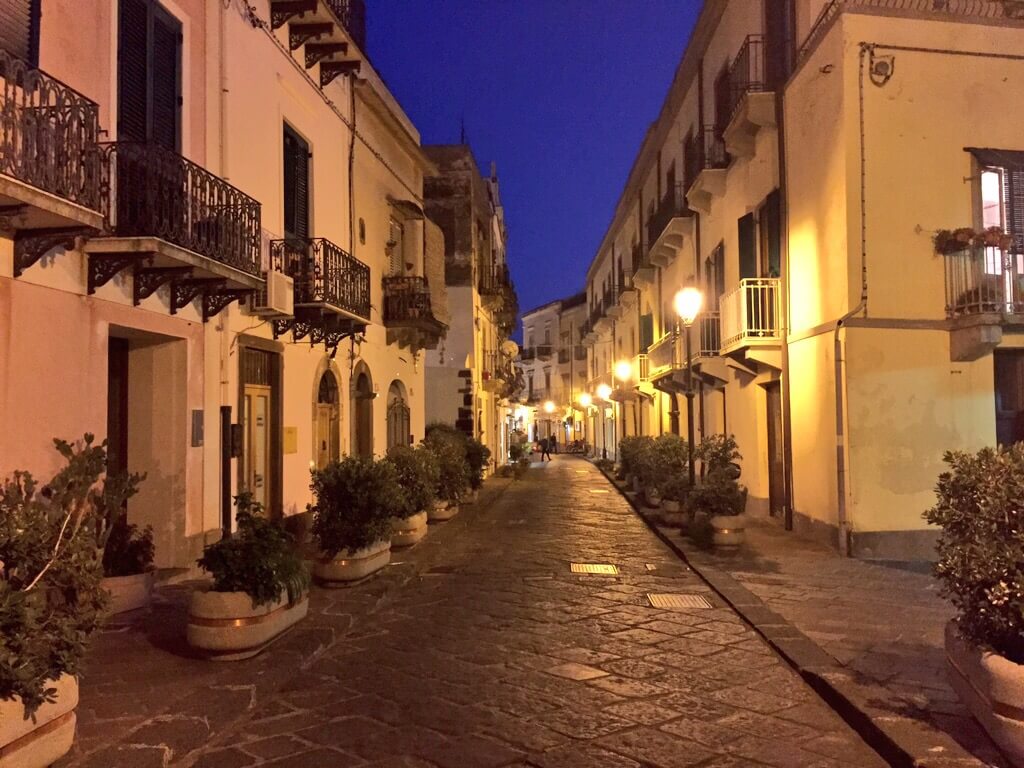
Everything here is “typical” and simply beautiful: white flat-roofed houses, cobbled alleys, tall Baroque churches, the scent of rosemary, capers and broom threading through every walk, the blaze of bougainvillea over everything, the delicacy of hibiscus and heather, white and black beaches following one another, the six other Aeolian islands ringing the horizon, and a crystalline sea that mirrors and magnifies it all. Little wonder Greek and Latin myth and classical literature gave so many verses and pages to this tiny speck of the world.
The old town
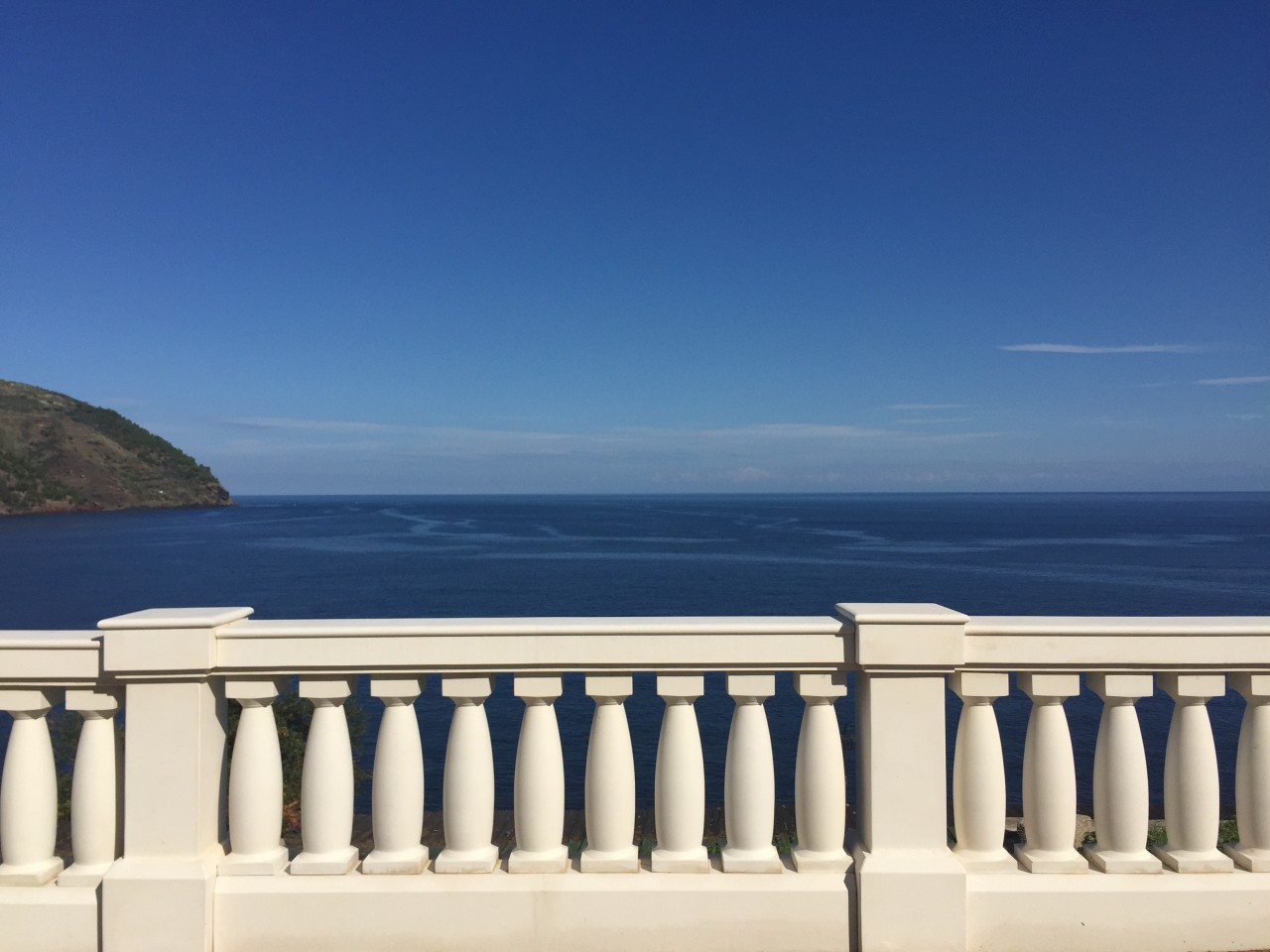
Lipari’s centre is a few hours’ walk. If you’re tight for time, leave your luggage near the hydrofoil jetty and walk uphill from Marina Lunga along Corso Vittorio Emanuele, the main shopping street. Halfway along, take the first pretty street on your left up to Piazza Mazzini, Sopra la Civita, with its lovely panoramic terrace.
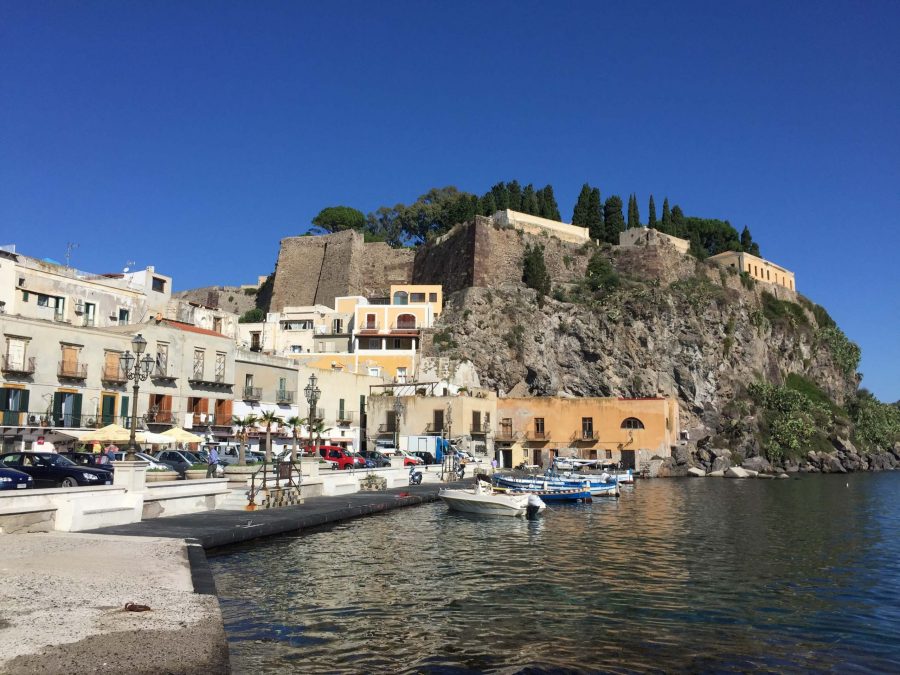
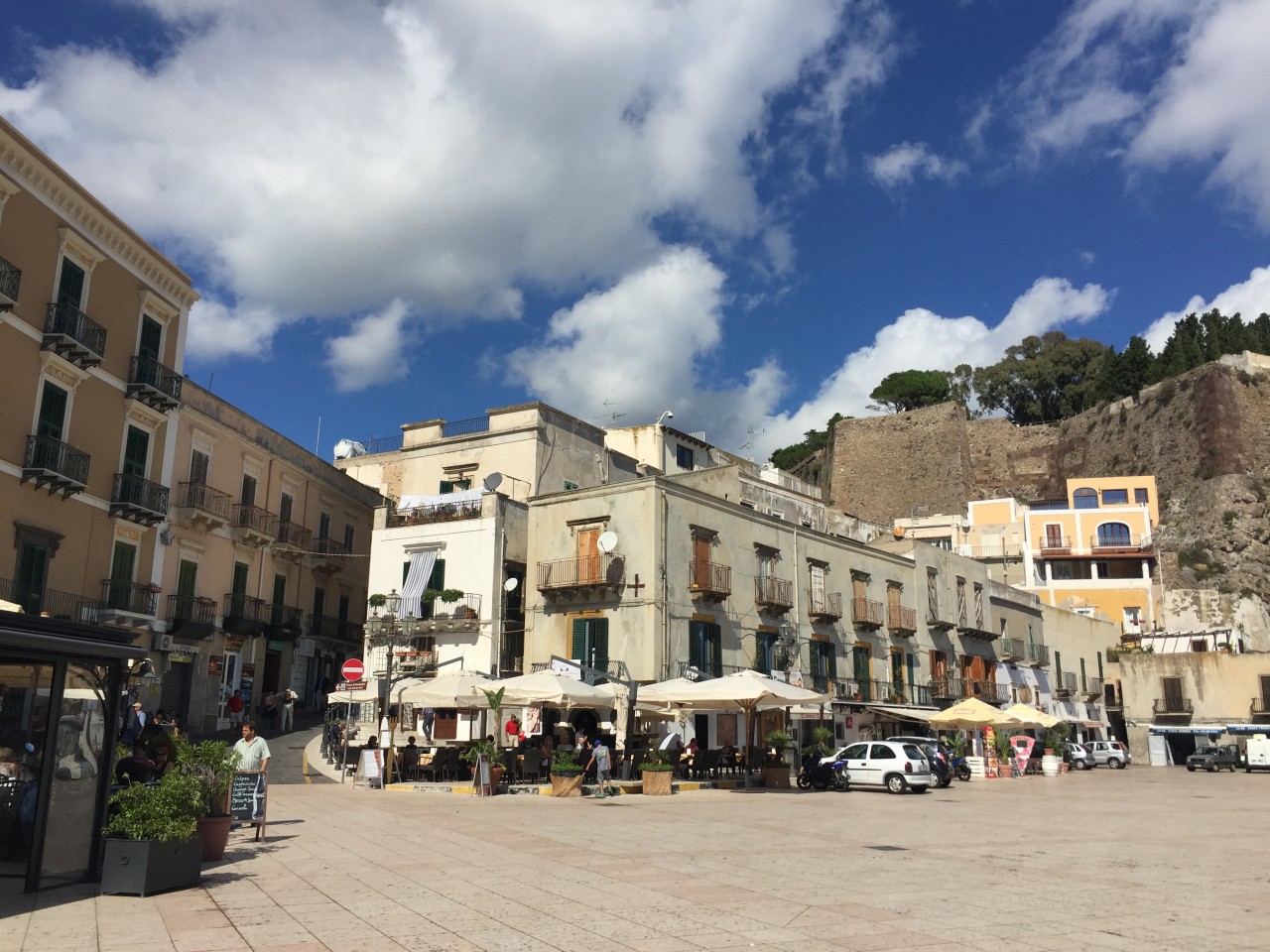
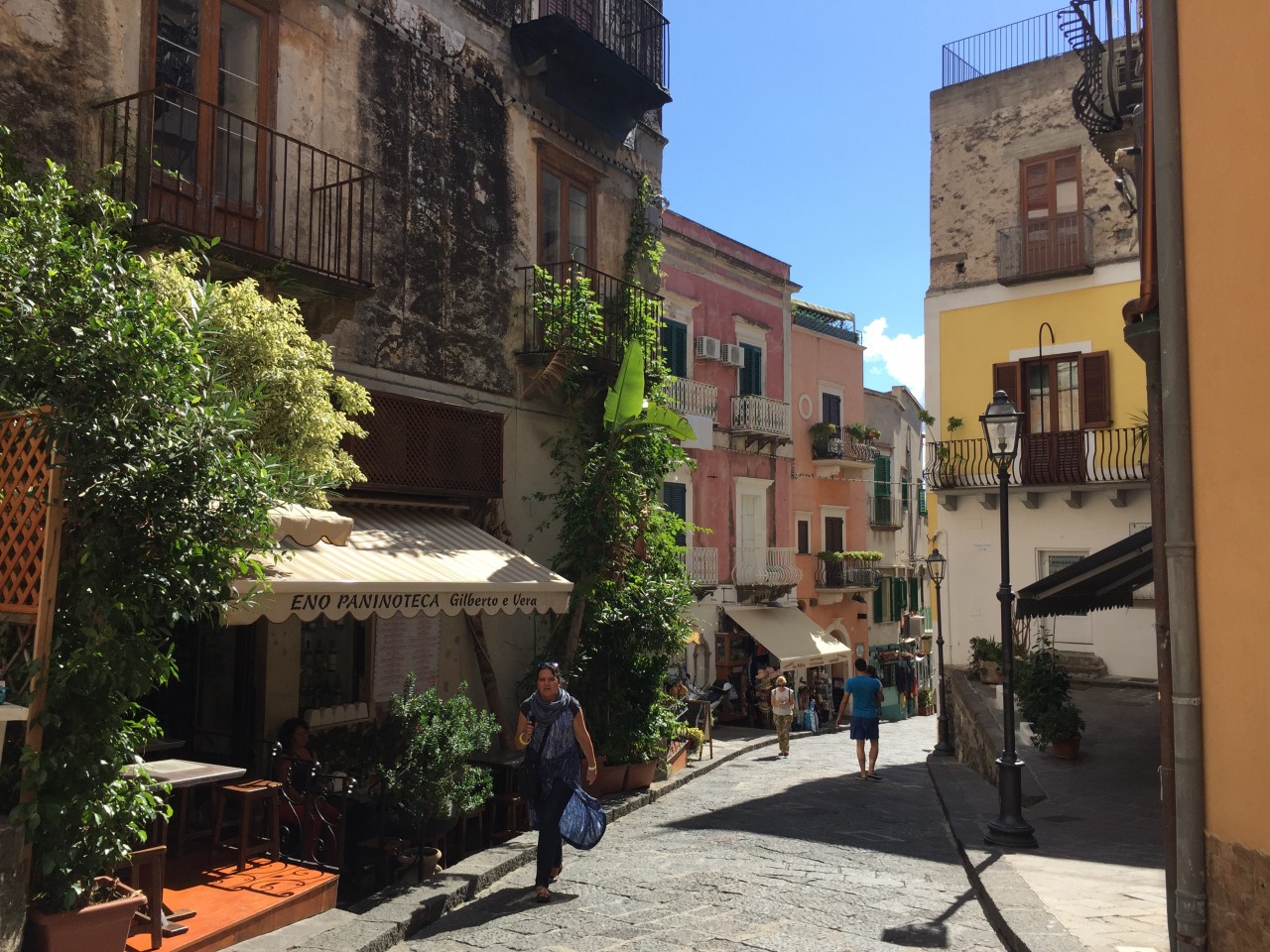
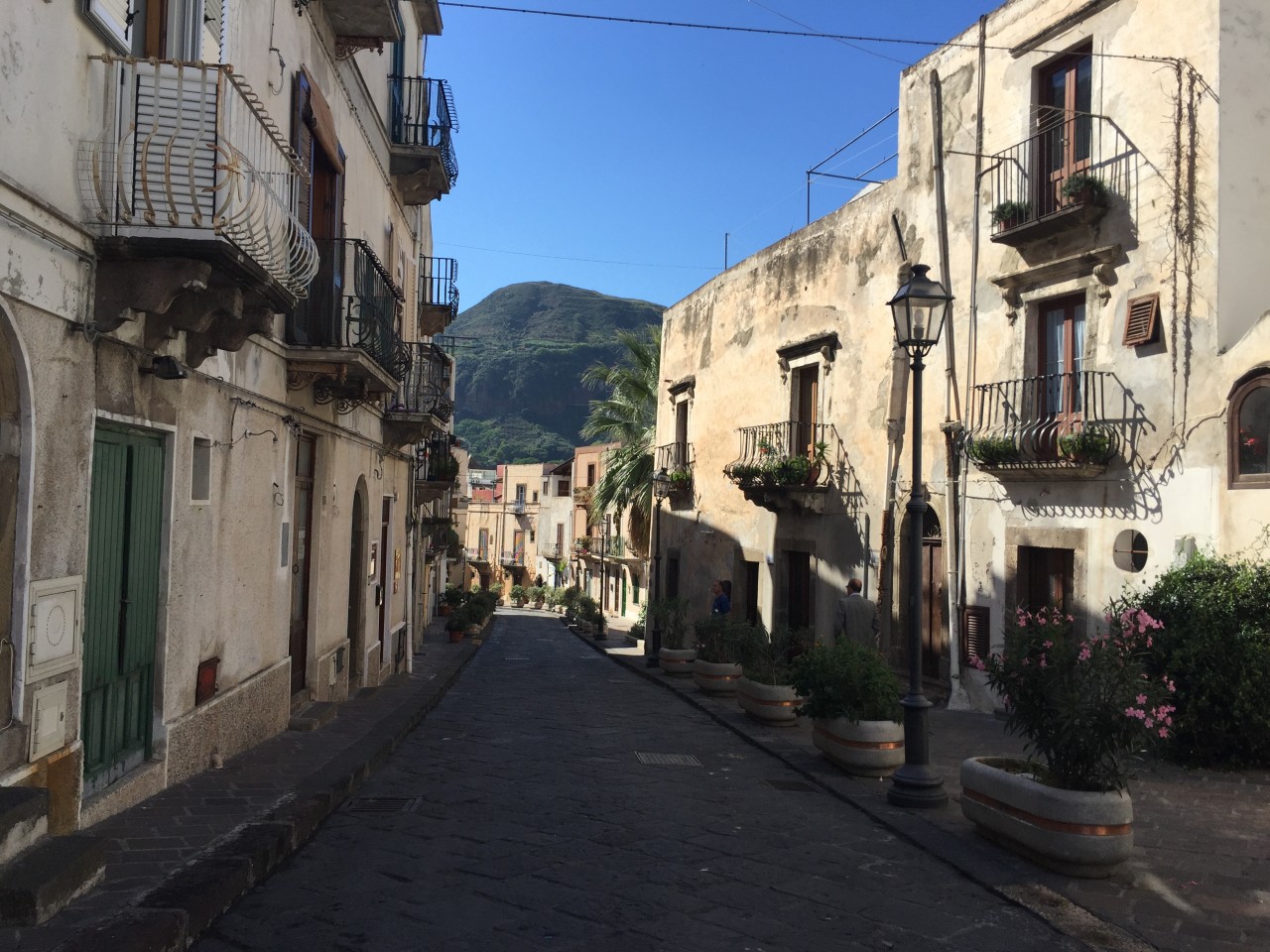
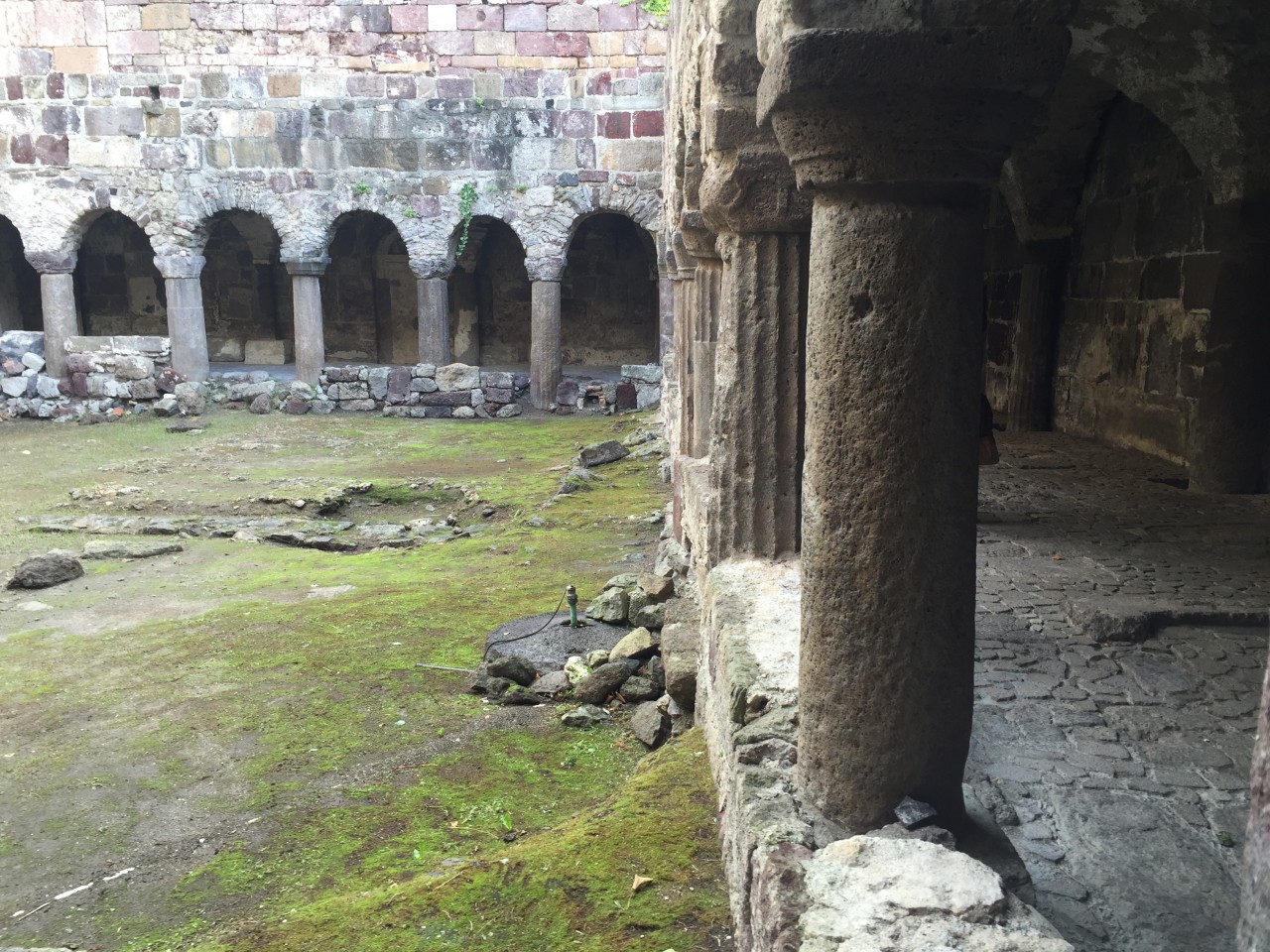
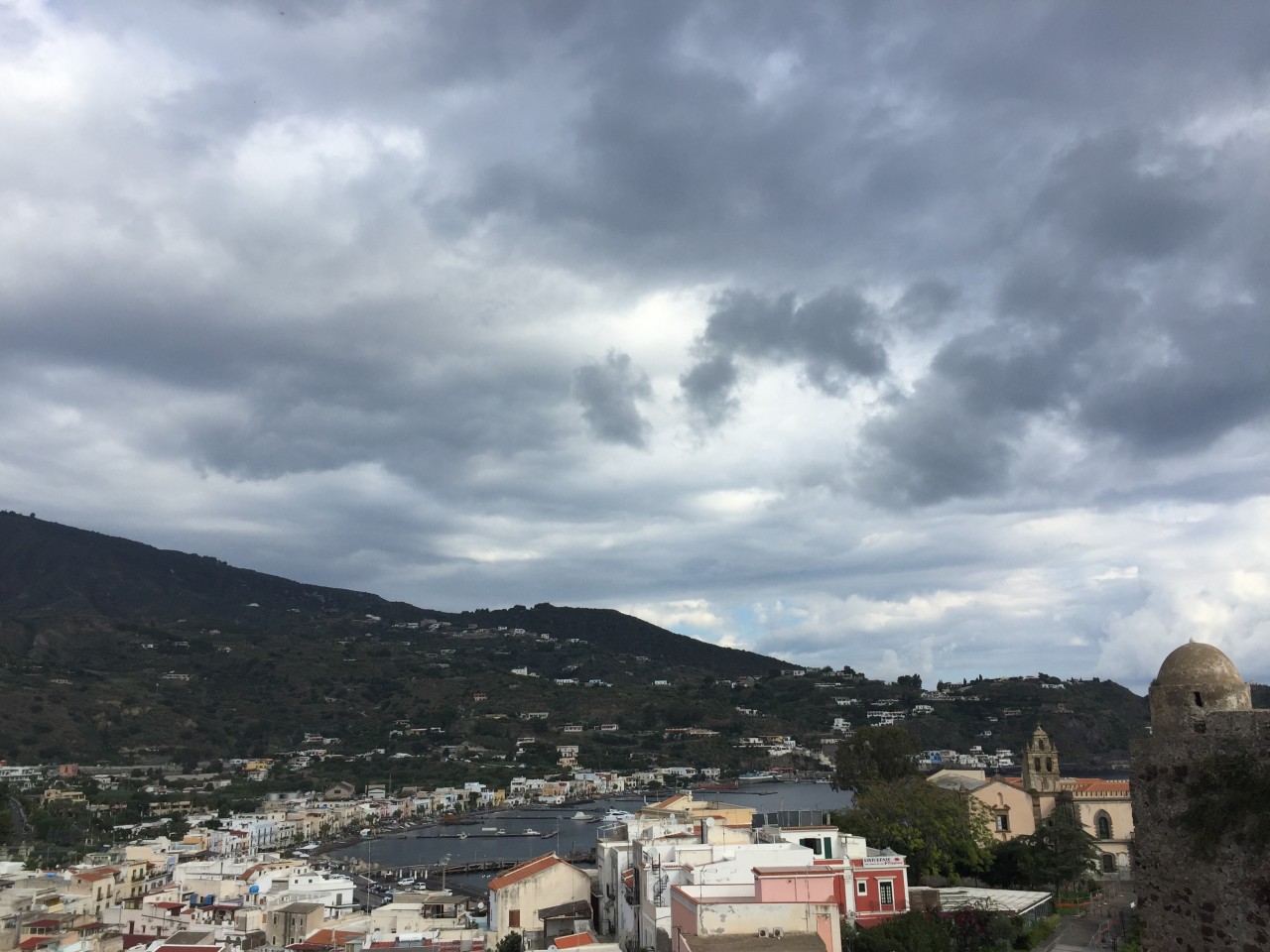
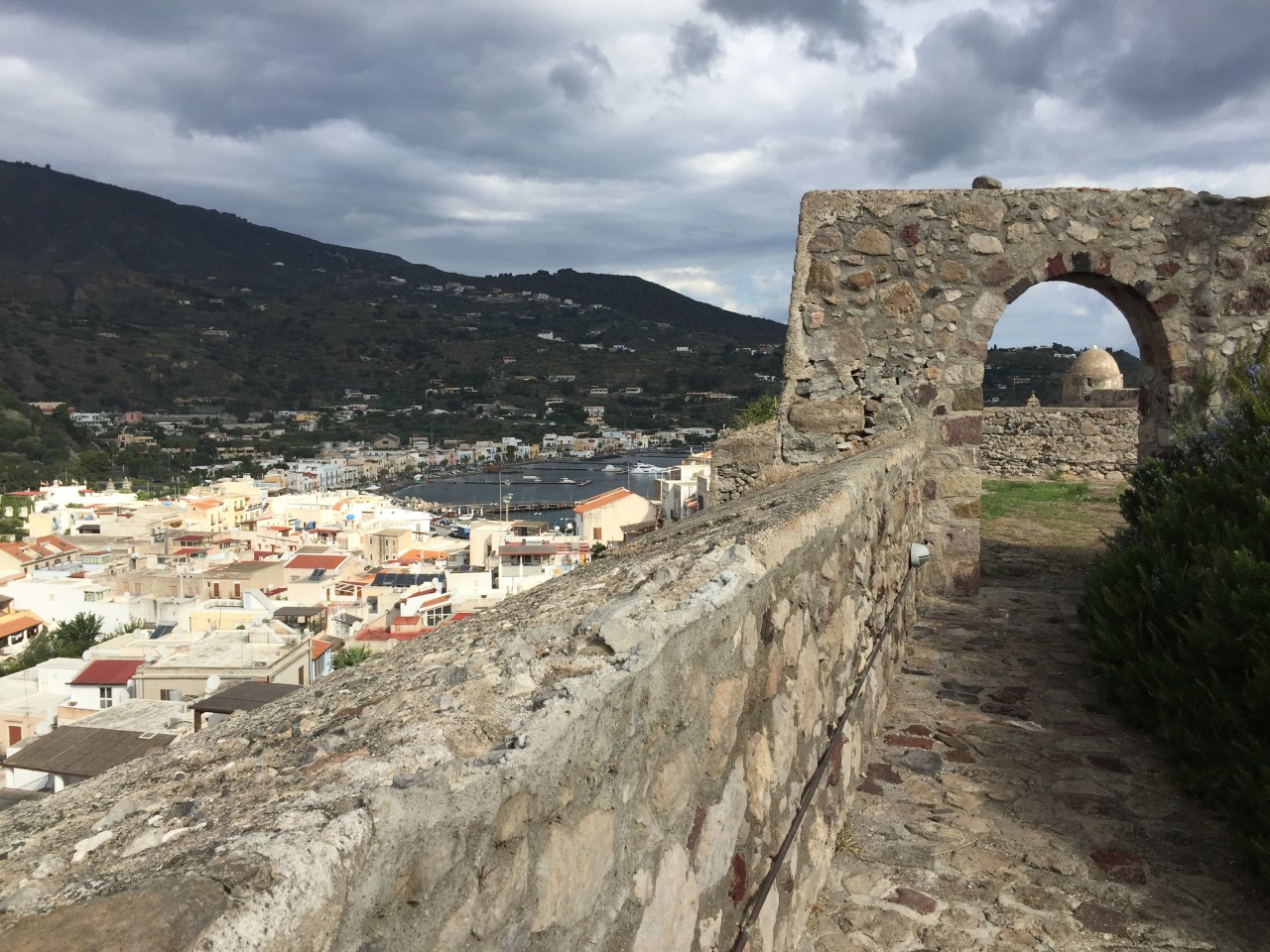
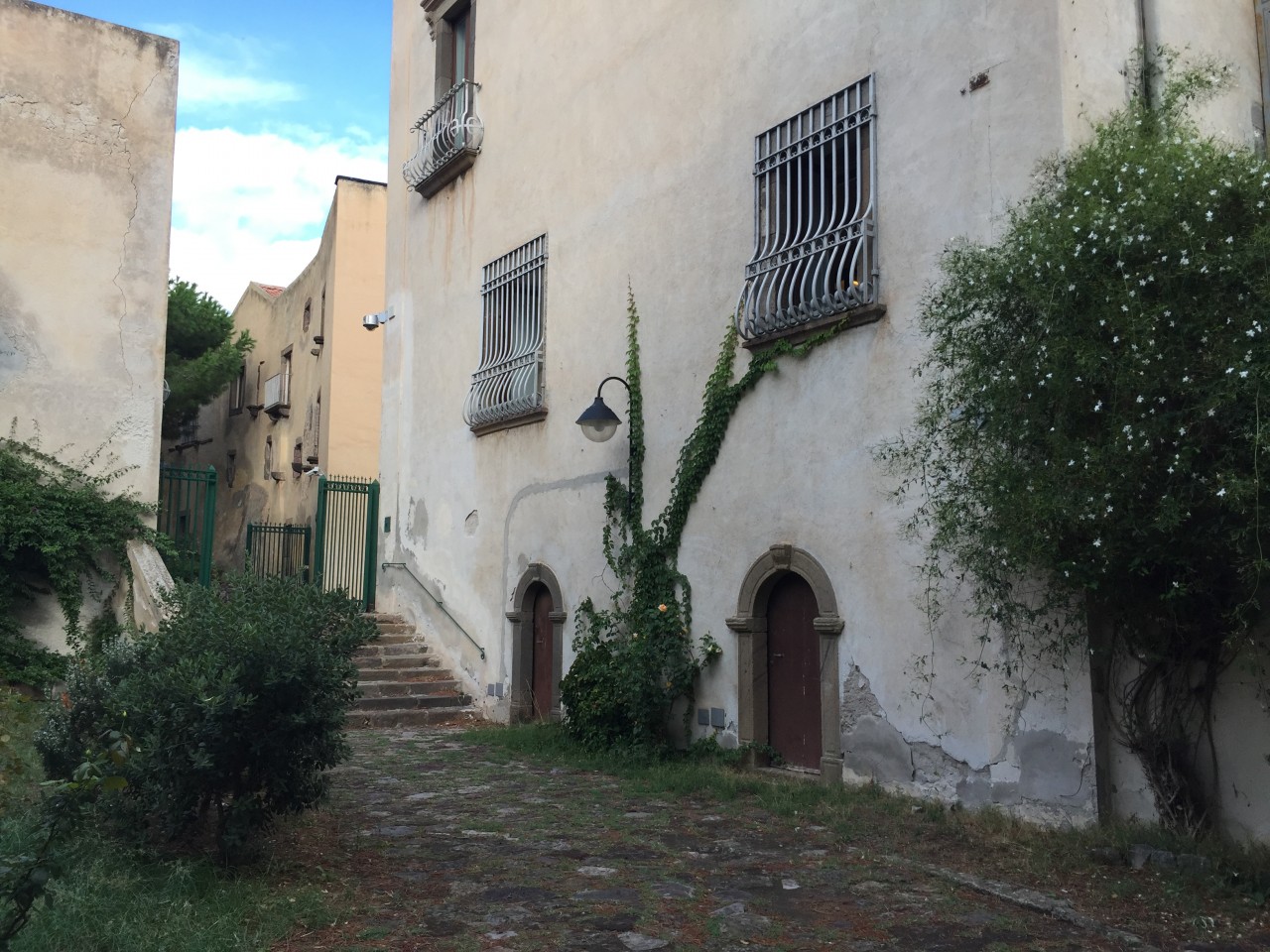
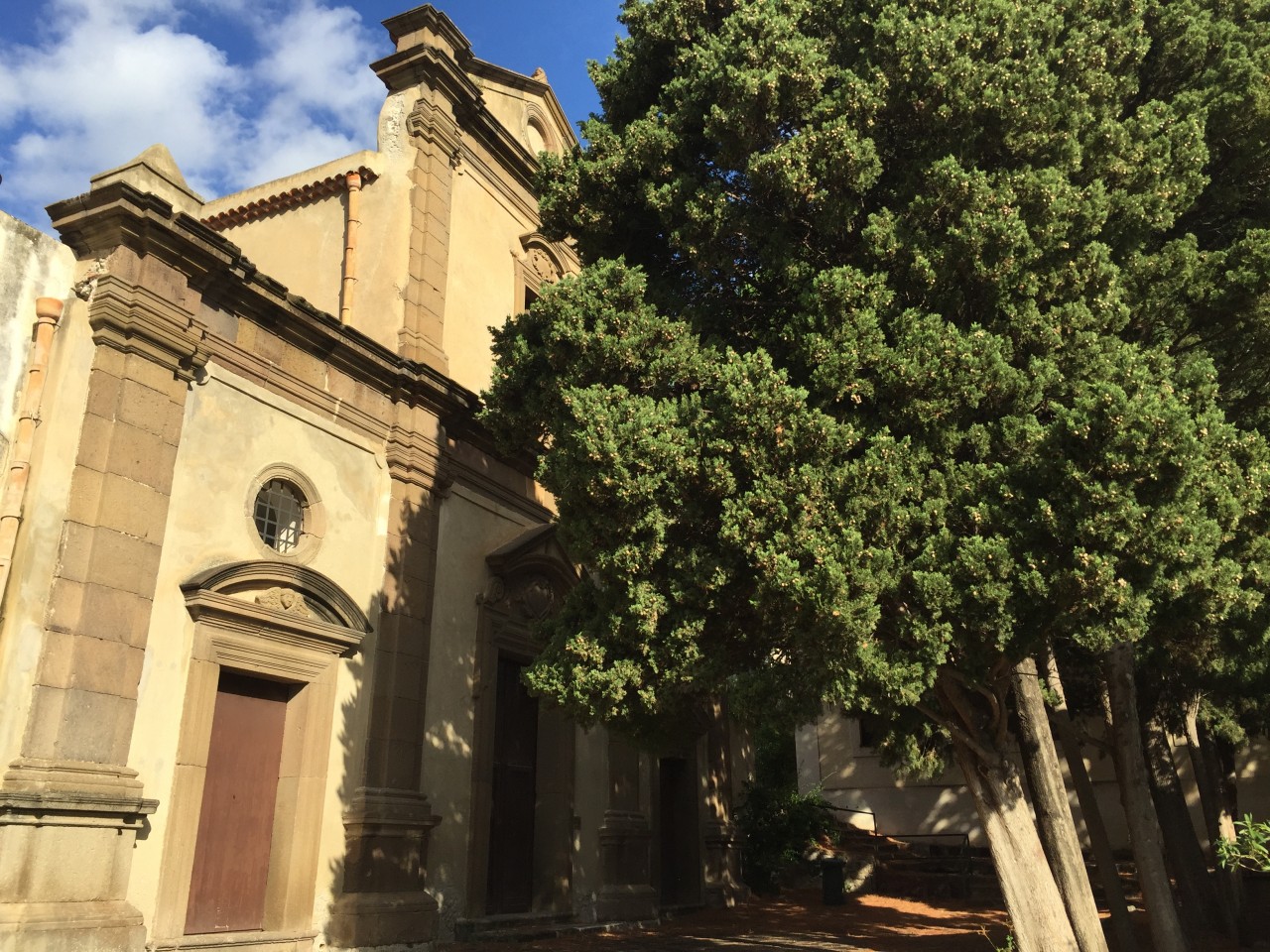
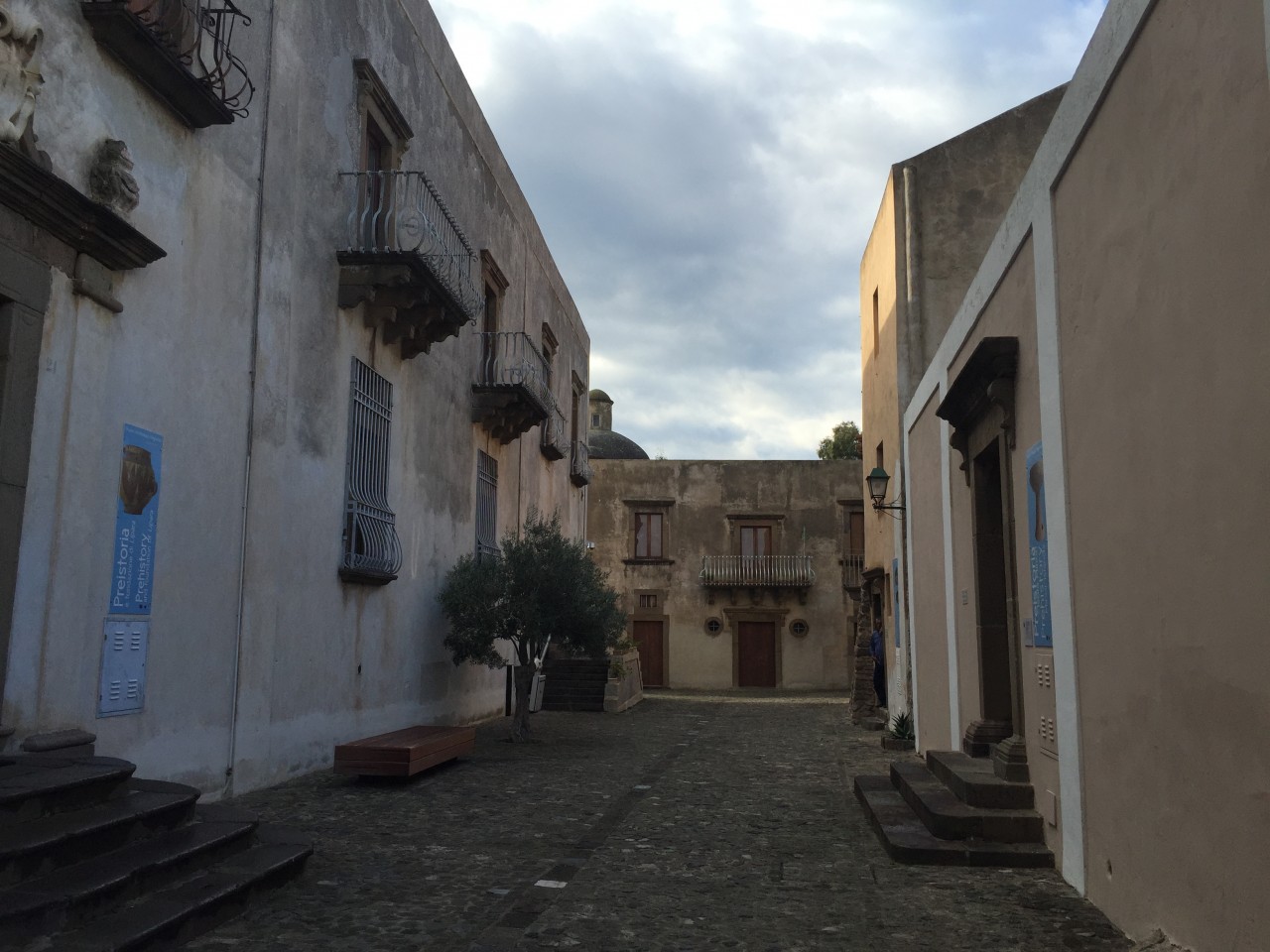
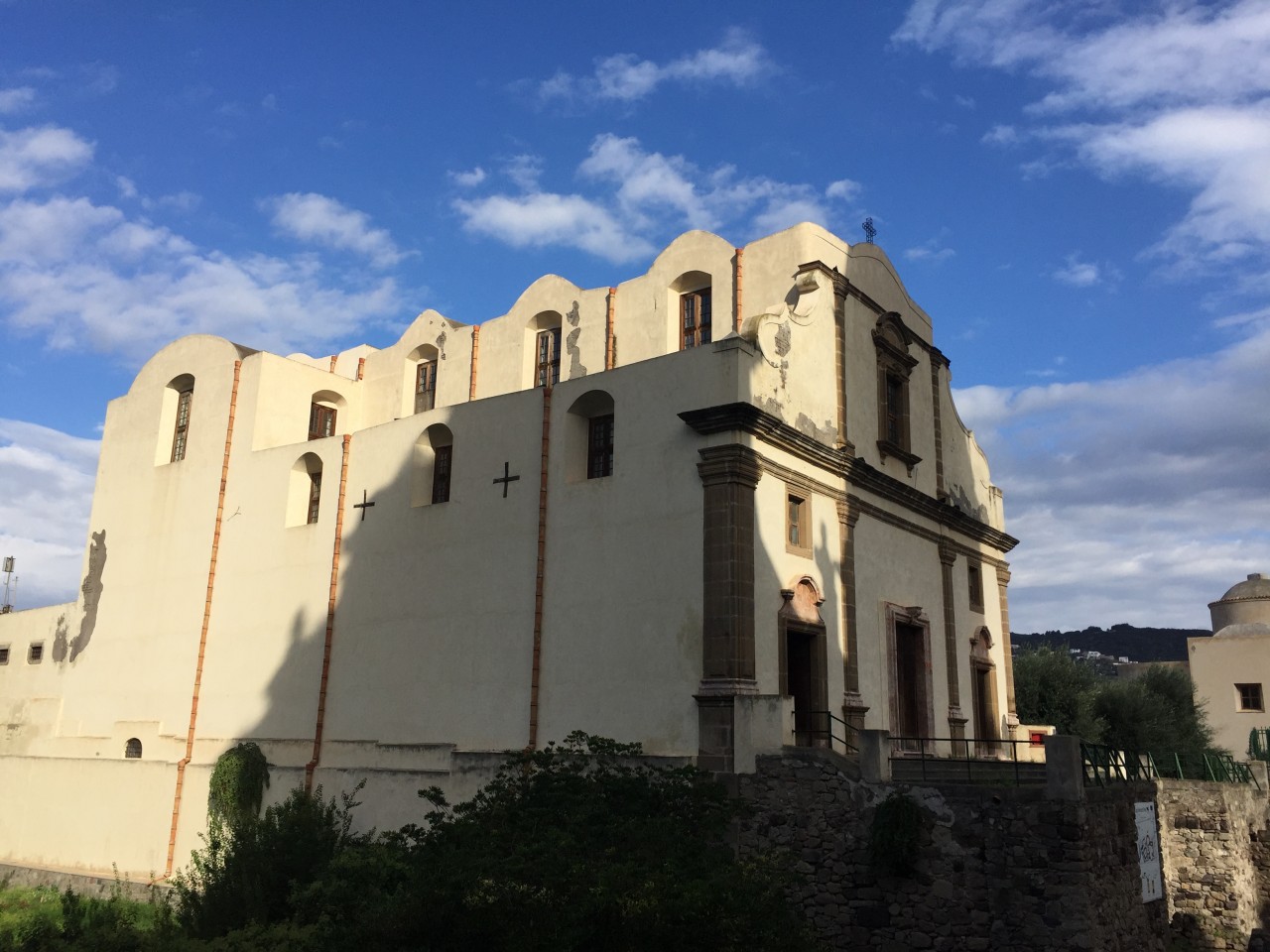
The square is crowned by the Castle, one of the Mediterranean’s most important and best-preserved fortified complexes. Within the ancient walls you’ll find the Cathedral of St Bartholomew, the remains of the Monastery of the Holy Saviour, and the fascinating Aeolian Archaeological Museum, one of the finest of its kind in the Mediterranean for its prehistoric and classical collections (check the current ticket price when you go, there are usually concessions for young people and free entry for children). Add the wonderfully panoramic necropolis and a scenic walk along the perimeter walls.
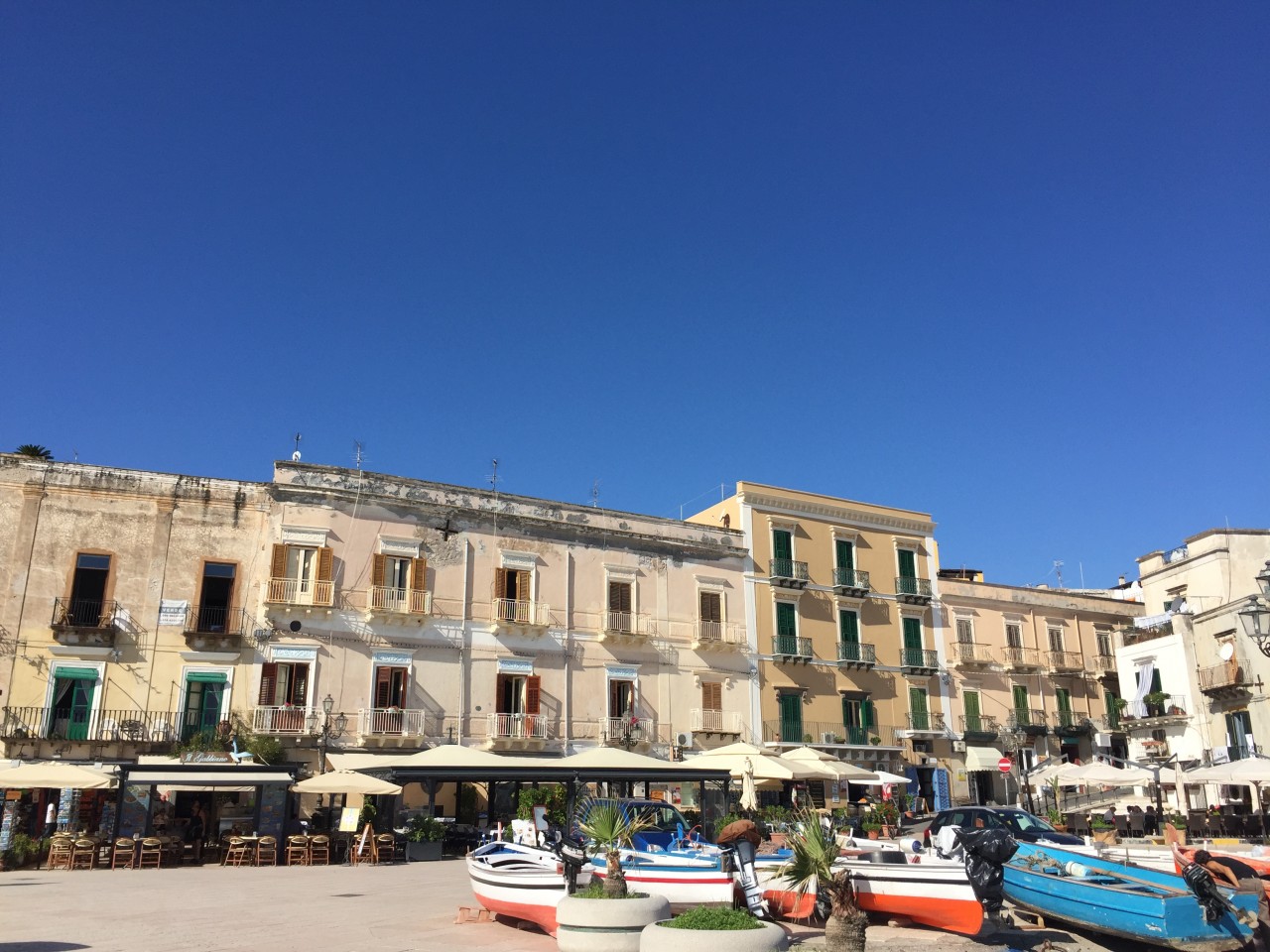
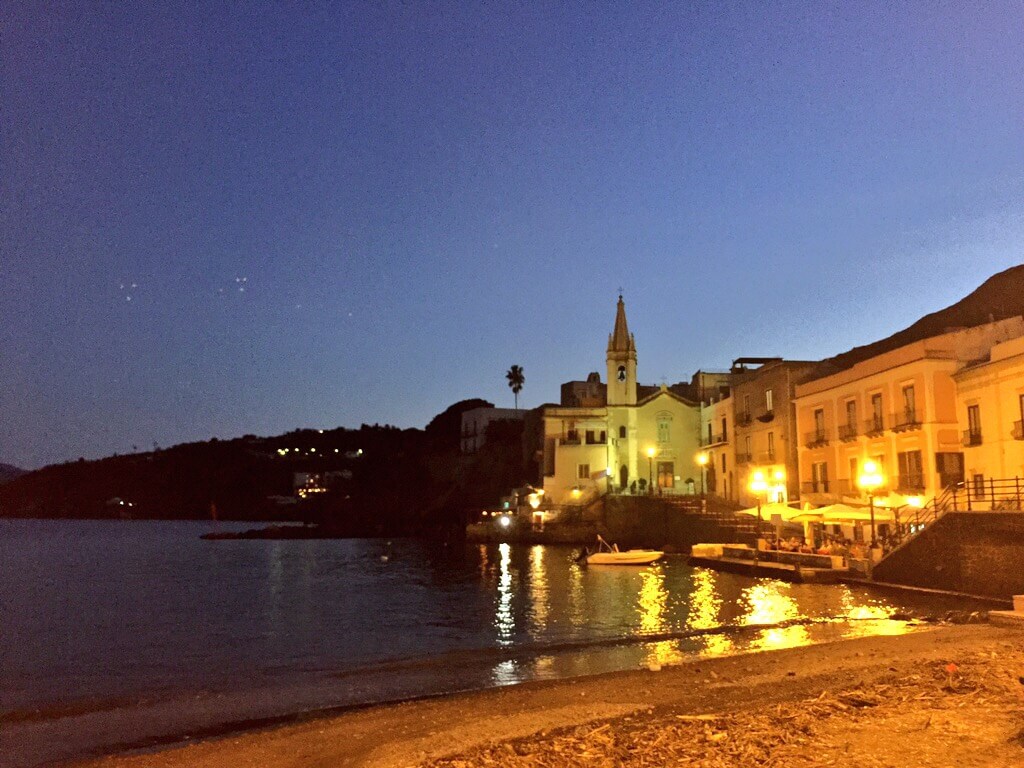
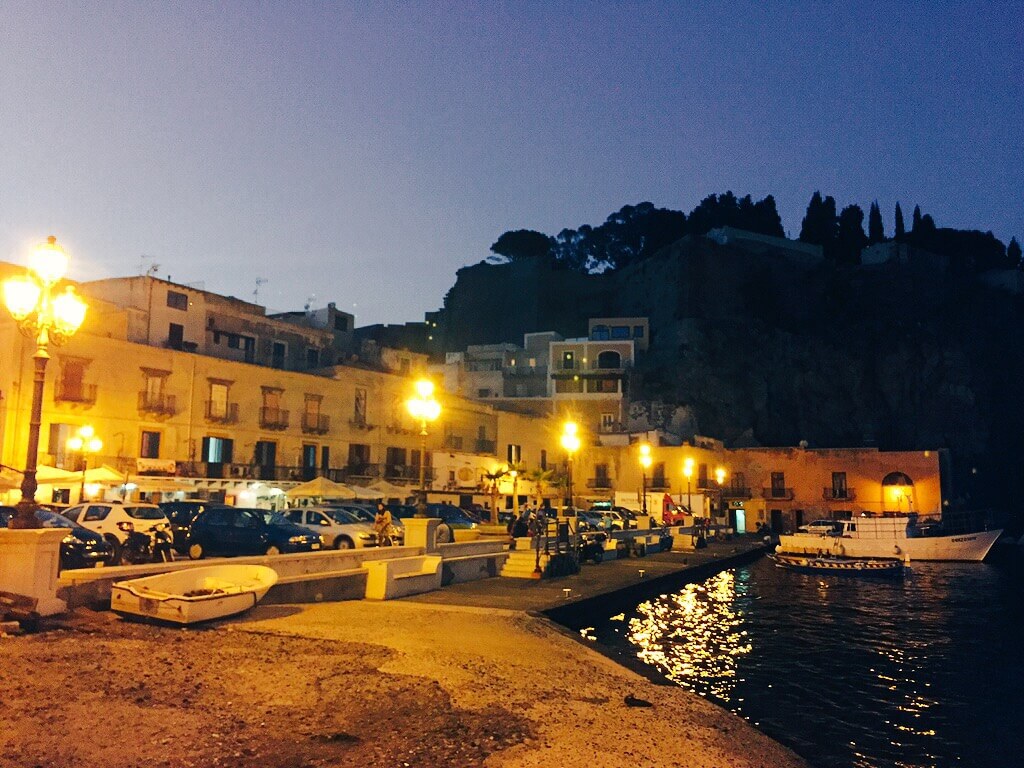
Leaving the Castle, walk down pretty Via Garibaldi, with its souvenir shops and flower-filled alleys, to Marina Corta on Piazza S. Onofrio, probably the quintessential Italian piazza a foreign visitor imagines: restaurants and bars, fishing boats, locals who all know one another, children everywhere, the Church of the Souls of Purgatory right on the pier and, to the right, the evocative seventeenth-century Church of St Joseph. I spent my last happy hours in Lipari here, at a bar by the sea, taking notes and letting my eye wander over a homemade pistachio granita. Perfect happiness.
Around the island
Lipari is small, but the sights beyond the old town are more numerous than you’d expect and quite spread out, so it’s worth renting a quiet electric bike, a scooter, or even a wonderful old Citroën Méhari. I didn’t have as long as I’d have liked, so I hired a scooter and set off for the best viewpoints and beaches.
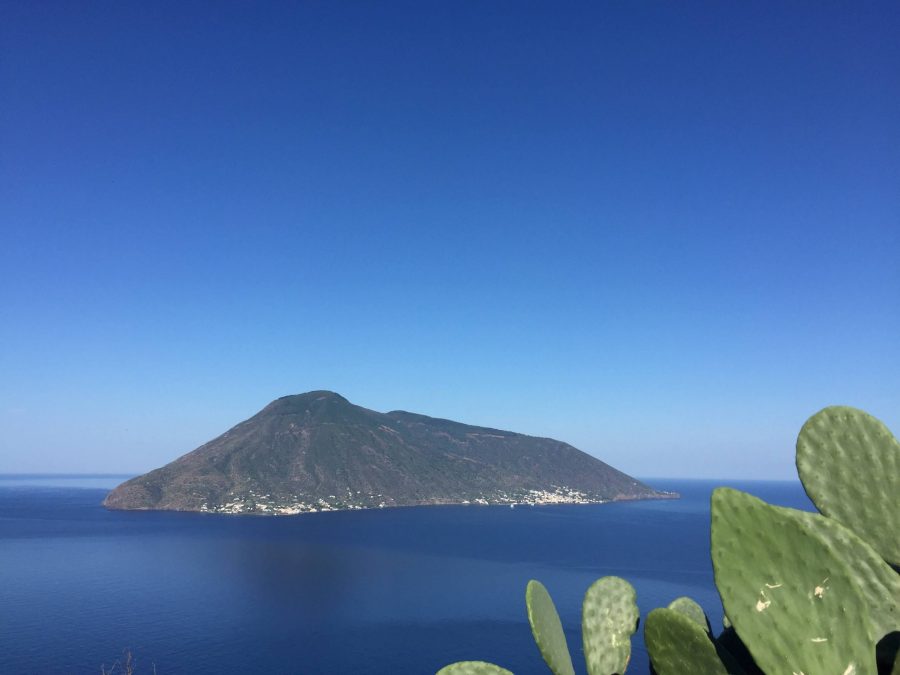
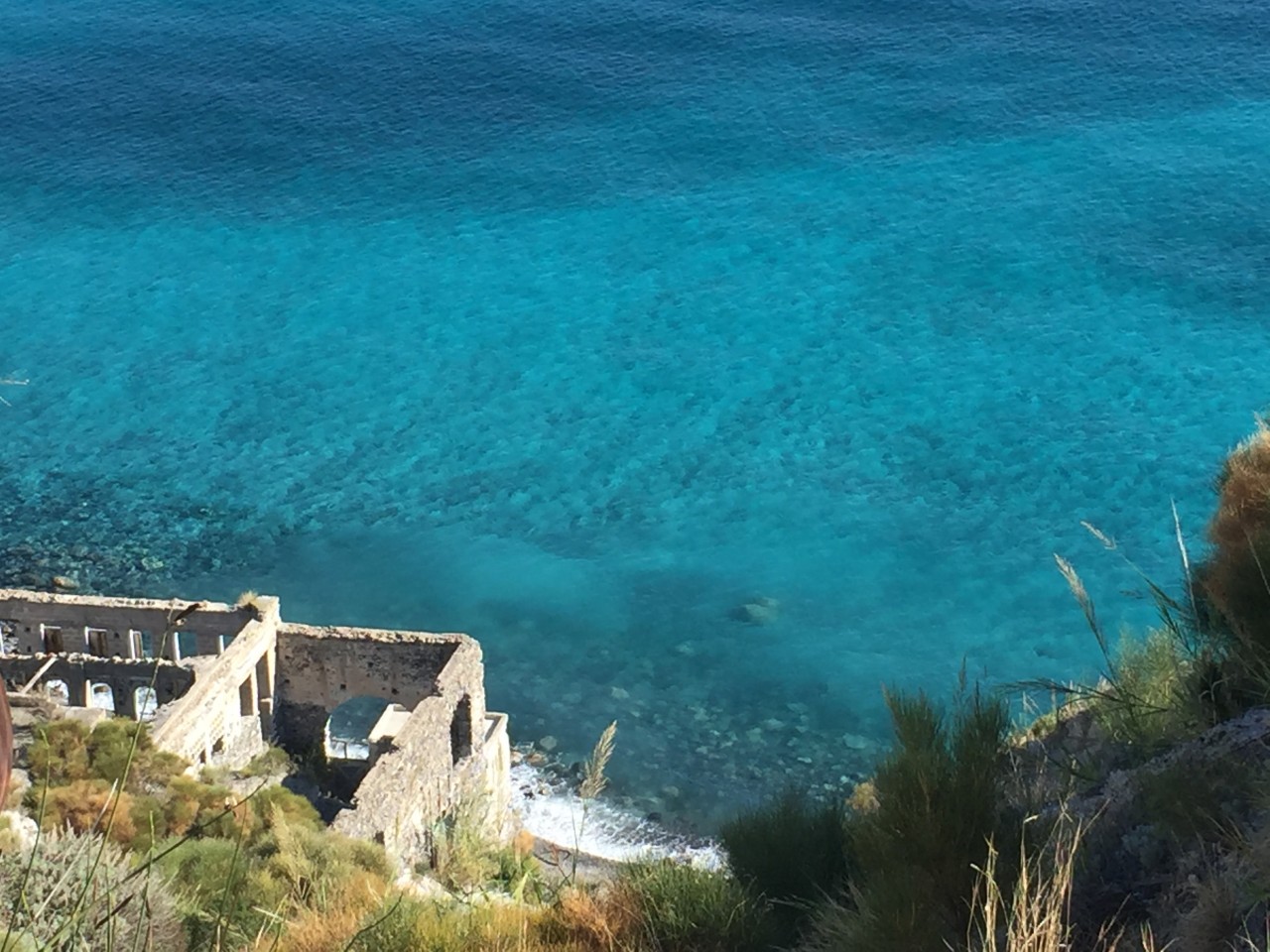
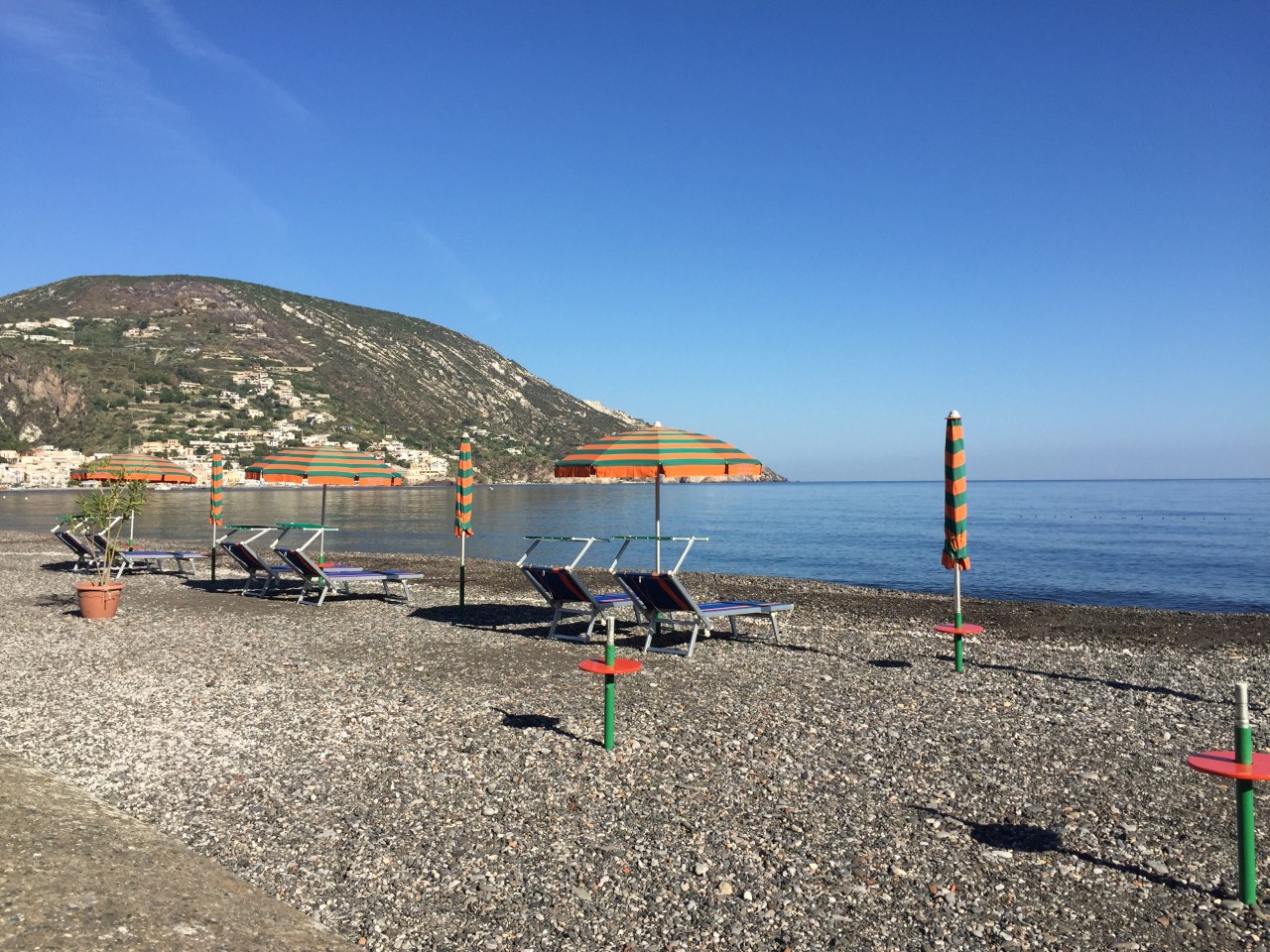
The first stop was Canneto, a charming seaside village a few kilometres from the main town on the far side of Monte Rosa, whose sandy cove once housed the families of the pumice-quarry miners. Then the Spiagge Bianche, the White Beaches: a bright bay owing its pale sand and water to pumice sediments, so tempting I longed to postpone the hydrofoil and dive in.
Acquacalda deserves a stop too. This stretch was built up around the extraction of pumice and obsidian, and you can still see the old industrial workings, which closed in 2000, the year the Aeolian Islands were inscribed on the UNESCO World Heritage list for their geological and volcanic uniqueness. Nothing is as stunning as nature here: featherlight white pumice (so light it floats) beside glossy black obsidian, as at Punta Castagna.
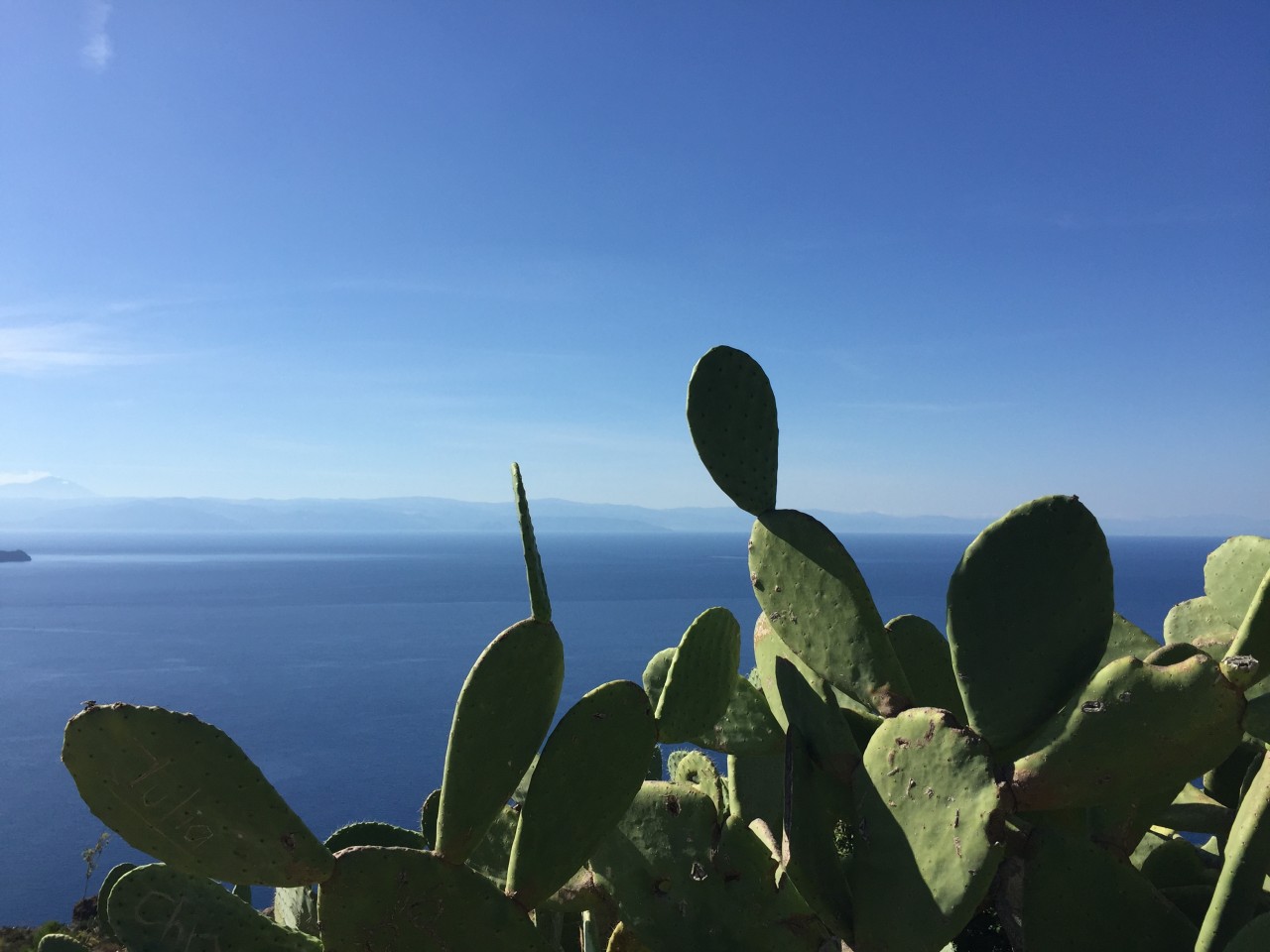
On to Quattropani, with its spectacular view of Salina, and the old road up to the Chiesa Vecchia, which I’m told commands an even better one. Near Pianoconte the landscape softens into gardens and vineyards, home to the old Terme di San Calogero, thermal baths active until the 1970s. And before you return to town, don’t miss the Quattrocchi belvedere, with its perfect panorama of the island of Vulcano and the sea stacks of Pietralunga and Pietra Menalda.

Where to sleep
Volatile though these things are over the years, I can still warmly recommend where I stayed: a small hotel in Acquacalda with a panoramic terrace overlooking Salina, Panarea, and Stromboli, and the sea a stone’s throw away. As always, check current options and reviews before booking, but a terrace like that is hard to beat.
Where to eat
Here is the paragraph that matters most to islanders and visitors alike: the food.
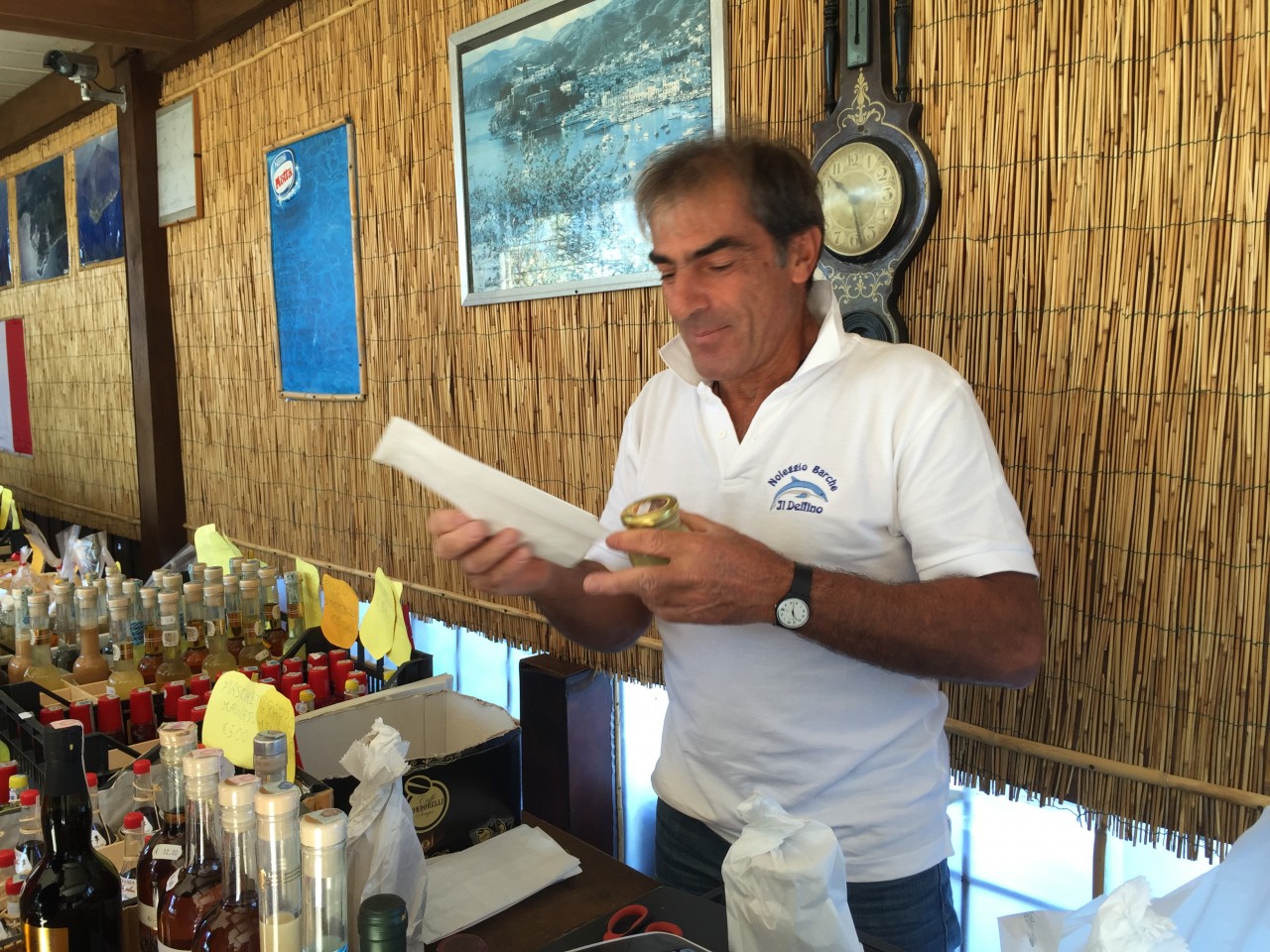
In keeping with local tradition, I had a superb lunch of impeccably fresh fish at a well-known restaurant on the town-hall square, and dinner at a family-run trattoria tucked into a side alley off Corso Vittorio Emanuele, where husband and wife take real pride in matching and cooking the local ingredients with flair. I also loved a small, admittedly touristy spot on Via Garibaldi, where I found a delicious caper jam to go with cheeses and salted bread. Since a decade has passed, treat these as pointers rather than guarantees, and ask locally for today’s best tables, but the island’s culinary tradition itself is unchanging.
And I must mention the holy Sicilian granita, though it truly deserves its own post.
The other Aeolian jewels, Alicudi, Filicudi, Salina, Vulcano, Panarea and Stromboli, I’m still dreaming of visiting properly, ideally on a sailing trip.
Homer knew this archipelago as the home of Aeolus, keeper of the winds, in Book X of the Odyssey. Standing on Lipari, with the other islands floating on the horizon, it is not hard to see why the ancients placed a god of the winds precisely here.
Further reading
- The real Sicilian granita: history and recipe
- My take on independent and sailing travel
- This article is also available as a mobile app, via GPSmyCity, for GPS-guided directions

So we came to the floating island of Aeolia, where Aeolus lived, son of Hippotas, dear to the deathless gods. A wall of unbroken bronze surrounds it, and the cliffs are sheer. In those halls his twelve children live as well, six daughters and six fine sons, and he has given his daughters to his sons in marriage. They are always feasting with their brave father and good mother, with endless good food set before them. All day long the house is full of savoury smells, and the courtyard echoes to the banquet’s sound, while at night they sleep by the wives they love, on well-covered well-strung beds.
We came, then, to their city with its fine palace, and Aeolus entertained me there for a month, questioning me on everything: Troy, the Argive fleet, and the Achaeanreturn. And I told him the whole tale in order. When I asked, in turn, to depart with his help, he too denied me nothing. He gave me a leather bag, made from the flayed hide of a nine-year old ox, and imprisoned all the winds there. The son of Cronos had made him the winds’ keeper, able to raise or calm them as he wished. He placed the bag in my hollow ship and tied it tight with shining silver wire, so not even the smallest breath might escape. But he first called on the West Wind to blow and set my ships and their crews on our homeward course, though it was not to benefit us, ruined by our own foolishness.
The Odyssey, book X, verses 1-25
Frequently asked questions
Lipari is reached by hydrofoil or ferry, most commonly from Milazzo in Sicily (the shortest and most frequent crossing), and also from Messina, Reggio Calabria and, seasonally, Naples. The nearest airports are Catania and Palermo, from which you reach the ports by road or train. Sea conditions can disrupt sailings, especially out of season, so build in a little flexibility.
You can see Lipari town in a few hours and tour the whole island in a day by scooter or e-bike, but two to three days lets you enjoy the beaches, the viewpoints and the slower island rhythm, and use Lipari as a base to hop to the other Aeolian Islands.
Lipari is the largest of the Aeolian Islands, known for its well-preserved castle and outstanding archaeological museum, its pumice and obsidian geology (the White Beaches and the black obsidian flows), its beautiful viewpoints such as Quattrocchi, and its food and wine, especially capers and Malvasia. The whole archipelago is a UNESCO World Heritage Site.
Yes. Lipari is the most connected of the islands, with frequent hydrofoils to Vulcano, Salina, Panarea, Stromboli and the more remote Alicudi and Filicudi, so it makes an excellent base for day trips or a longer island-hopping or sailing itinerary.