


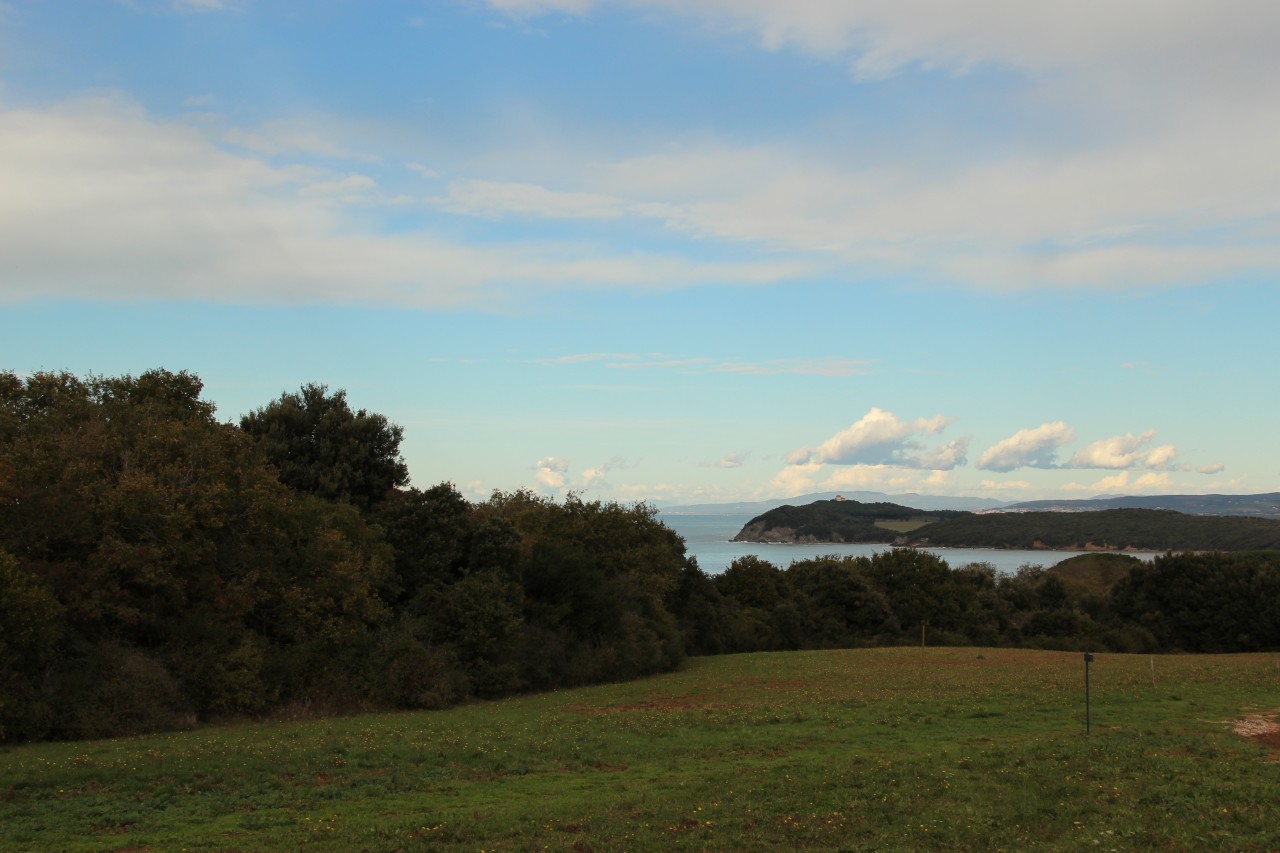
Do you know the kind of place that takes you completely by surprise? For me, the Archaeological Park of Baratti and Populonia was exactly that, and what a view. A genuinely thrilling archaeological site in Tuscany.
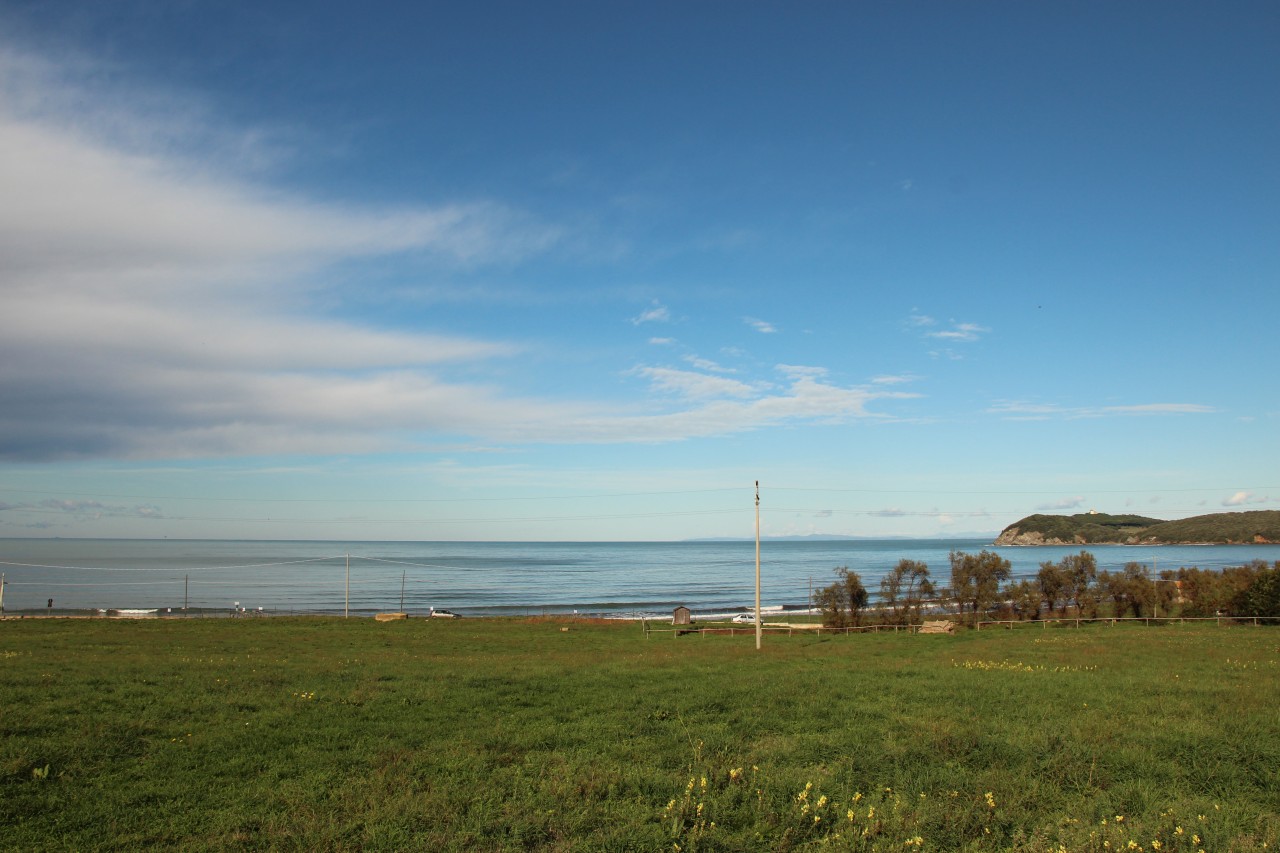
I should admit my bias up front: I trained as an archaeologist, so a park like this is close to my heart to begin with. But even setting that aside, Baratti surprised me, for its overwhelming panorama over the gulf, for the breadth of its history, and, when I first visited, for the extraordinary humanity I found there.
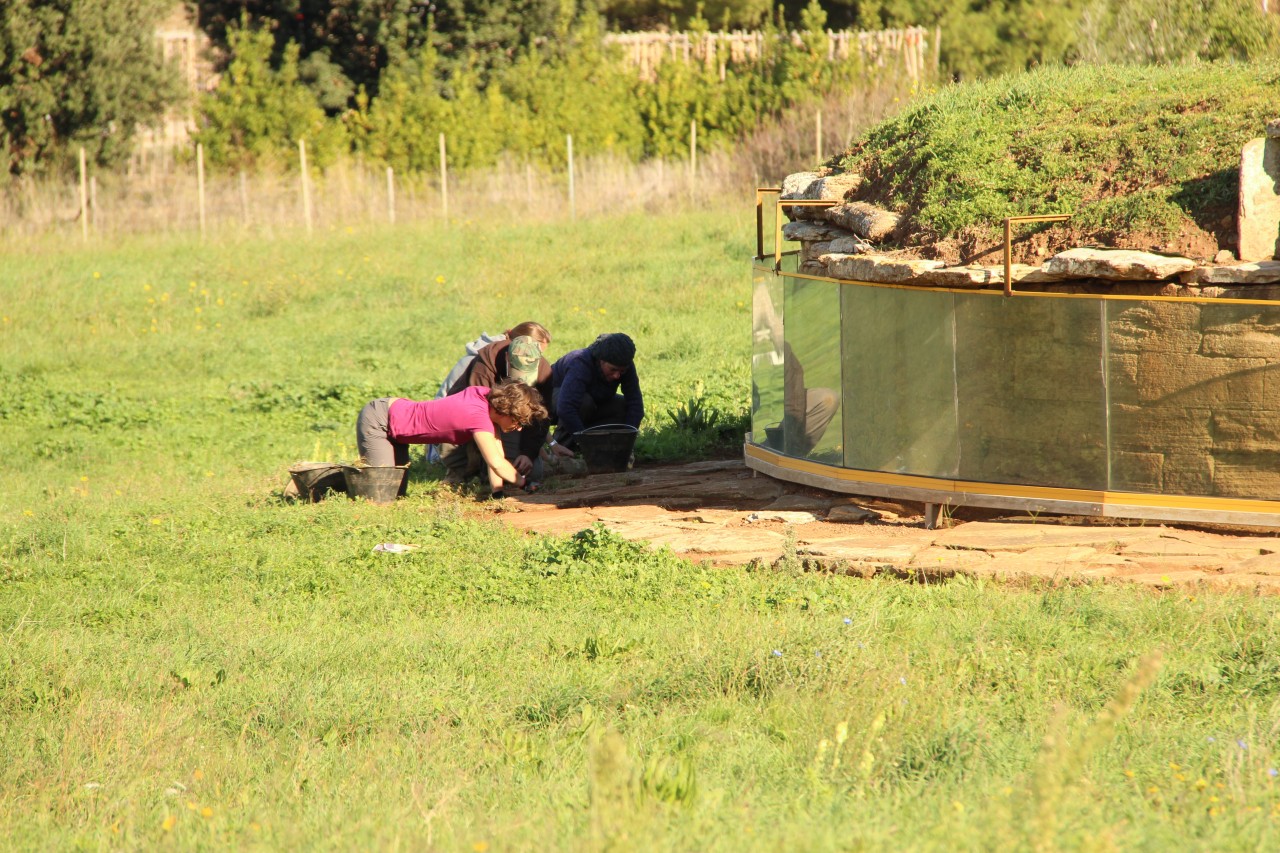
Because I came at one of its hardest moments, a few weeks after the flood that badly hit the park on 28 October 2015. What I found, though, was not devastation but solidarity: through the initiative #SuLeManichePerBaratti (roughly, “sleeves up for Baratti”), volunteers had gathered for two days of hard work, friendship and laughter, kneeling in the mud to free the necropolis from debris and bring it back to its lustre. In extraordinary moments we really are a wonderful country, with wonderful people. The park has long since recovered, but that image of people on their knees in the mud to save their own history has stayed with me, and it is part of why I love the place.

The Archaeological Park of Baratti and Populonia
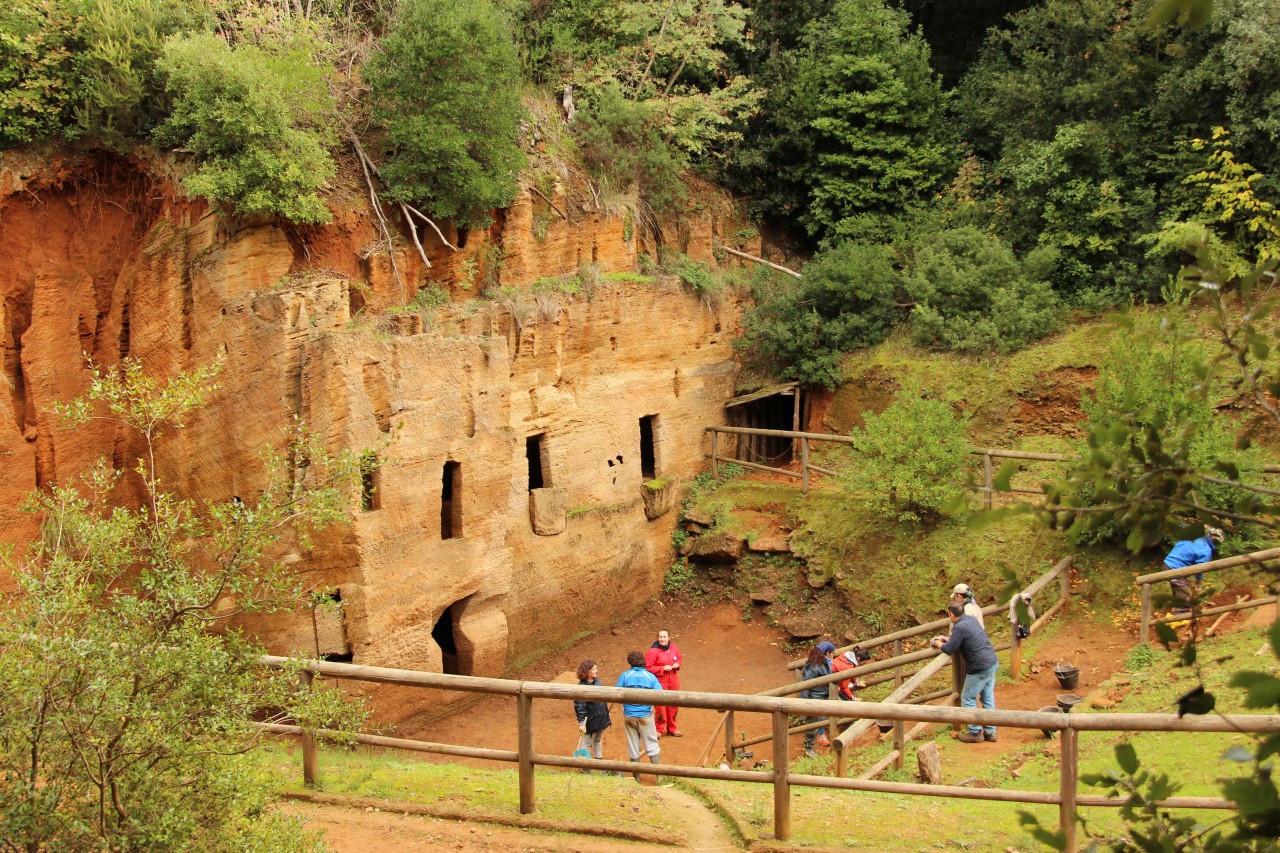
The park covers a vast area between Piombino and the Gulf of Baratti, once home to the Etruscan and later Roman city of Populonia, the traditional home of iron. It is a real pearl on the sea.
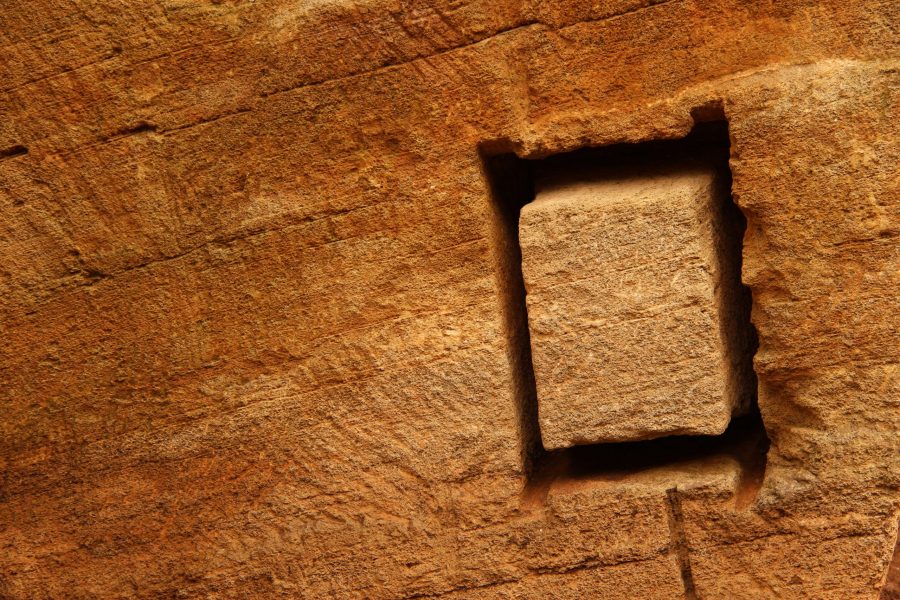
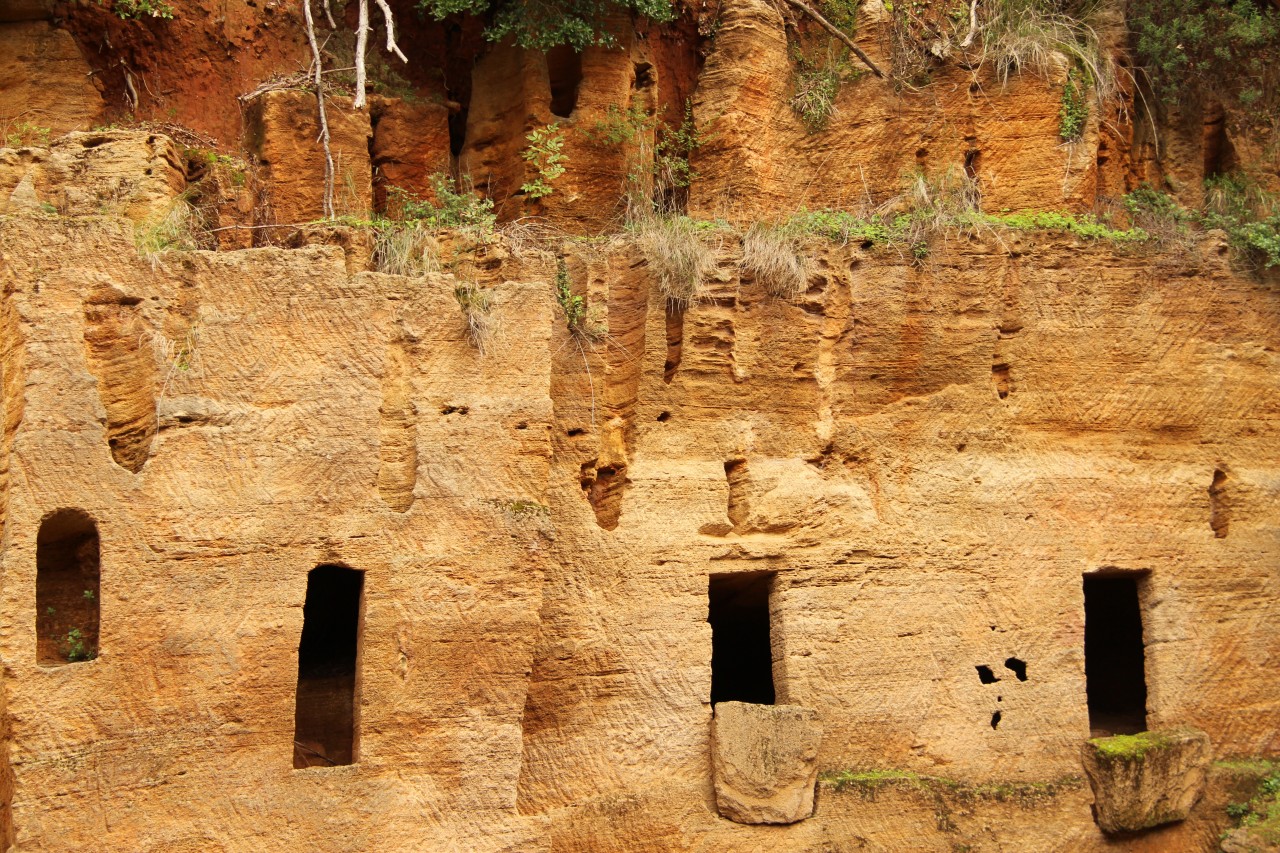
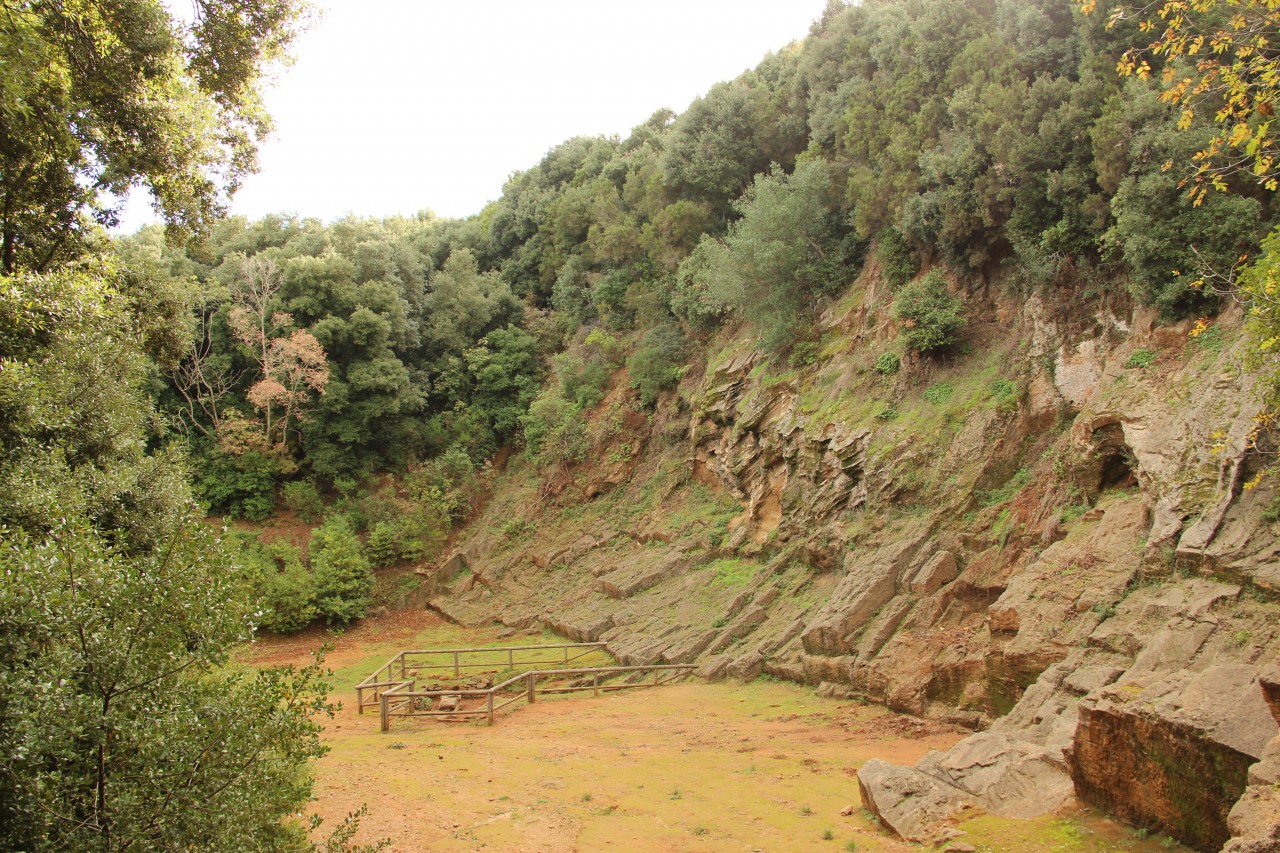
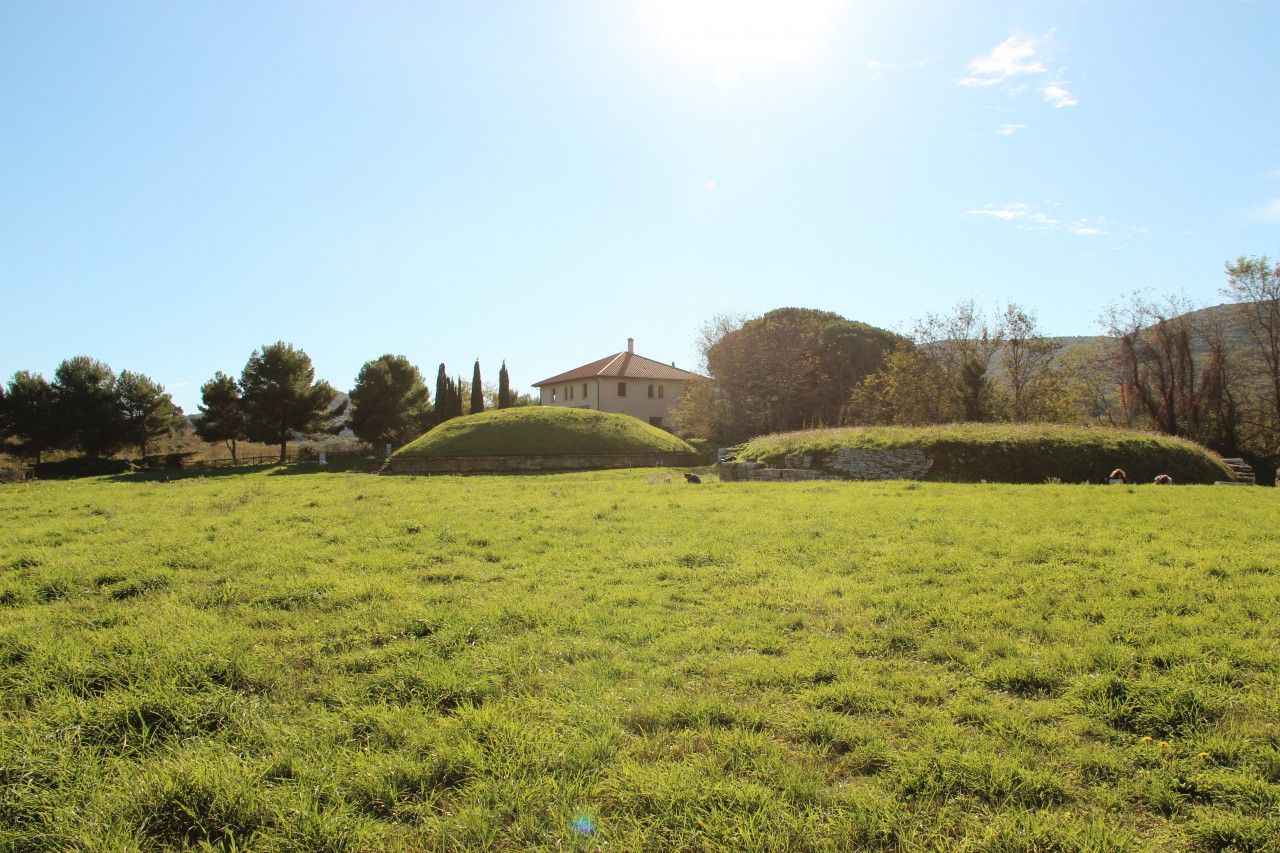
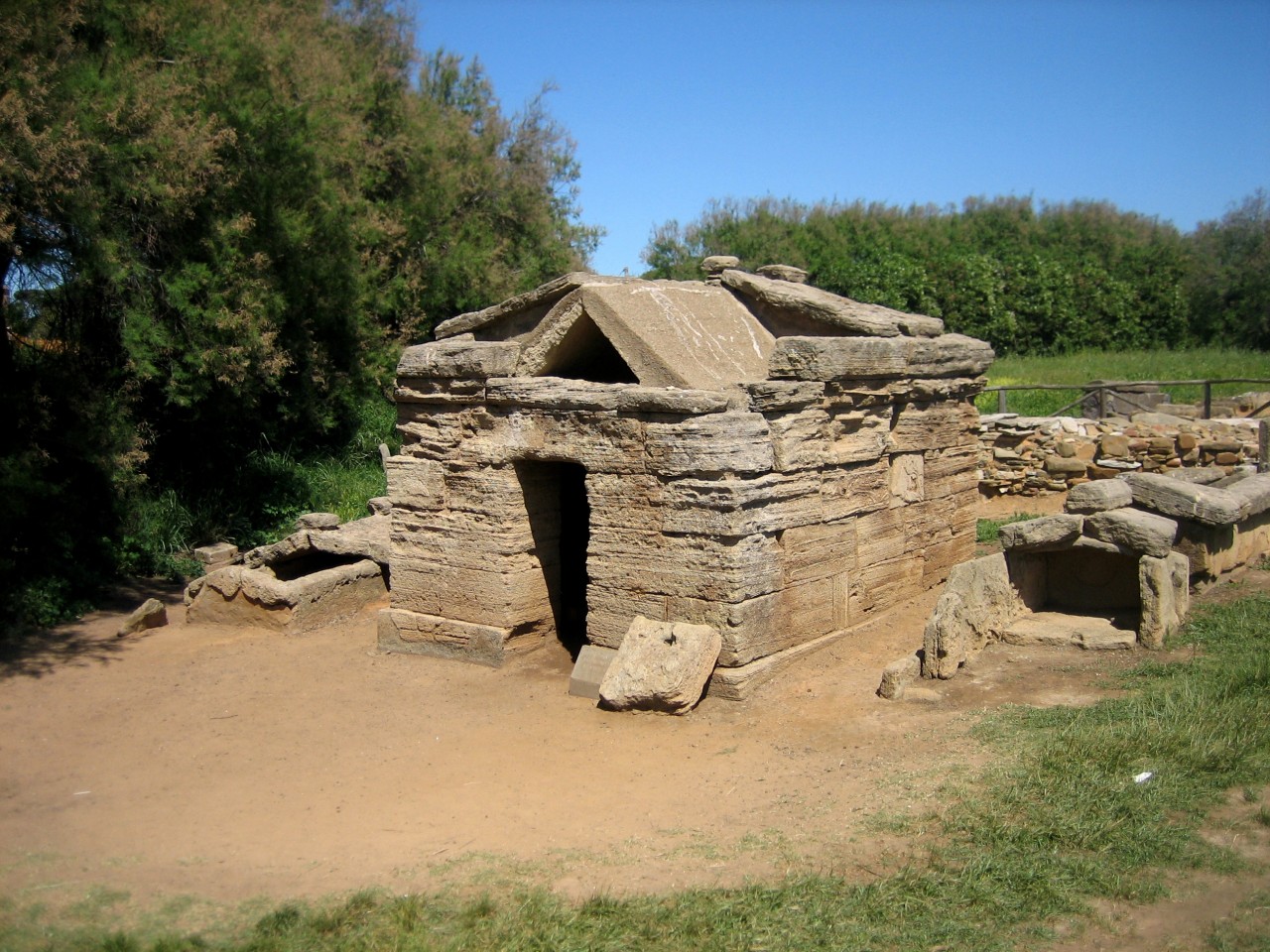
The routes through it suit everyone, whether you come for the archaeology, the hiking, or simply the discovery. Once there, you can visit the important necropolis of Populonia, the calcarenite quarries, and the industrial areas where iron ore was smelted into ingots, then climb higher to the ancient city itself. The Etruscan aristocracy settled here between the ninth and eighth centuries BC, followed from the second century BC by the Romans, who raised temples, baths and shrines where huts had stood.
The paths linking the necropolis, the metallurgical district and the acropolis wind through the Mediterranean maquis and would be worth the visit on their own. One of them leads to the ruins of the Benedictine monastery of San Quirico, a walk that carries you right through our history and up into the Middle Ages, and one I still mean to go back and do properly. Others climb to the old fortified town of Populonia, where, they told me, time has stopped. Exactly what I love.
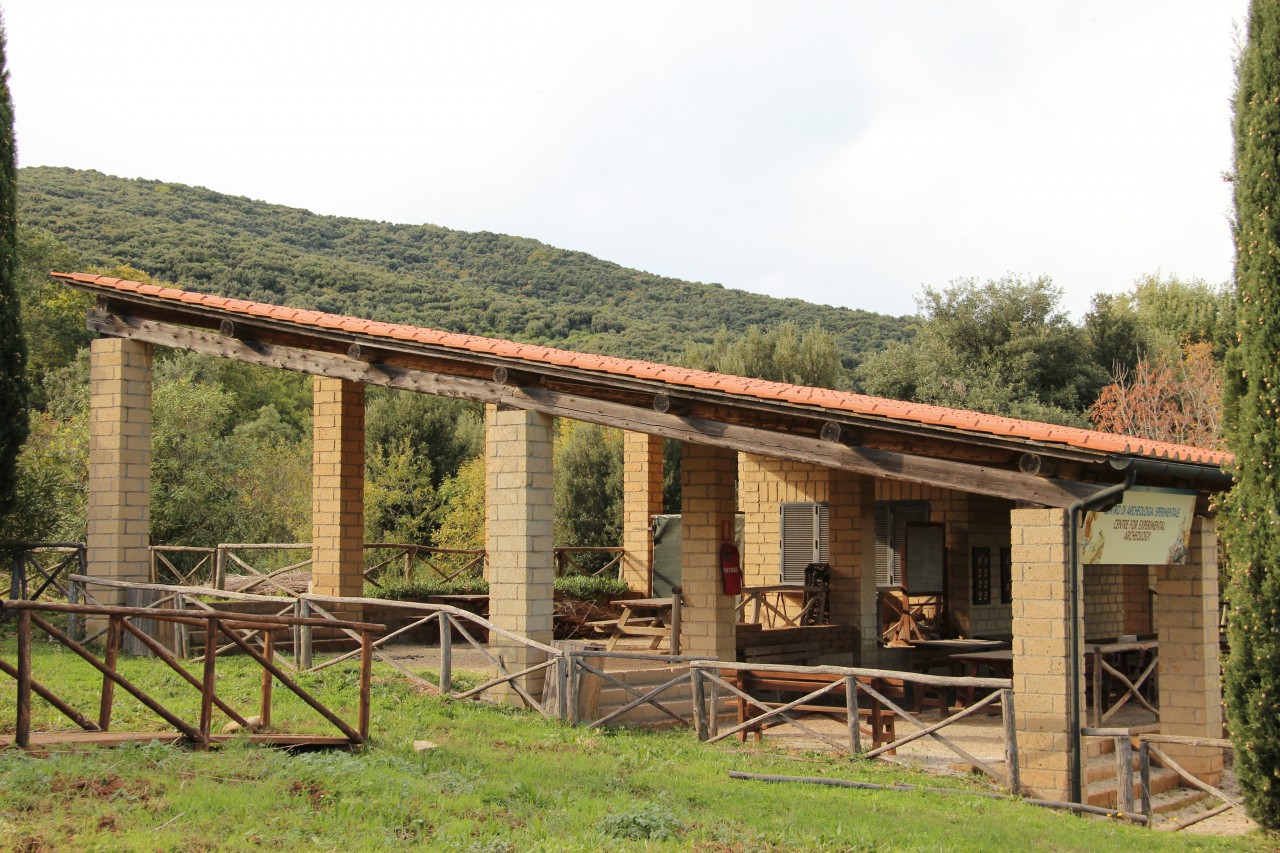
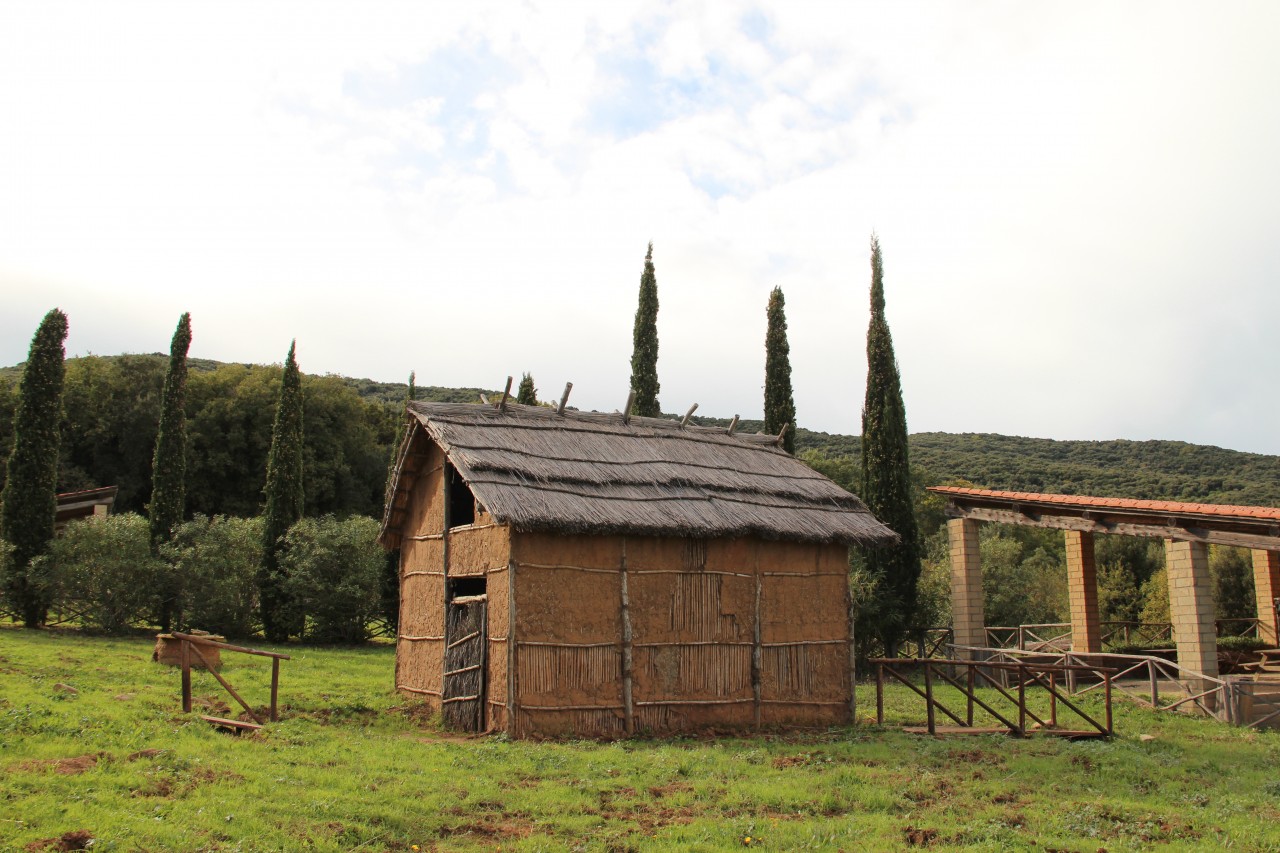




One thing that won me over completely was the “David Mancini” experimental archaeology centre, in the lower part of the park on a hill between forest and sea, whose reconstructed Bronze Age hut is a real gem. When I visited, in the middle of the flood emergency, it was closed, but normally guides lead visitors through ancient techniques, and there are proper hands-on workshops for children and groups. Another reason to return.
Useful information
- A single ticket to the park also gives access to the archaeological museum of the Piombino area. Prices and combinations change over time, so check the current fees and opening times on the official Val di Cornia Parks website before you go.
- The rate usually includes a guided tour, though you are free to explore at your own pace. Do bear in mind that seeing the whole park properly takes a full day.
- The park lies on the Gulf of Baratti, reached from the SP23 road connecting San Vincenzo to Piombino. Sat-nav will get you there easily; set your destination to Populonia (57025 LI).

Beyond the archaeology
We do not live on history alone, and the park sits in the heart of the beautiful Val di Cornia, with San Vincenzo close by. It is well worth extending your stay: between the sea, outdoor sports, good food and thermal spas, this stretch of the Tuscan coast is made for a relaxed few days. It pairs beautifully with the rest of Tuscany, too.
Further reading
- The official Val di Cornia Parks website for tickets and opening times
- My other archaeological love, on the far side of the world: Sigiriya, in Sri Lanka
- More Tuscany: visiting Lucca and Maremma’s historical villages
Frequently asked questions
It is a large archaeological park on the Gulf of Baratti in Tuscany’s Val di Cornia, on the site of the Etruscan and later Roman city of Populonia, historically a major iron-working centre. It combines an Etruscan necropolis, ancient iron-smelting areas, quarries, an acropolis and a hilltop town, set in Mediterranean scrub with sweeping sea views, and is one of the few places where you can see Etruscan tombs right beside the sea.
Yes, especially if you enjoy archaeology combined with beautiful landscape. The park pairs rare Etruscan and Roman remains with a stunning coastal panorama, walking trails through the maquis, and an experimental archaeology centre with a reconstructed Bronze Age hut. It is far less crowded than Tuscany’s famous towns, and rewards a slow, curious visit.
Seeing the whole park properly, the necropolis, the industrial areas, the acropolis and the hilltop town of Populonia, takes a full day, especially as it involves walking the trails between the different areas. If time is short, focus on the necropolis of San Cerbone and the coastal section, and save the upper town and San Quirico for another visit.
The park is in the Val di Cornia in the province of Livorno, on the Gulf of Baratti, reached via the SP23 road between San Vincenzo and Piombino. It is easy to reach by car from the Tuscan coast or from Grosseto and the Maremma; set sat-nav for Populonia (57025 LI). Check the official Parchi Val di Cornia site for current opening times and tickets.