


I meant to write about northern Thailand today, the place that changed how I think about travelling. Instead, I have spent the day in bed with a filthy cold, and it reminded me of the last time I felt this rotten, in Myanmar, back in 2012.
I had arrived at the Myanmar Beauty Guesthouse in Taungoo in the middle of the night, after too many hours on a freezing bus that left me streaming and shivering. The next morning at breakfast, Mrs Thrin, waiting for her iron to heat up, put a cup of ginger infusion in my hands. A few hours later, I felt, quite honestly, transformed. So here I am brewing a cup right now, and finally writing the little ode to ginger it deserves.
Ginger works wonders. Here is what it can actually do, how I make the infusion, and the honest small print, because even the best natural remedy has some.

Mrs Thrin’s ginger and lemon infusion
The whole cure is gloriously simple.
You need: a thumb of fresh ginger root, half a lemon, water, and, if you like, a little honey or sugar. In Myanmar, Mrs Thrin sweetened it with jaggery, the palm sugar that flavours so much Burmese cooking.
How to make it: bring a small pan or kettle of water to the boil, drop in a few slices of ginger and the squeezed and dropped-in half lemon, then let it simmer gently for a few minutes. Pour, sweeten if you wish, and drink hot. Nothing could be easier, and on a shivery afternoon, nothing is more comforting. It warmed me through in minutes, and the chills I had before drinking it were gone.
The benefits of ginger
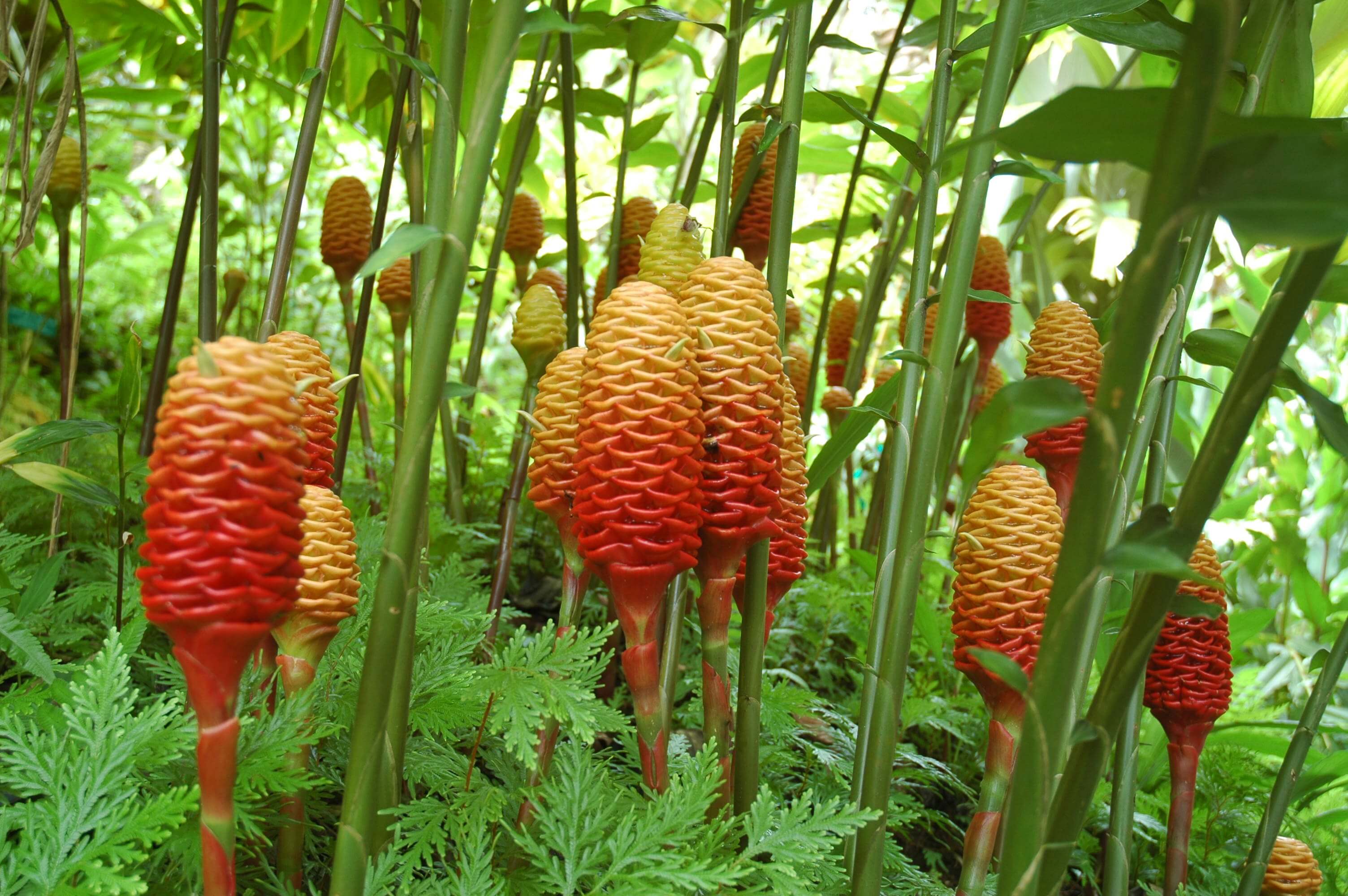
Mrs Thrin told me, over the laundry, that the ginger plant is not only the pretty flower that surrounds her guesthouse: its root runs through Burmese cooking, and through her family’s remedies too. She was in good company, because ginger is one of the most studied plants in the kitchen, and modern research backs up a fair amount of the old wisdom. Here is where the evidence is strongest.
It settles nausea. This is ginger’s best-proven use. It has good evidence for easing the nausea of early pregnancy, to the point that obstetricians list it as an acceptable non-drug option, as well as some queasiness after surgery and from vertigo. The results for motion and travel sickness are more mixed, but plenty of people, me included, swear by it.
It helps digestion. Ginger seems to speed the movement of food through the gut, encourage salivation and bile production, and reduce the fermentation that causes bloating and wind. A cup after a heavy meal is an old habit for good reason.
It calms inflammation. Studies have found that ginger can lower inflammatory markers in the body, and there is reasonable evidence that it eases osteoarthritis pain. It also appears to help with period pain, with some trials finding it as effective as common anti-inflammatory painkillers.
It may help with more. Early research suggests ginger might modestly lower blood sugar in people with type 2 diabetes, and possibly affect blood pressure and cholesterol, though the science is still thin and unsettled.
It eases cold and flu symptoms, and it warms you. This is the traditional use Mrs Thrin swore by, and while the hard evidence is limited, a hot ginger infusion is soothing, warming, and, for a streaming head cold, genuinely welcome. On this one, I am a witness for the defence.
The honest small print
Ginger is safe for most people in the amounts you would use in cooking or a daily cup of tea, and it is recognised as generally safe. But “natural” does not mean “no cautions”, and it would be wrong of me to pretend otherwise.
Be a little careful, and ideally have a word with your doctor or pharmacist if you take blood-thinning medication such as warfarin or regular aspirin, or medicines for diabetes or blood pressure, because larger amounts or concentrated supplements can increase their effects. If you have gallstones, note that ginger stimulates bile. During pregnancy, small amounts of certain foods and a cup of tea for morning sickness are widely considered fine, but keep to normal quantities rather than high-dose supplements, and check with your midwife or doctor. And if you have an allergy to ginger or lemon, this one is obviously not for you.
None of this is medical advice, just the honest context around a lovely, humble root. For anything specific to you, ask a professional.
And of course
The only real risk I know of is how easy it is to eat far too much Christmas gingerbread. Worth it, every time.
Frequently asked questions
Ginger’s best-supported benefits are easing nausea, aiding digestion and reducing inflammation. It has good evidence for pregnancy-related and post-operative nausea, for bloating and sluggish digestion, and for lowering inflammation, including osteoarthritis and period pain. Other uses, such as helping with blood sugar, are promising but less certain.
Yes, this is ginger’s most reliable effect. There is solid evidence that it eases nausea in early pregnancy, after surgery and from vertigo. Results for motion sickness are more mixed, but many people find it genuinely helpful.
Bring water to the boil, add a few slices of fresh ginger and half a lemon, and simmer gently for a few minutes. Sweeten with a little honey or sugar if you like, and drink hot. It is simple, warming and soothing, especially for a cold.
Ginger is safe for most people in normal food and tea amounts. Take more care, and ask your doctor if you use blood thinners or medicines for diabetes or blood pressure, if you have gallstones, or if you are pregnant and considering supplements rather than culinary amounts.
Further reading
- Johns Hopkins Medicine, the health benefits of ginger
- Healthline, evidence-based benefits of ginger