


This post contains a few affiliate links for tickets and tours. If you book through them I may earn a small commission at no extra cost to you. As always, my opinions here are entirely my own, and as you will see, I do not hold back.
After dozens of stopovers in Dubai, I finally decided to leave the airport and see it properly. I found it all too much.

I want to be upfront, because this is not a starry-eyed guide: Dubai and I did not fall in love. I already knew it would be sand, oil and limitless surplus, but I went looking for a soul, some thread back to the desert past, and I did not find it. This is my honest account of three and a half days there, what genuinely moved me, what left me cold, and why, as someone who thinks a lot about how places are built and lived in, Dubai troubled me more than it charmed me. If that is not what you are after, there are a thousand glossier Dubai guides out there. This one is mine.
I did try to see all of it: taxis, boats, big jeeps and the metro, from the old souks to the Marina, the vast malls, the palm-shaped island and the desert. Everything short of buying a private-beach villa, a Lotus or a Cartier ring.
What I genuinely liked
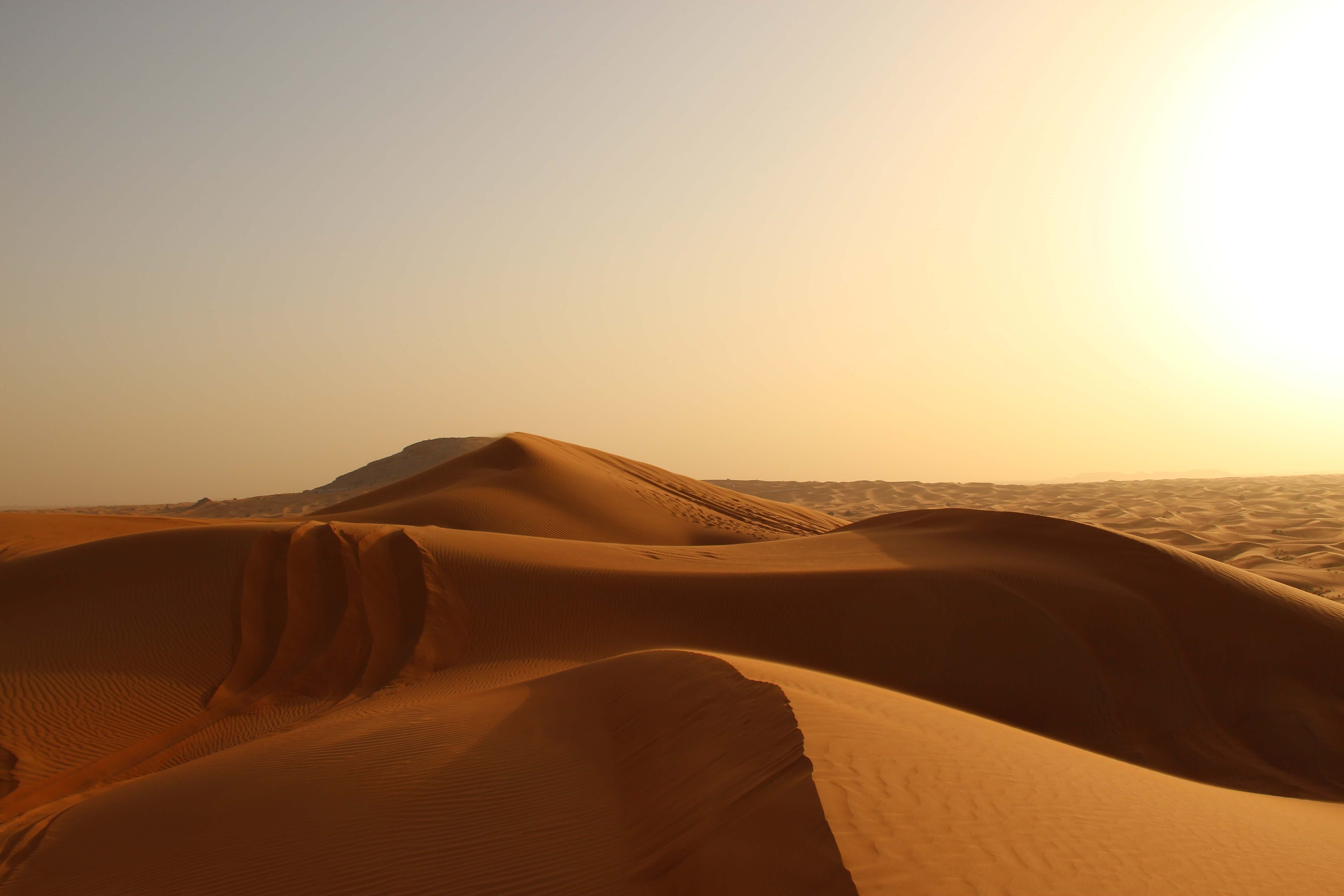
The desert. This was the real thing. A desert safari is touristy, and the price is negotiable rather than fixed, but the magic is undeniable: the light, the colours, the feeling among the dunes is like nothing else. If you do one thing around Dubai, do this.
The Hatta mountains. A half-day trip to this old village in the rocky hills, with its Heritage Village, dramatic nature, and natural rock pools, was well worth it once you get past the compulsory souvenir stop. As with the desert, check prices across a few agencies first, since the same excursion varies wildly.
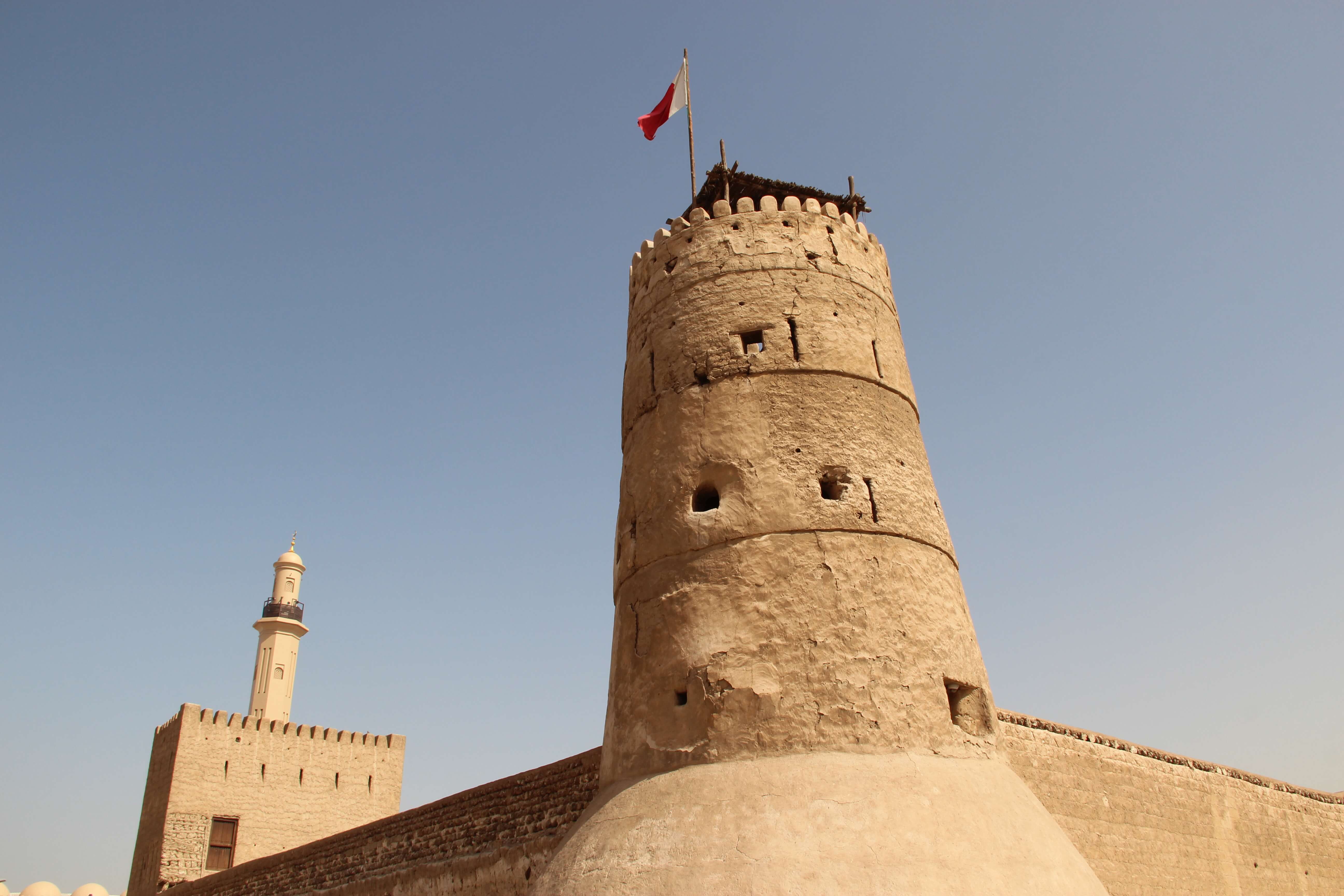
Al Fahidi Fort and the Dubai Museum inside it. A late-eighteenth-century fort that has been a government seat, governor’s residence and prison, now dwarfed by modern towers but still full of character. The basement halls are a touch Disneyland (I kept thinking of Pirates of the Caribbean), and there is a rather self-celebratory film on Dubai’s evolution, but it is genuinely interesting.
The historic souks of Deira. Three souks you wander through almost without a break, a few steps from the abras, the little ferry-barges of Dubai Creek. There is a perfume souk, a gold souk (the famous one), and, my favourite, the spice souk, which sent me straight back to Marrakech. I left it loaded with cinnamon, ginger, loose incense, myrrh and cooking spices.

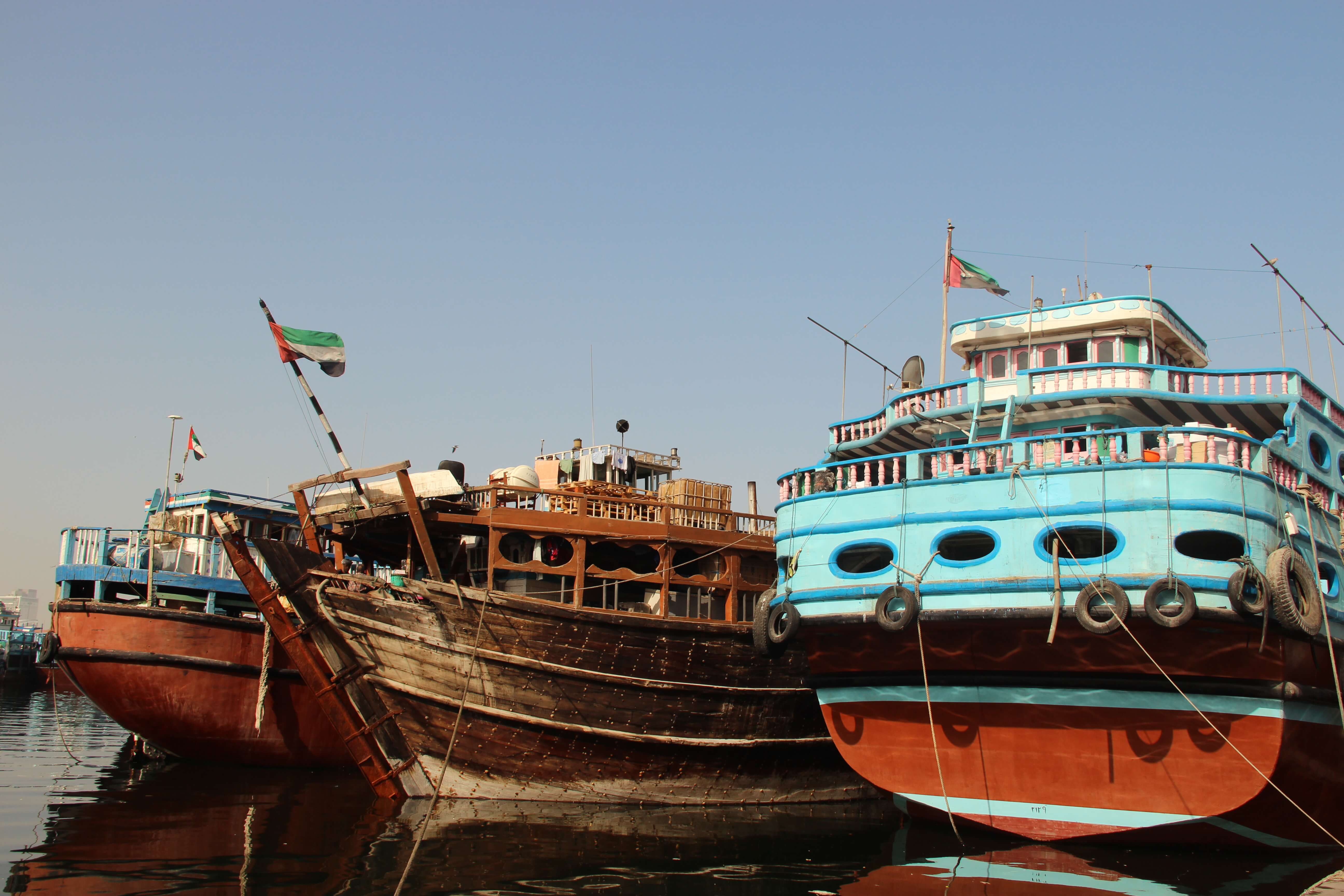
The walk along Dubai Creek on the Deira side, watching the old wooden cargo boats being loaded and unloaded by hand, was, honestly, the most human and the most memorable thing I did in the whole city. Make of that what you will.
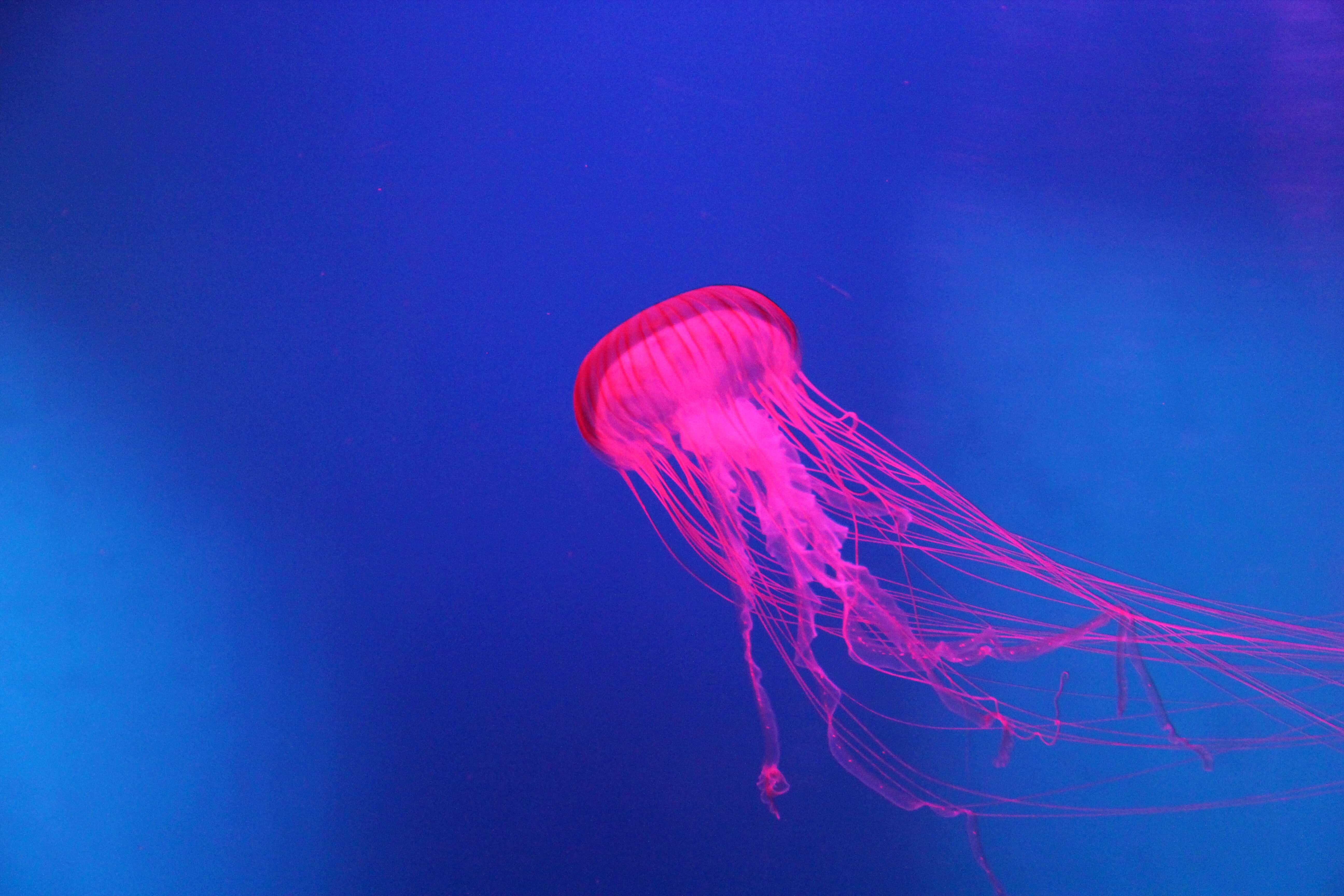
A note on the Dubai Aquarium, inside the Dubai Mall. Having lived near the Oceanogràfic in Valencia and now a short drive from the Genoa Aquarium, I did not find it especially remarkable or cheap, though the behind-the-scenes tour with the experts was genuinely good. If you haven’t seen other big aquariums and want to go, it is worth booking Dubai Aquarium tickets ahead to skip the queue.
What left me cold, and why it matters
Here is where I have to be honest, and where my discomfort is really about something bigger than taste.
I love big cities. I love their energy, their mix of people, their culture, their wide pavements and public life. What unsettled me about Dubai is that it has been built so fast, and so entirely for consumption, that there is no real centre, and often nothing at all between one district and the next. The cultural calendar is full of festivals, but the artists do not live there; the city is not shaped or improved by them. The pavements are often missing or too narrow, because Dubai is not built to be walked or lived in. It is built to be driven between air-conditioned malls, where everything happens, and the heat is offered as the reason. For me that is not enough.
And then there is the cost I cannot unsee. The palm-shaped Jumeirah island is a genuine marvel of engineering, but it altered the sea currents and forced yet more artificiality onto Dubai’s beaches to compensate. The dancing fountains struck me as kitsch. The Burj Khalifa, the tallest building in the world, is astonishing, and I did not go up, because that kind of view does not make me dream; if it makes yours, book your Burj Khalifa tickets well ahead, as it sells out. As someone who works on sustainable tourism, Dubai is, to me, a case study in the opposite: a place built against its own environment rather than with it, at enormous ecological expense, and asking to be admired for it. You may feel differently, and plenty of people are dazzled. I was mostly uneasy. That is the lens I bring to travel, and Dubai tested it.

Getting around
You cannot really walk, as I said, with the one lovely exception of the Creek in Deira. From there you cross the water on an abra for a few dirham, paid on board, in five minutes.
The metro has two lines through the city. The red line is the tourist-friendly one, linking most of the attractions; the green line serves Deira and is used mostly by locals. Note that there are women-and-children-only carriages (and gold-class carriages), a feature worth knowing in advance. Trams and a monorail connect the Marina and the Palm, though I did not use them. Ticket prices vary by zone.
Where I stayed
I booked, from Colombo airport while waiting for my flight, a room at a well-known international chain hotel in Deira, in the “historic” part of Dubai and close to the airport. It lacked the charm of a small characterful hotel, but the standards, service and food were high, and it was reasonable by Dubai terms. As ever with a place I stayed years ago, check current options rather than relying on a single name.
Practical tips, updated
- Dress modestly, covering shoulders and legs, men and women alike, out of respect and to feel at ease.
- Keep public affection minimal. Hand-holding is fine; more than that is not.
- Solo women: this has eased over the years, but it is still worth checking with your hotel about dining alone, as some venues and older establishments had restrictions. Dubai is generally very safe for women travelling alone.
- The weekend is now Saturday and Sunday. This is important and changed: since January 2022 the UAE moved its weekend from Friday-Saturday to Saturday-Sunday, with Friday a half-day. Friday remains the main prayer day, when things slow until the afternoon, so plan mosque visits, opening hours and quieter mornings around that.
- Money and language: the currency is the dirham (AED / Dhs). Arabic is official, but English is spoken everywhere, since the great majority of residents are expatriates.
- Car hire: minimum age 21 (25 for luxury cars), with a licence valid at least a year and your passport.
- If time is short, a hop-on-hop-off bus covers most sights, and is easy to book through any mid-to-upper hotel.

- The Burj Al Arab is the famous 7-star sail-shaped hotel built on an artificial island. Architecturally, it is beautiful. The lighting at night evokes
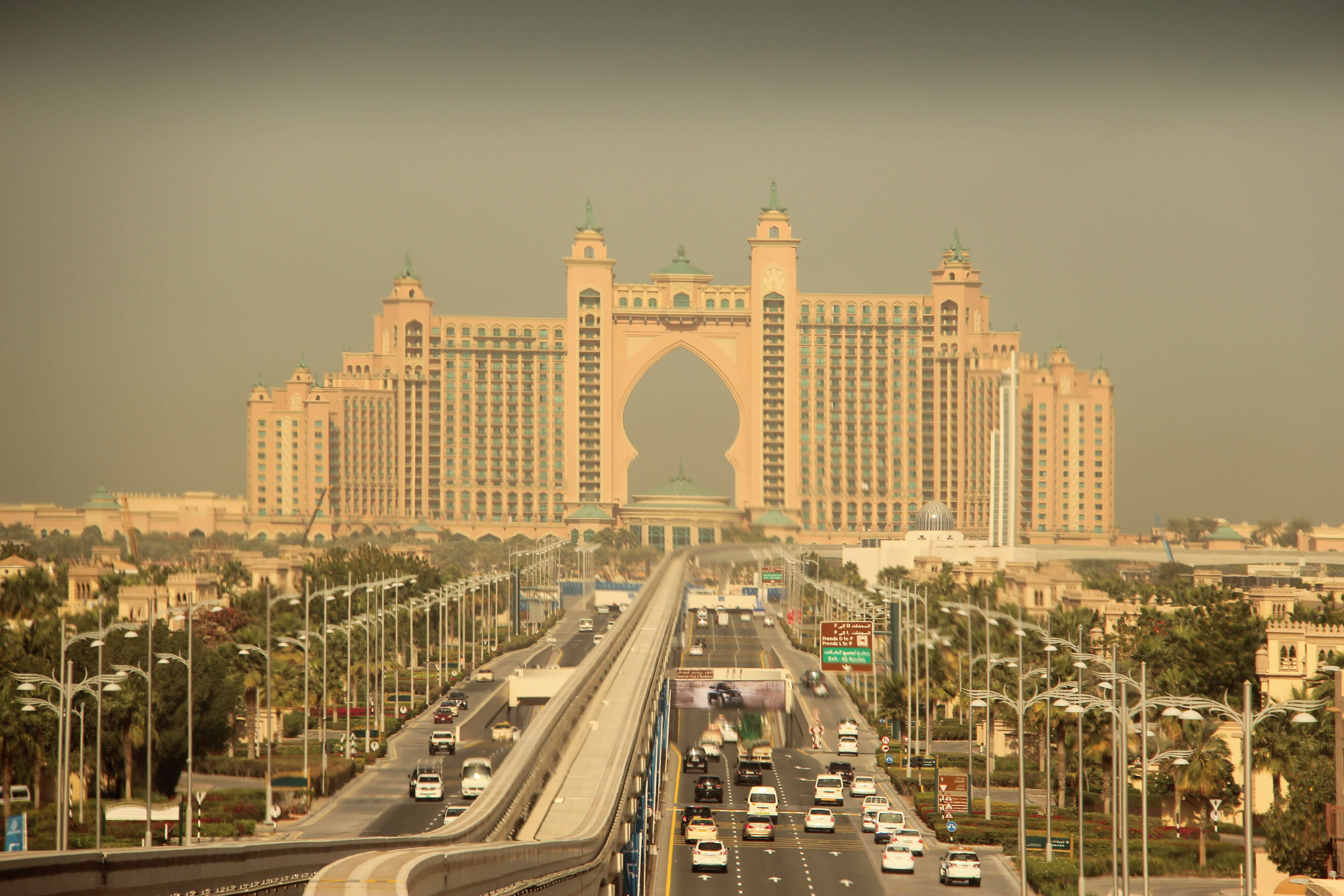
- the mythical Jumeirah island, the palm tree-shaped artificial island crossed by the futuristic monorail leading from the Marina to the mega hotel theme park Atlantis. A true marvel of engineering that has ruined the marine currents by forcing further increased artificiality on the beaches of Dubai
Would I go back?
Would I choose to go back to Dubai? Honestly, no.
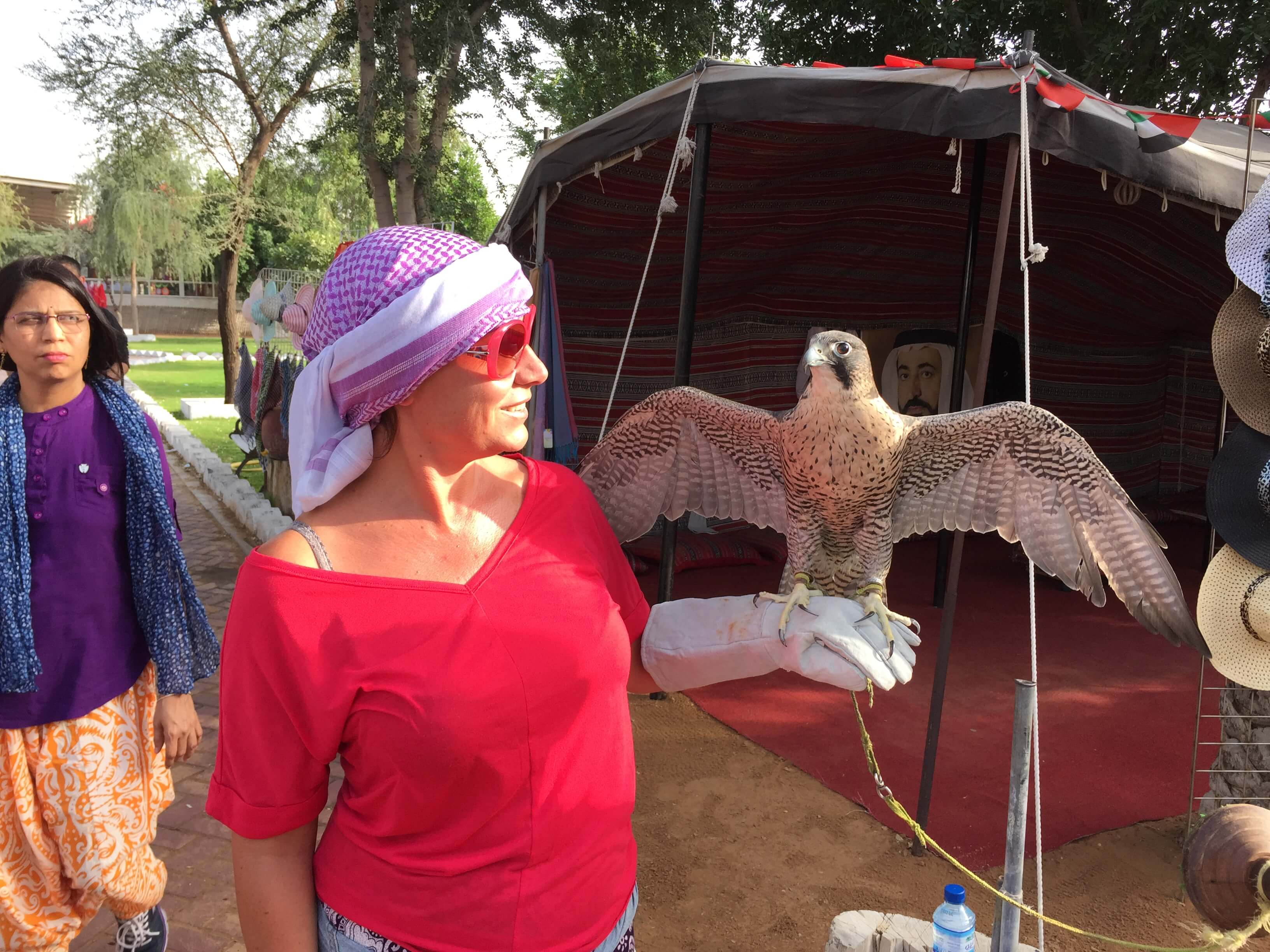
Will I pass through again? Certainly, because Emirates is an excellent way to reach the Asia I love, and I cannot stay away from it for long. And if I do stop, I will head straight back out to the desert, this time for a horseback safari and a falconry lesson, because it was the desert, not the city, that stayed with me.
Dubai is extraordinary, in the literal sense. It simply was not for me. And I think there is value in a travel blog that will occasionally tell you that, plainly, instead of pretending everywhere is wonderful.
Further reading
- My reflections on tourism sustainability and how places are built
- Elsewhere in the region: the best foods to try in Oman and Muscat’s attractions
- This article is also available as a mobile app, via GPSmyCity, for GPS-guided directions to the places above
Frequently asked questions
It depends entirely on what you want. Dubai delivers spectacularly on luxury, shopping, modern architecture, malls and desert excursions, and many travellers love it. If you are looking for historic soul, walkability, or an authentic old-city feel, you may find it, as I did, built too fast and too much for consumption to satisfy that. The desert around it, however, is genuinely magical.
The highlights I would actually recommend are the desert (a safari is touristy but unforgettable), the Hatta mountains and their rock pools, the historic souks of Deira, especially the spice souk, the walk along Dubai Creek watching the wooden cargo boats, and Al Fahidi Fort with the Dubai Museum. The Burj Khalifa, dancing fountains and Palm Jumeirah are the famous sights, though they left me cold.
Dubai is not a walkable city, apart from the lovely Creek walk in Deira. Use the metro (the red line links most attractions), taxis, the abra ferry-boats across the Creek for a few dirham, and trams or the monorail around the Marina and Palm. Distances are large and the heat intense, so public transport and taxis are essential.
Since January 2022 the UAE weekend is Saturday and Sunday, with Friday a half-day, a change from the previous Friday-Saturday. Friday remains the main day of prayer, so many places open only in the afternoon; plan around it for opening hours and mosque visits.
Yes, Dubai is generally very safe for women travelling alone, with low crime. Dress modestly out of respect, keep public affection minimal, and, at some older or more traditional venues, it is worth checking about dining alone, though this has become much easier over the years.