

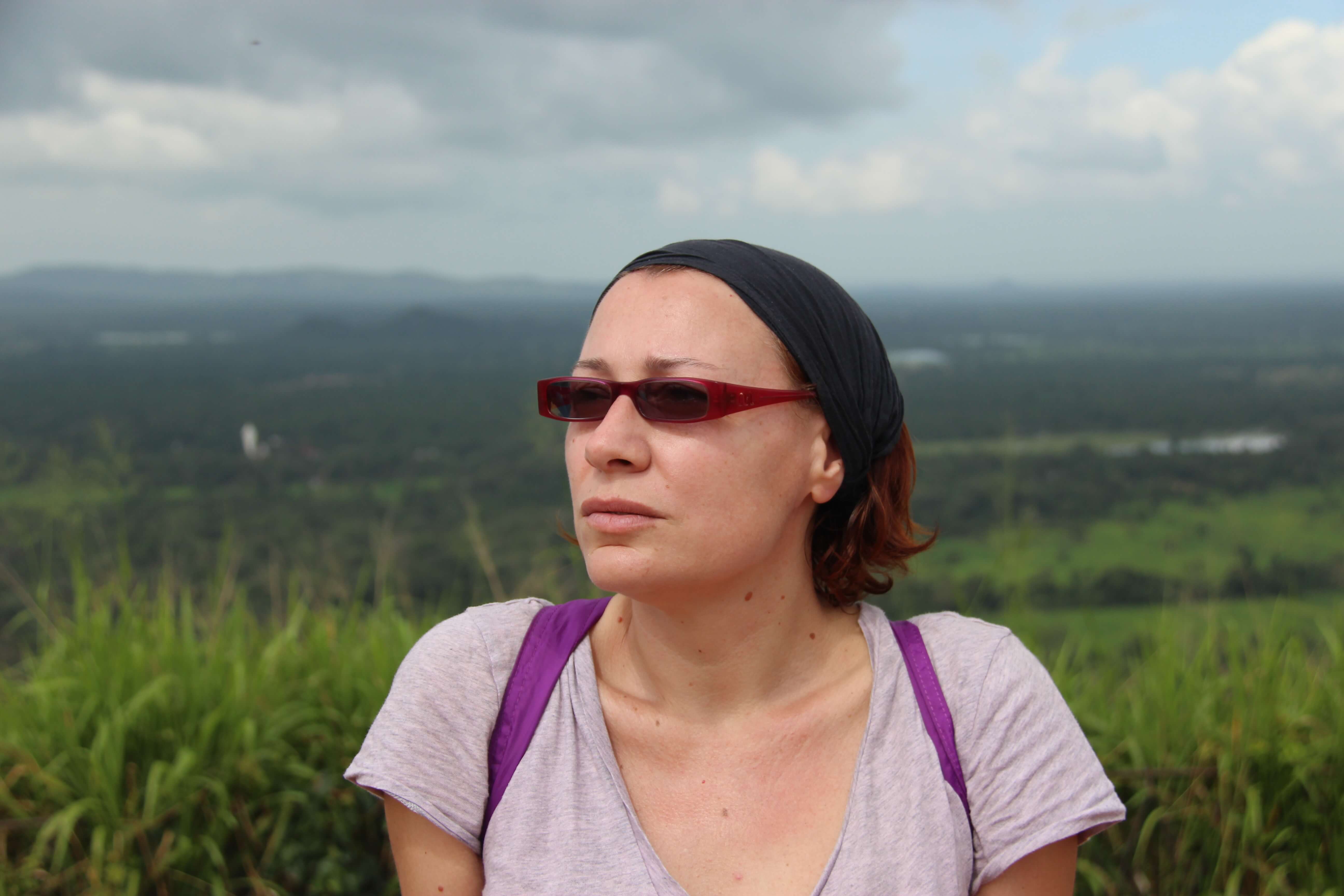

I have travelled alone, as a woman, for the better part of twenty years. It still surprises people. They ask me why, and how, and whether I am afraid, and whether they could do it too.
More and more of them are asking that last question, and meaning it. Because the woman travelling alone is no longer a rarity, and she is not who you might picture. The fastest-growing solo travellers in the world are not twenty-year-olds with backpacks. They are women over fifty, often leaving a partner happily at home, choosing to see the world on their own terms. I am one of them, a little younger, and I have been doing it long enough to tell you the truth about it.
This is my honest guide to travelling alone as a woman: why it is one of the best things you will ever do for yourself, how to do it safely, and how to do it independently, without handing your trip to a tour operator. Because that last part is where I differ from most of what you will read.
Why travel alone
For me, the answer has never changed. Travelling alone is a way to feel free, to feel that my life belongs to me, to take the time to know what I want and who I am.
The freedom is the whole of it. Doing what you want, when you want, going where you want, spending what you want, with no one to report to and nothing to negotiate. I adore travelling with my mother, with friends, in company. But the feeling I have when I travel alone has nothing to do with that, and nothing else replaces it. When you are alone you meet more people, not fewer, because others approach you and you say yes to invitations you would otherwise have declined. You immerse yourself more deeply in a place, because there is no familiar face between you and it. And yes, it is a little cliché, but it is true: you come back knowing yourself better.
I will be honest about one thing, because the glossy versions are not. Travelling alone is a privilege, economic and social, that not everyone can afford or arrange. I do not pretend otherwise. But if it is something you long for, I think it is worth saving for and building towards, even once, even small.
The truth about doing it after 40
Most solo-female-travel advice online is written by and for women in their twenties. That is not who is actually driving this. Industry research and the travel press now agree that women over fifty are the boom, that they seek meaning and cultural depth over checklists, and that they have the confidence and often the means to travel well.
What that world does not serve is the woman who wants to do it independently. The vast majority of older solo women are pushed towards organised tours, escorted, planned, roomed with a stranger, because the industry assumes that is the only way they will feel safe. If that suits you, wonderful, go. But if you are like me, and the whole point is the freedom, then the tour is the one thing you do not want, and almost no one is writing for you.
I am. Everything here, and everywhere on this blog, is about travelling alone and independently: planning it yourself, moving under your own steam, keeping the authorship of your own trip. You do not need to be twenty to do that, and you do not need a tour to do it safely. You need good sense and a little practice, and this guide, and the ones it links to, are that practice.


Is it safe? An honest answer
Yes, with the ordinary awareness any experienced traveller carries, and which becomes second nature faster than you would think. Safety is the first question every woman asks, so here is my real advice, learned over two decades and not softened.
Share your itinerary. Whatever country you are in, register with your foreign ministry’s traveller service and leave a rough itinerary, stops and accommodation, with someone at home, updating it as plans change. Someone should always know your shape.
Blend in. Leave the jewellery at home and dress so as not to draw attention, which also means respecting local dress and custom. Read up on the history and culture of a place before you set foot in it. Not attracting notice is not about fear, it is about not making yourself the obvious mark.
A ring, even a fake one. It sounds silly, but saying you are married, or about to be, defuses a great many awkward or pushy situations with a single sentence. I have used it more than once.
Keep your bag with you. In a taxi, keep your luggage on the back seat with you, not in the boot, so you can get out quickly if a situation turns uncomfortable. In cities I use app-based rides like Uber where I can, for the tracked route and the fixed, transparent fare.
Book the first night. Arrive somewhere known rather than negotiating in a strange station after dark. After that, be as spontaneous as you like.
Then let go. All of the above is worth doing, and then the actual point of a solo trip is to relax, open up, and step out of your comfort zone. The precautions are the frame that lets you do that. Used sensibly, they do not make you fearful; they make you free. And remember: you are never really alone when you travel alone.
I have written a fuller guide to avoiding theft and scams, where the honest thread is that almost every scam I have fallen for happened when I was distracted, not when I was careful.
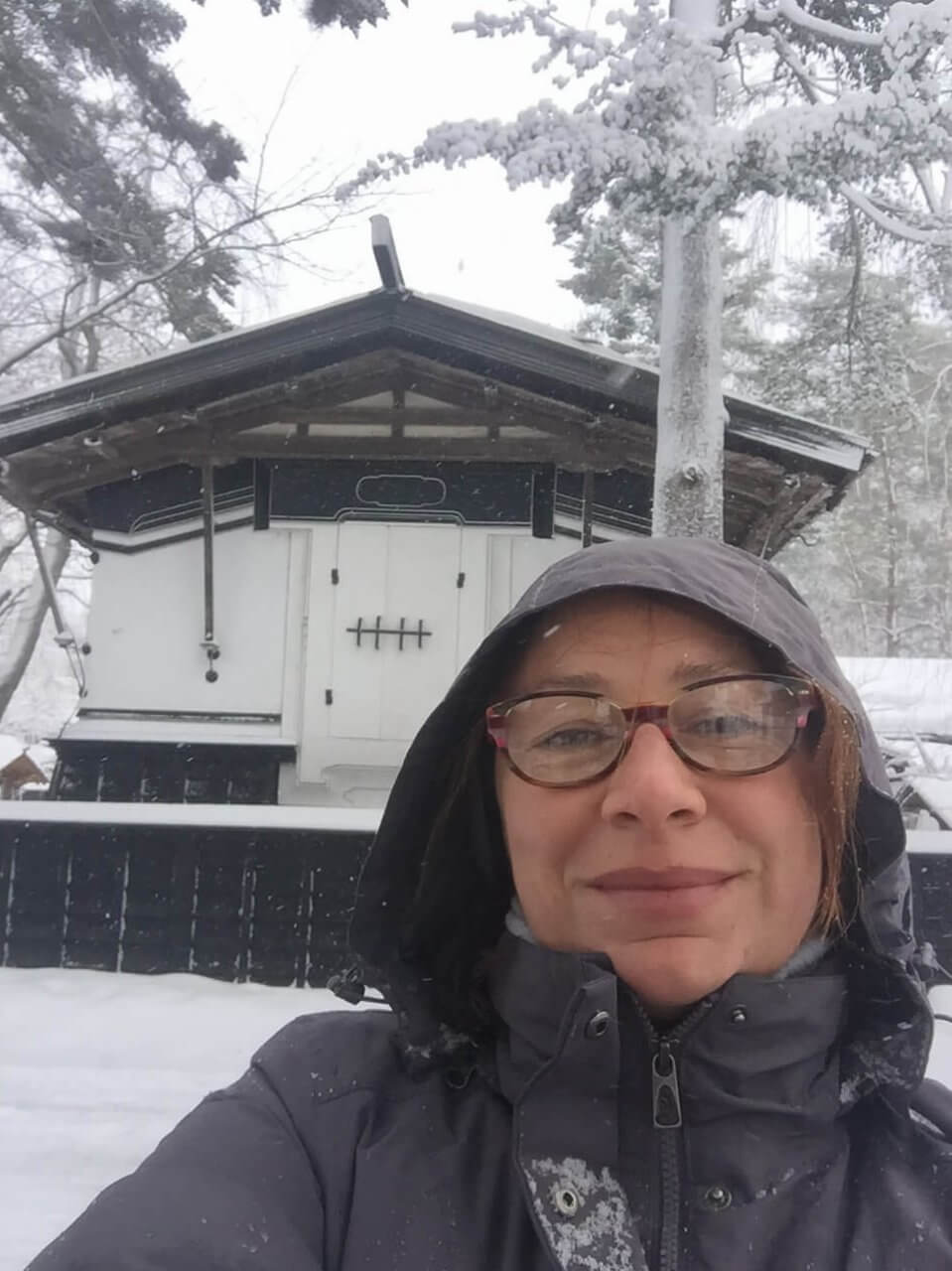
Get good travel insurance. Whether you’re hopping from one country to another or settling down in a new location for a bit of remote working, like I did in Japan or, more recently, in Norway, being adequately insured will give you peace of mind and let you focus on what matters—your incredible journey. I now use “Nomad Insurance,” a travel medical insurance policy that covers people worldwide while they are outside their home country. It offers continuous coverage across 180+ countries, and it’s hassle-free.
Where to go first
Not every country suits a first solo trip. Choose for safety, for ease of meeting other travellers, and for a culture that is comfortable with a woman travelling alone. My honest recommendations, by stage:
For a first, gentle solo trip: Italy. I say this as someone who lives here. It is busy and well-travelled, which sounds like a drawback and is actually the point: you will easily meet fellow travellers, and locals will happily help you improvise. Walk the Cinque Terre, taste wine near Siena, take a pasta class in Bologna. You are never far from company or help. It is where I would send a nervous first-timer.
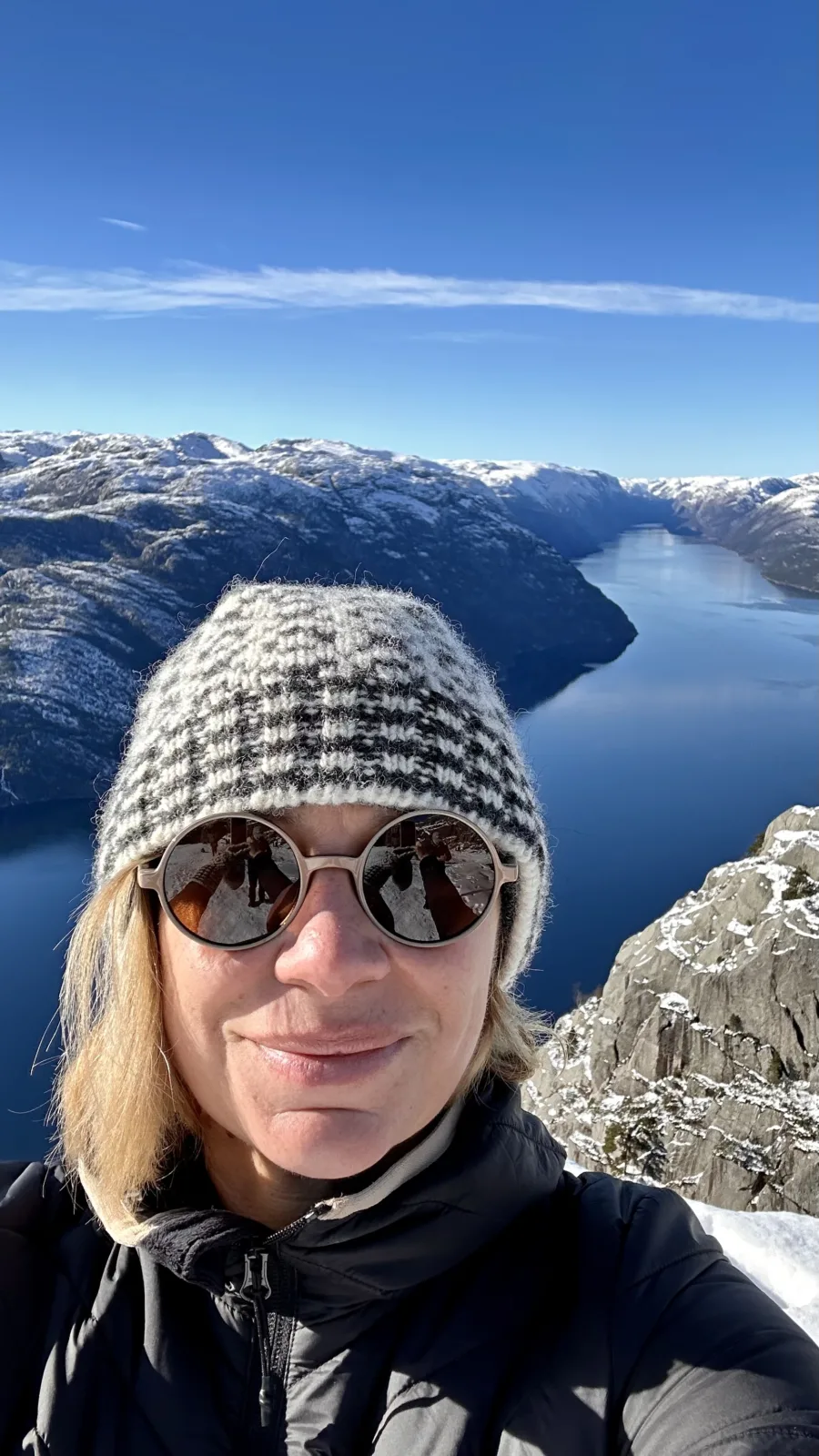
For the safest possible start: Iceland and Scandinavia. Consistently ranked among the safest countries in the world, which for a solo woman removes the single biggest worry. I have travelled the length of Norway alone in winter, and ridden the wilderness of Finnish Lapland, and felt safe throughout.
For a first big adventure: Southeast Asia. Low costs, a well-worn traveller trail, and constant opportunities to meet other solo travellers or to slip away among the rice fields. Easy logistics make it forgiving. My month in Sri Lanka is a good template.
For the experienced solo woman: Peru, and beyond. Superb infrastructure, an established trail, and one of the great adventures. My seven weeks alone in Peru remain the best solo trip of my life. When you are ready for more, my guide to the best countries for solo travel goes wider.
How to actually plan it
The freedom of independent travel is bought with a little preparation. My method, in short: research thoroughly, build an honest itinerary with real costs, book your flight and only what genuinely must be booked ahead, and leave the rest open so you can change your mind on the ground. I have set it all out, step by step, in my guide to planning independent travel, which is the companion to this piece: that one is the how, this one is the why and the who.
For the practical building blocks, I have honest, tested guides to packing light (a backpack, always, and here is what goes in it), to booking accommodation from someone who runs a hotel, and to sleeping in hostels, which I still choose at my age, and which have a solo-female-safety section of their own.
A word to the woman still deciding
If you are reading this and wondering whether you could, I want to tell you plainly: you can. Not recklessly, not without preparation, but yes. I was not born knowing how to do this. I learned it one trip at a time, and the fear eased with each one, and what replaced it is the thing I now cannot live without.
You don’t need to wait for the right companion, the right time, or to be younger than you are. Some of the best solo travellers I have met started in their fifties and their sixties. The world is more open to a woman travelling alone than it has ever been, and it is waiting.
Start small. Start in Italy, or Iceland, or wherever calls you. But start.
And when you do, tell me about it in the comments. I read every one.
Where to go next
- How to plan independent travel, my full planning method, the companion to this guide
- The best countries for solo travel
- A solo trip to Peru and independent travel in Sri Lanka, two long solo journeys in full
- Avoiding theft and scams and packing light, the practical essentials
FAQ
Yes, for most destinations, with sensible precautions that quickly become second nature: research your destination, share your itinerary with someone at home, dress to blend in and respect local customs, keep valuables close, use tracked app-based taxis at night, and book your first night’s accommodation in advance. Trusting your instincts matters as much as any rule. Millions of women travel alone safely every year, and confidence grows with each trip.
Italy is an excellent gentle first trip: safe, well-travelled, and easy for meeting other travellers and improvising with local help. Iceland and Scandinavia are the safest countries in the world by the Global Peace Index, ideal if safety is your main concern. For a first bigger adventure, Southeast Asia offers low costs, easy logistics and a well-worn traveller trail.
Very. Women over 50 are now the fastest-growing group of solo travellers, often travelling independently for the freedom and self-discovery it brings. You do not need to be young to travel alone well, and many women take their first solo trip in their fifties or sixties. Experience, confidence and clear priorities are advantages, not obstacles.
No. Organised tours suit some women and are widely marketed to older solo travellers, but they are not the only safe way to travel alone. With good planning, independent solo travel, arranging your own transport and accommodation and setting your own route, is safe, rewarding and entirely achievable, and it preserves the freedom that is the whole point of going solo.
More easily than when travelling with others, in fact. Alone, you are more approachable, and more likely to accept invitations and start conversations. Staying in social accommodation like guesthouses and hostels, joining a day tour or class, and simply being open all lead to meeting people. Many solo travellers find they are alone exactly as much, or as little, as they choose to be.




3 Comments