



Back in 2017, the writer Tom Vanderbilt published a piece in Outside with a question for a title: did Airbnb kill the mountain town? He went to Crested Butte, a small ski town in Colorado, and found a place quietly losing the people who made it work. Short-term rentals had climbed from a small slice of the housing stock in the late 1990s to nearly a third of it two decades later, while long-term rentals shrank by almost half. The average home was heading towards a million dollars. One of the people he followed, a single father working three jobs, was evicted so his flat could become a holiday let. Teachers, ski patrollers, firefighters and waiters were being priced out of the towns they kept running.
I read it years ago, and it has stayed with me, because I have watched the same thing happen much closer to home, in the Cinque Terre, where I live and run a small hotel. The names change; Crested Butte becomes Vernazza or Hallstatt or Barcelona, but the mechanism stays the same. A place becomes beloved. Its homes become more valuable as holiday lets than as homes. The residents leave. And the very thing that made the place worth loving, its living community, slowly empties out.
I have written before about why overtourism was never really about the crowds, and about what responsible travel actually means beyond the sustainability label. This piece is the traveller’s companion to both. Not a lecture, I promise, and certainly not from someone pretending to stand outside the problem. I make my living from visitors. But precisely because I do, I think it is worth talking honestly about what we, as travellers, can actually do.
Overtourism is not too many people. It is extraction without exchange
The word “overtourism” makes us picture a heaving square in Venice or a queue up a Cinque Terre trail, and so we assume the problem is simply numbers. It is not. Plenty of places absorb enormous numbers of visitors and stay healthy. What breaks a place is when tourism stops being an exchange and becomes pure extraction: money, photographs, and footsteps taken out, with very little real value left behind.
The Airbnb story is the clearest example of that shift. When a flat that housed a nurse becomes a flat that houses a rolling cast of strangers for three nights each, something has been quietly taken from the town and not given back. Multiply it by a whole village, and you get what Vanderbilt described in Colorado and what southern Europe has been protesting about through 2024 and 2025: not a hatred of visitors, but a refusal to let a place be hollowed out for them.
So the useful question for a traveller is not “am I one too many?” It is “does my visit put something back, or only take?”
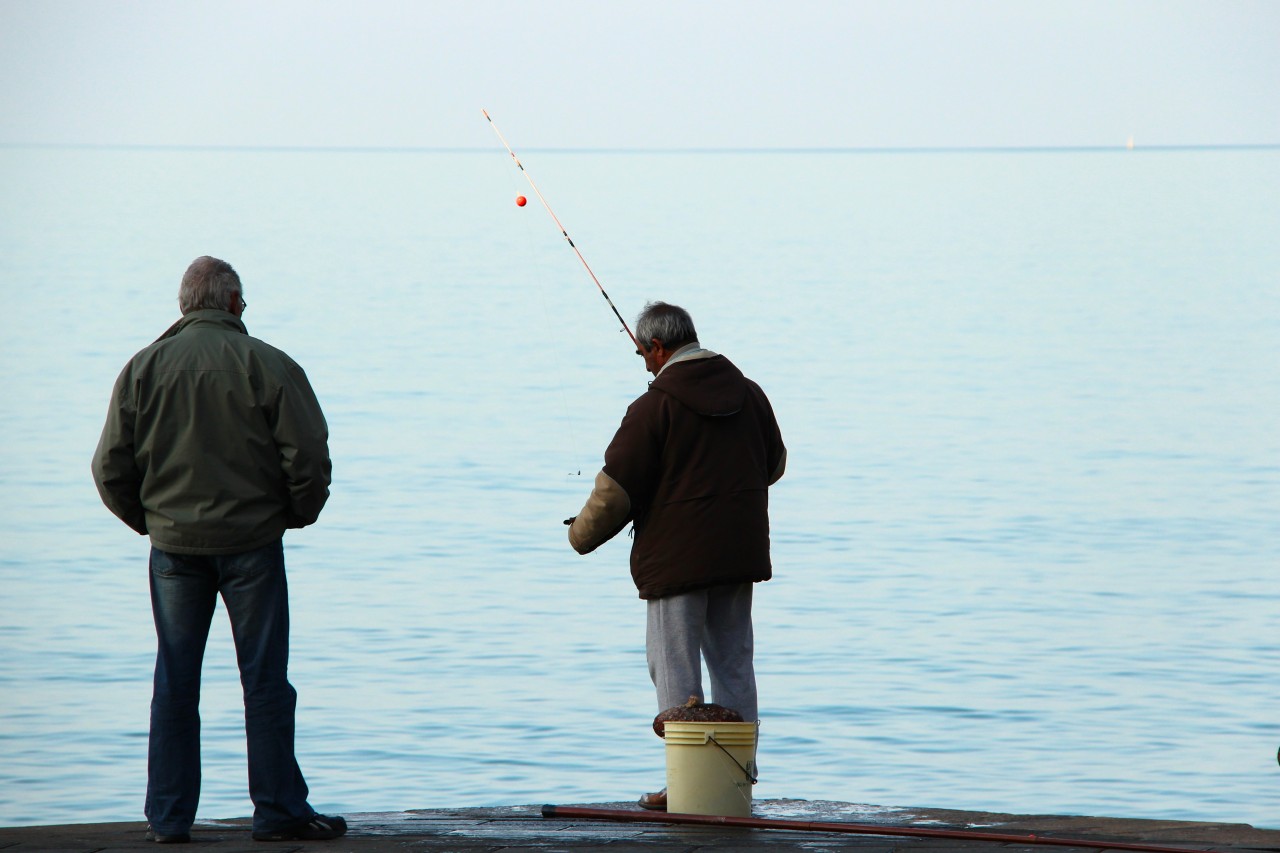
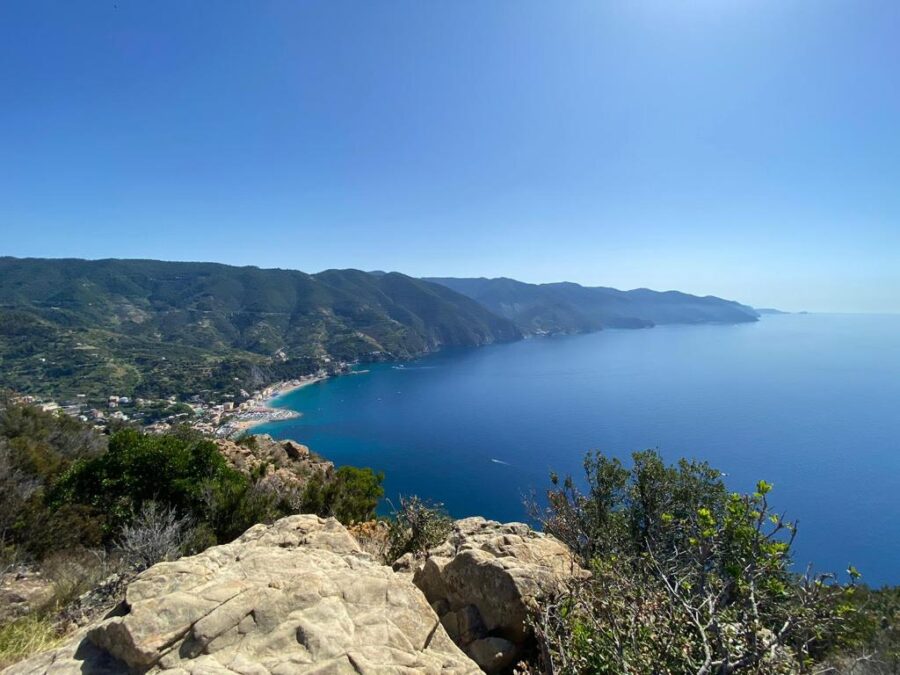
Where you sleep is the single biggest lever you have
Of all the choices a traveller makes, where you sleep does the most, for good or ill. This is the uncomfortable heart of the matter, and I will be plain about it even though I have a hotel in the game.
Short-term rentals are not all the same, and it is lazy to pretend otherwise. A resident letting a spare room, or their own home while they are away, is part of a healthy local economy. That is Airbnb as it was first imagined. The problem is the other kind: whole flats and houses, often owned by investors who never set foot in them, permanently removed from the housing market so that locals cannot rent or buy them. Those are the ones that hollow out a town.
You usually cannot tell the difference from a listing photo, but you can ask, and you can choose. Favour accommodation that keeps a place alive: small, locally owned hotels and guesthouses, family-run B&Bs, a room in someone’s actual home, agriturismi, licensed and properly registered rentals. Where a town has introduced rules or a registration number for short-term lets, book something that respects them rather than something operating around them. It is not about never using a platform. It is about not sleeping in a home that a family should be living in.
Come when nobody else does, and stay longer
If where you sleep is the biggest lever, when and how long you stay is the second. The most useful thing a traveller can do costs nothing and often makes the trip better: come in the shoulder season, stay more nights, and visit fewer places.
Off-season travel spreads the economic benefit across the year instead of cramming it into a frantic peak that a town then has to survive the rest of the year on. Staying longer means you eat more meals, use more local services, and form more real connections, while treading more lightly each day than someone racing through. And choosing fewer places over a checklist of famous ones is not a sacrifice. It is how I have always preferred to travel: slowly, and deeply enough to earn something from a place rather than just passing through it.
Spend where the money stays
Money is not neutral. A euro spent in a family trattoria, a local guide’s pocket or an independent shop circulates through the community. The same euro spent with an international chain or an absentee-owned operation largely leaves. You don’t need to audit every transaction, but a rough habit helps: eat where locals eat, buy from the people who made it, hire local guides, and when a guided experience genuinely adds something, choose an operator rooted in the place. I have written about when a guided tour actually makes sense for an independent traveller, and the honest answer usually involves a local who knows their home better than any app.
Respect is the part no policy can legislate
Everything above is about economics. This last part is about behaviour, and it is the subject of my longer piece on responsible travel as respect. Stay on the marked paths, which in fragile places like the Cinque Terre exist for very good reasons, both for your safety and for the land’s. Keep the noise down in residential streets that are someone’s home and not a film set. Learn a few words of the language. Ask before photographing people. Dress and behave with a little awareness of where you are. None of this is difficult, and it all signals that you understand you are a guest.
Loving a place without loving it to death
None of this means staying home. I have spent my whole life travelling, mostly alone, and I would never tell anyone not to go. The point is not less travel. It is better travel: the kind that leaves a place at least as alive as you found it.
The mountain towns in Vanderbilt’s article were not killed by people who loved them. They were worn away by a thousand individually reasonable decisions that, added together, priced out the community. We cannot fix housing policy from a hotel booking. But we can each make our own thousand small decisions to point the other way. Come off-season. Stay longer. Sleep somewhere that keeps a home a home. Spend where the money stays. And treat the place, and the people who live there all year, as more than a backdrop.
That is how you love a place without loving it to death.
Frequently asked questions
Not inherently. A resident renting a spare room or their own home while away is part of a healthy local economy. The harm comes from entire homes, often investor-owned, permanently taken off the housing market and turned into full-time holiday lets, which pushes local residents out. Where you can, favour that first kind, choose small locally owned hotels and guesthouses, and always book rentals that are licensed and follow local rules.
Change when and how long you go. Travel in the shoulder season, stay more nights in fewer places, and choose accommodation that does not remove a home from the local market. Those three habits spread the economic benefit, lighten your daily footprint and usually make for a richer trip.
No. It is less about raw numbers and more about whether tourism is a fair exchange or pure extraction. A place can host many visitors and stay healthy if the money is reinvested locally, housing stays available to residents, and the community keeps its identity. It breaks when homes, services and local life are hollowed out to serve visitors.
Not necessarily. It means travelling better: putting something back into the places you visit through where you sleep, where you spend and how you behave. You can travel a great deal and still be a good guest. The aim is to leave a place at least as alive as you found it.
Further reading
This piece grew out of two longer ones: overtourism was never about the crowds, on why the problem is the social fabric rather than the numbers, and responsible travel is not just sustainability, it is respect. The article that set me thinking is Tom Vanderbilt’s Did Airbnb Kill the Mountain Town? in Outside. For how to travel this way, see my guides to independent travel and to hiking the Cinque Terre responsibly.




10 Comments