
I do not write about the Cinque Terre as a visitor. I write about it as home.
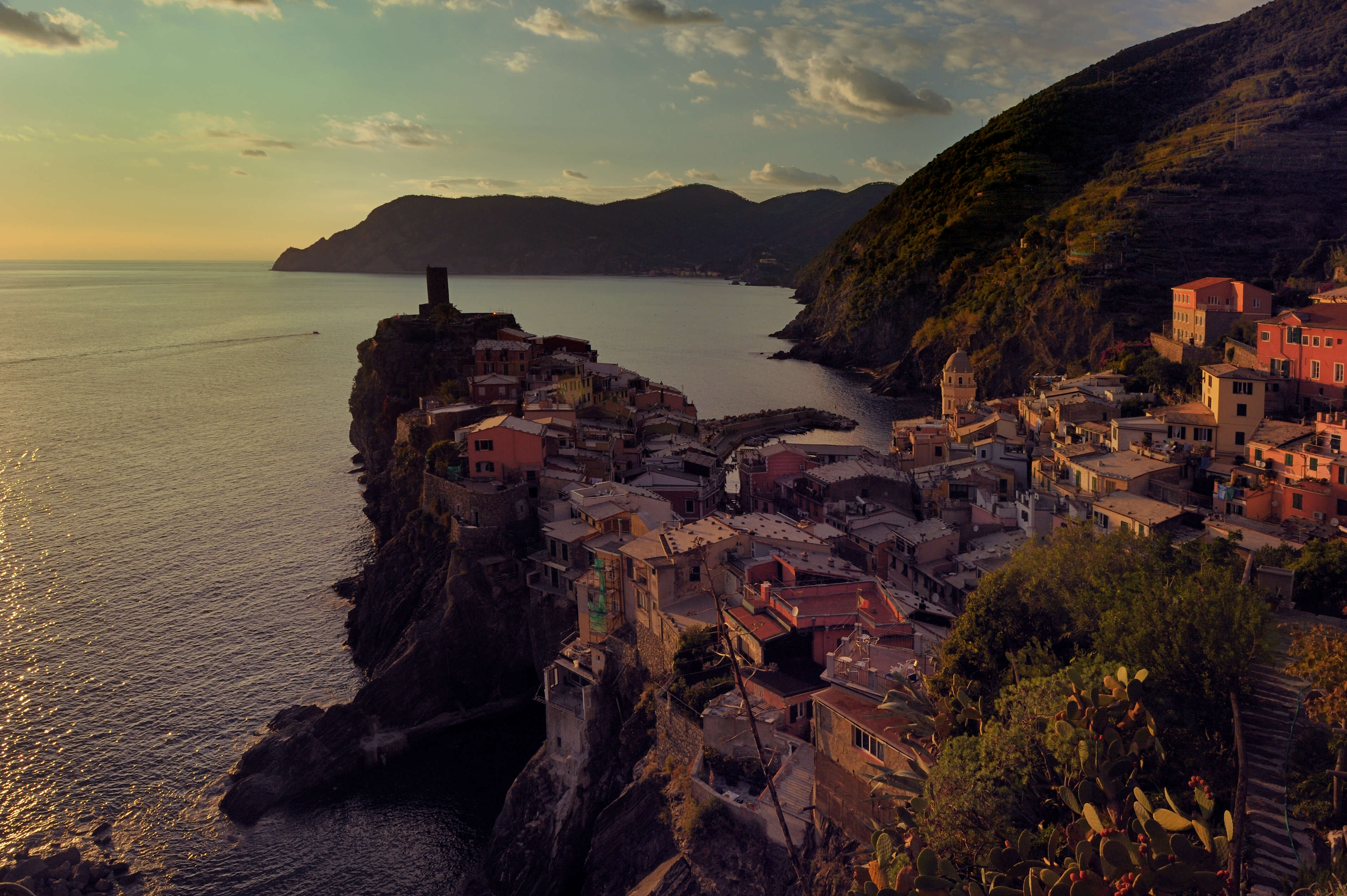
I spent the first years of my life at Soviore, above Monterosso. My grandmother lived in Vernazza, a few metres from a vineyard that climbs to the sea. I run a small boutique hotel in Levanto, on the edge of the Cinque Terre, and I have made my life here, on this improbable coast of terraced cliffs and painted villages. I was here on 25 October 2011, driving into Vernazza the day after the flood to find my family. This is not a destination to me. It is the place I know better than any other on earth.
Which means I can tell you the truth about it: the Cinque Terre is one of the most beautiful places in the world, and one of the most fragile, and one of the most misunderstood by the millions who pass through it in a single hurried day. This is my guide to seeing it properly, and to seeing the wider Liguria that most visitors miss entirely. Take your time. Stay a while. Let me show you where I live.
Welcome to Liguria, my region
Liguria is the narrow strip of land between the Ligurian Sea and the mountains, the Apennines and the Maritime Alps, curving from the French Côte d’Azur to Punta Bianca at the Tuscan border. It is world-famous for a handful of its coastal names, Portofino, the five villages of the Cinque Terre. But the rest of it is like a shy, introverted old lady, charming and quiet: give her time and she will amaze you with her hidden treasures.
The coast divides in two. The Riviera di Levante, the coast of the rising sun, where I live, and the Riviera di Ponente, the coast of the setting sun. Between them sits Genoa, our rich and beautiful capital, known as La Superba, the proud one. Along the whole of it you will find old fishing villages, elegant manor houses and gardens, the artists who fell in love with these places and stayed, and almost every water sport there is.
But my region is not only sea. There is a lovely accident of dialect here: the local word for sea is mâ, which also means evil. And indeed Liguria is as much a paradise of countryside and the outdoor life as of coast. Its mountain parks are extraordinary, all pastures, ancient fortresses, snowshoe trails and views that take in Corsica ahead, the French Alps and Monviso to the side, until for a moment the sea below looks like a lake. The inland towns are fairytale things, tiny gems the centuries have treated kindly. And the food of the interior will surprise anyone expecting only seafood: much of the best Ligurian cooking is the so-called cucina povera, the poor kitchen, and it is a delight.
First, a plea: slow down
The Cinque Terre is five villages, Monterosso, Vernazza, Corniglia, Manarola and Riomaggiore, strung along a stretch of Ligurian coast, joined by train, boat and footpath. Most people attempt all five in a day, photograph each from the same viewpoint as everyone else, and leave having seen nothing.
Please do not. These villages, and the vineyards above them, are the work of a thousand years of human hands, and they reward the traveller who stays, walks, eats slowly, and talks to the people who live here. Base yourself in one village, or in Levanto next door as I would suggest, and treat the others as day trips. My whole philosophy of independent, unhurried travel was practically written for this place.
Where to go
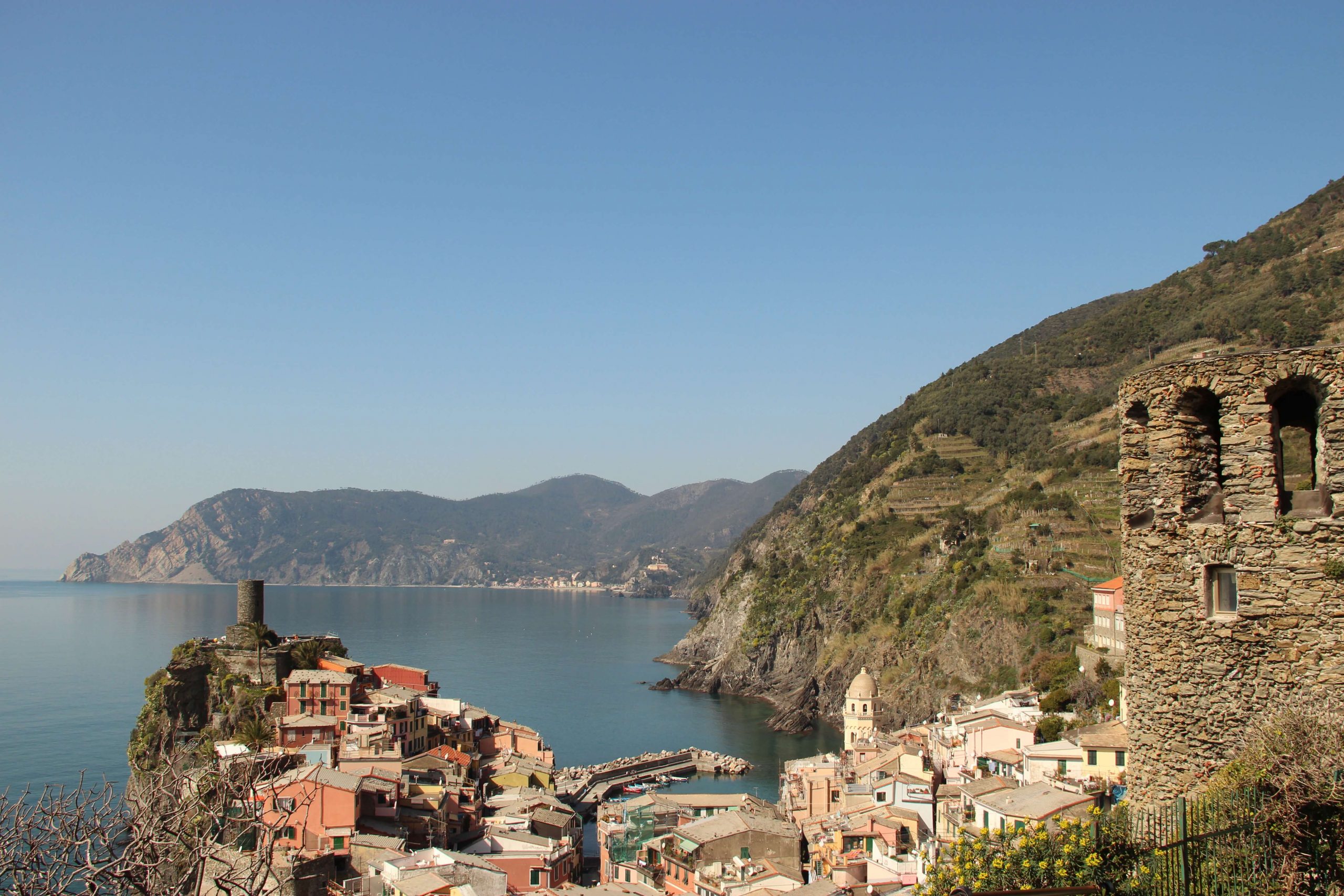
The five villages, and my Vernazza. Each village has its character, and I have written a very personal portrait of mine, Vernazza, discovered by smell, which is not a guide so much as a love letter to how a place actually feels.
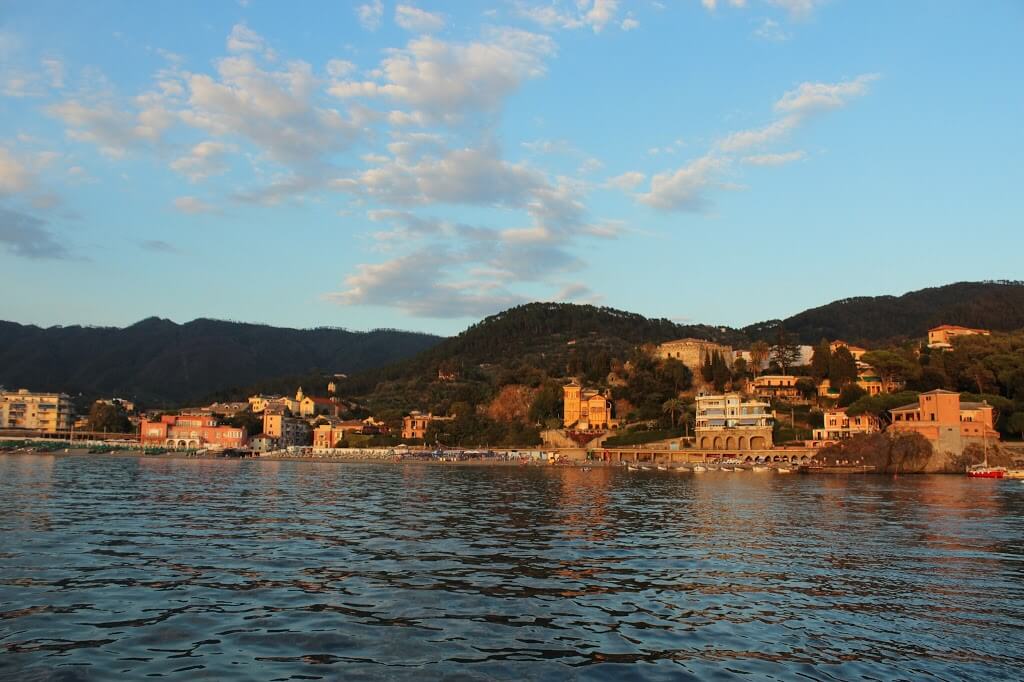
Levanto, my base and yours. Just north of the Cinque Terre, quieter, with a real beach and a real town that lives all year. It is where my hotel is, and where I would tell you to sleep. My late-afternoon Levanto walking tour is the walk I take to clear my head.
Beyond the five: the Riviera di Levante. The stretch between Genoa and the Gulf of Poets is full of the hidden treasures I promised you. My guide to my favourite places in eastern Liguria is where to start, and Porto Venere and a day trip to Portofino are the famous names worth the detour.
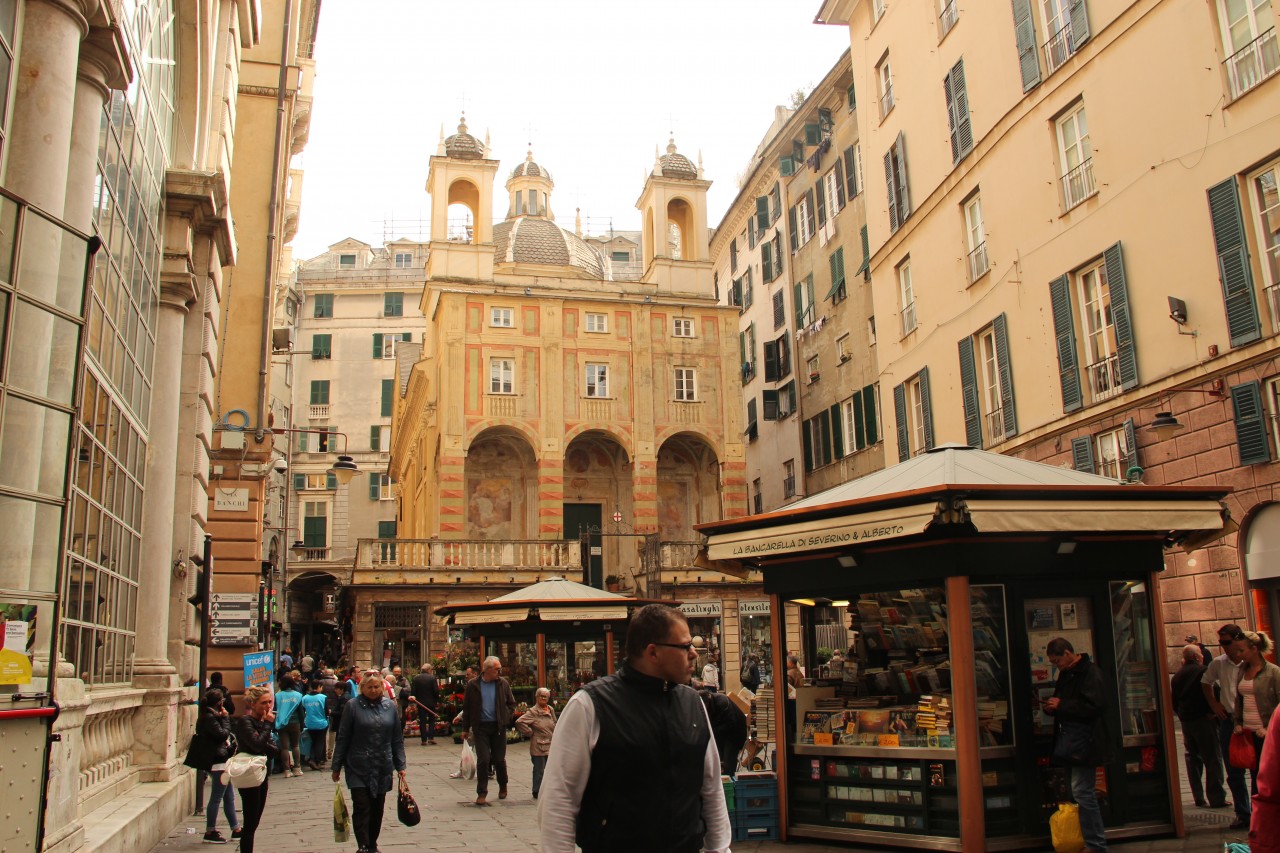
Genoa, the underrated capital. My city to the west, too often skipped. See it looking up at its palaces, walk from the sea to the forts along its walls, and go behind the scenes at its aquarium, the largest in Italy.
And west again: the Riviera di Ponente. The coast of the setting sun, which almost no English-language guide bothers with, and which I love. Dolceacqua, near the French border, is a fairytale village of stone-arched carruggi and a medieval Doria castle, joined to its old quarter by the Roman bridge Monet painted again and again, and I never tire of getting lost in its alleys imagining him hunting the light. It is red-wine country (the sweet, aromatic Rossese) and olive-oil country, ringed by the greenhouses of roses and mimosa that feed the famous San Remo flower market. I will be writing it up properly, and it is where the wider Liguria starts to reveal itself.
Walking the coast
The footpaths are the soul of this coast, and walking them is the single best thing you can do here. But they are real mountain paths, not a promenade, and they deserve respect. My Cinque Terre hiking tips, from someone who grew up on these paths, is the honest guide: which trails, what they are really like, when to go, and how not to become one of the people the rescue helicopter is called for.
For the wider Riviera, there is a coast beyond the walking too: the twelve most beautiful beaches, and, for those who move differently, surfing, paragliding over the Cinque Terre, and discovering the coast by e-bike or under sail in the Gulf of Poets, which I do as a licensed skipper.
What to eat and drink
Ligurian food is one of Italy’s great regional cuisines, and it is inseparable from the landscape. A few things above all.
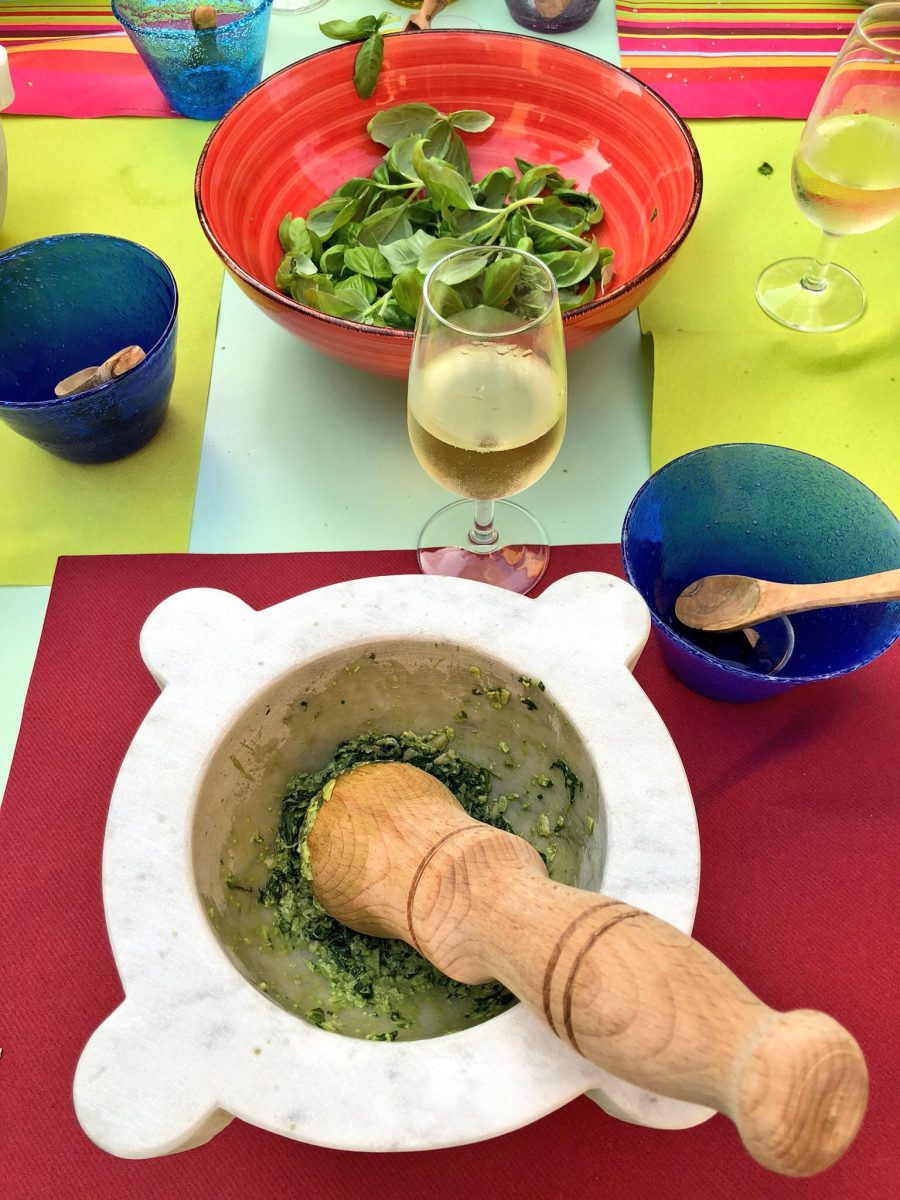
Pesto, which was born here, and which you should learn to make properly. I teach a hands-on pesto class at my hotel, and there are other food experiences around Levanto worth your time. The other essential is Genoese focaccia, for which I have shared the real recipe.
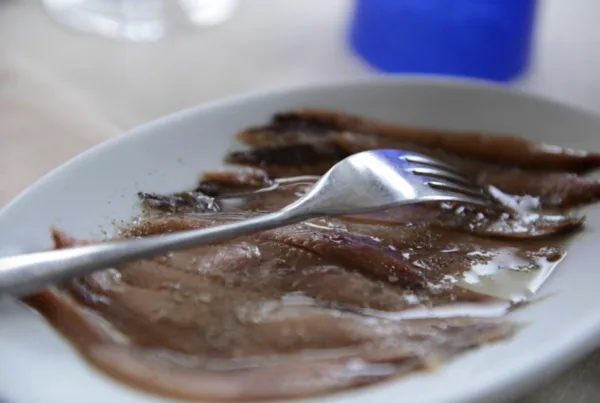
Anchovies, the king of ingredients in Monterosso, where I grew up half a valley away. They are fished at night in summer from small wooden gozzi rigged with a lampara, the lamp whose light draws them to the nets, and the old fishermen swear the best catch is the night of the 29th of June, Saints Peter and Paul. Salted, they become pan do mâ, “bread of the sea”, once put up by women sitting on their doorsteps as curious children and hopeful cats looked on, a memory from my own childhood, and now a Slow Food Presidio that protects the traditional method. Monterosso holds two festivals in their honour, fried anchovy in June and salted anchovy and oil in September, and I would not miss either. I have written their full story here.
Olive oil, the region’s other liquid gold. Ligurian extra virgin, the DOP Riviera Ligure, is prized the world over, especially the delicate taggiasca oil of the western Riviera; I have helped farmer friends with the harvest, spreading the nets and shaking the branches, and there is no better way to understand a place than to work its land for a day.
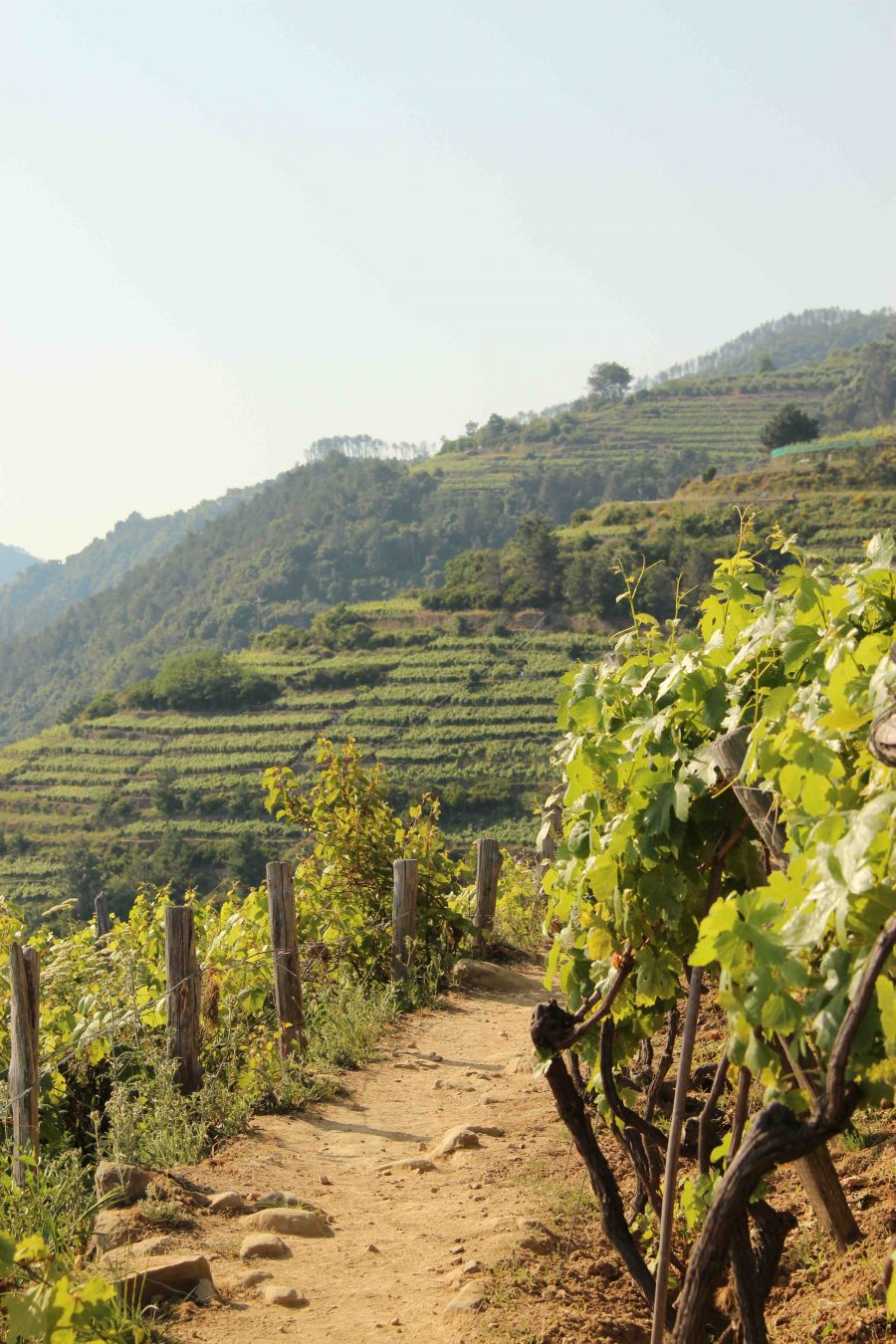
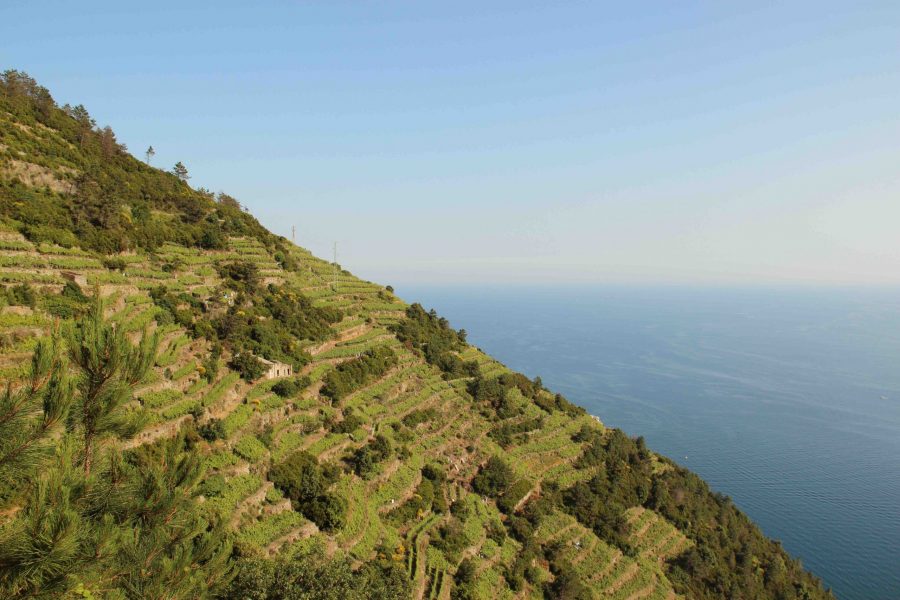
The wine, which is a story of labour more than of grapes. The vineyards cling to terraces held up by dry stone walls built entirely by hand, and I have written about the winemaking and those walls, about the rare sweet Sciacchetrà that is the region’s treasure, and about two wineries you can actually visit: CheO above Vernazza, whose story of flood and rebuilding moves me every time, and Cà du Ferrà.
Why this place needs you to travel well
I cannot write about the Cinque Terre without this, because it is the whole point.
Those terraces, held up by an estimated 6,729 kilometres of hand-built dry stone wall, more than the radius of the Earth, are not scenery. They are somebody’s back-breaking labour, and they are collapsing where they are no longer tended, because the people who tended them can no longer afford to live here, because the tourism that everyone celebrates has hollowed out the community that made the landscape in the first place. I have written about this at length, because it is my professional life as well as my home: why responsible travel here is not optional, and the 2011 flood that showed how fragile all of it is.
Travelling well here is simple. Stay longer than a day. Sleep in the villages and spend your money with the people who live in them. Walk gently. Come outside the crushed summer months. Taste the wine that the walls make possible. You will have a far better time, and you will be part of the solution rather than the problem.
Where to stay, and how to plan
I run the Oasi Eco Boutique Hotel in Levanto, and I keep a vacation flat in Vernazza too, so I will not pretend to be neutral. But my honest advice stands whether or not you stay with me: base yourself in Levanto or one of the five villages, not in a chain hotel in La Spezia, and give yourself days, not hours. For the practical side, from someone who takes the bookings, see my guide to where and how to book accommodation.
For the deepest dive of all, I keep a whole separate journal of experiences and stories from the Cinque Terre on my hotel’s site, with the practical, bookable detail this guide leaves out.
Come for the photograph if you must. But stay for the place. It is worth far more than a day, and so are the people who made it.
Start here
- Vernazza, discovered by smell, my most personal portrait of home
- Cinque Terre hiking tips, from someone who grew up on these paths
- Why responsible travel here matters, the argument at the heart of it all
- Where to stay and how to book, from a hotelier
FAQ
Very much, but it rewards time rather than haste. The five villages, their vineyards and the footpaths between them are extraordinary, but most visitors rush all five in a day and miss the point. Staying several days, basing yourself in one village or nearby Levanto, walking the trails and eating slowly gives you a far better experience and supports the fragile local community.
At least two or three, and more if you can. A single day lets you glimpse the villages but not understand them. With three or four days you can walk the coastal paths, visit a winery, take a boat, explore beyond the five villages into eastern Liguria and Genoa, and experience the place at the pace it was built for.
Base yourself in one of the five villages or in nearby Levanto, which is quieter, has a real beach and lives all year, rather than in a chain hotel in La Spezia. Staying in the villages themselves supports the local economy and lets you enjoy them in the early morning and evening, once the day trippers have gone.
Above all pesto, which was born in Liguria, and Genoese focaccia. The region is also known for its wine, including the rare sweet Sciacchetrà made from grapes grown on hand-built cliff terraces, and for fresh seafood, anchovies and farinata. Taking a pesto-making class or visiting a local winery is one of the best ways to understand the place.
Late spring (May, June) and early autumn (September, October) offer good weather and thinner crowds. July and August are hot and extremely crowded. Winter is quiet and atmospheric but some services reduce. Visiting outside peak summer is better for you and far better for the villages, which are overwhelmed in the high season.



One Comment